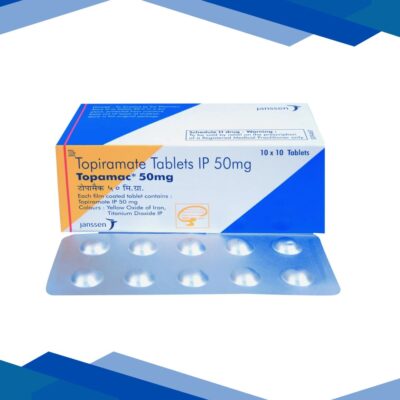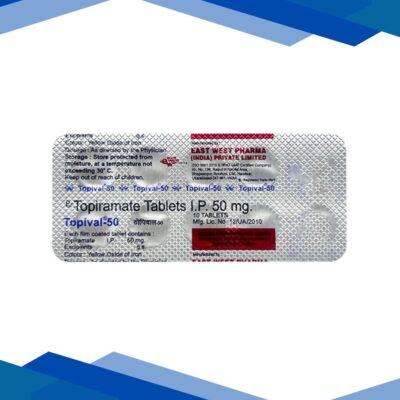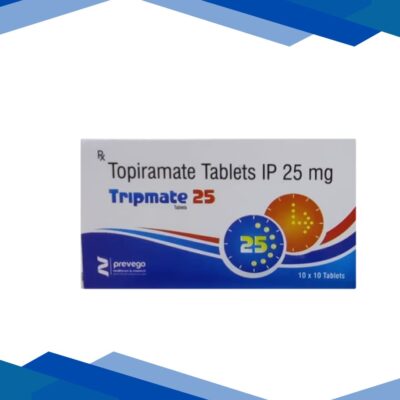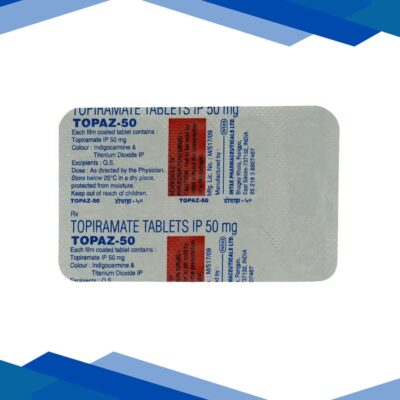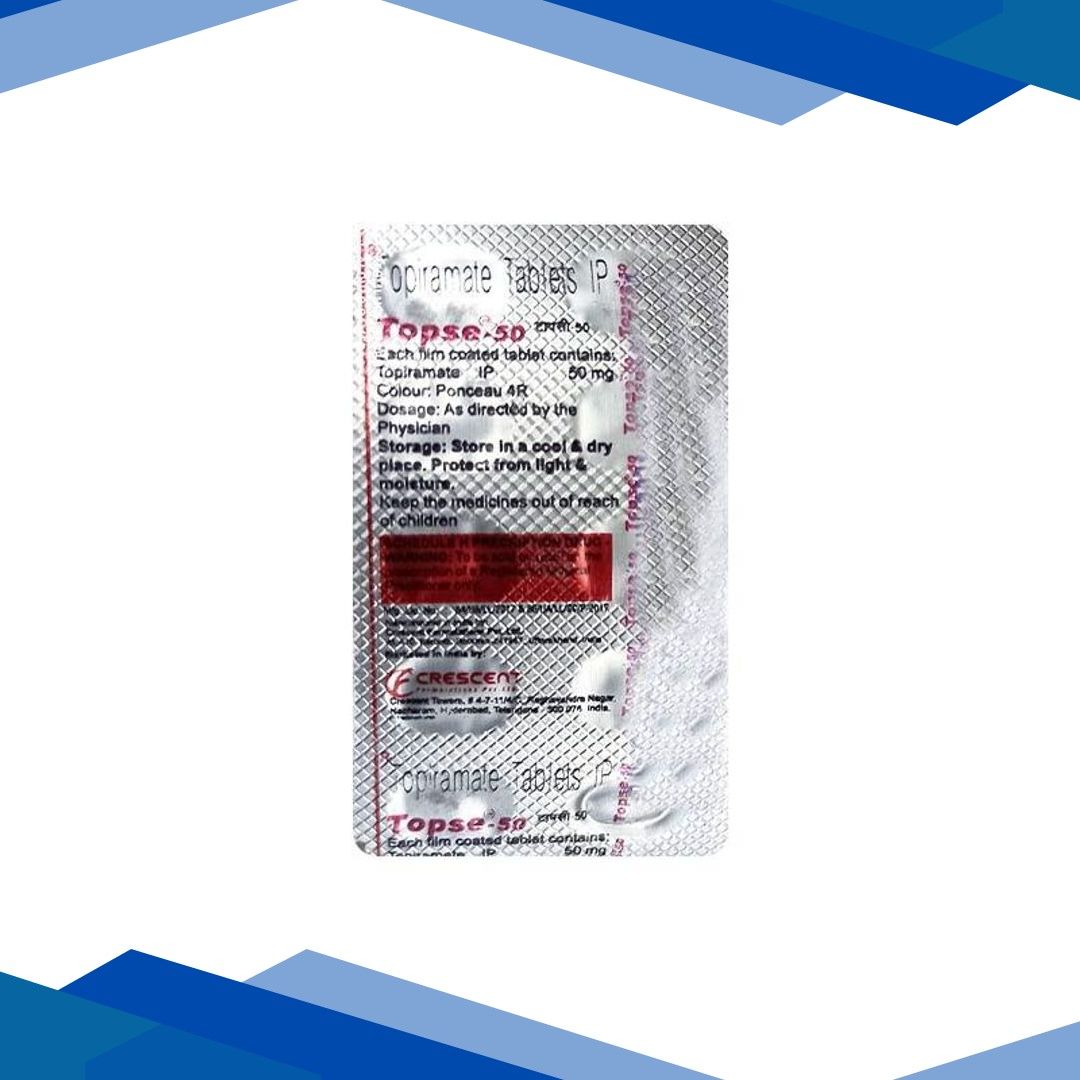
TOPSE 50 Tablet 10’s
❌ Due to high demand, this product is currently out of stock. New stock will be available shortly.
👉 Click here to Buy Same Salt medicine
TOPSE 50 Tablet is a medicine used to quickly reverse the effects of opioid medicines or opioid overdose. It works by blocking opioid receptors in the brain and body, which can restore normal breathing and reduce dangerous symptoms caused by too much opioid exposure. TOPSE 50 Tablet is most often used in emergencies when a person has slowed breathing, extreme sleepiness, or cannot be awakened because of opioid use. It may also be used in medical settings to help diagnose or manage opioid-related problems. This medicine acts fast and can be life-saving, but its effects may wear off before the opioid does, so medical follow-up is important. TOPSE 50 Tablet is an essential emergency treatment and should be used as directed by a healthcare professional or emergency responder.
Description
TOPSE 50 Tablet is a widely used emergency medicine that plays a critical role in reversing the life-threatening effects of opioid overdose. it is not a painkiller and does not produce euphoria; instead, it works by rapidly blocking opioid receptors in the brain and body. because of this action, it can restore breathing and consciousness in a person whose breathing has slowed or stopped due to opioids. it is commonly used in emergencies involving medicines such as morphine-like pain relievers, heroin, fentanyl, methadone, and other opioid substances.
this medicine is especially important because opioid overdose can cause severe drowsiness, pinpoint pupils, very slow or absent breathing, blue lips or fingernails, and loss of consciousness. in such situations, TOPSE 50 Tablet can be lifesaving when given promptly. it is often kept in homes, schools, workplaces, ambulances, hospitals, and community programs because immediate access may make the difference between life and death while emergency medical help is on the way.
TOPSE 50 Tablet works by attaching to the same receptors in the nervous system that opioids bind to, but it does not activate them. instead, it displaces the opioid medicine or drug from those receptors and reverses its effects. this reversal can happen quickly, often within minutes, but the effect may wear off before the opioid has fully left the body. for that reason, a person who responds to TOPSE 50 Tablet still needs urgent medical evaluation and monitoring, because the overdose can return as the medicine wears off.
it is used for adults and children in emergency opioid overdose situations and may also be used in hospital settings for opioid-related breathing depression. in some cases, healthcare professionals may use it to help diagnose opioid involvement when a patient is unresponsive. although TOPSE 50 Tablet is highly effective, it is not a substitute for emergency care, airway support, or close observation. anyone administering it should still call emergency services immediately and follow local emergency instructions.
ingredients
- ingredient name: TOPSE 50 Tablet — this is the active medicine responsible for reversing opioid effects. it acts as an opioid receptor antagonist, meaning it blocks opioid activity without producing opioid-like effects. its main benefit is rapid emergency reversal of slowed breathing and sedation caused by opioids.
- inactive ingredients: depending on the product form, TOPSE 50 Tablet may contain additional inactive substances that help stabilize the medicine, maintain sterility, or support delivery through a nasal spray, injection, or other formulation. these ingredients do not treat overdose but help the product remain effective and usable.
- delivery components: some TOPSE 50 Tablet products are supplied in prefilled devices, ampoules, or sprays designed for quick administration in emergencies. the delivery system is important because it allows fast use when every second matters.
key uses
- reversal of opioid overdose: TOPSE 50 Tablet is used in emergency situations to reverse dangerous opioid-induced respiratory depression and loss of consciousness. it can help restore breathing while emergency care is arranged.
- emergency treatment of suspected opioid poisoning: when opioid use is suspected but not confirmed, TOPSE 50 Tablet may be given because delaying treatment can be fatal. it is a first-line emergency response in many overdose protocols.
- hospital management of opioid effects: in monitored medical settings, TOPSE 50 Tablet may be used to reverse excessive opioid sedation or breathing suppression caused by prescribed pain medicines after surgery or during treatment.
- diagnostic aid in unresponsive patients: healthcare professionals may sometimes use TOPSE 50 Tablet to help determine whether opioid exposure is contributing to altered mental status or breathing problems.
- community overdose response: many public health programs distribute TOPSE 50 Tablet to family members, caregivers, first responders, and bystanders so they can respond quickly during an overdose emergency.
how to use
TOPSE 50 Tablet should be used exactly as directed by a healthcare professional or according to the instructions that come with the specific product. because it is used for emergencies, the most important step is to call emergency services immediately if an opioid overdose is suspected. TOPSE 50 Tablet is not a replacement for professional medical care; it is a temporary rescue medicine that can buy time until advanced help arrives.
the method of use depends on the formulation. some products are given as a nasal spray, while others are injected by trained professionals or by people instructed in emergency use. if a person is unresponsive, breathing very slowly, or not breathing, administer TOPSE 50 Tablet as instructed and then continue to monitor the person closely. rescue breathing or cpr may also be needed if you are trained to provide it. if the person does not respond within a few minutes, another dose may be needed depending on the product instructions and emergency guidance.
after TOPSE 50 Tablet is given, the person should be watched carefully because the effects of opioids may return once TOPSE 50 Tablet wears off. even if the person wakes up, they may become sleepy or stop breathing again. keep the person awake if possible, place them on their side if they are breathing but drowsy, and do not leave them alone. do not try to make them vomit or give them food, drink, or other medicines unless instructed by medical professionals. since different TOPSE 50 Tablet products may have different instructions, always read the package labeling and use the medicine as directed.
safety information
- warnings: TOPSE 50 Tablet is for emergency use only in suspected opioid overdose. it should not be relied on as the only treatment because the overdose can return after its effect wears off. immediate emergency medical assistance is essential. a person revived with TOPSE 50 Tablet may become agitated, confused, or physically uncomfortable as opioid withdrawal can begin suddenly.
- side effects: common side effects may include nausea, vomiting, sweating, shakiness, headache, rapid heartbeat, increased blood pressure, anxiety, irritability, and nasal irritation if given as a spray. serious effects are uncommon but may include severe withdrawal symptoms, breathing changes, chest pain, seizures in vulnerable individuals, or allergic reactions such as rash, swelling, or difficulty breathing.
- precautions: use with caution in people with heart disease, uncontrolled blood pressure, or those dependent on opioids, because abrupt reversal can trigger intense withdrawal. it should be used carefully in infants, pregnant individuals, and people who have taken long-acting opioids or mixed overdoses involving other sedatives. anyone giving TOPSE 50 Tablet should be prepared for the person to wake up suddenly and possibly behave unpredictably.
- pregnancy/breastfeeding: in pregnancy, TOPSE 50 Tablet may be used if needed to save the mother’s life in an overdose emergency. the benefits of reversing an overdose generally outweigh the risks. during breastfeeding, use is usually considered acceptable in emergency situations, but medical follow-up is important because the underlying opioid exposure and withdrawal can affect both parent and infant.
- interactions: TOPSE 50 Tablet primarily interacts with opioid medicines and opioid drugs. it can reverse the effects of opioids such as prescription pain medicines, heroin, fentanyl, methadone, and related substances. it does not reverse alcohol, benzodiazepines, or many other sedatives, so a person may remain dangerously impaired even after TOPSE 50 Tablet. mixed overdoses require emergency medical evaluation because more than one substance may be involved.
additional information
- storage: store TOPSE 50 Tablet at the temperature range recommended on the product label, away from excessive heat, freezing, and direct light. keep it in its original packaging, and check expiration dates regularly. because it is meant for emergencies, it should be stored in a place that is easy to access but still protected from damage and tampering.
- missed dose: TOPSE 50 Tablet is not used on a regular schedule, so a “missed dose” is usually not relevant. if it is prescribed for emergency availability, keep it on hand and replace expired units promptly. if one is used during an emergency, seek a replacement as soon as possible so a backup is available.
- overdose: TOPSE 50 Tablet itself is not typically associated with overdose in the same way opioids are, but giving too much can increase the risk of severe withdrawal symptoms, agitation, vomiting, or a sudden rise in blood pressure or heart rate. if too much is used or if the person becomes unwell, emergency medical evaluation is needed immediately.
- habit forming: no. TOPSE 50 Tablet is not habit-forming and does not cause dependence. it has no addictive properties because it does not produce opioid effects or euphoria. its purpose is to block opioid receptors in emergency situations.
frequently asked questions
Q: what is TOPSE 50 Tablet used for?
A: TOPSE 50 Tablet is used to reverse the dangerous effects of an opioid overdose, especially slowed or stopped breathing. it is an emergency medicine and should be followed by immediate medical care.
Q: how fast does TOPSE 50 Tablet work?
A: it often starts working within minutes, but the exact timing depends on the product and the situation. even if the person improves, emergency services should still be contacted because the overdose can return.
Q: can TOPSE 50 Tablet be used if i am not sure it is an opioid overdose?
A: yes, in many emergency situations it is appropriate to give TOPSE 50 Tablet if an opioid overdose is suspected, because delaying treatment can be dangerous. however, it will not reverse other causes of unconsciousness such as alcohol intoxication, stroke, or low blood sugar.
Q: does TOPSE 50 Tablet work on fentanyl?
A: TOPSE 50 Tablet can reverse fentanyl overdose, but some cases may require repeated doses because fentanyl can be very potent. emergency medical help should be called immediately in all suspected fentanyl overdoses.
Q: can someone wake up after TOPSE 50 Tablet and still be in danger?
A: yes. even if the person wakes up, the opioid may still be active in the body, and breathing problems can return after TOPSE 50 Tablet wears off. the person must be monitored until emergency help arrives.
Q: is TOPSE 50 Tablet safe to keep at home?
A: yes, it is commonly kept in homes where opioids are present or where there is a risk of overdose. it should be stored properly and used only in emergencies according to the instructions.
Q: will TOPSE 50 Tablet hurt a person who did not take opioids?
A: TOPSE 50 Tablet generally does not cause dangerous effects in someone who has not taken opioids, although it may be unnecessary. in an emergency, it is still used because the benefit of possibly saving a life is greater than the risk.
Q: can TOPSE 50 Tablet cause withdrawal symptoms?
A: yes. in people who are dependent on opioids, TOPSE 50 Tablet can trigger sudden withdrawal symptoms such as nausea, vomiting, sweating, body aches, agitation, and fast heartbeat. this is expected and is one reason emergency monitoring is important.
Q: should i give a second dose if the person does not respond?
A: if the first dose does not help within the time specified in the product instructions or emergency guidance, another dose may be needed. keep following emergency instructions and wait for professional help.
Q: does TOPSE 50 Tablet replace cpr or rescue breathing?
A: no. if the person is not breathing or is breathing poorly, rescue breathing or cpr may also be needed if you are trained to provide it. TOPSE 50 Tablet helps reverse the opioid effect, but it does not replace life support measures.
Q: can alcohol overdose be treated with TOPSE 50 Tablet?
A: no. TOPSE 50 Tablet does not reverse alcohol overdose. if alcohol or other non-opioid substances are involved, emergency medical care is still essential.
Q: how long does TOPSE 50 Tablet last?
A: its effect is temporary and may wear off sooner than the opioid causing the overdose. because of this, continued observation and emergency care are necessary after use.
Q: is TOPSE 50 Tablet the same as nalmefene or naltrexone?
A: no. these medicines are related but not the same. TOPSE 50 Tablet is specifically used for emergency opioid overdose reversal, while other medicines may have different uses and durations of action.
Q: can children receive TOPSE 50 Tablet?
A: yes, TOPSE 50 Tablet may be used in children in emergency opioid overdose situations. the exact product and instructions should be followed, and emergency medical care should be sought immediately.
Q: what should i do after giving TOPSE 50 Tablet?
A: call emergency services right away, monitor breathing, and stay with the person. place them on their side if they are breathing and watch for return of overdose symptoms until help arrives.
this information is for educational purposes only and should not be considered medical advice. always consult a qualified healthcare professional before use.
At Gem Pharmacy, we make every effort to provide accurate, expert-written, and thoroughly reviewed information related to medicines. However, this information should not be considered a substitute for professional medical advice, diagnosis, or treatment from a qualified doctor.
The purpose of this information is to educate users and improve communication between patients and healthcare professionals. It should not be used to diagnose or treat any condition.
Always consult a certified healthcare professional before taking any medication.


Related products