


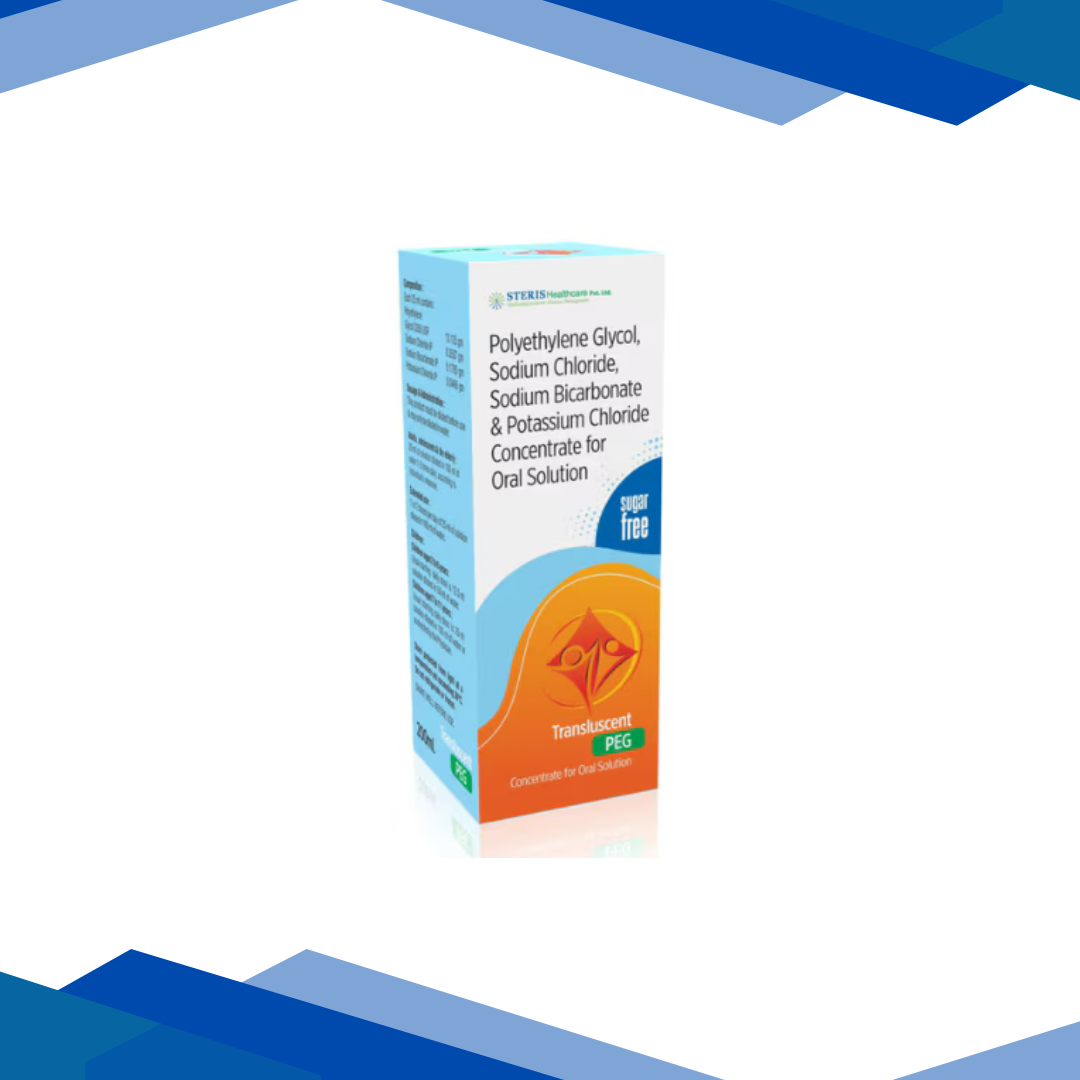
Transluscent PEG
No Prescription yet? Don’t worry! Click Here to Get Online Consultation
Potassium chloride is used to treat or prevent low potassium levels, which are important for heart, muscle, and nerve function. Sodium chloride helps maintain fluid balance, corrects low sodium levels, and is often used in for hydration. For more details kindly click on Medicines Salts below:
PotasiumChloride
POTASSIUM CHLORIDE
Overview
Potassium Chloride is a mineral supplement that helps the body maintain healthy potassium levels. Potassium is important for proper heart function, muscle movement, and nerve signals. When your potassium levels are too low, this medicine helps bring them back to normal.
Classification
Potassium Chloride is classified as an electrolyte replacement or mineral supplement. It helps restore the body’s natural salt balance, especially when potassium is lost due to certain medical conditions or medications.
Uses
Treats or prevents low potassium levels (also called hypokalemia)
Given when potassium is lost through vomiting, diarrhea, or diuretic (water pill) use
Helps support heart rhythm, muscle strength, and nerve functions
Sometimes used in patients on long-term medications like diuretics that lower potassium
How It Works
Potassium Chloride simply adds potassium back into your body. Your cells, nerves, and muscles — especially the heart — need a certain amount of potassium to work properly. This medicine keeps your potassium levels stable, so your body can function normally.
Dosage
As prescribed by your doctor.
Side effects
Some common or possible side effects include:
Nausea or upset stomach
Diarrhea
Gas or bloating
Mild stomach pain
More serious side effects (rare, but need medical attention):
Irregular heartbeat or chest pain
Muscle weakness or numbness
Severe stomach pain or vomiting
Tingling in hands, feet, or lips
Precautions
Take only as prescribed — too much potassium can be dangerous
Let your doctor know if you have kidney disease, heart problems, or dehydration
Should be taken with food or water to avoid stomach irritation
Swallow tablets whole (unless told otherwise) — do not crush or chew
Avoid using salt substitutes that contain potassium unless approved by your doctor
Inform your doctor if you are pregnant or breastfeeding
Disclaimer
This content is for informational purposes only. Always consult a healthcare provider for medical advice and proper dosage
Sodium Bicarbonate
500mg Sodium Bicarbonate Tablet
Sodium Bicarbonate is an alkalizing agent distributed systemically while being used for conditions linked with excessive acidity of the body. Its main use area is that it provides immediate relief from symptoms associated with acid reflux, acid indigestion, and sour stomach. In the hospital, sodium bicarbonate is used for the treatment of metabolic acidosis in patients with chronic kidney disease and for the alkalinization of urine to promote its excretion to aid in the treatment of certain toxins or medications.
Therapeutic Uses
Quick Antacid Relief: Helps neutralize excess stomach acid to relieve heartburn.
Ability to maintain pH: Helps maintain a proper pH balance in the presence of renal impairment.
Urine Alkalinization: Helps reduce the formation of uric acid stones in the kidney by developing more base in the urine thereby getting rid of certain toxic or dangerous substances.
Indigestion: Assists with light-and not heavy-stomach feelings often caused by overindulgence on overly acidic foods or drinks.
How It Works
Sodium Bicarbonate is a vital compound. Upon ingestion, it reacts with the excessive HCl acid in the stomach. This process causes an eventual breakdown and release of wastewater, carbon dioxide, and a type of salt. The net result of this reaction is the increase in the concentration of the basic content of stomach and blood respectively, thus neutralizing acidity and promoting good chemical balance.
Key Features
Very Fast Acting: Can go to work within minutes of ingestion.
Available in Different Forms: Tablets are the main form of delivery, with injections available for severe clinical conditions.
Potent pH Buffer: Key therapy for supporting acid-base homeostasis.
Usage & Dosage
Adult Dosage: Indigestion use requires 325–2000mg per day in the range one to four tablets, as ordered. This dose can be repeated 1–3 times a day as ordered by your doctor.
Administration: Swallow tablets whole with water. It is not advisable to take it after a very large meal (on a full stomach); the sudden release of gas may produce rapid discomfort.
Duration: This medication does not need to be used for more than 2 weeks without the doctor's prescription.
Side Effects
With normal dosage, the side effect will be mild, such as:
Thirst
Cramps in the stomach and bloating
Belching or gas
Nausia
Not Common: If you experience or feel any severe headaches, loss of appetite, or vascular edema in the feet/ankles, contact your health care provider immediately, as it may lead to "Milk-Alkali Syndrome" or high sodium levels.
Precautions and Warnings
High Sodium Content: Each tablet contains a lot of sodium. Patients with salt-restriction diet or any condition with reduced heart function should be extremely careful on its usage.
Concern for Kidney Health: Inform your doctor if you have serious chronic kidney disease as the body's ability to clear excess bicarbonate may be impaired.
Interactions: The Sodium Bicarbonate tablets can affect the absorption of other medications. Do not take it within two hours after taking other medicines, especially those that contain substances like tetracyclines, iron supplements, or thyroid medications.
Pregnancy: Take it only when you definitely need it, and shall only be prescribed by a doctor.
Frequently Asked Questions (FAQ)
Q: Can I use Sodium Bicarbonate regularly for heartburn?
At a pinch, it can be used occasionally. However, persistent or everyday heartburn is not ideal. Please consult with a gastroenterologist for a long-term management plan if you're reliant on antacids twice or more a week.
Q: Is it the same as baking soda?
It is chemically the same as baking soda (NaHCO₃), but medicinal Sodium Bicarbonate tablets are produced under strict standards of pharmaceutical "Good Manufacturing Practices" (GMP). This guarantees purity, proper dosage, and the absence of impurities that could be present in industrial or household varieties.
Q: Why do I get this bloat after consuming it?
The tablet reacts with the acid within the stomach and results in the production of carbon dioxide. This gas can lead to a temporary sense of bloating or belching. Drinking plenty of water while taking the medication may help reduce any sort of bloating.
Q: Can Sodium Bicarbonate affect my blood pressure?
Yes, as it contains sodium. High sodium intake can result in water retention and thus can lead to an increase in blood pressure in people susceptible to such an effect.
Q: On an empty stomach, is that how it should be taken?
Preferably, Sodium Bicarbonate is taken one to two hours after meals. It is best not to take it when your stomach is very full, as rapid gaseous formation may create chances of gastric injury.
Storage
Store it in a dry place with temperatures between 59 and 86°F (15–30°C). Make sure that the container remains tightly sealed, as high humidity can degrade the tablets.
Disclaimer: This content was written for informational purposes. It is important that you talk to a licensed medical practitioner if you feel that any of the substances described in this article can be useful to you, especially if you have existing heart or kidney conditions.
Sodium Chloride
Normal Saline (Sodium Chloride)
Sodium Chloride is an essential electrolyte supplement that restores salt and water balance in the body. In healthcare settings, it is most commonly administered IV as Normal Saline (0.9%) to treat dehydration, intranasally as a decongestant, or drops in the eyes to clean out irritants. It is important in maintaining osmotic pressure and nerve-muscle functions.
Major Medical Forms
Pens: Also used for another drug and to replace fluid.
Nasal Drops/Spray: Pseudo-ephedrine for relief from dry or congested nasal passages.
Ophthalmic Solution: Eye irrigation or for reducting swelling of cornea.
Oral: Sodium chloride tablets are used for specific electrolyte deficiencies or "salt-wasting" conditions.
Main Benefits
Rapid Rehydration: Quickly restores fluid volume due to heatstroke or diarrhea. Flowers for free.
Amascus: Water-thinning in the nose to relieve breathing.
Electrolyte Balance: Essential to maintain the proper levels of alkalinity and acidity (pH) of the blood.
How to Use
For the Nose: Lean the head backwards and squeeze the number of drops instructed into each nostril. Avoid touching the dropper tip to the inside of the nose. This is to prevent contamination.
As IV Infusion: This should be given only in a hospital or clinic by a professional health worker.
For the Eyes: Rinse the eyes gently with the sterile solution when necessary.
Side Effects and Cautions
Although Sodium Chloride is found naturally in the human body, it can occasionally be red or irritating at the site (IV) upon administration, with sneezing being a common side effect (Nasal spray) and administered in large quantities may cause edema or fluid volume overload, raise your blood pressure.
Caution: Patients with congestive heart failure, severe kidney disease, or high blood pressure (hypertension) should use sodium chloride supplements only under strict medical supervision.
Frequently Asked Questions (FAQs)
Q: Is "Normal Saline" just salt water?
Though it comprises sodium chloride and water, "Normal Saline" (0.9%) is created to match the salt concentration in human blood and tears. As such, it is "isotonic," which implies the solution will not burn or disturb cells like homemade salt water will.
Q: Can I give Sodium Chloride nasal drops to my baby?
Saline nasal drops are typically the swiftest and least dangerous decongestion remedy for infants, given that there is no harsh decongestant-based chemical. Go for the products manufactured particularly for use in children of that specific age of yours.
Q: Why was I put on Sodium Chloride tablets?
They are typically prescribed to address "hyponatremia" (that is, low sodium levels in blood) that could result from intensive sweating, certain medications, or certain imbalances of the hormones.
Q: Is there a risk of "salt overdose"?
Higher-volume infusion of sodium chloride can give rise to hypernatremia in a clinical instance; symptoms are thirst, mental cloudness, and fluid retention. This does include medical oversight on one's electrolyte levels throughout therapy.
Q: Can I use saline to wash the lenses of my contact glasses?
You can use saline solution to rinse commercially prepared and disinfected contact lenses, though it is not possible to kill off bacteria or viruses. It should be used merely as a supplementary cleaning step by rinsing the impurities from the lens after utilizing proper disinfection solutions.
At Gem Pharmacy, we make every effort to provide accurate, expert-written, and thoroughly reviewed information related to medicines. However, this information should not be considered a substitute for professional medical advice, diagnosis, or treatment from a qualified doctor.
The purpose of this information is to educate users and improve communication between patients and healthcare professionals. It should not be used to diagnose or treat any condition.
Always consult a certified healthcare professional before taking any medication.


Related products