Arginine
Uses, Benefits, and Expert Guidance – L-Arginine
L-Arginine is a semi-essential amino acid that acts as a crucial building block for proteins and a natural precursor to Nitric Oxide (NO). This amino acid is produced in various parts of the body; however, during times of stress, intense physical activity, or certain medical conditions, the body’s natural stores may become depleted, making L-Arginine supplementation beneficial for heart health and physical performance.
By stimulating the production of nitric oxide, L-Arginine supports vasodilation of blood vessels, ensuring that oxygen-rich blood reaches muscles and vital organs more efficiently. This mechanism supports everything from workout recovery to cardiovascular health.
Key Notes
Classification: Amino Acid Supplement / Nutraceutical
Head Action: Nitric Oxide Booster & Tissue Regenerator
Dosage Forms: 500 mg and 1000 mg capsules, effervescent tablets, and granules
Noteworthy Benefits: Improved circulation, enhanced muscle pump, and heart protection
Medical Uses of L-Arginine
1. Cardiovascular and Blood Pressure Control
L-Arginine plays a supportive role in heart health. By helping relax and dilate arterial walls, it may assist in managing mild hypertension (high blood pressure) and improving blood circulation in individuals with peripheral arterial disease (PAD) or stable angina.
2. Performance and Muscle Recovery
For athletes and bodybuilders, L-Arginine is often used as a pre-workout supplement. It enhances nutrient delivery to muscle tissues and helps remove metabolic waste products such as ammonia and lactate, which contribute to muscle fatigue and burning sensation during exercise.
3. Sexual Wellness & Vitality
Because of its circulation-boosting properties, L-Arginine is sometimes recommended for male reproductive health. Improved blood flow to key organs may help support stamina, vitality, and overall sexual wellness.
4. Immune System & Healing
This amino acid helps stimulate the division of T-cells, which are important for immune defense. As a result, L-Arginine may support recovery after surgery, trauma, or illness, helping the body rebuild and strengthen its natural defense mechanisms.
Correct Use of L-Arginine
Dosage: Most adults benefit from 2 g to 6 g per day, usually divided into two or three doses. Always follow the product label instructions or medical advice from your physician.
Timing: For fitness purposes, take 30–60 minutes before exercise. For general health, it is best taken between meals on an empty stomach, as it competes less with other dietary proteins and allows better absorption.
Storage: Store amino acid capsules in a cool, dry place, away from moisture and direct heat.
Safety Precautions & Warnings
Recent Heart Attack: L-Arginine is not recommended if you have recently experienced a heart attack, as it may interfere with recovery.
Allergy or Asthma: Individuals with a history of allergies or asthma should use caution, as L-Arginine may occasionally cause airway irritation.
Herpes Virus: L-Arginine may encourage replication of the herpes virus. If you experience frequent cold sores, consult a healthcare professional before using this supplement.
Surgery: Avoid using L-Arginine at least two weeks before scheduled surgery, as it may affect blood pressure regulation.
Common Side Effects
Generally, L-Arginine is considered safe for most individuals. However, excessive doses may cause:
Frequently Asked Questions (FAQs)
Q: Is L-Arginine better than L-Citrulline?
A: Both supplements are beneficial. However, L-Citrulline is converted into Arginine in the kidneys, which may lead to more sustained Arginine levels in the bloodstream. Many supplements combine the two for a time-release nitric oxide effect.
Q: Can I take L-Arginine if I am already on blood pressure medication?
A: Caution is advised. Since L-Arginine naturally lowers blood pressure, combining it with medications such as Amlodipine or Losartan may reduce blood pressure too much, potentially causing dizziness or fainting. Always consult a healthcare provider first.
Q: Does L-Arginine promote hair growth?
A: L-Arginine may support healthy hair growth indirectly by improving blood circulation to hair follicles, helping deliver oxygen and nutrients. However, it is not a direct treatment for baldness.
Q: Can women take L-Arginine?
A: Yes. Women can safely use L-Arginine to support circulation, exercise performance, and cardiovascular health. In some cases, it may also be used during pregnancy under strict medical supervision.
Q: How soon can I expect to see results?
A: For exercise performance, effects such as a muscle pump may appear within an hour. For benefits related to blood pressure or overall vitality, consistent use for about 2–4 weeks is usually required.
Sodium Chloride
SODIUM CHLORIDE
Overview
Sodium chloride is simply salt — the same kind found in food. In medicine, it’s used to replace lost fluids and salts in the body. It helps keep the balance of water and minerals in your body.
Classification
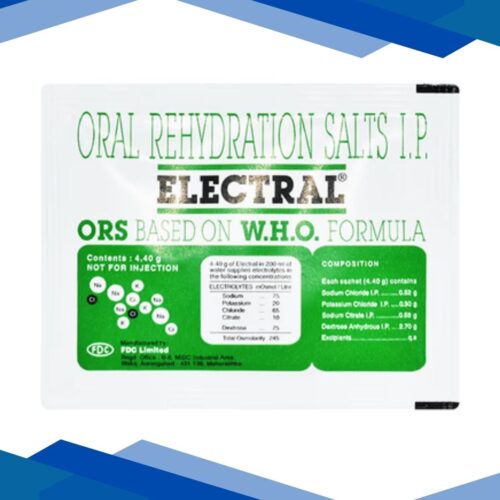
Sodium chloride is a type of electrolyte (a mineral that helps your body stay hydrated and your cells work properly). It’s often found in IV fluids, saline solutions, and oral rehydration products.
Uses
To treat dehydration (loss of water and salt)
To restore fluid balance in the body during illness, surgery, or after sweating too much
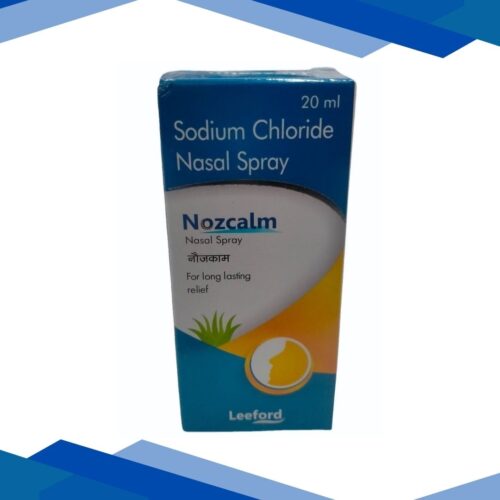
Used in IV drips, nasal sprays, eye drops, and wound cleaning solutions
Helps in making other medicines and in lab tests
How It Works
Sodium chloride works by replacing salt and water your body has lost. It helps your muscles, nerves, and organs work properly by keeping the right fluid balance in your blood and tissues.
Dosage
As prescribed by your doctor.
Side effects
Thirst – You may feel more thirsty than usual.
Dry Mouth – A feeling of dryness in the mouth or throat.
Stomach Upset – Mild stomach pain, gas, or bloating.
Nausea – Feeling like you might vomit.
Swelling (Edema) – Puffiness in the hands, feet, or ankles due to water retention.
High Blood Pressure – Extra sodium in the body can raise blood pressure.
Breathing Problems – If too much fluid builds up in the lungs.
Muscle Twitching or Weakness – Due to salt imbalance.
Confusion or Seizures – In extreme cases of very high sodium levels (hypernatremia).
Precautions
Kidney or Heart Issues: If you have kidney problems or heart conditions like heart failure, too much sodium can make things worse by causing water retention (extra fluid in the body).
High Blood Pressure: Salt (sodium) can raise your blood pressure. If you already have high BP, be cautious with how much sodium chloride you use.
Salt-Sensitive People: Some people’s bodies react more strongly to salt. They may need smaller amounts.
During Pregnancy or Breastfeeding: Usually safe, but always check with your doctor before using high amounts.
Other Health Conditions: If you have liver problems, swelling (edema), or are on a low-salt diet, take sodium chloride only as advised by your healthcare provider.
Disclaimer
This content is for informational purposes only. Always consult a healthcare provider for medical advice and proper dosage