


Ulsor Mouth Gel
No Prescription yet? Don’t worry! Click Here to Get Online Consultation
Cetylpyridinium Chloride
Cetylpyridinium Chloride: Armor Against Oral Germs Cetylpyridinium chloride (CPC) is extensively exploited as an antiseptic. Monitored for various oral antiseptics when CPC is frequently used in good versions of mouthwashes, lozenges, and oral sprays. With its great antimicrobial qualities, the CPC acts as a frontline weapon for preventing plaque, gingivitis, and minor inflammation of the throat. CPC has some unique particularity; stereotypes for oral hygiene are somehow far from the truth. Unlike other strong antiseptics, CPC has been preferred for daily use in maintaining oral hygiene as it proves to effectively reduce bacterial count in the mouth in comparison to the high-alcohol-based products that cause a strong "burn." Benefits & Uses Fighting Plaque & Gingivitis: It targets the "biofilm" on your teeth, breaking down the bacteria that cause gum inflammation and cavities. Cooling Effects: It soothes sore throat. Thus, when treated in coveted lozenges practice, it attenuates a variety of pathogens within the oropharynx, thus relieving the hoarseness. Long-lasting Fresh Breath: CPC works by reducing the odor-causing bacteria and hence leaving you with an after-feeling of cleanliness that can linger around for many hours. No-Alcohol Alternatives: Many products that contain CPC are alcohol-free, proving great for those who have sensitive mouths or dry Xerosomia mouth. How Does it Work? Cetylpyridinium chloride is a quaternary ammonium. It works by attaching itself to the negatively-charged cell surfaces of vitality bacteria. While it has attached, it destroys the cell membrane and makes the "bad" bacteria leak out and lose their structure. Consequently, they can't clone and make sticky plaque to ruin your gums. Directions for Use For Mouthwash: Take the recommended dose (usually around 15-20ml). Gargle and splash the liquid for 30 seconds immediately after brushing your teeth, and gargle it out. Do not eat or drink anything for a good 30 minutes for a proper and lasting effect. For Lozenges: Allow to dissolve slowly in the mouth. Try not to chew on it whole. For sprays: simply guide towards the back of the throat or the affected area depending upon your healthcare provider's recommendations. Frequently Asked Questions (FAQs) 1. Can I use Cetylpyridinium Chloride every day? Yes, following the product instructions on long-term daily oral care is perfectly safe. CPC is often used as an alternative to Chlorhexidine because it is less likely to cause tooth staining over time with regular use. 2. Can I use CPC mouthwash if I have sensitive gums? Yes 100% of the time. In fact, for people with early-stage gum disease, CPC is often advised to contain the stress of bacterial buildup on the gums. If ever you develop prolonged irritation from the mouth rinse, it is best to consult your dentist. 3. Will Cetylpyridinium Chloride stain my teeth like Chlorhexidine? Both of them act as haughty antiseptic agents; Campus, however, does present a significantly lower risk of tooth discoloration. In any complement in rare circumstances, light surface staining can be offset by professional whitening. 4. Can children use products containing CPC? Generally, most CPC in mouthwashes is safe for children 6 years old and over as long as they can rinse and spit without swallowing. Some throat lozenges have a specified age requirement of 6 years or older. Always study the label of the product guidelines for age appropriateness. 5. Is it active against viruses and bacteria as well? CPC, in studies, proved to act as a virucidal agent. Meaning, it is able to destroy certain viruses in small amounts found in the oral cavity and throat. In other words, this product does not cure viral infections per se but is a fantastic aid for maintaining overall hygiene towards the upper respiratory system. General consciousness 1. Not to swallow: These products are meant for topical use in the mouth. 2. Allergy: If you experience swelling of the tongue, lips, or rash, discontinue its use and instantly seek medical advice. 3. Pregnancy/Nursing: Usually considered safe, but we always advise a quick call to your doc before starting on any new, medicated, oral routine.
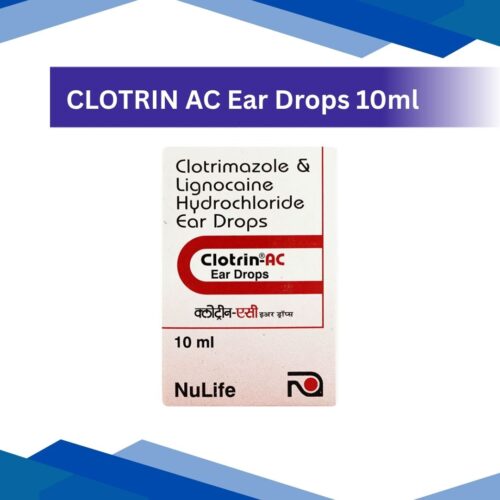
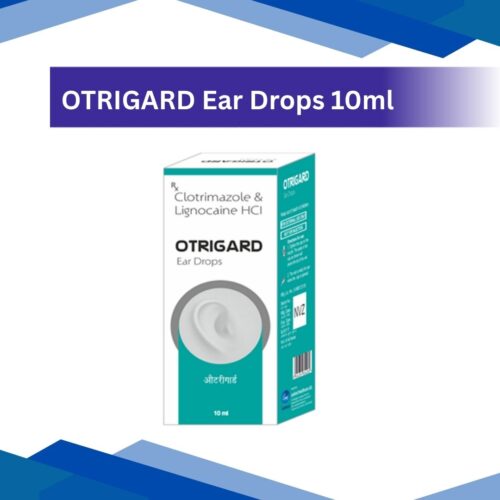
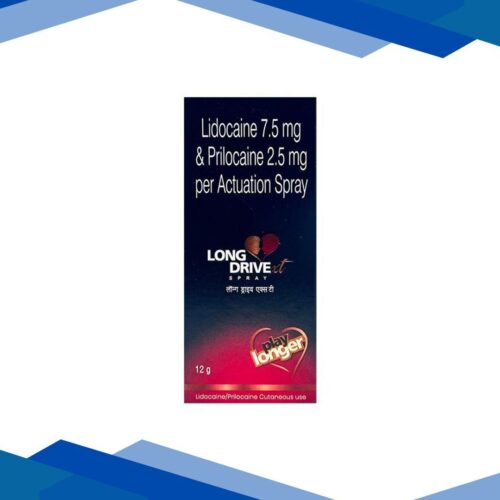
Lidocaine
Lidocaine (Topical/Injectable) Lidocaine is a local anesthetic drug with multifarious uses for causing some temporary form of numbness or loss of feeling in a specific area. Its effect is completed by blocking the nerves to transmit 'pain' signals to the brain. It is essential for current pain management, meaning that it largely treats minor skin injuries using a topical gel and provides anesthesia for minor surgeries upon injectable administration.
Principal Applications: Skin Numbing: Good for minor burns, insect bites, or scrapes. Leading-edge Applications: Often used before injections, tattoo needles, and catheterization to minimize pain. Dental Signs: For application, gels help to soothe sores or relieve dental work discomfort. Surgery Use: Used by specialists to numb an area for suturing or for small cytological examination.
How to Apply (Topical) Clean Site: Wash and dry the affected skin before applying the cream or gel. Thin Layer: Apply only on the area that needs treatment; never apply over a large area of the body. Hands on: Washing hands is important right after application to keep the medicine away from the eyes or mouth. Dosage: Follow your prescription regarding how often it has to be used. Excessive usage permits systemic absorption, a potentially serious occurrence.
Precautions Word of Warning: Lidocaine should never be placed on open, blistered, or 3rd-degree burned areas unless the physician tells you so. Also avoid tight bandaging or heating pads over the treated area, as this may increase drug absorption into the bloodstream. Heart Physiology: If you have a history of arrhythmia or other heart conditions, consult your doctor before use. Hepatic Cases: Patients with liver disease should use Lidocaine with care, as it is metabolized in the liver. Allergies: Check for sensitivity to "amide-type" local anesthetics before use.
Possible Side Effects
- Mild redness, swelling, or irritation at the site of application
- Brief stinging or burning sensation
- Pallor (lightening of skin) at the application site
Frequently Asked Questions (FAQs) Q: How Long Does It Take for Lidocaine to Take Effect? A: With topical gels and creams, a numbing sensation usually begins within 2 to 5 minutes. The peak effect is achieved in about 15–30 minutes.
Q: Can I Use Lidocaine for a Sore Throat? A: Use only specific oral Lidocaine viscous solutions for throat pain. Do not use skin creams or gels inside the mouth or throat.
Q: Is It Safe to Use Lidocaine Every Day? A: Lidocaine should be used only as directed by your doctor. Avoid unnecessary or prolonged use.
Q: When should I avoid using Lidocaine? A: Avoid long-term use without medical advice. If symptoms persist, consult a physician.
Q: Is there any time-limit for the consumption of Lidocaine? A: It should not be used daily for extended periods, as side effects may accumulate with prolonged use.
At Gem Pharmacy, we make every effort to provide accurate, expert-written, and thoroughly reviewed information related to medicines. However, this information should not be considered a substitute for professional medical advice, diagnosis, or treatment from a qualified doctor.
The purpose of this information is to educate users and improve communication between patients and healthcare professionals. It should not be used to diagnose or treat any condition.
Always consult a certified healthcare professional before taking any medication.


Related products