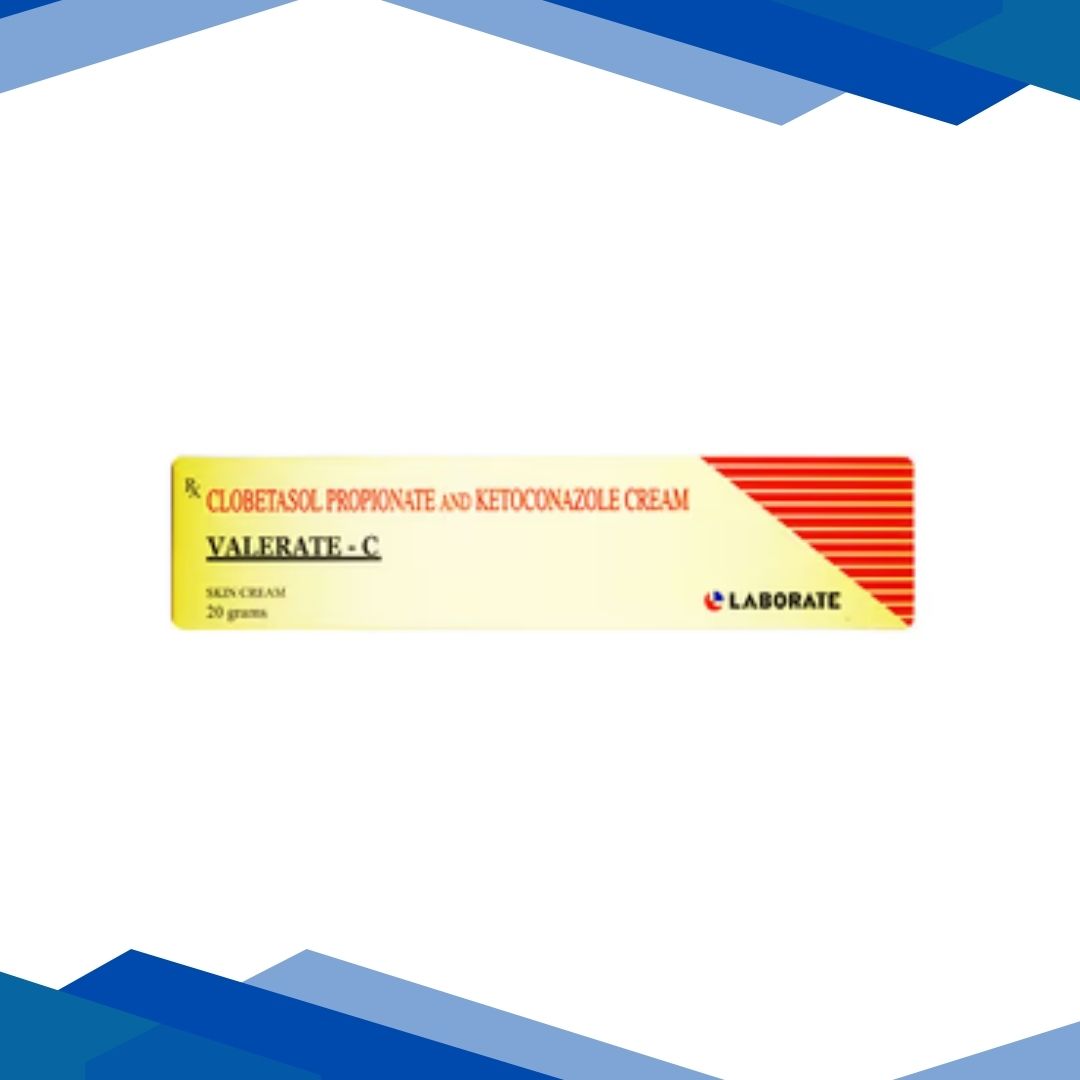
VALERATE C Cream 20gm
No Prescription yet? Don’t worry! Click Here to Get Online Consultation
Valerate C Cream is a combination of two medicines used to treat fungal infections. It works by killing the fungi or preventing their growth on the skin. It also reduces inflammation, redness, and itching often associated with fungal infections.
Clobetasol propionate
Clobetasol Propionate 0.05% Cream/Ointment
Clobetasol Propionate is considered one of the strongest medications against various severe skin problems. This drug, by acting upon these substances in the skin, helps in decreasing the swelling, redness, and itching that happen in skin diseases. This is classified under "super-potent" class I steroid and is therefore reserved for very severe dermatoses that do not respond to less potent steroids.
Indications
This medicine can basically be prescribed for inflammatory and pruritic conditions responsive to corticosteroids, which are represented by:
- Psoriasis: Especially plaque psoriasis localized on the scalp, elbows, and knees.
- Eczema: Incapacitating atopic dermatitis unresponsive to other types of treatment.
- Lichen Planus: An inflammatory disease of the skin and mucous membranes
- Discoid Lupus Erythematosus
Key features
Rapid Action: Quick relief from severe itching and localized inflammation.
Targeted Therapy: High skin permeability ensures deep immunization of the affected dermal tissues by the active material.
Multiple Formulations: Available as a cream, ointment, gel, and scalp solution depending on skin typology and what part of the body might be affected.
Application Directions
Pre-treatment: Wash and dry hands and the area on the skin where the medication is to be applied.
Gentle Layering: Use pea-sized amounts, and gently rub the cream, drug, or gel into the area being treated, making sure it disappears into the skin.
Use Frequency: Use frequency is usually 1-2 times daily, but no more than what is recommended by your dermatologist, in terms of dosing or frequency.
Cleanliness of the Hands: Rinse hands, unless hands are to be treated on.
Major Precautions
Use Short-term: Owing to the high potency, prolonging usage should not go beyond two consecutive weeks.
Cautiousness in Facial Areas: The owned should be directed merely to the areas of application; however, if this has to end up being the face, an alternative medicine is otherwise recommended for such cases on strict grounds.
Occlusion: Unless otherwise advised by a physician, the patient shall make sure that the treated skin is not occluded by bandages or air-tight dressings, which increase systemic absorption of the medicine.
No Data on Adrenal Insufficiency: Long-term use of clobetasol propionate over a significant body area has the potential to increase the systemic absorption of the drug and possibly affect the hypothalamic-pituitary-adrenal axis.
Adverse Effects
Common side effects of Clobetasol Propionate 0.05%/gm are:
Irritation or stinging after application.
Skin thinning or infrequently striae.
Folliculitis.
Spider telangiectasia veins.indicators
FAQs (Frequently Asked Questions)
Q: Is Clobetasol Propionate a fungal or antibiotic cream?
Clobetasol is a steroid type. It does not treat infections mediated by bacteria, fungi, or viruses, and can enhance them if used on the infected area alone.
Q: Is it okay to use Clobetasol for baby diaper rash?
No, Clobetasol is too strong for the delicate infant skin and should never be used in diaper dermatitis cases as mentioned above. The inclusion of steroids in the diaper region increases the risk of systemic absorption from the 'occlusive' property of a diaper.
Q: Should I start using it if I missed a dose?
When you remember, use it; otherwise, wait and continue with your regular dosing schedule. Do not "double up" to make up for the missed dose.
Q: How long should I expect to wait before I see some form of improvement?
Most patients start to feel a decrease in itching and redness within the first couple of days of applying it. Should you be unable to see any improvement after two weeks, talk with an experienced person from the dermatology society.
Q: Would pregnant women use it?
Topical steroids are used during pregnancy exclusively when the potential benefit of treating the mother far exceeds the theoretical risk to the fetus. It is always wise to have a discussion with your OB-GYN before you start treatment.
Ketoconazole
Ketoconazole – An Antifungal Medication
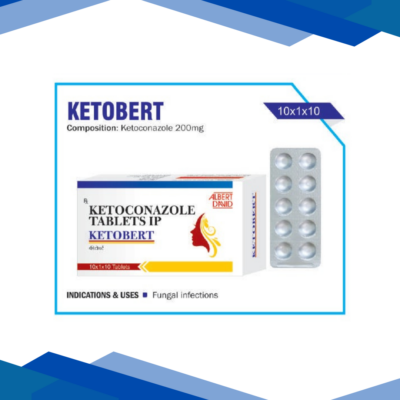
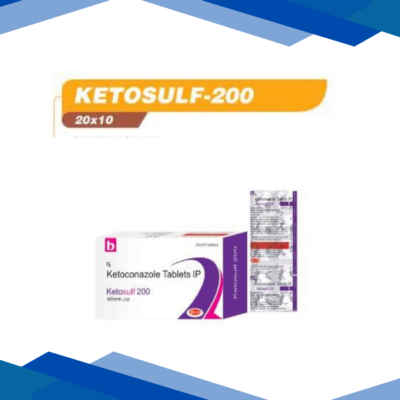
Ketoconazole is a synthetic, broad-spectrum antifungal medication used to treat a wide variety of fungal and yeast infections. It works by inhibiting ergosterol synthesis in the fungal cell membrane, thereby destroying the fungus at its source and preventing its growth.
Ketoconazole is available in multiple forms, including topical creams, medicated shampoos (commonly for dandruff and seborrheic dermatitis), and oral tablets for systemic infections.
Therapeutic Uses
Scalp Conditions: Effective in treating persistent dandruff and seborrheic dermatitis that are difficult to manage.
Skin Infections: Used for Athlete’s Foot (tinea pedis), Jock Itch (tinea cruris), and Ringworm (tinea corporis).
Pityriasis (Tinea Versicolor): Helps clear fungal patches causing skin discoloration.
Systemic Infections: Oral form is useful for deep or resistant fungal infections that do not respond to standard treatments.
How to Use
Topical Cream: Apply a thin layer to the clean, dry affected area once or twice daily. Wash hands thoroughly after application.
Shampoo: Apply to wet scalp/hair, lather, and leave for 3–5 minutes before rinsing. Typically used twice weekly for 2–4 weeks.
Oral Tablets: Take exactly as prescribed, preferably with food to enhance absorption.
Safety & Precautions
Caution: Avoid applying on broken or irritated skin. Keep away from eyes, nose, and mouth.
Liver Function: Monitoring of liver enzymes may be required with oral ketoconazole, due to rare risk of liver toxicity.
Alcohol: Avoid alcohol consumption during oral therapy to prevent adverse reactions.
Pregnancy & Breastfeeding: Consult a doctor or dermatologist before use.
Side Effects & Interactions
Generally well-tolerated, but some users may experience:
Local Effects: Mild redness, itching, or stinging.
Systemic Effects: Nausea, headache, abdominal discomfort (more common with oral form).
Drug Interactions: May interact with antacids and blood thinners. Always inform your pharmacist or doctor about current medications.
Frequently Asked Questions (FAQs)
Q: Can I apply ketoconazole cream to the scalp?
A: While primarily used for skin infections, it may help with scalp inflammation (e.g., related to androgenic alopecia) under medical supervision.
Q: How soon does it start working?
A: Initial improvement such as reduced itching and flaking is usually noticed after 2–3 applications.
Q: Can ketoconazole be used on the face?
A: Yes, for conditions like facial seborrheic dermatitis, but use only as directed and avoid the eye area.
Q: Can I stop using it once the rash disappears?
A: No. Continue for a few days after symptoms resolve to ensure complete eradication of the fungus and prevent recurrence.
Q: Can I use a moisturizer with ketoconazole cream?
A: Yes. Apply a moisturizer 20–30 minutes after using ketoconazole to maintain its effectiveness.
At Gem Pharmacy, we make every effort to provide accurate, expert-written, and thoroughly reviewed information related to medicines. However, this information should not be considered a substitute for professional medical advice, diagnosis, or treatment from a qualified doctor.
The purpose of this information is to educate users and improve communication between patients and healthcare professionals. It should not be used to diagnose or treat any condition.
Always consult a certified healthcare professional before taking any medication.


Related products