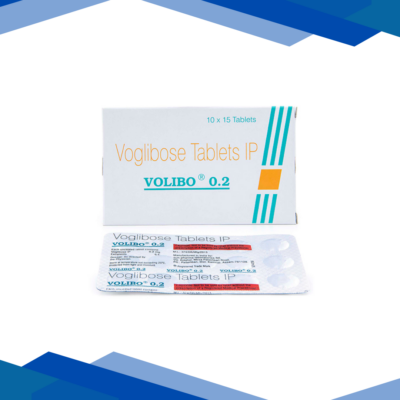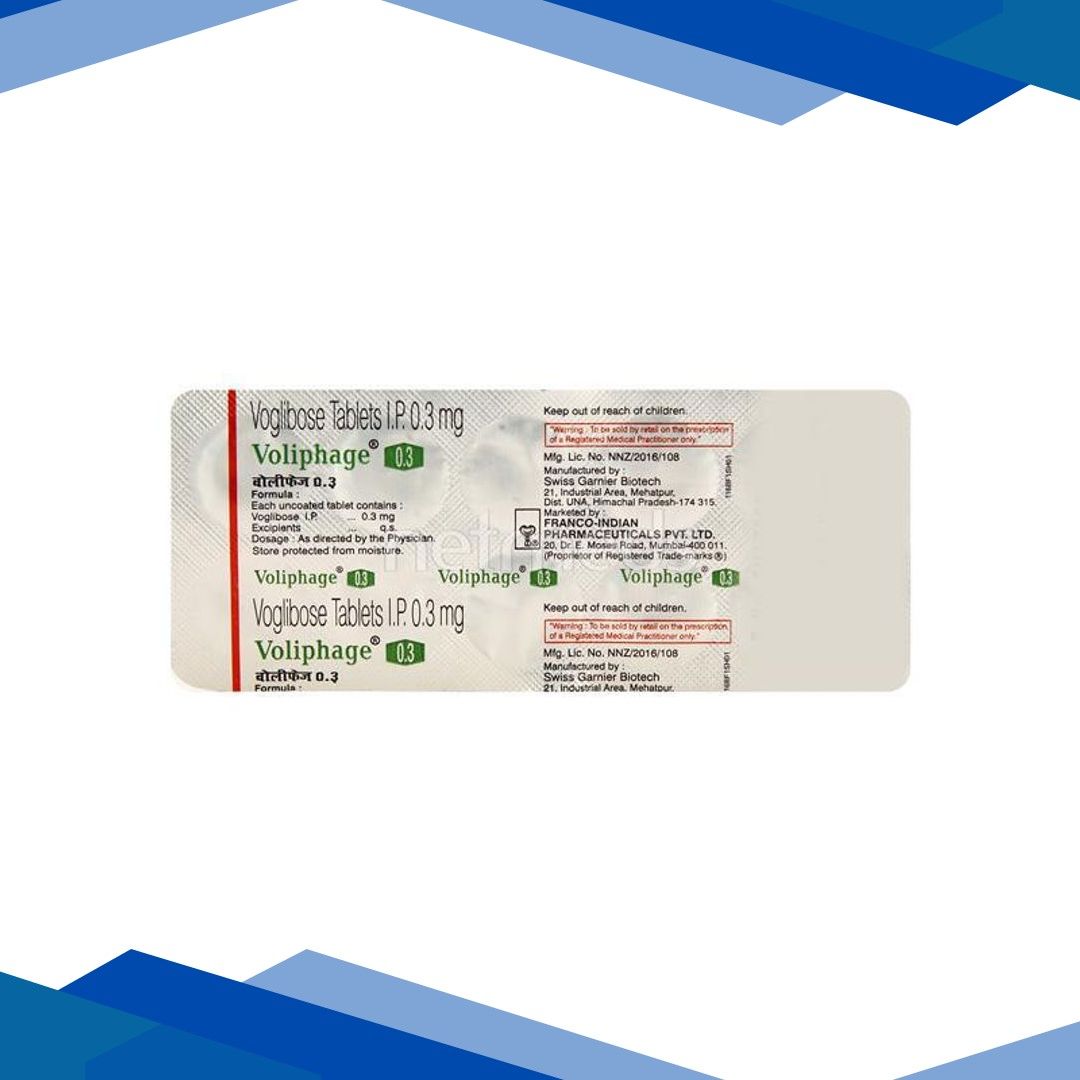
Voliphage 0.3mg Tablet 10’S
Voliphage 0.3mg Tablet is an antidiabetic medicine used to help control blood sugar levels in people with type 2 diabetes. It works by slowing the breakdown and absorption of carbohydrates in the intestine, which helps prevent a sudden rise in blood glucose after meals. This makes it especially useful for managing post-meal blood sugar spikes. Voliphage 0.3mg Tablet is commonly prescribed along with diet, exercise, and other diabetes medicines when better blood sugar control is needed. It does not cure diabetes, but it can support overall diabetes management when used under medical supervision. Like all medicines, it may not be suitable for everyone, so it should be taken only as advised by a healthcare professional.
Description
Voliphage 0.3mg Tablet is an antidiabetic medicine used to help control blood sugar levels, especially after meals, in people living with type 2 diabetes mellitus. it belongs to a class of medicines that work inside the digestive system rather than directly stimulating the pancreas or replacing insulin. because of this, Voliphage 0.3mg Tablet is often used as part of a broader diabetes management plan that also includes a balanced diet, regular physical activity, and routine blood sugar monitoring. it is not intended to treat emergencies of high blood sugar or replace lifestyle measures, but it can be an important support for long-term glucose control.
this medicine works by slowing down the breakdown and absorption of carbohydrates in the intestine. when you eat foods containing starches and sugars, they are normally broken down quickly into glucose, which then enters the bloodstream and raises blood sugar levels after meals. Voliphage 0.3mg Tablet helps reduce this sharp rise by delaying carbohydrate digestion, which can make post-meal glucose levels more stable. for many patients, this can improve overall diabetes control and may also help reduce symptoms and risks related to frequent blood sugar spikes.
Voliphage 0.3mg Tablet is generally used in adults with type 2 diabetes, either alone in selected cases or more commonly together with other diabetes medicines when diet and exercise are not enough. it is especially useful for people whose blood sugar tends to rise significantly after eating. since its effect is mainly on post-meal glucose, it is often chosen when the goal is to improve overall glycemic patterns without causing major changes in insulin secretion. however, proper medical supervision is important, because the medicine may not be suitable for everyone and can cause gastrointestinal side effects in some people.
it is important to understand that Voliphage 0.3mg Tablet helps manage blood sugar but does not cure diabetes. the best results usually come when the medicine is taken exactly as recommended, alongside healthy eating habits and regular follow-up with a healthcare professional. people using this medicine should continue monitoring blood glucose as advised and report any unusual symptoms such as frequent stomach discomfort, persistent diarrhea, or signs of low blood sugar if they are also taking other diabetes medicines.
ingredients
- Voliphage 0.3mg Tablet: the active ingredient responsible for lowering post-meal blood sugar levels. it works by inhibiting enzymes in the small intestine that break down complex carbohydrates into simple sugars, thereby slowing glucose absorption into the bloodstream. this helps reduce sudden rises in blood sugar after meals and supports smoother overall glucose control.
- inactive ingredients: depending on the brand or formulation, the tablet or other dosage form may contain additional excipients such as fillers, binders, disintegrants, and coating materials. these do not provide the therapeutic effect but help with tablet stability, appearance, swallowing, and proper release of the active ingredient. because inactive ingredients can vary by manufacturer, people with allergies or sensitivities should review the product label carefully.
key uses
- type 2 diabetes management: Voliphage 0.3mg Tablet is used to help lower elevated blood sugar in adults with type 2 diabetes, particularly after meals. it is commonly included when dietary measures alone do not provide adequate control.
- post-meal blood sugar control: the medicine is especially effective for reducing sharp spikes in glucose that occur after eating carbohydrate-containing foods. this can improve daily glucose patterns and help support better diabetes management overall.
- combination therapy with other antidiabetic medicines: Voliphage 0.3mg Tablet may be prescribed together with other diabetes treatments when a single medicine is not enough. it can complement medicines that act in different ways, helping improve blood sugar control from multiple angles.
- support for long-term glucose control: by reducing frequent post-meal glucose surges, Voliphage 0.3mg Tablet can contribute to better overall glycemic stability over time. this may be useful as part of a comprehensive diabetes care plan that includes monitoring and lifestyle changes.
how to use
Voliphage 0.3mg Tablet should be taken exactly as directed by a healthcare professional. in general, it is used around mealtimes because its effect is strongest when carbohydrates from food are being digested. many patients are advised to take it with the first bite of a meal or just before eating, but the exact timing should always follow the prescribing instructions for the specific product. it is important not to take extra doses without medical advice, because this can increase side effects without offering added benefit.
this medicine works best when taken consistently and as part of a structured diabetes care routine. swallow the tablet as instructed, and do not crush, chew, or alter it unless a pharmacist or doctor says it is acceptable for the specific formulation. since Voliphage 0.3mg Tablet affects how carbohydrates are absorbed, its benefit is linked to meal intake; skipping meals, eating irregularly, or changing your diet significantly may affect how well it works. continue following your diabetes meal plan, exercise recommendations, and blood sugar checks as advised.
if Voliphage 0.3mg Tablet is used with insulin or other medicines that can cause low blood sugar, extra monitoring may be needed. in that situation, a healthcare professional may recommend keeping a source of fast-acting glucose available. it is also important to attend regular follow-up visits so your doctor can assess how well the medicine is working and whether any adjustment is needed. never stop or change the dose of any diabetes medicine on your own, especially if your blood sugar readings seem unusual.
safety information
- warnings: Voliphage 0.3mg Tablet may cause digestive side effects because it works in the intestine. common issues include gas, abdominal bloating, stomach discomfort, and loose stools. these are often related to the way undigested carbohydrates are processed in the gut. people should seek medical advice if symptoms become severe, persistent, or interfere with eating and daily activities.
- side effects: common side effects may include flatulence, diarrhea, abdominal pain, indigestion, and a feeling of fullness. less common but more serious problems may include allergic reactions, severe or persistent diarrhea, or signs of liver issues such as unusual tiredness, dark urine, yellowing of the skin or eyes, or loss of appetite. if any severe reaction occurs, medical attention should be sought promptly.
- precautions: Voliphage 0.3mg Tablet may not be suitable for people with certain intestinal disorders, chronic digestive problems, severe kidney or liver disease, or conditions where increased gas formation could be harmful. caution is also needed in older adults and in people who have irregular eating patterns. a healthcare professional should review medical history before use.
- pregnancy/breastfeeding: safety data in pregnancy and breastfeeding may be limited. if you are pregnant, planning pregnancy, or breastfeeding, use Voliphage 0.3mg Tablet only if a doctor believes the benefit outweighs the possible risk. diabetes management during pregnancy requires careful individualized supervision, so medical advice is essential.
- interactions: Voliphage 0.3mg Tablet may interact with other antidiabetic medicines, especially insulin or drugs that increase insulin release, which can raise the risk of low blood sugar when used together. alcohol may also complicate blood sugar control and can increase the risk of glucose instability. some digestive medicines and agents that affect bowel function may alter tolerability or effectiveness. always inform your healthcare provider about all prescription medicines, over-the-counter products, and supplements you use.
additional information
- storage: store Voliphage 0.3mg Tablet in a cool, dry place away from moisture, heat, and direct sunlight. keep it in its original packaging and out of reach of children and pets. do not use the medicine after the expiry date printed on the pack.
- missed dose: if you miss a dose, follow the instructions provided by your doctor or pharmacist. since it is generally used with meals, a missed dose may mean the intended dose should be skipped if the meal has already passed. do not double the next dose unless a healthcare professional specifically instructs you to do so.
- overdose: an overdose may increase gastrointestinal symptoms such as bloating, diarrhea, abdominal pain, and excessive gas. if a large amount is taken accidentally, contact a doctor, pharmacist, or poison control service immediately. if the person develops severe symptoms or appears unwell, urgent medical help is needed.
- habit forming: no. Voliphage 0.3mg Tablet is not considered habit-forming or addictive. it does not produce dependence, but it should still be used only under medical supervision to ensure safe and effective diabetes control.
frequently asked questions
Q: what is Voliphage 0.3mg Tablet used for?
A: Voliphage 0.3mg Tablet is used to help control blood sugar levels in adults with type 2 diabetes, especially by reducing blood sugar spikes that happen after meals. it is usually used along with diet, exercise, and sometimes other diabetes medicines.
Q: how does Voliphage 0.3mg Tablet work in the body?
A: Voliphage 0.3mg Tablet works in the small intestine by slowing the breakdown of carbohydrates into glucose. this delays glucose absorption and helps prevent sudden rises in blood sugar after eating.
Q: should Voliphage 0.3mg Tablet be taken with meals?
A: yes, it is generally taken around mealtimes because that is when it can best reduce the absorption of carbohydrates from food. always follow the exact timing given by your doctor or pharmacist.
Q: can Voliphage 0.3mg Tablet cause low blood sugar?
A: Voliphage 0.3mg Tablet alone usually does not cause low blood sugar often, but the risk can increase if it is used together with insulin or other diabetes medicines. if low blood sugar occurs, fast-acting glucose may be needed according to medical advice.
Q: what are the most common side effects of Voliphage 0.3mg Tablet?
A: the most common side effects are related to digestion and may include gas, abdominal bloating, stomach discomfort, diarrhea, and feeling full. these effects happen because the medicine changes how carbohydrates are processed in the gut.
Q: who should be careful before using Voliphage 0.3mg Tablet?
A: people with digestive diseases, severe kidney or liver problems, or a history of intestinal blockage or other bowel issues should be careful. a doctor should review the full medical history before starting the medicine.
Q: can Voliphage 0.3mg Tablet be used during pregnancy?
A: its safety during pregnancy may not be fully established, so it should only be used if a healthcare professional decides it is appropriate. pregnant women with diabetes need individualized treatment and monitoring.
Q: can i drink alcohol while taking Voliphage 0.3mg Tablet?
A: alcohol can make blood sugar harder to control and may increase the risk of blood sugar swings. it is best to ask a healthcare professional whether alcohol is safe for you while taking Voliphage 0.3mg Tablet.
Q: what should i do if i miss a dose?
A: if you miss a dose, follow your doctor’s instructions. because this medicine is linked to meals, a missed meal-time dose is often not taken later, but you should not double up without medical advice.
Q: is Voliphage 0.3mg Tablet a cure for diabetes?
A: no, Voliphage 0.3mg Tablet does not cure diabetes. it helps manage blood sugar levels as part of an overall treatment plan that includes healthy eating, physical activity, and regular monitoring.
Q: does Voliphage 0.3mg Tablet need a prescription?
A: in many places, Voliphage 0.3mg Tablet is a prescription medicine because it should be used under medical supervision. the exact availability can vary by country and local regulations.
Q: can Voliphage 0.3mg Tablet be taken with other diabetes medicines?
A: yes, it is often prescribed with other antidiabetic medicines when needed for better blood sugar control. however, the combination should be managed by a healthcare professional to avoid low blood sugar or other problems.
Q: what if Voliphage 0.3mg Tablet causes a lot of gas or stomach discomfort?
A: mild digestive side effects may improve over time, but if gas, bloating, diarrhea, or stomach pain are severe or persistent, you should contact your doctor. they may review your diet, dose, or overall treatment plan.
Q: how long does Voliphage 0.3mg Tablet take to work?
A: Voliphage 0.3mg Tablet begins working when taken with meals, but its benefits are seen mainly in the reduction of post-meal blood sugar spikes. ongoing use and monitoring are needed to judge its full effect over time.
Q: can i stop Voliphage 0.3mg Tablet if my sugar levels improve?
A: do not stop or change your diabetes medicine without medical advice, even if your readings improve. your doctor may want to continue, adjust, or replace it based on your overall control and test results.
this information is for educational purposes only and should not be considered medical advice. always consult a qualified healthcare professional before use.
At Gem Pharmacy, we make every effort to provide accurate, expert-written, and thoroughly reviewed information related to medicines. However, this information should not be considered a substitute for professional medical advice, diagnosis, or treatment from a qualified doctor.
The purpose of this information is to educate users and improve communication between patients and healthcare professionals. It should not be used to diagnose or treat any condition.
Always consult a certified healthcare professional before taking any medication.


Related products