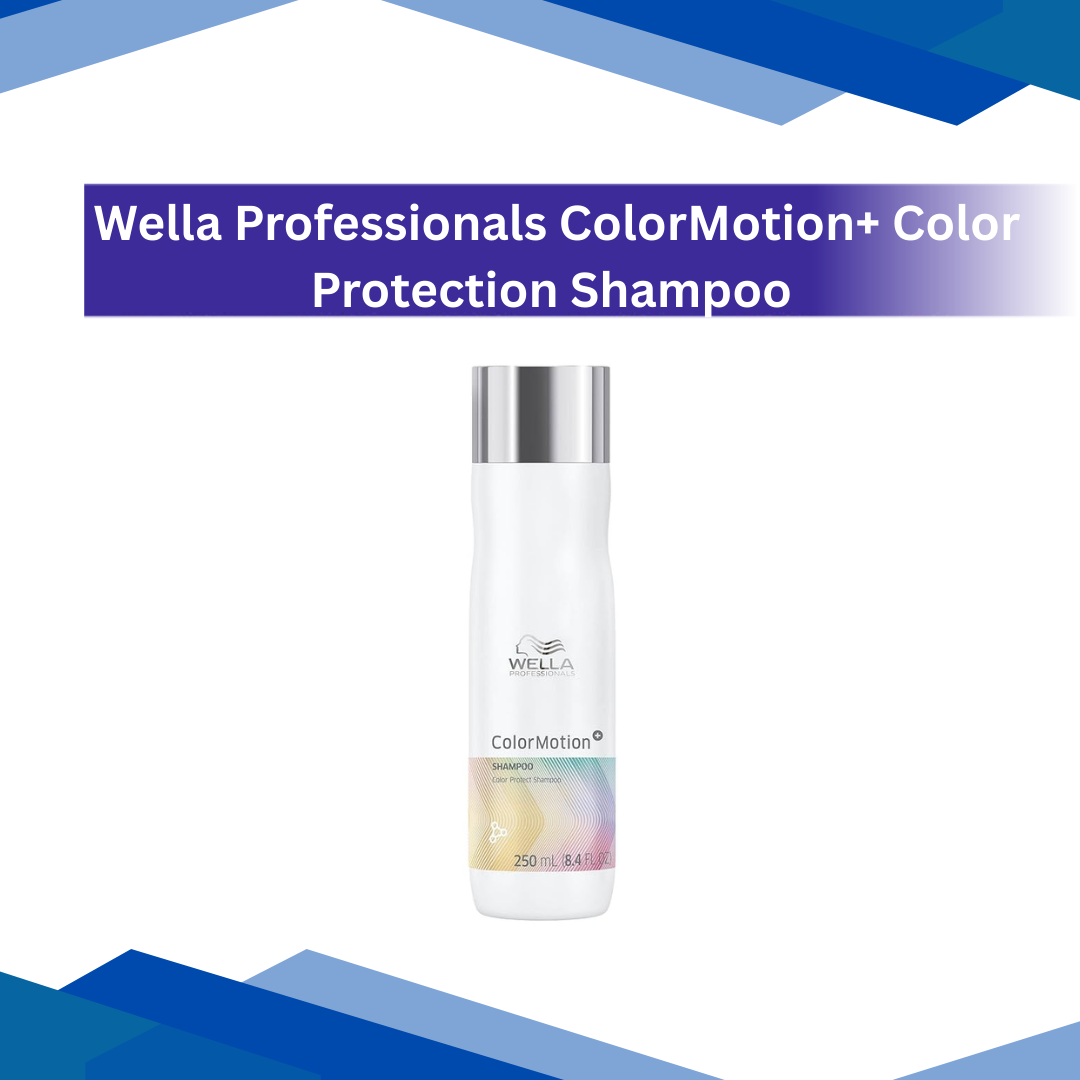
Wella Professionals ColorMotion + Color Protection Shampoo
Wella Professionals ColorMotion+ Color Protection Shampoo is a salon-grade shampoo specially formulated for color-treated hair. It helps preserve hair color for up to 8 weeks while strengthening hair from root to tip, adding vibrant shine, and protecting against environmental damage and harmful metals in water. Enriched with Tocopheryl Acetate (Vitamin E), Panthenol, Salicylic Acid, and Histidine, it nourishes the hair and scalp, reduces breakage, and maintains optimal scalp health. For more details kindly click on Medicine Salts below:
Histidine
L-Histidine 500 mg Capsule
Histidine is a semi-essential amino acid that serves as a fundamental building block of proteins in the human body. While adults usually produce adequate amounts, supplementation may be needed during periods of rapid growth, injury recovery, or specific metabolic demands.
It is also the direct precursor to histamine, an important compound involved in the immune response, digestion, and neurological function.
Key Benefits
Tissue Repair & Growth: Supports the maintenance and repair of tissues, including myelin sheaths that protect nerve cells.
Immune System Support: Helps regulate inflammation and supports the production of red and white blood cells.
Joint Health: May help manage symptoms of rheumatoid arthritis, where low histidine levels are often observed.
Digestive Health: Aids in the production of gastric juices, improving digestion and nutrient absorption.
Skin Protection: Helps produce urocanic acid, which provides a natural protective barrier against UV radiation.
How to Use
Standard Dosage: Typically 500 mg to 1000 mg daily for general wellness. Clinical doses should be determined by a healthcare provider.
Timing: Best taken on an empty stomach, ideally 30–60 minutes before meals.
Method: Swallow the capsule whole with a full glass of water.
Cycle: For use beyond 30 days, consider combining with an amino acid complex to maintain nutritional balance.
Important Safety Information
Mental Health Precaution: High doses are not recommended for individuals with schizophrenia, bipolar disorder, or severe anxiety, as it may affect neurotransmitter levels.
Pregnancy & Nursing: Limited data available—consult your obstetrician before use.
Liver & Kidney Health: Use with caution in individuals with renal or hepatic conditions. Medical supervision is advised to avoid metabolic strain.
Common Side Effects
Histidine is generally safe at recommended doses, but rare side effects may include:
Mild headache or dizziness
Nausea or stomach discomfort
Fatigue or drowsiness
Temporary metallic taste in the mouth
Frequently Asked Questions (FAQs)
Q: Is Histidine a drug or a supplement?
A: It is usually marketed as a nutritional supplement (nutraceutical). In clinical settings, L-Histidine Hydrochloride may be used in intravenous (IV) nutrition for critically ill patients.
Q: Can Histidine help with allergies?
A: It plays a role in immune function as a precursor to histamine. However, during active allergic reactions, consult a doctor before supplementation, as it may influence histamine levels.
Q: Does it interact with medications?
A: Yes. It may interfere with Levodopa (used in Parkinson’s disease) and may reduce the effectiveness of antihistamines. Always inform your doctor or pharmacist about all supplements you take.
Q: Can I get enough Histidine from diet alone?
A: Most people can obtain sufficient amounts from foods like meat, fish, dairy, soy, and beans. Supplements are typically used for deficiencies or increased physiological demands.
Q: How should I store this supplement?
A: Store in a cool, dry place away from direct sunlight. Keep the container tightly closed to prevent moisture exposure.
Panthenol
Salicylic Acid
Salacyclic Acid (Locally-Solution/ Ointment)
Beta-Hydroxy Acid (BHA) in widespread use, Salacyclic Acid is a potent skin remover. The acid traps moisture in the skin. It then breaks down the bond between skin cells. This shedding of dead skin cells helps clear the blackheads and congest the pores and also soften the thickened skin areas. It is also a good option for acne, psoriasis, and some wart or corn type of conditions.
Clinical Indications
Acne Control: Into pores filled with sebum, Salicylic acid can penetrate well and help remove rust about blackheads and whiteheads.
Exfoliation: Salicylic acid has a strong exfoliating action against hyperkeratotic skin problems like psoriasis and ichthyosis.
Wart and Corn Removing: A high-fatal attack of chemical peeling is the final chapter of stubborn warts, calluses, and corns.
Dandruff-on-Hold: Salicylic acid is many times used in medicated shampoos, introduced in their formulation to exfoliate scaly bits off the scalp.
Main Features of Manufacture
Lipophilic Nature: Because it can dissolve in oil, it works best in oily skin than many AHA's.
Anti-Inflammatory: Reduces the unpleasant redness and swelling of inflamed breakouts.
Dosage Forms Vary: Very often available in different strength levels (typically $0.5%$ to $2%$ for acne and up to $17%$ to $40%$ for warts).
Application Procedure
Preparation: Cleanse the affected area with a mild cleanser. Pat dry. Applying on damp skin may worsen irritation.
If the drugs' proponents prevail, only the spot and no more shall have it in the affected acne areas and only on the lesion in the warts sites to save unaffected skin.
Caution: Application should start at once a day or on alternate days until your skin adjusts. You can increase gradually as needed per the advice by your dermatologist.
Sun Protection: Sun sensitivity could amplify with salicylic acid. Be sure to put it on every night.ialis wide-spectrum dressing of SPF 30 or higher through the day.
Safety & Side Effects
Though highly efficacious, some users may encounter:
Mild burning or stinging upon application.
Skin peeling or localized redness.
Excessive dryness (mitigated by applying a non-comedogenic moisturizer).
Warning: Head right to the hospital should you ever feel unusually dizzy, that is accompanied by hearing a ringing in the ears (tinnitus) or very rapid breathing. Such signs might insinuate or herald the onset of salicylate poisoning.
Precaution
Aspirin Allergy: If one is allergic to aspirin (salicylates), one must abstain from using this product.
Children and Teens: Never apply it on more extensive areas over small children, and in infected conditions like viral infections (such as chickenpox). Risk of Reye's syndrome has been postulated.
Sensitive Areas: Keep so as not to find its way to eyes, nostrils, mouth, and broken or infected skin.
Frequently Asked Questions (FAQs)
Q: Can I use Salicylic Acid and Retinol together?
Using both simultaneously can lead to extreme irritation and a compromised skin barrier. It is best to use them at different times—for example, Salicylic Acid in the morning, Retinol at night—the one after the other, or on alternate days.
Q: How long does it take to see results for acne?
You may notice a reduction in oiliness within a few days, but significant clearance of blackheads and acne usually takes 4 to 6 weeks of consistent application.
Q: Is Salicylic Acid safe for all skin types?
For oily skin and acne bouts it's heaven-sent. However, it can be used cautiously in more worsened dry and highly sensitive skins or with a lower concentration ($0.5%$) to prevent over-drying.
Q: Does Salicylic Acid remove dark spots?
Using Salicylic Acid may speed up cell turnover to hasten the fading of post-inflammatory hyperpigmentation (acne marks) in due course. Often Vitamin C and Niacinamide are combined in the product for a better brightening effect.
Q: What should I do if my skin starts peeling excessively?
It indicates a problem when the skin starts to peel too much. Now, take it slow by using this every other day or so, and concentrate on hydrating your skin with moisturizers rich in hyaluronic acid or ceramides. If irritation lingers, see a doctor.
Storage
Keep it in a cool, dry place away from direct heat and light resources; always keep the cap tight whenever not using it.
Important: It is important to mention that all this content is provided for information only. It is not a source for medical advice. Always consult a professional dermatologist before you begin a chemical exfoliation routine.
Tocopheryl Acetate
Tocopheryl Acetate is a shield that protects your cells
Tocopheryl Acetate is much more than just a skincare ingredient adapted so the Vitamin E is stable and active. Being a fat-soluble antioxidant, it is one of the cornerstones in neutralizing free radicals; agitating molecules that destroy cells through oxidative stress. Whether you want to restore the vigor of your skin, enhance the immune system, or support muscle recovery after working out, Tocopheryl Acetate is an attitude-filled juggernaut for all of your daily wellness routines.
Key Benefits & Uses
Antioxidative Support: It safeguards the cell membranes against UV-induced pollution and damage.
Skin & Hair Vitality: It is many a time a distinguisher in supplements such as Evion to manage hyperpigmentation, improve skin texture, and ensure a healthy scalp for enhanced hair growth.
Muscle Recovery: It is administered by athletes to lessen inflammation and work weaning effects in muscle tissues post hard physical work.
Immunity Booster: This natural compound strengthens the body's native defense against infections.
Product Specifications & Usage
Feature — Details
Chemical Name: Alpha-tocopheryl acetate
Commonly Known As: Vitamin E Acetate
Recommended Dosage: Usually, 1 capsule is taken daily after meal, or as directed by your physician.
Storage: Keep in cool, dry places, away from direct sunlight.
Pro-Tip: Since Tocopheryl Acetate is fat-soluble, it is ideal to take it together with a meal also containing healthy fats (such as avocado or nuts), which will optimize absorption within your body.
Safety Information & Precautions
No wonder it has turned out to become one of medicine's godsends. Although generally safe for most adults, high doses of it should be taken with caution.
Consult Your Doctor: For special consultation of this high-Vitamin E Acetate potency if you are pregnant, lactating, or under medication/surgical operation.
Security Alert: Let your doctor know if you are on any kind of blood-thinning medicines (like Warfarin) because Vitamin E can pose bleeding risks.
Side Effects: Rare cases also result in mild symptoms like nausea, fatigue, or headache and if you get any rash, stop the intake immediately.
Frequently Asked Questions (FAQs)
1. What is the difference between Tocopherol and Tocopheryl Acetate?
Pure undiluted Tocopherol is a highly active type of Vitamin E that quickly degrades with exposure to light and air. In contrast, Tocopheryl Acetate is an esterified version that affords it with greater stability, hence it possesses a longer shelf life. It is broken down into active Vitamin E during its absorption by your body.
2. Can I apply the liquid from the capsule directly to my face?
Yes, many people use it topically for its moisturizing and healing properties, but it is very thick. It’s often best to patch-test a small area first or mix it with a carrier oil to prevent clogged pores or irritation.
3. Is it safe to take every day?
For most people, a daily dose within the Recommended Dietary Allowance (RDA) is perfectly safe and beneficial. However, chronic high-dose supplementation (above 1000 mg) is not advised unless specifically directed by a medical professional.
4. Does it help with scars and stretch marks?
Tocopheryl Acetate is extensively used for promoting the skin-regeneration process. It will not make scars completely disappear, but the ointment's moisturizing and anti-inflammatory properties effectively work to ameliorate the overall look and elasticity of the skin over time.
At Gem Pharmacy, we make every effort to provide accurate, expert-written, and thoroughly reviewed information related to medicines. However, this information should not be considered a substitute for professional medical advice, diagnosis, or treatment from a qualified doctor.
The purpose of this information is to educate users and improve communication between patients and healthcare professionals. It should not be used to diagnose or treat any condition.
Always consult a certified healthcare professional before taking any medication.


Related products