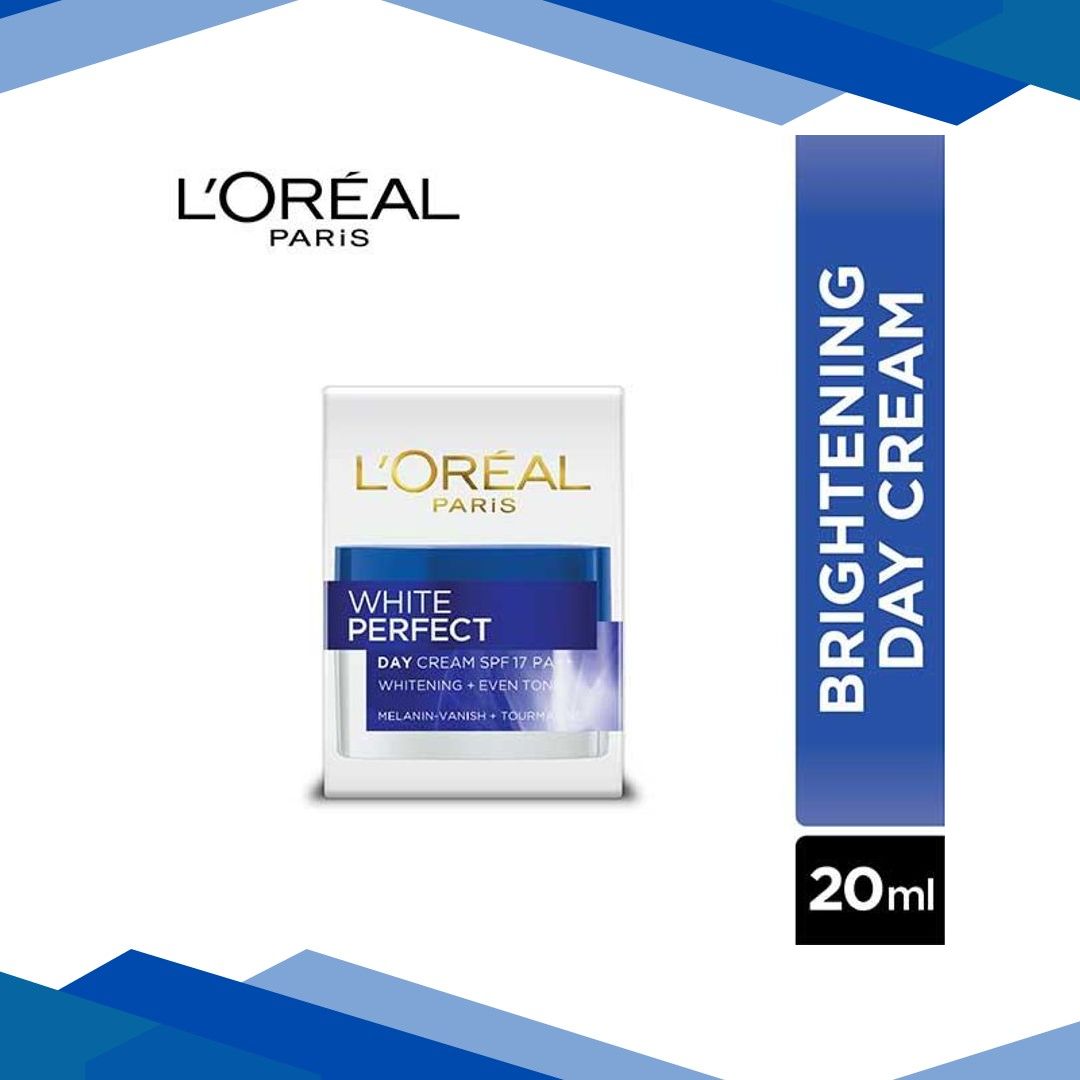
White Perfect Day Cream SPF 17 PA++ 200 ml
❌ Due to high demand, this product is currently out of stock. New stock will be available shortly.
👉 Click here to Buy Same Salt medicine
White Perfect Day Cream SPF 17 PA++ 200 is a skin-lightening and resurfacing combination used to help improve dark spots and uneven skin tone. It works by reducing excess melanin production, which helps fade pigmentation such as melasma, acne marks, age spots, and sun-induced dark patches. Glycolic acid and lactic acid gently exfoliate the skin, helping remove dead skin cells and improve skin texture, while hydroquinone and kojic acid target the causes of hyperpigmentation. Sodium hyaluronate helps keep the skin hydrated and may reduce dryness or irritation caused by the active ingredients. This medicine is usually used under medical guidance as part of a skincare treatment plan for pigment-related concerns.
Description
White Perfect Day Cream SPF 17 PA++ 200 is a topical skin-lightening and resurfacing combination commonly used to help improve uneven skin tone, dark spots, and certain forms of hyperpigmentation. it is designed to work on multiple aspects of discoloration at once: some ingredients help reduce the formation of excess pigment, while others gently remove dead skin cells from the skin’s surface so that a more even-looking complexion can emerge over time. because it combines several active ingredients, it is generally intended for targeted use on affected areas rather than as a routine full-face moisturizer.
this medicine is most often used for conditions such as melasma, post-inflammatory hyperpigmentation, and other localized dark patches caused by sun exposure, acne marks, friction, or hormonal changes. hydroquinone and kojic acid are known for their pigment-reducing effects, while glycolic acid and lactic acid act as alpha hydroxy acids that promote exfoliation and skin renewal. sodium hyaluronate helps support hydration, which may improve tolerability and reduce excessive dryness commonly seen with exfoliating products. when used correctly, the combination may gradually improve the appearance of pigmentation, but results usually take time and depend heavily on regular use and strict sun protection.
because this product contains active acids and skin-lightening agents, it can cause irritation, redness, peeling, or temporary sensitivity, especially during the first few weeks of use or if the skin barrier is already compromised. it is important to understand that this is not a cosmetic whitening cream meant for indiscriminate use on normal skin; it is a dermatologic treatment for pigment-related concerns. people with sensitive skin, eczema, broken skin, or a history of irritation from acids should use it only under medical guidance. a healthcare professional can help determine whether this combination is appropriate, how long it should be used, and how to minimize side effects.
ingredients
- glycolic acid: glycolic acid is an alpha hydroxy acid derived from sugar cane and is one of the smallest ahas, which allows it to penetrate the skin efficiently. it helps loosen the bonds between dead skin cells on the outer layer of skin, promoting exfoliation and surface renewal. in hyperpigmentation, this may improve the appearance of dark marks by encouraging faster turnover of pigmented surface cells and allowing other brightening ingredients to work more effectively.
- hydroquinone: hydroquinone is a well-known depigmenting agent used to treat excess pigmentation. it works by reducing melanin production in the skin, which can help fade dark patches over time. it is commonly used for melasma, freckles, and post-inflammatory hyperpigmentation, but it must be used carefully because prolonged or improper use may cause irritation or uncommon but serious pigment changes in the skin.
- kojic acid: kojic acid is a skin-lightening ingredient that helps inhibit enzymes involved in melanin formation. it is often included to support the reduction of dark spots and improve overall skin tone. kojic acid may also complement hydroquinone by targeting pigmentation through a different pathway, though it may cause sensitivity or contact dermatitis in some individuals.
- lactic acid: lactic acid is another alpha hydroxy acid that gently exfoliates the skin while also helping retain moisture. compared with some other exfoliating acids, it may be somewhat milder and can improve skin smoothness, brightness, and texture. in combination products, it helps remove dull, dead skin cells so that discoloration appears less noticeable and active ingredients penetrate better.
- sodium hyaluronate: sodium hyaluronate is a salt form of hyaluronic acid that acts as a humectant, meaning it attracts and holds water in the skin. its main role in this combination is to support hydration, reduce dryness, and improve skin comfort while the stronger active ingredients do their work. this can be especially helpful because hydroquinone and acids may otherwise leave the skin feeling tight, flaky, or irritated.
key uses
- melasma: this combination is commonly used for melasma, a chronic condition characterized by brown or gray-brown facial patches often triggered by hormones and sun exposure. the ingredients work together to reduce excess pigment and improve the visible contrast of the patches.
- post-inflammatory hyperpigmentation: it may be used for dark marks left behind after acne, eczema, cuts, or other skin inflammation. by accelerating cell turnover and limiting pigment production, it can help these marks fade more gradually.
- sun-induced dark spots and uneven skin tone: localized hyperpigmentation from repeated sun exposure may improve with treatment, especially when paired with diligent sunscreen use. the formula helps smooth and brighten areas where pigment has accumulated.
- generalized patchy discoloration: in selected cases, dermatologists may recommend it for other localized pigmentation disorders when exfoliation and pigment suppression are both needed. the response varies depending on the cause and depth of pigment.
- improving skin texture along with pigmentation: because glycolic acid and lactic acid exfoliate the skin, this product may also make rough or dull-looking skin appear smoother and fresher. this benefit is secondary to the main pigment-correcting effect.
how to use
this product is generally applied only to clean, dry, affected skin in a thin layer, following the directions provided by a healthcare professional or the product label. it is usually used at night because the exfoliating ingredients can make the skin more sensitive to sunlight. before applying, the skin should be washed with a gentle cleanser and patted dry. a small amount is typically enough to cover the targeted area, and it should be spread evenly without rubbing aggressively. avoid applying it to broken, irritated, sunburned, or freshly shaved skin unless specifically directed by a clinician.
because this combination can be irritating, it is often recommended to start cautiously and observe how the skin responds. some people may be instructed to use it less frequently at first and then increase use based on tolerance. during treatment, daily sunscreen use is essential, since uv exposure can worsen pigmentation and also increase the risk of irritation from the acids. it is also important to avoid using additional strong exfoliants, harsh scrubs, or other potentially irritating skin-lightening products unless a dermatologist approves them. if the skin becomes very red, swollen, blistered, or painful, the product should be stopped and medical advice sought promptly.
safety information
- warnings: this medicine can irritate the skin, especially in people with sensitive skin or when used too often. sun exposure can reduce its effectiveness and increase the risk of side effects, so broad-spectrum sunscreen and protective clothing are important. do not apply near the eyes, inside the nose, on lips, or on mucous membranes. long-term or unsupervised use of hydroquinone-containing products should be avoided because of the risk of excessive irritation and rare pigment complications.
- side effects: common side effects include mild burning, stinging, itching, dryness, redness, peeling, and temporary lightening or darkening around the treated area. more serious effects may include severe irritation, swelling, rash, blistering, skin cracking, or persistent discoloration. rarely, prolonged hydroquinone exposure can be associated with ochronosis, a blue-black or gray-brown darkening of the skin that may be difficult to reverse.
- precautions: people with eczema, rosacea, very sensitive skin, active dermatitis, or recent skin procedures may be more likely to experience irritation and should use it only with medical guidance. avoid use on open wounds, sunburn, or inflamed acne lesions unless advised by a clinician. if you have a history of allergic reactions to alpha hydroxy acids, hydroquinone, or kojic acid, inform your healthcare provider before use.
- pregnancy/breastfeeding: safety data are limited for combination topical products containing hydroquinone and strong acids during pregnancy and breastfeeding. use should be discussed with a healthcare professional before starting, especially if the treatment area is large or if prolonged use is expected. in general, only clearly necessary topical treatments should be used during these periods under medical advice.
- interactions: using this product together with other exfoliating agents, retinoids, benzoyl peroxide, alcohol-based toners, harsh cleansers, or abrasive scrubs may increase irritation. some skin procedures such as chemical peels, laser treatments, waxing, or microneedling may also make the skin more reactive, so timing should be discussed with a dermatologist. alcohol consumption does not usually cause a direct drug interaction for a topical product, but heavy alcohol use may worsen skin dryness or compliance with treatment routines.
additional information
- storage: store at room temperature in a tightly closed container, away from excess heat, moisture, and direct sunlight. do not freeze unless the label specifically allows it. keep out of reach of children and pets.
- missed dose: if a dose is missed, apply it when remembered if it is not close to the next scheduled application. if it is almost time for the next use, skip the missed dose and continue the regular schedule. do not apply extra product to make up for a missed application.
- overdose: overuse on the skin may lead to marked burning, redness, peeling, or irritation rather than a life-threatening overdose. if too much is applied, gently wash the area with mild cleanser and water and seek medical advice if symptoms are severe or persistent. if the product is accidentally swallowed, contact poison control or emergency services promptly.
- habit forming: no. this medicine is not habit forming and does not cause dependence. however, some people may continue using it longer than recommended because of cosmetic concerns, which is why follow-up with a healthcare professional is important.
frequently asked questions
Q: what is White Perfect Day Cream SPF 17 PA++ 200 used for?
A: it is mainly used to treat localized hyperpigmentation such as melasma, dark acne marks, and other uneven skin tones. it combines pigment-reducing ingredients with exfoliating acids to help fade discoloration gradually.
Q: how long does it take to see results?
A: results are usually gradual and may take several weeks to a few months depending on the cause and depth of pigmentation, skin type, and regular sun protection. improvement is often slower if sunlight exposure continues.
Q: can i use it during the day?
A: it is generally better suited for nighttime use because the acids can make skin more sensitive to sunlight. if a clinician advises daytime use, consistent sunscreen and sun protection are essential.
Q: should i apply moisturizer with it?
A: yes, many people benefit from a gentle non-irritating moisturizer, especially if dryness or peeling occurs. however, avoid layering with harsh or active products unless a healthcare professional approves.
Q: can it be used on acne-prone skin?
A: it may be used for acne marks or post-inflammatory pigmentation, but it is not an acne treatment itself. if active acne is severe or inflamed, a healthcare professional should guide the choice of therapy.
Q: what if my skin becomes irritated?
A: mild dryness or stinging can happen, but significant redness, swelling, or burning means the product may be too strong for your skin. stop using it and consult a healthcare professional if symptoms are severe or do not improve.
Q: can i use this with retinol or other acids?
A: combining it with retinoids or additional acids can greatly increase irritation and peeling. such combinations should only be used if a dermatologist specifically recommends them and provides a safe routine.
Q: is sunscreen really necessary with this medicine?
A: yes. sun exposure can worsen pigmentation and make treatment less effective. daily broad-spectrum sunscreen is one of the most important parts of successful use.
Q: can this medicine lighten normal skin?
A: it is intended to treat abnormal pigmentation, not to lighten healthy skin indiscriminately. using it on normal skin without medical need can increase the risk of irritation and uneven color changes.
Q: is hydroquinone safe for long-term use?
A: hydroquinone is effective when used appropriately, but long-term unsupervised use is not recommended. a healthcare professional may limit duration to reduce the risk of irritation and rare pigment complications such as ochronosis.
this information is for educational purposes only and should not be considered medical advice. always consult a qualified healthcare professional before use.
At Gem Pharmacy, we make every effort to provide accurate, expert-written, and thoroughly reviewed information related to medicines. However, this information should not be considered a substitute for professional medical advice, diagnosis, or treatment from a qualified doctor.
The purpose of this information is to educate users and improve communication between patients and healthcare professionals. It should not be used to diagnose or treat any condition.
Always consult a certified healthcare professional before taking any medication.


Related products
Pond’s Super Light Gel Oil-Free Moisturize with Hydra Miracle – 100 ml
Lambre COLOSTRUM FACE Face Treatment 50ml
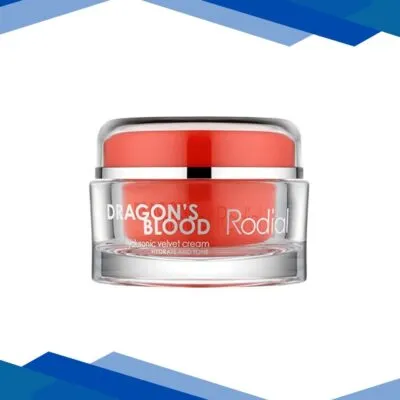
Rodial Dragon’s Blood Hyaluronic Velvet Cream-Glow, Plump & Hydrate with Hyaluronic Acid & Squalane 50 ml