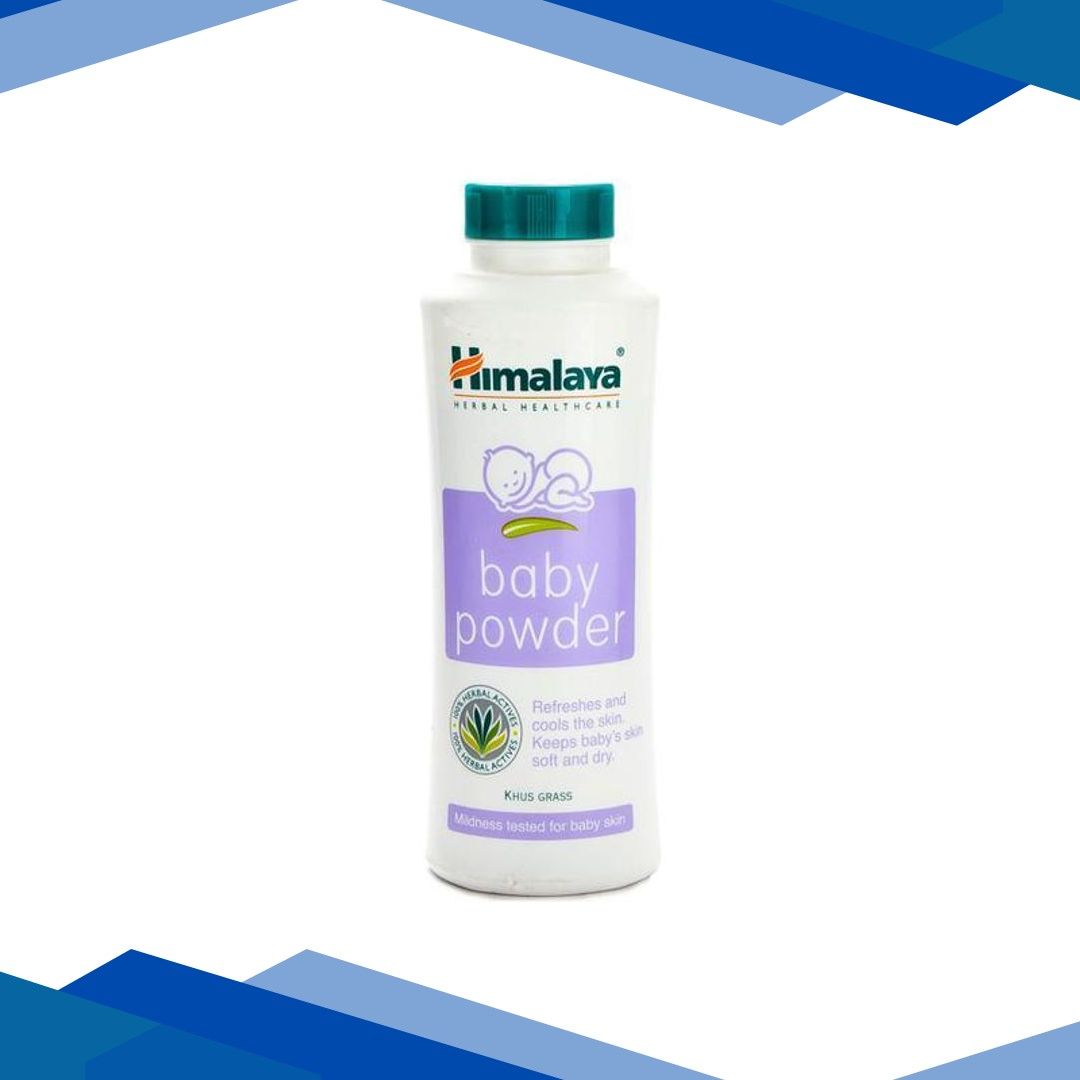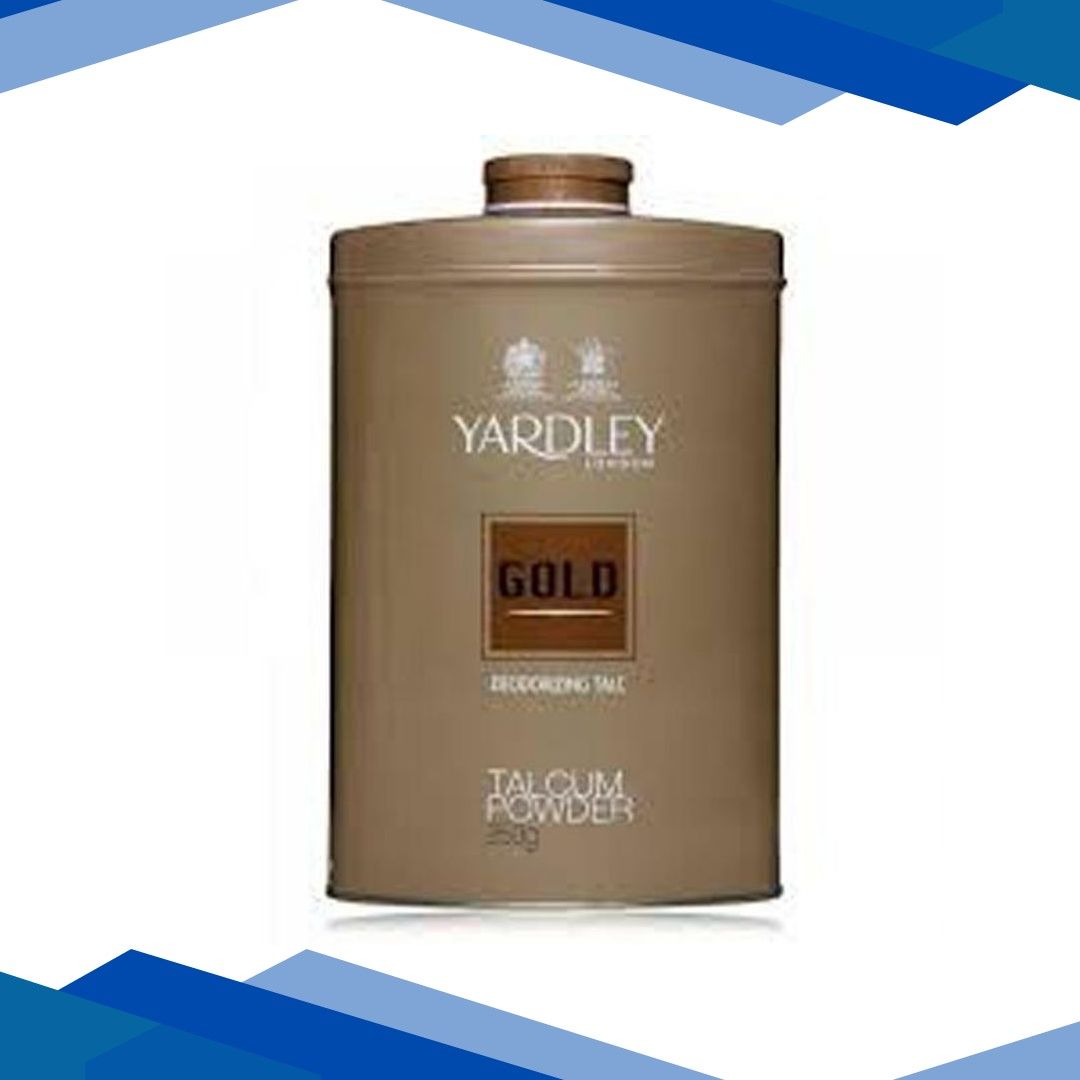
Yardley Gold Talc 250 gm
❌ Due to high demand, this product is currently out of stock. New stock will be available shortly.
👉 Click here to Buy Same Salt medicine
Yardley Gold Talc 250 is a lipid-based medicine used to provide nourishing fats and support the body’s energy needs, especially when normal eating is not enough or when nutrition must be given through medical care. Soybean oil and egg yolk phospholipids help supply essential fatty acids and serve as important components for healthy cell membranes, while glycerin acts as a source of energy and helps maintain fluid balance in the formulation. This medicine is commonly used in nutritional support, including intravenous nutrition, to help patients who are unable to eat adequately, are recovering from illness or surgery, or need extra nutritional support under medical supervision. It is generally used as part of a broader treatment plan prescribed by a healthcare professional.
Description
Yardley Gold Talc 250 is a lipid-based medicinal product commonly used as part of parenteral nutrition, meaning it is administered through a vein when a person cannot eat or absorb enough nutrition through the gastrointestinal tract. it is designed to provide a source of calories, essential fatty acids, and structural lipids that help support normal body functions during periods of severe illness, recovery, surgery, trauma, or prolonged inability to take food by mouth. because it contains a combination of soybean oil and egg yolk phospholipids, it helps supply the body with fat energy and supports the formation of cell membranes. glycerin contributes to the formulation as a component that helps with the physical stability and tonicity of the emulsion, depending on the product design.
this medicine is not meant to replace a normal diet in healthy people. instead, it is used in medically supervised settings for patients who need intravenous nutrition support. when the body does not receive enough fat, it may develop essential fatty acid deficiency, impaired wound healing, skin changes, poor growth in children, and weakened immune and cellular function. by providing a carefully prepared fat emulsion, this product helps reduce the risk of deficiency and supports overall nutritional balance when oral or tube feeding is not possible or not sufficient.
the mechanism of action is mainly nutritional rather than pharmacologic. the lipid particles in the emulsion are broken down and metabolized by the body, primarily in the bloodstream and liver, to provide energy. fatty acids from soybean oil are especially important because they include linoleic acid and other essential fatty acids the human body cannot make on its own. egg yolk phospholipids act as emulsifiers that stabilize the formulation and also contribute phospholipid components that are naturally present in human cell membranes. glycerin helps maintain the product’s formulation and can also contribute a small amount of energy depending on the preparation.
this product is typically used in hospitals or clinical nutrition programs under the supervision of physicians, pharmacists, and dietitians. it is intended for patients who are critically ill, recovering from major surgery, have bowel dysfunction, short bowel syndrome, severe malabsorption, or other conditions where conventional feeding is not adequate. because it is administered intravenously, careful monitoring is important to reduce the risk of infections, lipid overload, metabolic problems, and reactions to the components, especially in people with egg, soybean, or related allergies.
ingredients
- soybean oil: this is the main fat source in the emulsion and provides calories as well as essential fatty acids, especially linoleic acid. it helps prevent or treat essential fatty acid deficiency and supports normal cell membrane function, skin health, and energy needs when the body cannot obtain adequate fat from food.
- egg yolk phospholipids: these are lipid molecules that act as emulsifying agents, helping keep the oil and water components evenly mixed in the injectable formulation. they also provide phospholipid building blocks that are important for cell membranes and normal physiological function.
- glycerin: glycerin helps adjust the physical properties of the formulation and may contribute to the osmolality and stability of the emulsion. in some preparations, it also provides a small amount of caloric value, supporting the overall nutritional profile of the product.
key uses
- parenteral nutritional support: used when a patient cannot eat, cannot absorb enough nutrients, or requires complete intravenous nutrition. it provides fat calories and essential fatty acids as part of total parenteral nutrition or supplementary nutrition.
- prevention and treatment of essential fatty acid deficiency: helps avoid deficiency states that may cause dry skin, poor wound healing, hair changes, impaired growth, and immune dysfunction, especially during prolonged nutrition support.
- nutritional support in severe illness or recovery: may be used in hospitalized patients after surgery, trauma, or critical illness when normal eating is interrupted and nutritional requirements are increased.
- support for patients with gastrointestinal failure: used in conditions such as bowel obstruction, severe malabsorption, short bowel syndrome, or intestinal rest when enteral feeding is not possible or not enough.
- support in pediatric and adult patients needing intravenous calories: can be part of carefully monitored nutrition plans for both children and adults who need additional fat-based energy and micronutrient support through an iv line.
how to use
this medicine is given only by a healthcare professional, usually through a central or peripheral intravenous line, depending on the patient’s condition and the formulation used. it is not taken by mouth and should never be self-administered unless specifically trained and instructed by a medical team. the exact rate, duration, and frequency are determined by the patient’s age, body size, nutritional needs, laboratory values, and overall medical condition.
it is generally infused slowly under close supervision to reduce the risk of adverse reactions and to allow the body to metabolize the lipids safely. healthcare professionals monitor for signs of intolerance, such as fever, chills, breathing difficulty, rash, abnormal blood fats, or changes in liver function. blood tests may be checked periodically to assess triglyceride levels, liver enzymes, blood sugar, electrolytes, and signs of infection or metabolic imbalance.
do not shake or alter the product unless instructed by a pharmacist or clinician, as incorrect handling can affect the stability of the emulsion. the product is usually used as part of a larger nutritional regimen and may be combined with amino acids, dextrose, vitamins, and trace elements. because it is a medical nutrition product rather than a simple supplement, administration should always be guided by a qualified healthcare professional.
safety information
- warnings: this medicine must be used cautiously in patients with allergies to soybean, egg, or any component of the formulation. it should be used with monitoring in people with high triglycerides, liver disease, sepsis, metabolic instability, or disorders of fat metabolism. rapid infusion or excessive lipid administration may increase the risk of serious complications, including fat overload syndrome. signs such as shortness of breath, chest tightness, flushing, fever, chills, or severe weakness require immediate medical attention.
- side effects: common side effects may include mild nausea, headache, temporary fever, fatigue, injection site discomfort, or increased blood triglycerides. more serious reactions can include allergic reactions, rash, itching, wheezing, difficulty breathing, lipid overload, pancreatitis, liver dysfunction, or abnormalities in coagulation. in rare cases, severe hypersensitivity or anaphylaxis may occur and needs urgent treatment.
- precautions: use cautiously in patients with liver impairment, uncontrolled diabetes, pancreatitis, severe hyperlipidemia, bleeding disorders, or severe infection. patients with impaired fat clearance may need dose adjustment or closer monitoring. it may not be appropriate in people who cannot metabolize fat properly or who have documented hypersensitivity to the ingredients.
- pregnancy/breastfeeding: when nutritional support is medically necessary, this product may be used during pregnancy or breastfeeding under professional supervision. the potential benefits must outweigh the risks, and the healthcare team should ensure the formulation and administration are appropriate for the mother’s condition. self-use is not appropriate.
- interactions: because this product is given intravenously and often as part of total parenteral nutrition, interactions can occur with other iv medications, blood products, or nutrition components. some drugs may affect lipid clearance or liver function. alcohol is generally not recommended in patients receiving parenteral nutrition, as it can worsen liver stress and nutritional instability. always inform the healthcare team about all medicines, supplements, and infusions being used.
additional information
- storage: store according to the manufacturer’s instructions, usually in a cool place protected from excessive heat, freezing, and direct light. do not use if the emulsion appears separated, discolored, or otherwise abnormal. once opened or mixed, it should be used within the recommended time frame set by the healthcare facility or product labeling.
- missed dose: if a scheduled infusion is missed, do not attempt to restart or compensate on your own. the healthcare team will decide whether the dose should be given later, adjusted, or omitted based on the patient’s current condition and nutritional plan.
- overdose: overdose or excessive infusion can lead to elevated triglycerides, breathing difficulty, fever, liver strain, fat overload syndrome, and worsening metabolic imbalance. if overdose is suspected, the infusion should be stopped and urgent medical evaluation is needed. supportive treatment and laboratory monitoring may be required.
- habit forming: no. this medicine is not habit forming or addictive. it is a nutritional support product used for medical indications and does not cause dependence.
frequently asked questions
Q: what is Yardley Gold Talc 250 used for?
A: it is mainly used as an intravenous lipid emulsion for patients who need parenteral nutrition. it provides calories and essential fatty acids when eating normally is not possible or not enough.
Q: can this medicine be taken by mouth?
A: no. this product is meant for intravenous use only and should be administered by trained healthcare professionals. it is not intended for oral use.
Q: why are soybean oil and egg yolk phospholipids included together?
A: soybean oil provides the fat calories and essential fatty acids, while egg yolk phospholipids help stabilize the emulsion and support the proper formulation of the injectable product.
Q: who should be careful before using this medicine?
A: people with allergies to soybean or egg, high triglycerides, liver disease, pancreatitis, severe infection, or abnormal fat metabolism should use it only under close medical supervision.
Q: what side effects should be watched for during infusion?
A: watch for rash, itching, fever, chills, breathing difficulty, nausea, headache, or unusual weakness. serious symptoms such as wheezing or severe allergic reactions need immediate medical attention.
Q: does this medicine replace a normal diet?
A: no. it is a specialized nutritional support product used when normal eating or tube feeding is not sufficient. it is often part of a broader parenteral nutrition plan.
Q: can it affect blood tests?
A: yes. it may affect triglycerides, liver enzymes, and other metabolic laboratory values, so regular monitoring is often required during treatment.
Q: is it safe in pregnancy?
A: it may be used if medically necessary under professional supervision. the healthcare provider will decide whether the benefits outweigh the risks in each individual case.
Q: what should i do if an allergic reaction happens?
A: stop the infusion if instructed by medical staff and seek urgent medical help immediately. severe allergy symptoms such as difficulty breathing or swelling require emergency care.
Q: how is this medicine usually given?
A: it is infused slowly into a vein by trained healthcare professionals, often in a hospital or clinical setting, with monitoring of vital signs and laboratory tests.
Q: can it be used in children?
A: yes, it may be used in pediatric patients who require intravenous nutritional support, but dosing and monitoring are carefully individualized by specialists.
Q: what happens if too much is given?
A: too much lipid can cause high blood fats, liver strain, and fat overload syndrome. medical attention is needed if overdose is suspected.
Q: does this product contain allergens?
A: it may contain components derived from soybean and egg, so it should be avoided or used with extreme caution in people with relevant allergies.
Q: can alcohol interfere with treatment?
A: alcohol is generally not advised during parenteral nutrition because it can worsen liver stress and make nutritional management more difficult.
Q: should the emulsion look normal before use?
A: yes. the product should appear uniform and properly mixed according to labeling. if it looks separated, clumped, or unusual, it should not be used.
this information is for educational purposes only and should not be considered medical advice. always consult a qualified healthcare professional before use.
At Gem Pharmacy, we make every effort to provide accurate, expert-written, and thoroughly reviewed information related to medicines. However, this information should not be considered a substitute for professional medical advice, diagnosis, or treatment from a qualified doctor.
The purpose of this information is to educate users and improve communication between patients and healthcare professionals. It should not be used to diagnose or treat any condition.
Always consult a certified healthcare professional before taking any medication.


Related products
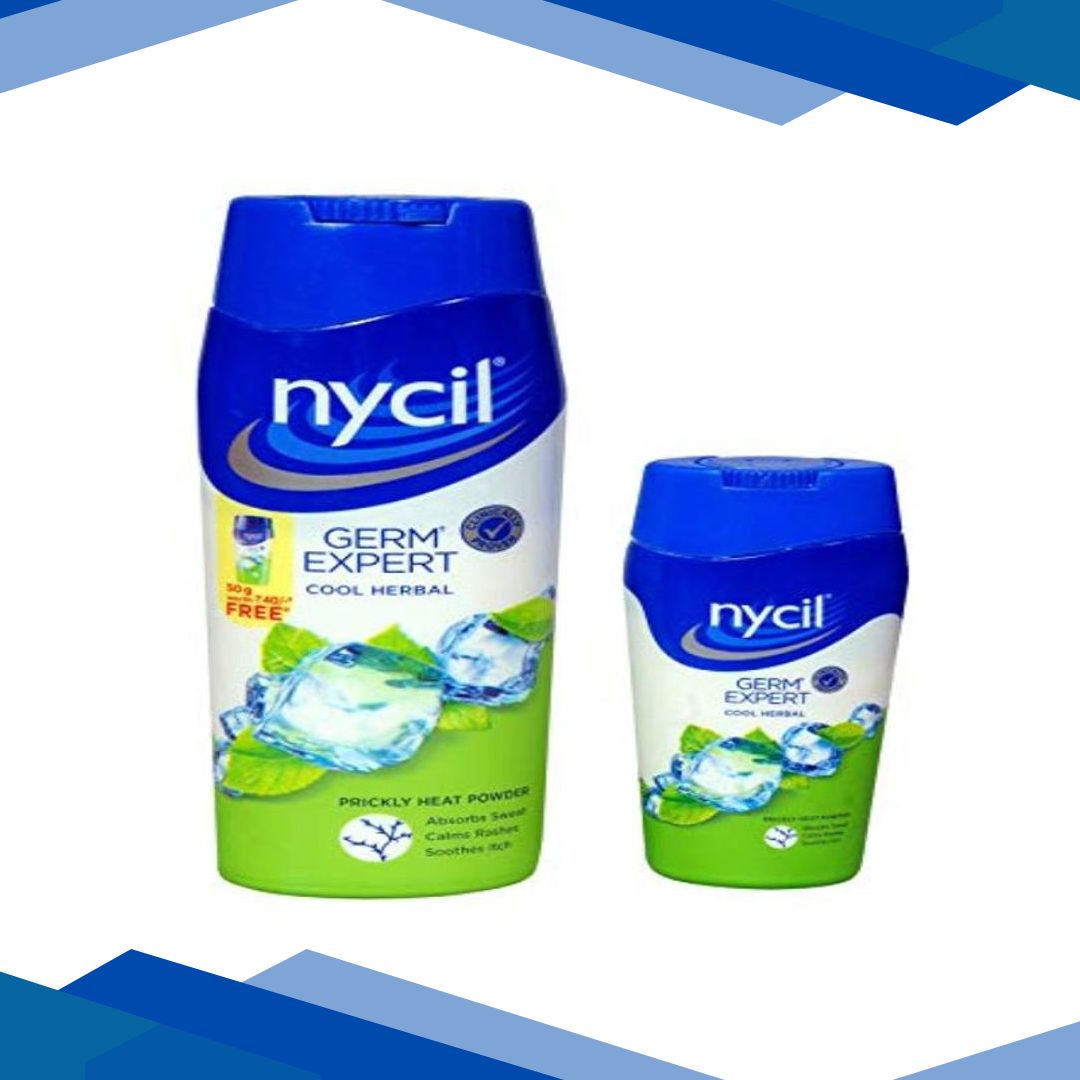
Nycil Cool Herbal Powder 150 gm ( With Free 50 gm )
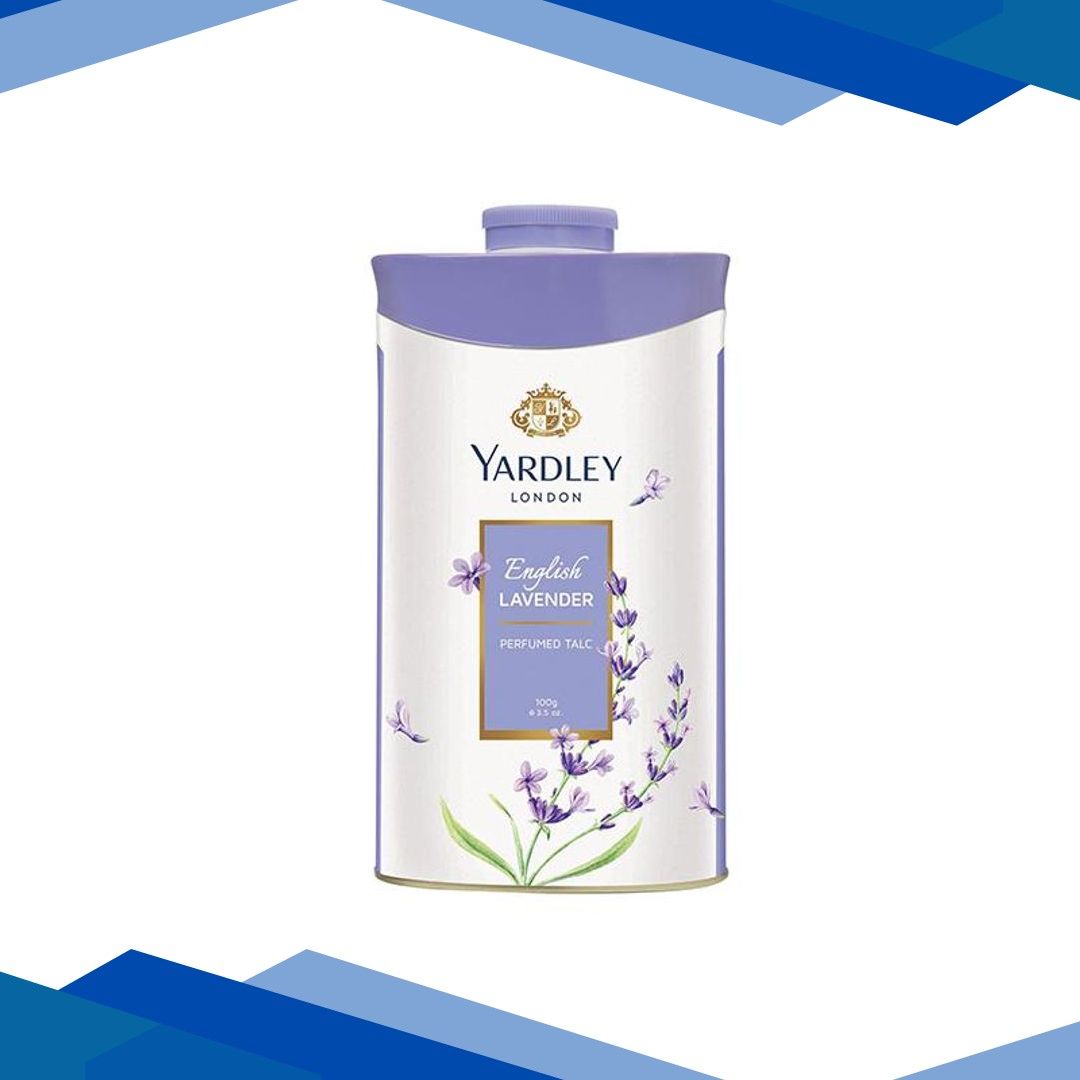
Yardley London Perfumed Talcum Powder – English Lavender 100 gm
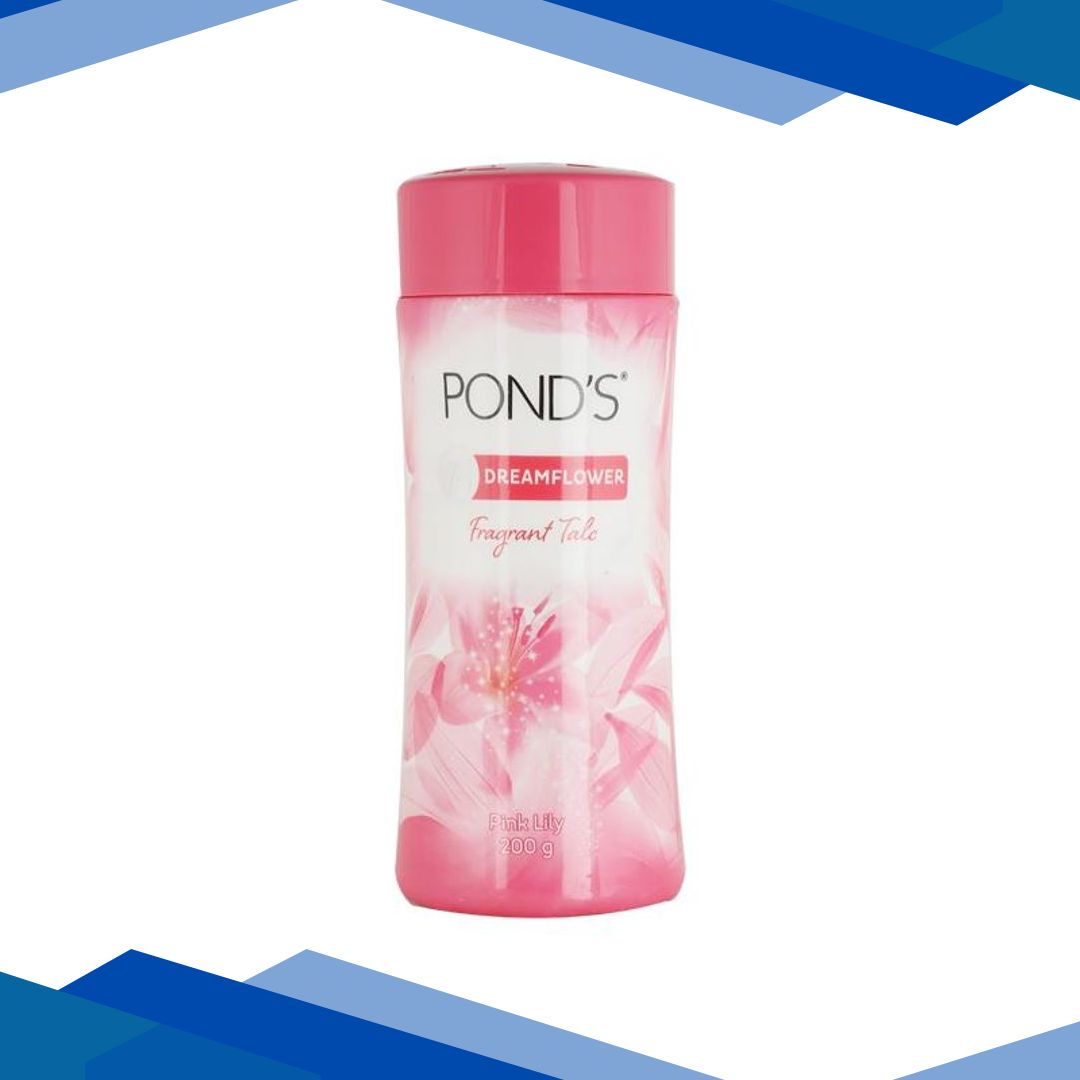
Pond’s Dreamflower Fragrant Talc 200 gm