


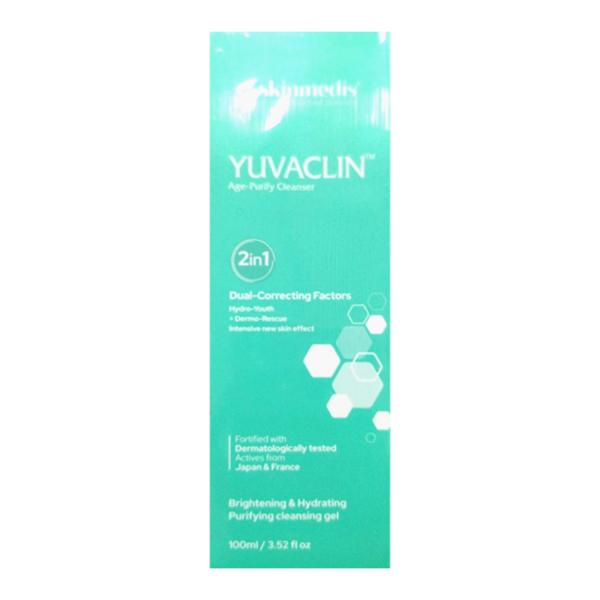
YUVACLIN AGE PURIFY Cleanser 100ml
No Prescription yet? Don’t worry! Click Here to Get Online Consultation
Almagate + Simethicone is a combination medicine commonly used to relieve acidity, heartburn, gas, and indigestion. Almagate works as an antacid that neutralizes excess stomach acid, while Simethicone helps break down gas bubbles in the stomach and intestines, reducing bloating and discomfort. It provides quick relief from symptoms associated with acid reflux and gastric irritation.
D Panthenol
D-Panthenol: The All-Inclusive Body Hydrator and Skin Regenerator
D-Panthenol is the alcohol analog to Pantothenic Acid, or Vitamin B5. A supercharged ingredient is used in pharmaceuticals or cosmetics, with an emphasis on humectant properties and a restorative function toward deep-tissue repairs. D-Panthenol would have been an acknowledgment of enhanced ability for maintaining dry, irritated, or damaged skin and hair.
Key Therapeutic Benefits
- Quick Wound Healing: It works wonders on rejuvenation, a.k.a. "epithelialization," for the damaged skin—needful for treating minor burns and cuts and hiding post-surgical scars.
- Hydrating Action: As a very deep humectant, it penetrates even the lower levels of the skin's stratum to seal in water.
- Anti-inflammation: Without unpleasantly increasing redness, itching, and irritation associated with the likes of eczema, contact dermatitis, diaper rash, and so forth.
- Barrier Attainment: As it fusses with the natural lipid barrier of the skin, there will very little water that escapes (Transepidermal Water Loss) and does a good job protecting against environmental stressors.
- Hair & Nail Health: At a simple level, it can prevent hair from thinning and split ends while moisturizing dry and brittle nails.
The Working of D-Panthenol
D-Panthenol undergoes rapid conversion upon topical application into Pantothenic Acid, a.k.a. Vitamin B5. This vitamin is a Sandpiper in cellular Krebs cycle metabolism. It also fosters skin-cell repair. It encourages the division and growth of fibroblasts, collagen-and-elastin-producing cells, enhancing naturally followed healing up.
Application & Expert Usage Tips
- Post-Procedure Care: Applied ubiquitously by dermatologists after chemical peels, laser treatments and tattooing to calm the patient’s skin, allowing for a scar-free recovery.
- Layering for Hydration: It works well with serums—misting your skin before applying them helps maximize the water-binding properties.
- Safe for All: The gentle nature of D-Panthenol makes it great for any skin type, even for infants.
D-Panthenol: Frequently Asked Questions
Q: Is D-Panthenol safe for acne-prone skin?
A: Yes. D-Panthenol is non-comedogenic, meaning it will not clog pores. In fact, its anti-inflammatory properties can help soothe the redness and irritation often associated with inflammatory acne.
Q: Can I use D-Panthenol products daily?
A: Yes. D-Panthenol is highly stable and non-irritating. Regular use is a good way of maintaining the skin barrier and preventing dryness especially in harsh weather conditions.
Q: What is the difference between Panthenol and D-Panthenol?
A: Only the D-form has biological activity regarding L-Panthenol. Only the D-form of Panthenol can be converted to Vitamin B5 in the human body, so high-quality science-rated formulations would primarily see "D-Panthenol" or "Dexpanthanol."
Q: Can it help with sunburnt skin?
A: Sunburn is one of the best intentions of using that product. It instantly cools and stings the skin to near zero and gives the much-needed hydration to limit the flakey and irritating peel.
Q: Can D-Panthenol be used on open wounds?
A: Good for small cuts and stage 1 post-trauma wounds. For deep, infected open wounds or very hemorrhaging wounds, seek medical advice while treating an open wound with this topical cream.
Quick Comparison: D-Panthenol vs. Other Hydrators
Feature
D-Panthenol
Hyaluronic Acid
Glycerin
Primary Goal
Repair & Soothe
Surface Hydration
Moisture Retention
Healing Ability
Very High
Low
Low
Penetration
Deep
Varies by Molecular Weight
Superficial
Best For
Damaged/Sensitive Skin
Dehydrated Skin
Daily Maintenance
Safety & Storage Information
- Storage: Store in a cool dry place and protect from penetration by direct sunlight which is required to maintain the stability of the Provitamin.
- Sensitivity: Discontinue use if you develop a sudden rash or swelling that keeps getting worse and consult a licensed dermatologist, though fewer cases have been reported.
Lactic Acid
Lactic Acid (Alpha Hydroxy Acid-AHA)
Lactic Acid is a potent Alpha Hydroxy Acid (AHA) that naturally occurs in the body and is widely used in therapeutic skincare. Known as a “gold standard” exfoliant, it also offers hydrating benefits. With its ability to exfoliate and condition the skin, Lactic Acid helps treat hyperpigmentation, xerosis (dry skin), and keratosis pilaris. Its larger molecular size allows it to work more superficially, making it gentler than stronger acids.
Primary Therapeutic Actions
Gentle Exfoliation: Breaks the “glue” binding dead skin cells, promoting cell turnover and revealing brighter, smoother skin.
Natural Humectant: Enhances moisture retention, preventing dryness unlike harsher exfoliating acids.
Pigmentation Correction: Helps reduce dark spots, age spots, and sun damage by accelerating skin renewal.
Antimicrobial Properties: Supports the skin’s acid mantle, helping prevent acne-causing bacteria growth.
Some Known Formulations
Dermatological: Found in creams for eczema, psoriasis, and xerotic skin.
Cosmetic: Used in chemical peels and daily serums for a “glass skin” effect.
Hygiene: Common in vaginal washes to maintain a healthy pH balance (3.5–4.5).
How to Use & Tips
(A) Concentration Matters: Avoid high concentrations in DIY use. Prefer 5%–10% formulations over stronger 30% professional peels.
(B) Sun Sensitivity: AHAs increase sun sensitivity—always use SPF 30 or higher.
(C) Patch Test: Test on a small area (behind ear or inner forearm) before full application.
(D) Application: Apply to clean, dry skin at night, followed by a moisturizer.
Safety Points
Dermatologist Pro Tip: Avoid combining high-strength AHAs (like lactic acid, glycolic acid) with retinoids or high-dose Vitamin C simultaneously—alternate usage instead.
Avoid Broken Skin: Do not apply on open wounds, sunburn, or active rashes.
Tingling Sensation: Mild tingling is normal, but discontinue if it progresses to burning or redness.
Potential Side Effects
Though considered a gentler AHA, some may experience:
Mild redness or flushing
Peeling or flaking (usually temporary and mild)
Increased sensitivity to heat or wind
Popular Questions (FAQs)
Q: Can I use lactic acid every day?
A: Yes, at low concentrations (<10%), but start with 2–3 times per week and increase gradually based on skin tolerance.
Q: Does it help with dark spots?
A: Yes, by removing dead skin cells and promoting cell turnover, it helps even skin tone and fade pigmentation.
Q: Does Lactic Acid unclog pores?
A: It doesn’t directly unclog pores but helps resurface the skin, making pores appear less congested.
Q: Can it be used on feet in winter?
A: Yes, especially in formulations combined with glycolic acid, to treat dry, rough skin.
Q: How does it help with adult acne?
A: It supports skin renewal and reduces bacterial growth, though treatments like benzoyl peroxide may also be recommended.
Note: The skin cell turnover cycle is about 28 days. Visible improvement in texture may appear within 1 week, while significant results typically occur after 4–6 weeks of consistent use.
Simethicone
Simethicone, often prescribed as oral drops, chewable tablets, or capsules to relieve gas and pain, has almost become an accepted default anti-foaming agent for dyspepsia. Simethicone is actually an inert material that works to relieve its issues in physical ways without entering the general circulation and hence it is safe enough for children. Simethicone is usually available singly or in a tablet combined with an antacid for indigestion and heartburn.
UseTherapeutic Uses
Relieves Bloating: Quickly eases the bloated sensation of fullness and pressure in the stomach
Manages Flatulence: Assists in easy escape of the air, thereby reducing trapping of intestinal wind
Infantile Colic: Pediatric drops are often used to soothe babies with gas-induced distress
Preparation for Diagnosis: Occasionally used to clear out the gas shadow from the gastrointestinal tract before endoscopic or radiographic investigations
Mechanism of Action
All in all, simethicone lowers the surface tension of gas bubbles in the stomach and intestines.
Coalescence: This phenomenon brings together the small bubbles caught inside the larger ones.
Evacuation: These larger bubbles become more manageable for the body to excrete either by belching or burping.
Note: Simethicone does not prevent gas from forming but makes it easier to exit from the body.
Dosage & Administration
Adults: Generally, 40-125 mg should be taken four times a day or the dosage should be given as needed.
Children: Dosage used in infants is normally weight-based. Use the medicine dropper provided with the drug.
Timing: It is better to take simethicone after meals and at bedtime.
Form: The chewable tablets need to be thoroughly chewed before swallowing; liquids must be shaken prior to usage
Safety Profile & Side Effects
Since simethicone does not enter the bloodstream, its side effects are almost nonexistent, leading to a good safety profile.
Use of Common Side Effects: Infrequent record of diarrhea or nausea. Consult your physician if you experience any signs of allergy.
Prep & Warnings
Interactions: Simethicone could potentially reduce the uptake of indifferent thyroid medicaments (Levothyroxine) while being taken. Keep four hours in between the two.
Pregnancy/Breastfeeding: It ought to be fine, as it is not leaked into the general circulation, but do ask the doctor.
Underlying/Minor Ailments: If they bother people for more than two weeks or get worse, sidle close to a gastroenterologist.
FAQs
Q: Can Simethicone be an antacid?
No; simethicone is, in fact, an antiflatulent. While the combination of antacids and simethicone (such as magnesium hydroxide) available sell them as "2-in-1," they do not, in fact, work to neutralize stomach acid. It is working to break down the gas bubbles.
Q: When does simethicone usually begin to work?
You will typically feel relief in 15 to 30 minutes, as the gas bubbles begin to move through and break up in the digestive tract.
Q: Can I give simethicone to my newborn?
Yes, actually simethicone is quite often given to colicky babies. Just make sure you use only the infant-strength (drops) and administer as per pediatrician's instructions.
Q: Can simethicone be taken every day?
You can use it daily as needed; however, always discuss with your doctor if you need it every day for more than two weeks, to rule out chronic conditions like IBS or food intolerances.
Q: Does simethicone cause constipation?
No, simethicone doesn't usually induce constipation. Should you experience an alteration of your bowel habits, it could be the other ingredients and/or any existing components present within the formula that promote bowel habit alterations, so talk with your doctor about simethicone or the composition of the pharmaceutical preparation.
Storage
Store at room temperature ($20\text{°C}$ to $25\text{°C}$). Keep bottled products away from dampness and heat. Always keep the bottle tightly closed when not in use.
Disclaimer: These facts are only for educational purposes and not a piece of actual medical advice. Always go through the label or see your physician before using the product.
At Gem Pharmacy, we make every effort to provide accurate, expert-written, and thoroughly reviewed information related to medicines. However, this information should not be considered a substitute for professional medical advice, diagnosis, or treatment from a qualified doctor.
The purpose of this information is to educate users and improve communication between patients and healthcare professionals. It should not be used to diagnose or treat any condition.
Always consult a certified healthcare professional before taking any medication.


Related products
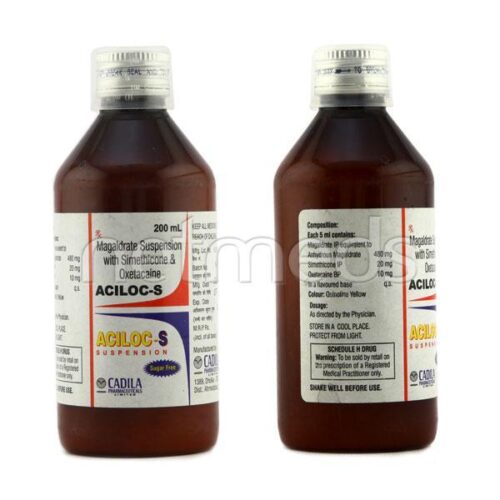
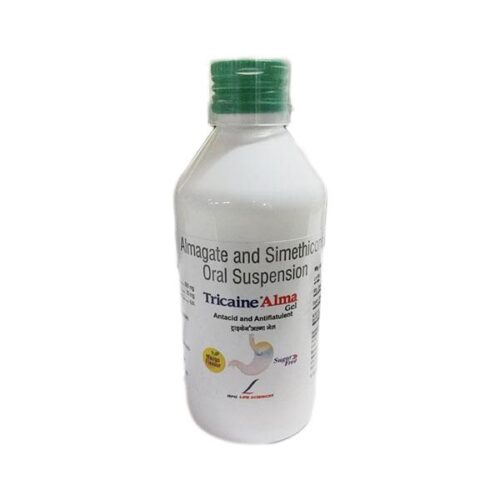
TRICAINE ALMA MANGO FLAVOUR SUGAR FREE Gel 200ml

