
Yves Rocher Hammam Body Lotion With Argan & Rose 390 ml
❌ Due to high demand, this product is currently out of stock. New stock will be available shortly.
👉 Click here to Buy Same Salt medicine
Yves Rocher Hammam Body Lotion With Argan & Rose 390 is a topical medicine used on the skin to help protect and soothe damaged areas, especially minor burns and wound-prone skin. Silver sulfadiazine helps prevent and treat infection by stopping the growth of certain bacteria, while chlorhexidine adds broad antiseptic action to reduce germs on the skin’s surface. Aloe vera helps calm irritation and supports a cooling, soothing effect on inflamed or sensitive skin. Together, this combination is commonly used to keep wounds cleaner, lower the risk of infection, and support the natural healing process. It should be used only on advice from a healthcare professional, especially for deeper, severe, or infected wounds.
Description
Yves Rocher Hammam Body Lotion With Argan & Rose 390 is a topical skin-care and wound-care combination commonly used to help protect damaged skin from infection while also supporting a more comfortable healing environment. it brings together an antimicrobial component, an antiseptic component, and a soothing botanical ingredient, which makes it useful in situations where the skin barrier is broken, irritated, inflamed, or at risk of bacterial contamination. this type of preparation is generally applied externally only and is designed to work locally on the skin rather than throughout the body.
silver sulfadiazine is a well-known topical antimicrobial used especially in burn care and other superficial skin injuries where the risk of bacterial growth is high. it helps reduce the number of bacteria on the wound surface, which can lower the likelihood of secondary infection. chlorhexidine is an antiseptic with broad activity against many bacteria and some other microorganisms; it can help cleanse and protect the affected area by limiting microbial growth. aloe vera is included for its soothing and moisturizing properties, which may help reduce dryness, burning, and irritation while supporting skin comfort during the healing process.
this combination is typically intended for external wounds such as minor burns, abrasions, cuts, and certain contaminated skin lesions where infection prevention and local skin soothing are both desired. it is not a substitute for proper wound cleaning, medical evaluation of deep or severe injuries, or treatment of major burns. because the product contains active antimicrobial ingredients, it should be used carefully and only as directed by a healthcare professional when appropriate.
mechanistically, the product acts in multiple ways. silver sulfadiazine slowly releases silver ions that interfere with bacterial cell function and help suppress bacterial multiplication. chlorhexidine binds to microbial surfaces and disrupts cell membranes, causing leakage of cellular contents and microbial death. aloe vera mainly contributes a protective, calming effect on the skin surface and may help maintain moisture in the wound environment. together, these ingredients aim to reduce microbial burden while improving local comfort, though they do not replace professional burn care, proper dressing, or wound assessment when needed.
ingredients
- silver sulfadiazine: a topical antimicrobial agent that helps prevent and control bacterial growth on burned or injured skin. it is especially valued in wound care because it can reduce the risk of infection in areas where the skin’s natural protective barrier has been disrupted. it works locally and is commonly used on superficial to partial-thickness skin injuries under medical guidance.
- chlorhexidine: a broad-spectrum antiseptic that helps cleanse the skin and reduce microbial contamination. it is often used in skin antisepsis and wound hygiene because it can lower the number of bacteria on the surface of damaged or at-risk skin. in topical products, it helps support infection control when applied correctly.
- aloe vera: a soothing and hydrating ingredient that may help calm irritated skin, reduce sensations of dryness or tightness, and improve comfort during healing. while it is not a primary antimicrobial, it supports skin care by promoting a more moist and comfortable wound environment, which can be helpful in minor burns and superficial skin injuries.
key uses
- burn care support: commonly used for minor burns and some partial-thickness burns to help reduce bacterial contamination and support local skin management. it may also soothe the affected area, making the skin feel less dry and irritated.
- prevention of wound infection: useful on superficial cuts, abrasions, and skin breaks where infection risk is present. the antimicrobial and antiseptic components help reduce bacterial load on the skin surface.
- minor contaminated skin injuries: may be used in wounds exposed to dirt or contamination after cleaning, when a clinician recommends topical antimicrobial protection. it is intended to help keep the wound environment safer while healing progresses.
- supportive topical wound hygiene: can be used as part of a wound-care routine to maintain cleanliness and limit microbial growth, especially when the skin barrier has been compromised. it should be paired with proper cleansing and dressing practices.
how to use
use Yves Rocher Hammam Body Lotion With Argan & Rose 390 only on the skin and only as directed by a healthcare professional or product label. before application, the affected area is usually cleaned gently with clean water or an appropriate wound-cleaning method, then patted dry with care. a thin, even layer is commonly applied to the affected skin surface, avoiding excessive rubbing that could further irritate the area. if a dressing is recommended, it may be placed over the treated area according to wound-care instructions.
this product is generally used on a regular schedule as advised, but exact frequency and duration depend on the type and severity of the wound, the risk of infection, and how the skin is responding. it should not be applied to the eyes, inside the mouth, inside the nose, or on large body surfaces unless specifically instructed by a clinician. hands should be washed before and after use to reduce the chance of contamination. if a wound becomes more painful, swollen, red, smelly, or starts to drain pus, medical advice should be sought promptly, as these may be signs of infection or complications.
safety information
- warnings: this product is for external use only. do not apply to deep puncture wounds, severe burns, large open wounds, or extensive body areas without medical supervision. avoid contact with eyes and mucous membranes. stop using and seek medical help if severe irritation, rash, blistering, or signs of allergic reaction occur. if the wound is large, very painful, bleeding heavily, or shows signs of infection, a healthcare professional should assess it rather than relying on self-treatment alone.
- side effects: common side effects may include mild burning, stinging, redness, dryness, itching, or temporary skin discomfort at the application site. less commonly, skin rash, swelling, increased irritation, or sensitivity reactions may occur. serious side effects are uncommon but can include severe allergy, widespread rash, difficulty breathing, marked swelling, or worsening of the wound. because silver sulfadiazine is a sulfonamide-related medicine, some people may develop sensitivity reactions.
- precautions: people with known allergy to silver sulfadiazine, sulfonamides, chlorhexidine, or aloe vera should avoid this product unless a healthcare professional specifically advises otherwise. extra caution is needed in individuals with extensive burns, significant skin loss, or a history of drug allergies. use carefully in infants, older adults, and people with impaired healing, diabetes, poor circulation, or immune system problems, as they may need closer monitoring.
- pregnancy/breastfeeding: use during pregnancy should be discussed with a healthcare professional, especially if the product may be applied to large areas or for prolonged periods. breastfeeding mothers should avoid application on or near the breast area where the infant could ingest the product. because safety depends on the wound size, location, and duration of use, professional guidance is important.
- interactions: since this is a topical product, interactions are usually limited, but applying it with other topical medicines, antiseptics, or harsh cleansers on the same area may increase irritation or reduce effectiveness. do not mix with other wound creams or ointments unless advised. alcohol-based products used on the same area may dry or irritate the skin further. tell a healthcare professional about all medications, especially other topical treatments, if the product is being used on a sensitive or extensive wound.
additional information
- storage: store in a cool, dry place away from direct sunlight and heat. keep the container tightly closed when not in use. do not freeze unless the label specifically allows it. keep out of reach of children and do not use after the expiration date.
- missed dose: if a scheduled application is missed, apply it when remembered unless it is almost time for the next one. do not apply extra amounts to make up for a missed dose, as this may increase irritation without improving healing. follow the usual wound-care schedule advised by your clinician.
- overdose: excessive topical application may lead to more skin irritation, burning, or discomfort. if a large amount is accidentally applied, gently remove the excess and seek medical advice if there is significant redness, rash, swelling, or if the product was used on a large body area. if swallowed or if it enters the eyes, obtain urgent medical help.
- habit forming: no. this product is not habit-forming because it does not act on the brain in a way that causes dependence or addiction. it is used for local skin and wound care only.
frequently asked questions
what is Yves Rocher Hammam Body Lotion With Argan & Rose 390 used for?
it is mainly used for external skin and wound care, especially where there is a risk of infection or irritation. it is commonly considered for minor burns, superficial wounds, and contaminated skin injuries when a clinician recommends topical antimicrobial protection.
how does this medicine help wounds?
it helps in two main ways: silver sulfadiazine and chlorhexidine reduce the growth of bacteria on the skin surface, while aloe vera helps soothe and moisturize the area. this combination may make the wound environment more favorable for healing, though it does not replace proper medical care when injuries are serious.
can it be used on all types of burns?
no. minor burns and some partial-thickness burns may be appropriate for topical treatment, but deep burns, large burns, or burns involving the face, hands, feet, genitals, or major joints require professional evaluation. severe burns often need specialized treatment rather than self-care alone.
should the wound be cleaned before applying it?
yes, in most cases the area should be gently cleaned first to remove dirt and debris. clean hands and gentle technique are important to avoid spreading germs or damaging the skin further. if you are unsure how to clean the wound safely, ask a healthcare professional.
can i use it with a bandage?
in many cases, yes, if a dressing is recommended. a bandage or dressing can help protect the area from friction and contamination. however, the type of dressing and how often it should be changed depend on the wound type and the clinician’s instructions.
does it cause pain or burning after application?
mild stinging, burning, or discomfort may happen, especially on sensitive or broken skin. this is usually temporary. if the pain is severe, persistent, or gets worse over time, stop use and seek medical advice because it may indicate irritation or intolerance.
who should avoid using this product?
people with allergies to any of the ingredients, those with severe skin reactions to sulfonamide-related medicines, and individuals with extensive or complicated wounds should avoid unsupervised use. infants, pregnant women, and breastfeeding mothers should also consult a healthcare professional before use.
can it be used on the face?
only if a healthcare professional specifically recommends it. facial skin is sensitive, and the product should never be applied near the eyes or inside the mouth. careful medical guidance is important for facial burns or injuries because the treatment approach may differ.
what are signs that the wound is getting worse?
increasing redness, swelling, warmth, pus, bad smell, fever, severe pain, or red streaks spreading away from the wound can suggest infection or worsening inflammation. if any of these appear, medical evaluation should be sought promptly.
can i use other creams on top of it?
usually not unless directed by a healthcare professional. combining multiple skin products on the same area may reduce effectiveness or increase irritation. if additional wound products are needed, a clinician can advise on safe combinations and timing.
is it safe for children?
children may be more sensitive to topical medicines, and wound size and skin condition matter greatly. use in children should be guided by a healthcare professional, especially for burns or larger wounds, because the treatment may need to be monitored more closely.
what should i do if i develop a rash?
stop using the product and seek medical advice. a rash may indicate irritation or an allergic reaction to one of the ingredients. if the rash is widespread or accompanied by swelling or breathing difficulty, emergency care is needed.
how long can it be used?
the duration depends on the wound type, healing progress, and the advice of a clinician. it should not be continued longer than needed without review, especially if the wound is not improving or if irritation develops. persistent or non-healing wounds should be medically assessed.
can it prevent scarring?
its main role is infection control and wound support, not scar prevention. proper wound care may help healing occur more smoothly, but scarring depends on many factors such as wound depth, location, infection, and individual healing tendencies.
what if i accidentally use too much?
remove any excess gently, avoid further irritation, and monitor the area. using too much generally does not improve healing and may increase discomfort. if the product was applied to a very large area or caused a strong reaction, seek medical advice.
should i stop using it once the skin looks better?
use should follow the advice provided by a clinician or the product instructions. if the wound is healing well and treatment is no longer needed, continued use may not be necessary. if you are uncertain, ask a healthcare professional before stopping or continuing.
this information is for educational purposes only and should not be considered medical advice. always consult a qualified healthcare professional before use.
At Gem Pharmacy, we make every effort to provide accurate, expert-written, and thoroughly reviewed information related to medicines. However, this information should not be considered a substitute for professional medical advice, diagnosis, or treatment from a qualified doctor.
The purpose of this information is to educate users and improve communication between patients and healthcare professionals. It should not be used to diagnose or treat any condition.
Always consult a certified healthcare professional before taking any medication.


Related products
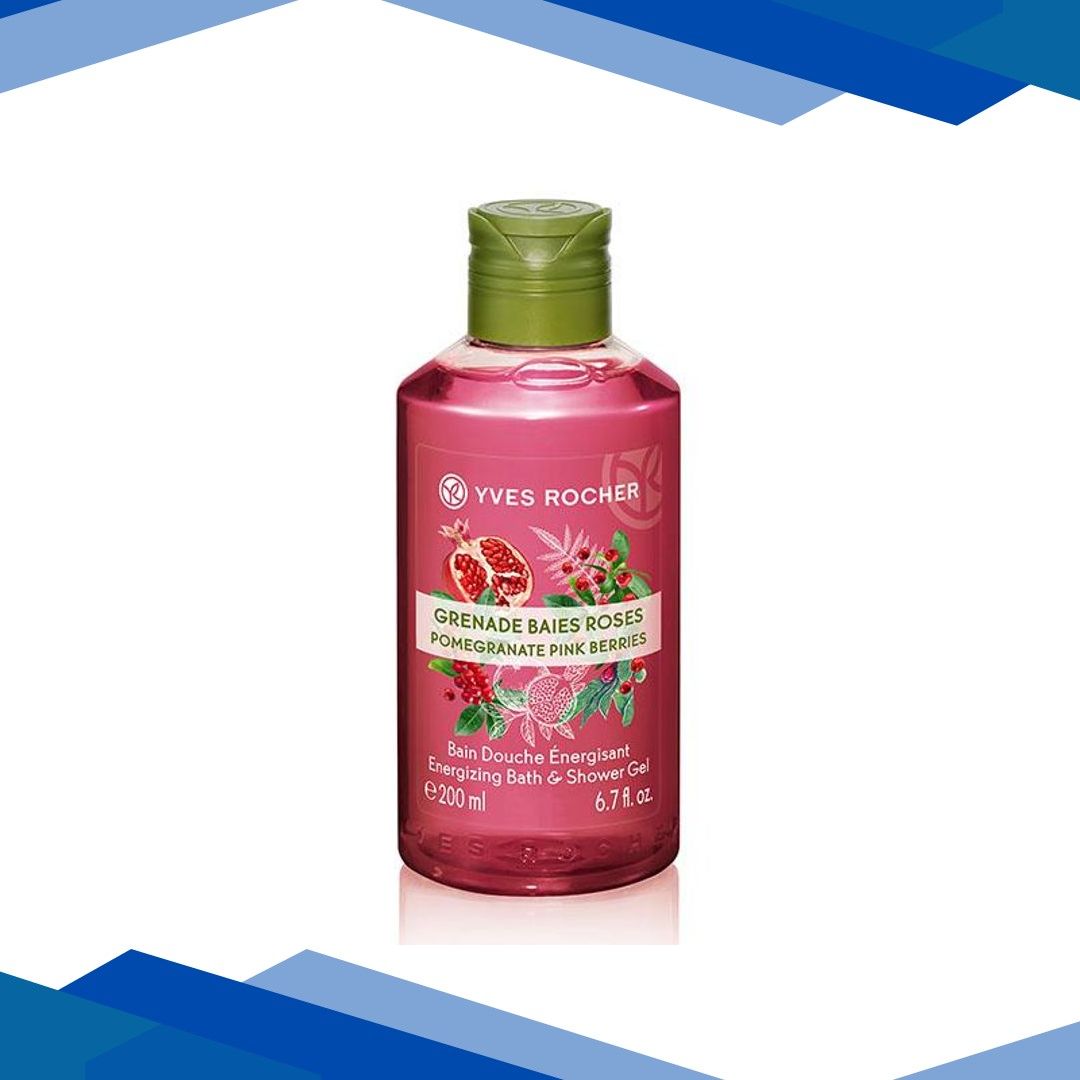
Yves Rocher Pomegranate Pink Berries Energizing Bath & Shower Gel 200 ml

Yves Rocher Colour 2 In 1 Cream Mask 200 ml

Yves Rocher Shine Detangling Gel 200ml