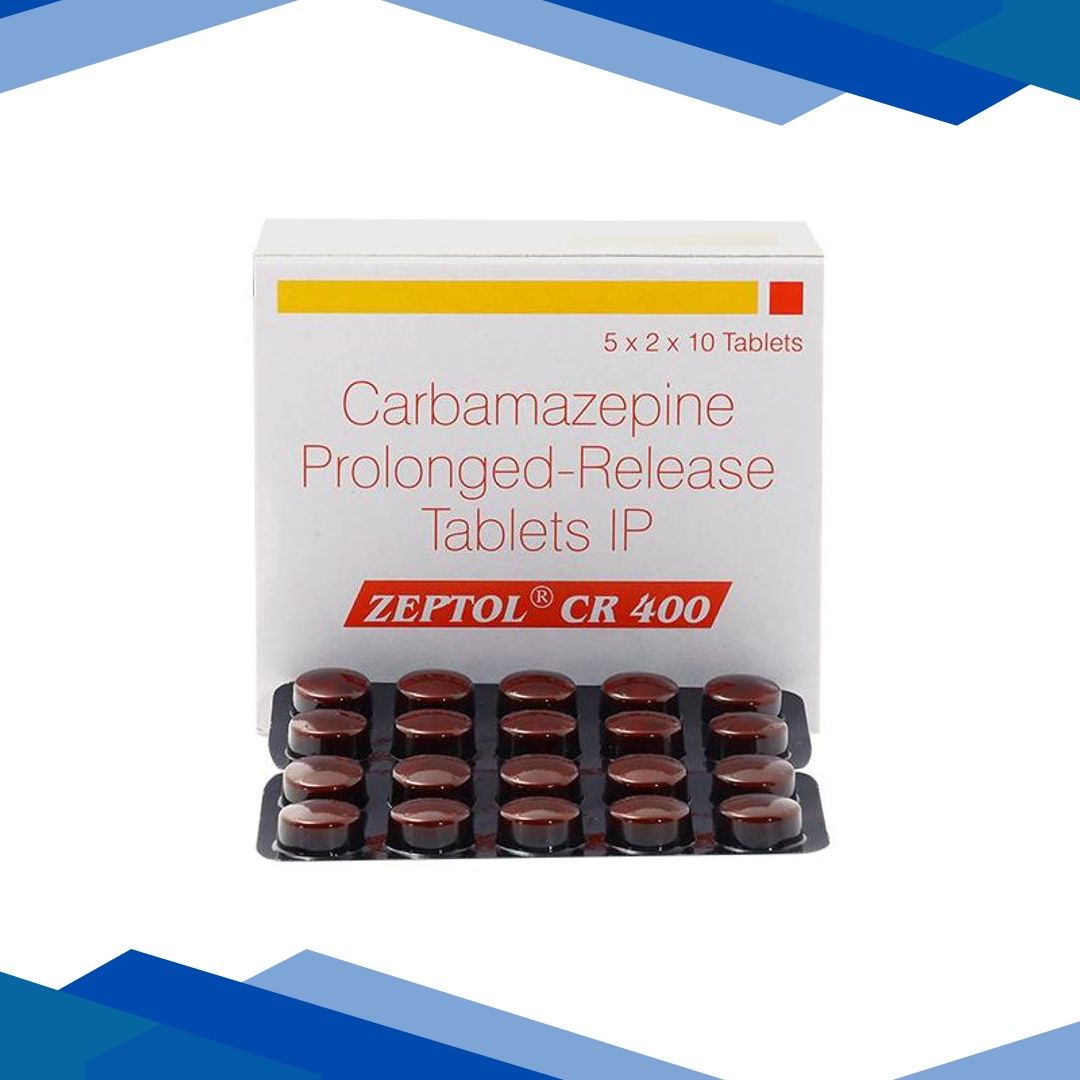
Zeptol CR 400mg Tablet 10’S
Zeptol CR 400mg Tablet is a combination medicine used mainly to treat migraine headaches and related symptoms such as nausea, vomiting, and sensitivity to light or sound. Each ingredient works differently to help relieve an attack: caffeine helps improve pain relief and may support the action of the other ingredients, ergotamine helps narrow certain blood vessels in the brain that are linked to migraine pain, prochlorperazine helps control nausea and dizziness, and paracetamol helps reduce pain and fever. Together, they provide broader relief than a single medicine alone. This medicine is usually used for short-term treatment of migraine attacks and should be taken under medical advice, especially in people with heart, circulation, liver, or stomach problems.
Description
Zeptol CR 400mg Tablet is a combination medicine used mainly for the relief of migraine attacks and related headache symptoms. it brings together four different active ingredients that work in complementary ways: ergotamine helps narrow widened blood vessels involved in migraine pain, caffeine supports the pain-relieving effect and may improve absorption of ergotamine, prochlorperazine helps reduce nausea and vomiting often associated with migraine, and paracetamol helps relieve pain and fever. because migraine can involve both head pain and digestive symptoms, this combination is designed to address multiple aspects of an attack at the same time.
this medicine is generally intended for people who experience migraine headaches, especially when the migraine is accompanied by nausea, vomiting, sensitivity to light or sound, or throbbing pain. it is not meant for every type of headache, and it is not a first-choice treatment for ordinary tension headaches or chronic daily headache unless a healthcare professional specifically recommends it. the combination can be effective for some patients, but it also requires careful use because one of its ingredients, ergotamine, can cause important blood vessel-related side effects if used incorrectly or too often.
mechanistically, the ingredients act in different ways. ergotamine reduces the dilation of blood vessels thought to contribute to migraine pain. paracetamol works centrally to reduce pain and can make the headache more manageable. caffeine is a mild stimulant that can enhance the effectiveness of pain relief and may also help reduce migraine-related fatigue. prochlorperazine is an antiemetic and antipsychotic medicine that blocks dopamine receptors, helping control nausea, vomiting, and sometimes dizziness. together, these effects can make the medicine useful during a migraine attack, but the combination should be used only under proper guidance, especially in people with heart disease, circulation problems, liver disease, or a history of medication overuse headaches.
because this medicine contains several active components, it should be taken with caution and only when recommended by a doctor or pharmacist. it is not ideal for people who are pregnant, have uncontrolled high blood pressure, severe liver or kidney disease, peripheral vascular disease, coronary artery disease, or certain psychiatric or neurological disorders. overuse can lead to serious complications, including rebound headaches, stomach upset, excessive drowsiness, or ergot-related ischemic effects. if the symptoms are severe, unusual, or different from a typical migraine, medical evaluation is important to rule out more serious causes.
ingredients
- caffeine: caffeine is a mild central nervous system stimulant that can enhance the pain-relieving effect of the combination and may help improve the response in migraine attacks. it can also reduce drowsiness in some people and may help the body absorb or respond more effectively to other ingredients. however, too much caffeine may cause restlessness, palpitations, tremor, or sleep disturbance.
- ergotamine: ergotamine is an ergot alkaloid used in migraine treatment. it works by constricting dilated blood vessels and affecting serotonin receptors, which helps reduce the throbbing pain of migraine. because it can also constrict blood vessels elsewhere in the body, it must be used carefully and is not suitable for people with circulation problems or certain heart conditions.
- prochlorperazine: prochlorperazine helps control nausea, vomiting, and sometimes dizziness that can occur during migraine attacks. it works mainly by blocking dopamine receptors in the brain and the vomiting center. in migraine, it can make the overall attack more tolerable by reducing digestive symptoms and may also contribute to headache relief in some patients.
- paracetamol: paracetamol, also known as acetaminophen in some regions, is a widely used pain reliever and fever reducer. in this combination, it helps reduce the intensity of migraine pain and may improve comfort during an attack. it is generally well tolerated when used correctly, but excessive use can seriously harm the liver.
key uses
- migraine headache relief: this medicine is mainly used for the treatment of acute migraine attacks. it is most helpful when taken early in the attack, before symptoms become severe.
- relief of migraine-associated nausea and vomiting: prochlorperazine helps reduce the stomach upset, nausea, and vomiting that often make migraines more difficult to manage.
- management of throbbing, vascular-type headache pain: ergotamine specifically targets the blood vessel-related component of migraine pain and may reduce the pulsing or throbbing sensation.
- improvement of overall migraine comfort: by combining pain relief, anti-nausea action, and vascular effects, the medicine can reduce multiple symptoms occurring together during a migraine episode.
- supportive treatment when simple pain relievers are not enough: in patients who do not respond adequately to single-ingredient pain medicines, a clinician may consider this combination for selected migraine attacks.
how to use
use this medicine exactly as directed by a healthcare professional. it is generally meant for acute migraine attacks rather than continuous daily use. it is often taken as soon as migraine symptoms begin, because early treatment may work better than waiting until the pain becomes severe. swallow the medicine with water unless your doctor or the product label advises otherwise. avoid taking more than the recommended amount, and do not repeat doses too frequently, since ergotamine-containing medicines can cause serious side effects if overused.
if the medicine causes stomach upset, it may be taken with food unless a healthcare professional recommends a different approach. some patients are advised to rest in a quiet, dark room after taking migraine medication, since light and noise can worsen symptoms. do not combine this medicine with other headache remedies containing ergotamine, paracetamol, or sedating anti-nausea drugs unless a professional confirms it is safe. if the headache pattern changes, becomes unusually severe, or occurs with weakness, confusion, vision loss, fever, stiff neck, or chest pain, seek medical attention promptly.
safety information
- warnings: this medicine contains ergotamine, which can restrict blood vessels and may be dangerous if taken too often or in people with circulation disorders. it should not be used for non-migraine headaches without medical advice. overuse can cause medication-overuse headaches, worsening migraine frequency, or ergot toxicity. prochlorperazine may cause drowsiness, movement-related side effects, or restlessness in some people. paracetamol can harm the liver if too much is taken or if combined with other paracetamol-containing products.
- side effects: common side effects may include nausea, dizziness, drowsiness, dry mouth, stomach discomfort, constipation, weakness, restlessness, or jitteriness from caffeine. serious side effects may include chest pain, numbness or tingling in the hands or feet, cold or pale fingers/toes, severe abdominal pain, fast or irregular heartbeat, severe sedation, abnormal muscle movements, fever with muscle stiffness, yellowing of the skin or eyes, or signs of an allergic reaction such as rash, swelling, or breathing difficulty.
- precautions: avoid or use only with specialist advice if you have heart disease, peripheral vascular disease, uncontrolled high blood pressure, stroke history, severe liver disease, severe kidney disease, glaucoma, epilepsy, parkinsonian symptoms, or a history of movement disorders. people with a history of substance misuse, frequent headache attacks, or medication-overuse headache should be monitored carefully. older adults may be more sensitive to drowsiness, confusion, and blood pressure changes.
- pregnancy/breastfeeding: this medicine is generally not recommended during pregnancy, especially because ergotamine can reduce blood flow and may affect the uterus and fetus. breastfeeding mothers should also use caution, as ergot derivatives may pass into breast milk and can reduce milk production or pose risks to the infant. always consult a doctor before use in pregnancy or while breastfeeding.
- interactions: this medicine can interact with many drugs. important interactions include other ergot medicines, triptans, certain antibiotics, antifungal medicines, hiv medicines, some antidepressants, sedatives, and alcohol. alcohol may increase drowsiness and worsen liver risk when combined with paracetamol. medicines that affect liver enzymes can change the levels of ergotamine or prochlorperazine. do not use with other paracetamol-containing products, and avoid combining with medicines that cause significant sedation unless approved by a clinician.
additional information
- storage: store in a cool, dry place away from direct sunlight, heat, and moisture. keep the medicine in its original container and out of reach of children and pets. do not store it in the bathroom unless specifically instructed, as humidity may affect stability.
- missed dose: this medicine is usually taken only when needed for migraine attacks, so a missed dose may not apply in the same way as for daily medicines. if you were instructed to take it on a schedule and miss a dose, follow the advice on the prescription label or ask a pharmacist. do not double up to make up for a missed dose.
- overdose: overdose can be serious. possible signs include severe drowsiness, confusion, vomiting, abdominal pain, chest pain, rapid heartbeat, cold extremities, breathing problems, unusual movements, or liver injury. paracetamol overdose may not cause symptoms immediately but can lead to delayed, life-threatening liver damage. if overdose is suspected, seek emergency medical help right away.
- habit forming: no, this medicine is not considered habit forming in the same way as addictive drugs. however, frequent use can lead to medication-overuse headaches, dependence on repeated relief, or unsafe cumulative exposure to ergotamine and paracetamol. it should therefore be used carefully and only as directed.
frequently asked questions
Q: what is Zeptol CR 400mg Tablet used for?
A: it is mainly used for the treatment of migraine attacks. it helps reduce headache pain, nausea, vomiting, and some of the vascular symptoms associated with migraine.
Q: can i take this medicine for a regular headache?
A: it is not usually recommended for ordinary tension headaches or mild headaches unless a doctor specifically tells you to use it. it is mainly intended for migraine-type headaches.
Q: when should i take it during a migraine?
A: it generally works best when taken early in the migraine attack, as soon as symptoms begin. waiting until the headache is severe may reduce its benefit.
Q: does this medicine cause sleepiness?
A: yes, it may cause drowsiness or dizziness, mainly because of prochlorperazine. caffeine may partly counter this in some people, but you should still be careful with driving or operating machinery.
Q: can i take it with alcohol?
A: it is best to avoid alcohol because it can increase drowsiness and may add to the liver-related risk from paracetamol, especially if used repeatedly or in higher amounts.
Q: is it safe to use this medicine often?
A: frequent use is not recommended. overuse can lead to rebound headaches, ergot-related side effects, and potential liver harm from paracetamol. a doctor should review frequent migraine attacks.
Q: what should i do if my migraine is different from usual?
A: if the headache is sudden, unusually severe, associated with weakness, vision changes, confusion, fever, stiff neck, fainting, or chest pain, seek urgent medical evaluation because it may not be a typical migraine.
Q: can this medicine be used during pregnancy?
A: it is generally not recommended during pregnancy, especially because ergotamine may reduce blood flow and pose risks. a healthcare professional should be consulted for safer alternatives.
Q: what happens if i take too much?
A: an overdose can cause serious effects such as severe drowsiness, vomiting, abdominal pain, chest pain, circulation problems, movement disorders, or liver injury. emergency care is needed if overdose is suspected.
Q: can i take other painkillers with it?
A: you should not combine it with other medicines containing paracetamol, and you should check with a pharmacist or doctor before combining it with any other headache medicine or painkiller.
Q: does caffeine in this medicine mean i should avoid coffee?
A: you may need to limit additional caffeine if you are sensitive to stimulants, because extra caffeine can worsen jitteriness, palpitations, or sleep problems. moderate your intake if advised by a healthcare professional.
Q: why is prochlorperazine included?
A: prochlorperazine helps control nausea and vomiting, which are common during migraine attacks, and may also contribute to overall symptom relief.
Q: can this medicine cause movement problems?
A: yes, prochlorperazine can sometimes cause stiffness, tremor, restlessness, or other movement-related side effects. if these occur, medical advice should be sought promptly.
Q: who should be especially careful with ergotamine?
A: people with heart disease, circulation problems, high blood pressure, or a history of stroke should be especially cautious because ergotamine can narrow blood vessels.
Q: how can i reduce the chance of side effects?
A: use the medicine only as directed, take it early in the attack, avoid combining it with similar medicines, limit alcohol, and inform your healthcare provider about all other medicines and medical conditions.
this information is for educational purposes only and should not be considered medical advice. always consult a qualified healthcare professional before use.
At Gem Pharmacy, we make every effort to provide accurate, expert-written, and thoroughly reviewed information related to medicines. However, this information should not be considered a substitute for professional medical advice, diagnosis, or treatment from a qualified doctor.
The purpose of this information is to educate users and improve communication between patients and healthcare professionals. It should not be used to diagnose or treat any condition.
Always consult a certified healthcare professional before taking any medication.


Related products

Tegrital CR 300mg Tablet 10’S