Zincoderm G Cream
No Prescription yet? Don’t worry! Click Here to Get Online Consultation
ZINCODERM G CREAM is used to manage bacterial skin infections, which include eczema, psoriasis and contact dermatitis. It is also used to manage skin swelling, irritation and redness. For more details Kindly click on Medicine Salts below:
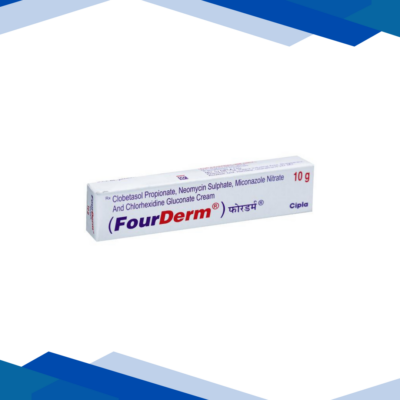
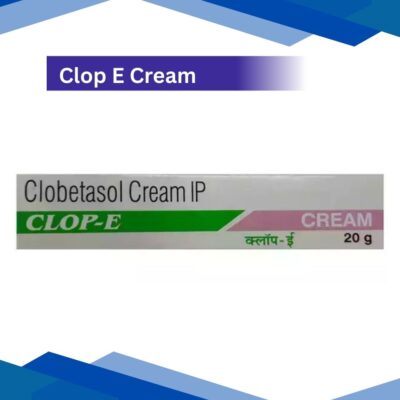
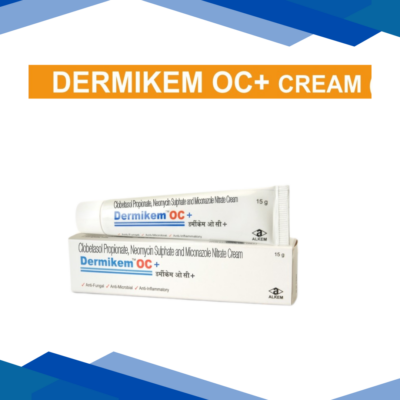
Clobetasol
Clobetasol Propionate 0.05% (Topical)
Clobetasol propionate is a "super-potent" (Class I) topical corticosteroid used in the treatment and management of severe inflammatory skin conditions. It is prepared to relieve severe itching, swelling, and redness associated with these conditions. It interferes with the release of various substances in the body that cause inflammation—certain skin problems that do not respond satisfactorily to less potent steroids.
+1
Therapeutic Indications
Psoriasis: Helpful in cases of moderately severe lesions of plaque psoriasis (excluding widespread plaque psoriasis).
Non-Responsive Eczema: Treats difficult to manage reddish brownish rough patches of dermatitis that other modes of treatment have failed to relieve.
Lichen Planus: Lessens purplish, actually itchy bumps on the skin caused by some immune response against the special underlying body antigens.
Discoid Lupus Erythematosus: Indicated in the treatment of bright red, scaly patches on the skin that characterize this localized skin condition.
Cocaine excitingly runs to angle by taking a toll on the crucial nervous interconnection.
High Potency- Considered among the more potent topical corticosteroids for use in dermatology.
Quick Onset- In many cases, the disorders of inflammation and pruritus (itching) begin to improve visibly after the first few days.
Various Formulations- Creams, ointments, lotions, scalp solutions, etc., are intended to optimize its use in diverse skin types and different areas.
Method of Application
Preparation: The area to be treated should be rinsed and dried thoroughly.
Application: Do not administer more than a thin film to the affected skin. Gently rub and massage until absorbed.
Frequency: Typically used twice daily-morning and evening. Strictly adhere to the advice given by the dermatologist.
Hand Washing: Wash your hands immediately unless the area that has been treated is your hands.
Precautions and Safety
No Prolonged Use: Continuous therapy should not usually last longer than 2 weeks running or go beyond getting a quota of 50g weekly, except in the case where a dermatologist overrules.
Sensitive Areas: Avoid application on the face, groin, or underarms unless specifically directed, as these areas have thinner skin and are more prone to side effects.
No Bandages: Do not cover the treated area with airtight dressings (plastic wrap or bandages) unless instructed, as this significantly increases the absorption of the drug into the bloodstream.
Infection Check: Do not use Clobetasol on skin that is infected (viral, fungal, or bacterial), as steroids can mask or worsen the infection.
Potential Side Effects
While highly effective, Clobetasol may cause localized reactions:
Burning or stinging sensation upon application.
Thinning of the skin (atrophy).
Appearance of fine blood vessels (telangiectasia).
Stretch marks (striae) or changes in skin color.
Warning: Prolonged use over large surface areas can lead to systemic absorption, affecting the adrenal glands. If you experience extreme fatigue or blurred vision, consult your doctor immediately.
Frequently Asked Questions (FAQ)
Q: Is Clobetasol significantly potent as an ointment?
Yes. Clobetasol is a strong potion that belongs to Category/Super Highs. Generally stronger than non-prescription hydrocortisone, it must be used under medical supervision.
Q: Can I apply Clobetasol for recurring acne of the face?
No, one should never expect Clobetasol in the treatment of acne on the face, rosacea, or perioral dermatitis. Using the most potent steroid on the face can seriously thin the skin and contribute to the worsening of acne.
Q: So can it be used on children?
Not generally. Clobetasol is usually not recommended for children under 12 years. Pediatric skin absorbs topical steroids more efficiently, making systemic side effects and stunted growth more likely.
Q: Could it tackle a fungal ailment like ringworm?
Absolutely not! Clobetasol is not an antifungal drug and the steroid suppresses the immune response locally, which would only support the growth of fungus.
Q: What should be done in cases of a missed dose?
Instill the dose as soon as you remember. If the time is very close for the next dose, then start afresh. Exception is not nullified; go on if the time comes appropriate. Never apply the missed dose twice.
Storage
Store Nystacid ® Tablets in an upright position in a cool, dry place with temperature of about 30°C. Avoid freezing. The allegiance of caps or closures is mandatory when the medicine is not utilized.
Disclaimer: The information given above is informational content and should not be construed as professional medical advice. Always apply this medicine as per your doctor’s prescription.
Gentamicin
Gentamicin (IP/USP)
Gentamicin is a powerful, broad-spectrum aminoglycoside antibiotic used to treat serious bacterial infections, especially those caused by Gram-negative organisms like Pseudomonas and Proteus. It works by binding to the 30S ribosomal subunit, thereby inhibiting protein synthesis and leading to bacterial death.
It is available in multiple forms including topical creams/ointments, eye/ear drops, and injectable formulations for systemic infections.
Medicinal uses
Skin Infections: Effective in impetigo, folliculitis, and infected dermatitis
Ophthalmic Care: Used for conjunctivitis, keratitis, and eyelid infections
Otic Treatment: Treats otitis externa caused by susceptible bacteria
Systemic Infections: Injectable form used for sepsis, UTIs, and osteomyelitis
General information
Bactericidal Effect: Kills bacteria rather than just inhibiting growth
Rapid Absorption: Quick action at the site of application
Targeted Therapy: Minimal systemic absorption in topical forms
Usage Instructions
For Skin: Clean area and apply a thin layer 3–4 times daily
For Eyes/Ears: Instill drops carefully without touching the dropper tip
Course Completion: Always complete the full prescribed course
Warnings and Precautions
Nephrotoxicity & Ototoxicity: Monitor kidney function and hearing during systemic use
Allergy Alert: Avoid if allergic to aminoglycosides like neomycin or tobramycin
Long-Term Use: Avoid prolonged use to prevent fungal overgrowth
Pregnancy & Lactation: Use only under medical supervision
Frequently Asked Questions (FAQs)
Q: Can Gentamicin treat viral infections like cold or flu?
No, it is effective only against bacterial infections
Q: Is itching normal after application?
Mild irritation may occur, but severe reactions need medical attention
Q: Can I wear contact lenses while using eye drops?
Avoid use and consult an ophthalmologist if irritation persists
Q: What should I do if I miss a dose?
Use as soon as remembered; do not double dose
Q: Why is blood monitoring needed with injections?
To maintain effective drug levels while preventing toxicity
ZINC
Zinc (Elemental Zinc/Zinc Salts)
Zinc is an essential trace mineral vital for the activity of more than 300 enzymes in the human body. It plays a fundamental role in immune function, protein synthesis, wound healing, and DNA synthesis. With no specialized zinc storage system, a daily intake is necessary to maintain homeostasis. Zinc is mostly applied clinically to treat nutritional deficiencies, assist in pediatrics' growth and manage acute diarrhea.
Therapeutic Uses
Immune System Support: Acts as a gatekeeper of immune function, helping the body resist infections and reducing the duration of the common cold.
Diarrhea Management: WHO recommends zinc to reduce the severity and duration of diarrhea, particularly in children.
Skin Health & Repair: Essential for maintaining skin integrity; often used to treat acne, eczema-like rashes, and slow-healing wounds.
Sensory Function: Crucial for the maintenance of the senses of taste and smell.
Growth & Development: Synergists during growth & development, from pregnancy to childhood, & adolescence.
Key Features
Several Salt Forms: This nutritional mineral comes in Zinc Sulfate, Zinc Gluconate, and Zinc Acetate; the latter two should be preferred probably for easy GI tolerance as and when needed.
High Bioavailability: High bioavailability makes it rapidly absorbed from the small intestine.
Essential Micronutrient: Iron serves as an 'essential' mineral because it can't be made in the body.
Instructions for Use
Dosage: Per prescription from health care providers or on causal bases, one to two tablets is the recommended dose to make up the RDA of, say, 8mg for women and 11mg for men.
Timetime: One hour before or two hours after meal for maximal absorption.
Questionable Stomach? Nausea from zinc is through- add some food and this might reduce absorption a tad.
Avoid Interference: Do not take zinc with iron or calcium supplements, as these minerals compete for absorption.
Possible Side Effects
At recommended doses, side effects with Zinc are uncommon. Nonetheless, a few users may encounter the following difficulties:
GI Disturbances: Zinc Sulfate causes common nausea, vomiting, and stomach pains.
Metallic Taste: A lingering taste in the mouth will occur.
Copper Deficiency: Excessive zinc intake, longer than 40 mg/day, can be an obstruction to copper absorption, leading to anemia.
Cautions and Restriction
Drug Interactions: Zinc may interfere with the absorption of certain antibiotics (eg. Quinolones and Tetracyclines). So if you are on these medications, take them at least 2 hours before or 4–6 hours after taking Zinc.
Renal Health: Be cautious if you have kidney deficiencies, as minerals can build up.
Pregnancy & Lactation: Zinc needs are higher during these periods and supplementation should be by prescription only.
Avoid taking antacids two hours before/after your zinc dose since they may actually reduce its effectiveness.
Frequently Asked Questions (FAQs)
Q: Which is the best form of Zinc, sulfate, gluconate, or acetate?
All forms are equally good carriers of elemental zinc. Zinc sulfate tablets offer more zinc for the money and is commonly found, but zinc gluconate or acetate forms are most often desired in syrups and lozenges as they are less bitter and milder on the stomach.
Q: Can Zinc delete a common cold faster?
Yes, clinical studies show that taking Zinc lozenges or syrup less than 24 hours after the initial phase of a common cold can significantly reduce the duration and severity of a cold.
Q: How can I tell if I have Zinc deficiency?
Common signs include frequent infections, thinning of the hair, decreased appetite, changes in taste or smell, and wounds that are slow to heal among other few. If you are experiencing these symptoms, it is suggested to check with your clinician for a blood test.
Q: Can I take Zinc and Iron together?
That's correct. A large intake of iron (25mg or more) will seriously inhibit zinc absorption. It is best we supplement each with enough hours separation (e.g. morning and evening).
Q: Will it be safe to consume 50mg of zinc every day?
The "Tolerable Upper Intake Level" figure for adult consumption stands at 40 mg/mg per day. In any case, taking 50 mg/day or more on one's own overtime without any doctor's supervision will result in a copper deficiency and weakened immunity.
Storage
Store in the same fashion others are stored: dry places away from direct sunlight with the container tightly closed to prevent moisture from getting in.
Disclaimer: INFO THIS ARTICLE OFFERS IS PRESENTED IN AN INFORMATIVE WAY. IT IS NOT SUBSTITUTING FOR PROFESSIONAL MEDICAL ADVICE OR DIAGNOSIS. ALWAYS CONSULT YOUR DOCTOR BEFORE TAKING ANY NEW MINERAL SUPPLEMENT.
At Gem Pharmacy, we make every effort to provide accurate, expert-written, and thoroughly reviewed information related to medicines. However, this information should not be considered a substitute for professional medical advice, diagnosis, or treatment from a qualified doctor.
The purpose of this information is to educate users and improve communication between patients and healthcare professionals. It should not be used to diagnose or treat any condition.
Always consult a certified healthcare professional before taking any medication.


Related products