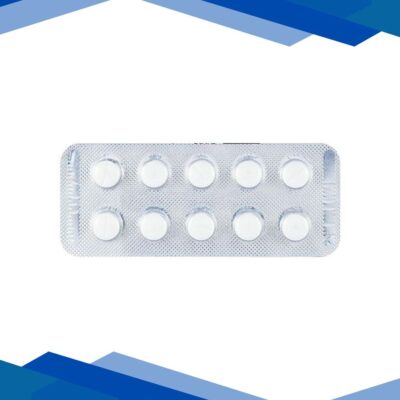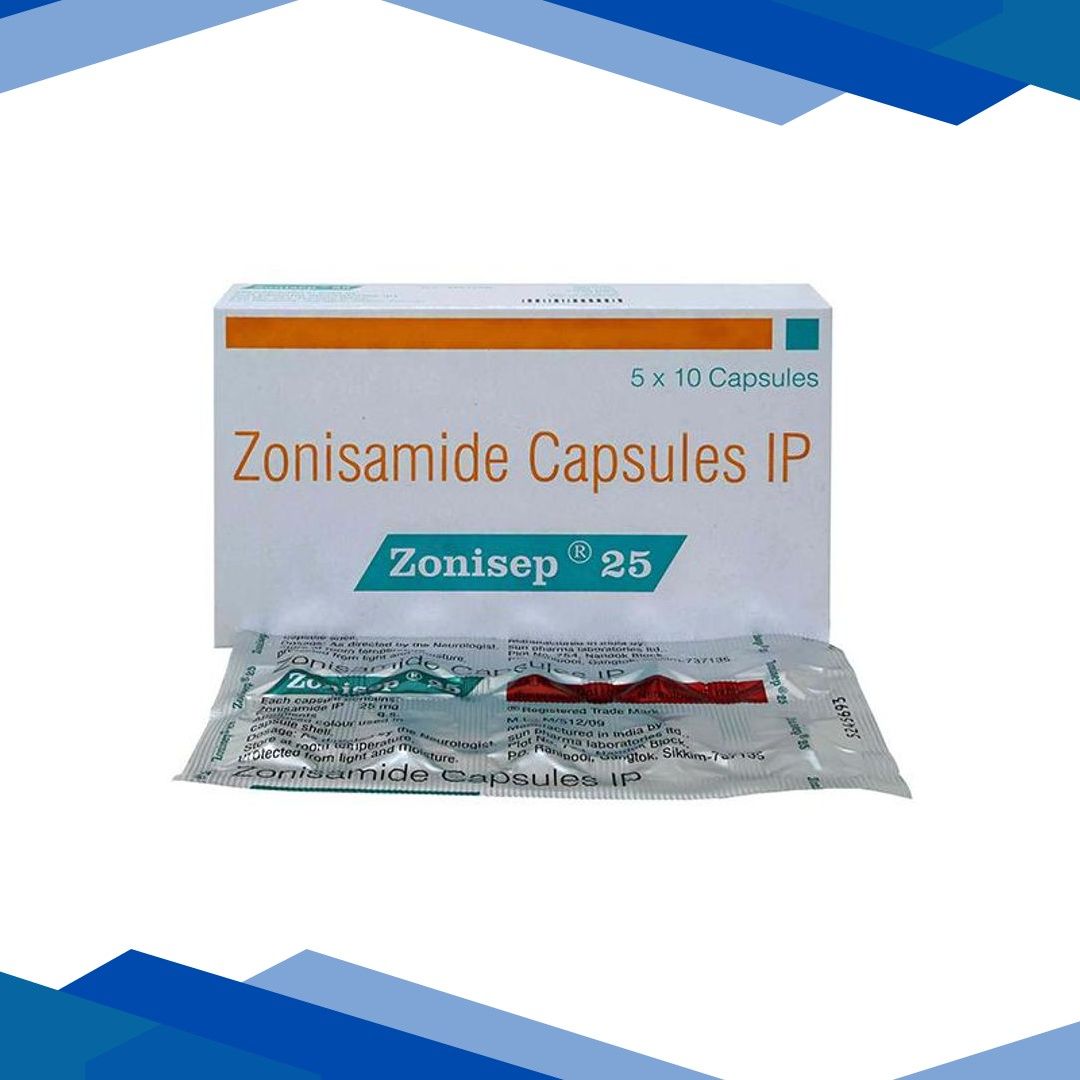
Zonisep 25mg Capsule 10’S
Zonisep 25mg Capsule is an anticonvulsant medicine used mainly to help control seizures in people with epilepsy. It works by calming overactive nerve signals in the brain, which helps reduce the chance of seizure episodes. By stabilizing electrical activity in the nervous system, Zonisep 25mg Capsule can support better seizure control and may be used as part of treatment for certain seizure types, especially partial-onset seizures. It is usually prescribed by a healthcare professional and may be used alone or with other anti-seizure medicines, depending on the patient’s condition. Zonisep 25mg Capsule is not a cure for epilepsy, but it can be an important part of long-term management when taken under medical supervision. Like all medicines in this group, it should be used exactly as directed by a doctor.
Description
Zonisep 25mg Capsule is a prescription medicine used mainly for the control of certain types of seizures. it belongs to a group of medicines that help calm abnormal electrical activity in the brain, which can reduce the frequency and severity of seizures in people with epilepsy. in standard medical practice, Zonisep 25mg Capsule is commonly used as an anti-seizure medicine, and in some cases it may be used as an add-on treatment when one medicine alone does not provide enough seizure control.
this medicine works by influencing several processes in the nervous system. one of its key actions is blocking specific channels involved in electrical signaling in nerve cells, which helps stabilize overactive brain activity. it also appears to affect the balance of certain brain chemicals and may have additional effects that help protect against seizure spread. because of this multi-step action, Zonisep 25mg Capsule may be helpful for some patients whose seizures are not adequately controlled by other therapies. however, the exact response varies from person to person, and treatment should always be individualized by a healthcare professional.
Zonisep 25mg Capsule is generally intended for people diagnosed with epilepsy or seizure disorders under medical supervision. it is not a fast-relief medicine for sudden seizure episodes; instead, it is used regularly to reduce the likelihood of future seizures. like many anti-seizure medicines, it must be taken consistently to work properly. stopping it suddenly can increase the risk of seizures or make them worse, so any changes in therapy should be guided by a clinician. people using Zonisep 25mg Capsule should be monitored for both benefit and possible adverse effects, especially when treatment is first started or the dose is being adjusted.
in addition to seizure control, some specialists may consider Zonisep 25mg Capsule in certain other neurologic or weight-related situations, but such use depends on local prescribing guidance and clinical judgment. it should only be used when clearly recommended by a qualified healthcare professional. understanding how to use it safely, what side effects to watch for, and which conditions require extra caution is important for getting the best possible outcome from treatment.
ingredients
- Zonisep 25mg Capsule: this is the active ingredient in the medicine and is responsible for its anti-seizure effect. it helps reduce abnormal nerve firing in the brain and supports better seizure control when used as directed by a healthcare professional.
- inactive ingredients/excipients: depending on the product form and manufacturer, the capsule or tablet may also contain excipients such as fillers, stabilizers, capsule shell materials, and coloring agents. these ingredients do not provide the therapeutic effect, but they help with manufacturing, absorption, stability, and appearance of the medicine.
key uses
- seizure control in epilepsy: Zonisep 25mg Capsule is used to help reduce the frequency of seizures in people with epilepsy. it may be used alone or together with other anti-seizure medicines depending on the patient’s condition and response.
- add-on therapy for inadequate control: when seizures are not adequately controlled with a single medicine, Zonisep 25mg Capsule may be added to an existing treatment plan to improve seizure control.
- neurologic management under specialist guidance: in some cases, healthcare professionals may use Zonisep 25mg Capsule in other neurologic situations where seizure reduction is important, but only when clinically appropriate and based on specialist judgment.
how to use
Zonisep 25mg Capsule should be taken exactly as prescribed by your healthcare professional. it is usually taken by mouth with or without food, and it is important to take it at the same time each day to keep medicine levels steady in the body. swallow the dosage form whole unless your pharmacist or doctor gives different instructions. do not crush, chew, or open it unless specifically directed, because altering the medicine may affect how it is absorbed or tolerated. if stomach upset occurs, taking it with food may help, although food is not always required.
because Zonisep 25mg Capsule is used for long-term seizure prevention, regular use is important even when you feel well. missing doses can lower protection against seizures. if your healthcare professional recommends a gradual increase in therapy, this is often done to improve tolerability and reduce side effects such as sleepiness, dizziness, or nausea. do not change the dose on your own. if you need to stop the medicine, your clinician may advise a slow taper rather than abrupt discontinuation to lower the risk of worsening seizures.
drink enough fluids unless your healthcare professional has advised otherwise. adequate hydration is especially important because Zonisep 25mg Capsule can increase the risk of kidney stones and may contribute to reduced sweating in some people. if you are unsure how to take the medicine, or if you have difficulty swallowing the dosage form, ask a pharmacist or doctor for personalized guidance.
safety information
- warnings: Zonisep 25mg Capsule can cause serious side effects in some people. these may include severe skin reactions, decreased sweating and overheating, kidney stones, metabolic acidosis, mood changes, and rare but serious eye problems. seek medical help immediately if you develop a rash, blistering, fever, swelling, trouble breathing, severe fatigue, confusion, eye pain, or sudden vision changes. children, older adults, and people with certain medical conditions may be more vulnerable to complications.
- side effects: common side effects may include sleepiness, dizziness, headache, loss of appetite, nausea, vomiting, trouble concentrating, and fatigue. some people may also experience weight loss, constipation, irritability, or unsteadiness. serious side effects can include severe allergic reactions, suicidal thoughts or behavior, kidney stones, low bicarbonate levels, heat-related illness due to reduced sweating, and significant cognitive slowing. report persistent or severe symptoms to a healthcare professional promptly.
- precautions: use caution if you have kidney disease, liver problems, a history of kidney stones, metabolic acidosis, lung conditions that affect breathing, depression, bipolar disorder, or a history of suicidal thoughts. extra care is needed in hot weather, during exercise, or in situations where dehydration may occur. people with an allergy to medicines in the sulfonamide class should discuss risks carefully with a healthcare professional before use.
- pregnancy/breastfeeding: Zonisep 25mg Capsule should be used during pregnancy only if the potential benefit clearly outweighs the risk, because anti-seizure medicines may affect the developing baby and seizure control itself is also important for maternal health. if you are pregnant, planning pregnancy, or become pregnant while taking it, contact your doctor as soon as possible. breastfeeding safety should also be discussed with a healthcare professional because the medicine may pass into breast milk and could affect the infant.
- interactions: Zonisep 25mg Capsule may interact with other anti-seizure medicines, medicines that cause drowsiness, alcohol, and certain drugs that affect acid-base balance or kidney function. combining it with alcohol can increase dizziness, sleepiness, and impaired coordination. some medicines may change how Zonisep 25mg Capsule is processed in the body, and Zonisep 25mg Capsule may also affect the action of other treatments. always provide your clinician and pharmacist with a full list of prescription medicines, over-the-counter products, and supplements you use.
additional information
- storage: store Zonisep 25mg Capsule at room temperature in a dry place, away from excess heat, moisture, and direct light. keep the container tightly closed and out of reach of children and pets. do not store in a bathroom unless the product labeling specifically allows it.
- missed dose: if you miss a dose, take it as soon as you remember unless it is almost time for the next scheduled dose. if it is close to the next dose, skip the missed dose and continue your regular schedule. do not take two doses at once unless a healthcare professional specifically instructs you to do so.
- overdose: taking too much Zonisep 25mg Capsule may cause severe drowsiness, confusion, nausea, vomiting, dizziness, slow or irregular breathing, fainting, or loss of coordination. in serious cases, overdose can be dangerous and needs urgent medical attention. if an overdose is suspected, contact emergency services or a poison control center immediately.
- habit forming: no. Zonisep 25mg Capsule is not considered habit-forming or addictive. however, it should not be stopped suddenly because abrupt withdrawal may increase seizure risk or worsen seizure control. any discontinuation should be supervised by a healthcare professional.
frequently asked questions
Q: what is Zonisep 25mg Capsule mainly used for?
A: Zonisep 25mg Capsule is mainly used to help control seizures in people with epilepsy. it works by reducing abnormal electrical activity in the brain and is usually taken regularly to prevent seizures rather than treat a seizure that is already happening.
Q: can Zonisep 25mg Capsule be used alone?
A: in some patients, yes. a healthcare professional may prescribe Zonisep 25mg Capsule alone or along with other anti-seizure medicines, depending on the type of seizures, prior treatment response, and overall medical condition.
Q: how long does Zonisep 25mg Capsule take to work?
A: it does not work instantly. seizure control usually improves gradually as the medicine is taken consistently and the dose is adjusted by a clinician. the full benefit may take time, so it is important not to stop early if results are not immediate.
Q: should Zonisep 25mg Capsule be taken with food?
A: it can usually be taken with or without food. if it causes stomach upset, taking it with food may help. follow the instructions given by your doctor or pharmacist for the specific product you are using.
Q: can Zonisep 25mg Capsule cause weight loss?
A: yes, some people may notice reduced appetite and weight loss while taking Zonisep 25mg Capsule. if the weight loss is significant or concerning, speak with a healthcare professional.
Q: does Zonisep 25mg Capsule make people sleepy?
A: it can. sleepiness, dizziness, and fatigue are among the more common side effects, especially when starting treatment or increasing the dose. use caution when driving or operating machinery until you know how it affects you.
Q: can Zonisep 25mg Capsule cause mood changes?
A: yes. like other anti-seizure medicines, it may affect mood or behavior in some people. watch for depression, agitation, unusual mood changes, or suicidal thoughts and seek medical help if these occur.
Q: is Zonisep 25mg Capsule safe in pregnancy?
A: it should only be used in pregnancy when the expected benefit outweighs the possible risks. because seizure control is important and pregnancy requires careful planning, discuss this medicine with a healthcare professional if you are pregnant or planning pregnancy.
Q: can alcohol be taken with Zonisep 25mg Capsule?
A: alcohol is generally not recommended because it can increase drowsiness, dizziness, and poor coordination. it may also make side effects harder to recognize and can worsen seizure control in some people.
Q: what serious warning signs should i watch for?
A: seek medical attention right away for rash, blistering, fever, severe tiredness, confusion, eye pain, vision changes, trouble breathing, signs of kidney stones, or symptoms of overheating and decreased sweating. these may indicate serious adverse reactions that need prompt evaluation.
Q: can i stop Zonisep 25mg Capsule suddenly if i feel better?
A: no. stopping anti-seizure medicine suddenly can increase the risk of seizures or make them worse. any changes should be made only under medical supervision, usually with gradual dose adjustment if needed.
Q: who should be extra careful with Zonisep 25mg Capsule?
A: people with kidney problems, a history of kidney stones, breathing disorders, low bicarbonate or acidosis, mood disorders, or allergy to sulfonamide-type medicines should discuss risks carefully with their healthcare professional before using Zonisep 25mg Capsule.
Q: does Zonisep 25mg Capsule need regular monitoring?
A: in many patients, yes. a healthcare professional may monitor seizure control, side effects, mental health, kidney function, hydration status, and sometimes blood tests related to acid-base balance, depending on the individual situation.
Q: what should i do if i forget a dose?
A: take it when you remember unless it is close to the next dose. if it is near the next scheduled time, skip the missed dose and continue as directed. do not double up unless instructed by a clinician.
Q: can Zonisep 25mg Capsule cause kidney stones?
A: yes, it may increase the risk of kidney stones in some people. drinking adequate fluids and reporting flank pain, blood in the urine, or painful urination to a healthcare professional can help with early recognition and care.
this information is for educational purposes only and should not be considered medical advice. always consult a qualified healthcare professional before use.
At Gem Pharmacy, we make every effort to provide accurate, expert-written, and thoroughly reviewed information related to medicines. However, this information should not be considered a substitute for professional medical advice, diagnosis, or treatment from a qualified doctor.
The purpose of this information is to educate users and improve communication between patients and healthcare professionals. It should not be used to diagnose or treat any condition.
Always consult a certified healthcare professional before taking any medication.


Related products
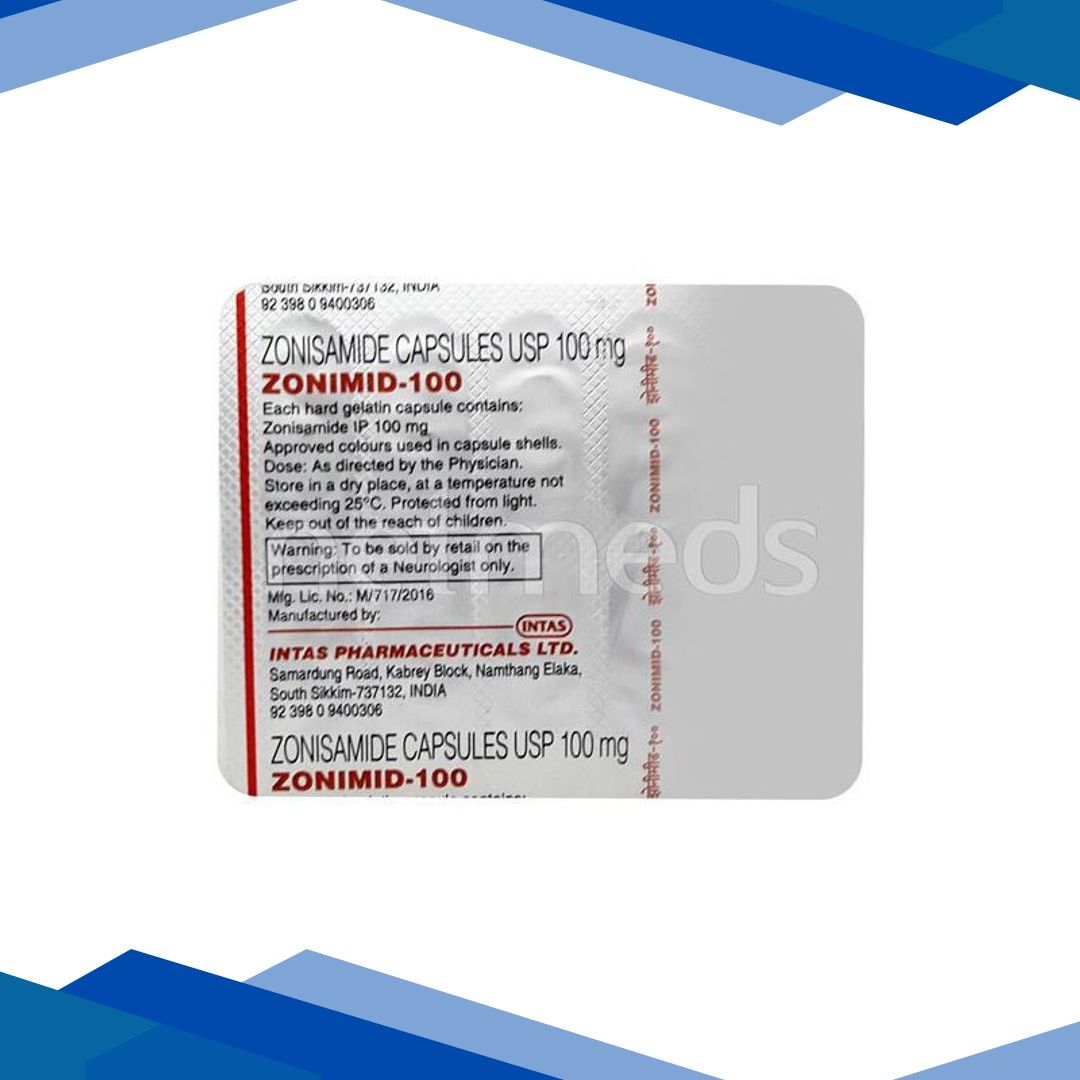
Zonimid 100mg Capsule 10’S