

ZYMOGREAT Drops 15ml
❌ Due to high demand, this product is currently out of stock. New stock will be available shortly.
👉 Click here to Buy Same Salt medicine
No Prescription yet? Don’t worry! Click Here to Get Online Consultation
Almagate + Simethicone is a combination medicine commonly used to relieve acidity, heartburn, gas, and indigestion. Almagate works as an antacid that neutralizes excess stomach acid, while Simethicone helps break down gas bubbles in the stomach and intestines, reducing bloating and discomfort. It provides quick relief from symptoms associated with acid reflux and gastric irritation.
Caraway oil
Caraway Oil (Pure Cold-Pressed)
Caraway Oil is a concentrated essential oil extracted from the dried ripened seeds of the Carum Carvi plant implemented for its potent carminative (gas-relieving) and antispasmodic properties, designed to support good digestion and intestines for generations. It denotes the presence of active agents classified as Carvone and Limonene that act in synergy to relax the smooth muscles of the GI tract concerning the natural expulsion of gas.
Key Health Benefits
Relieves Bloating & Flatulence: It breaks down gas bubbles in the stomach and intestines for quick relief from bloating.
Supports Digestion: Induces the secretion of digestive enzymes for the efficient breakdown of complex foods.
Antispasmodic: Eases stomach cramps and intestinal spasms often associated with irritable bowel syndrome.
Appetite Stimulant: Traditionally used for improving appetite in people recovering from illness.
Antimicrobials of Nature: Practically strive to inhibit the growth of harmful bacteria, maintaining the balance of gut flora.
Product Information
Botanical Name: Carum carvi
Active Components: Carvone (50–60%), Limonene, and Germacrene.
Purity: 100% Pure, Steam-Distilled/Cold-Pressed.
Form: Liquid Oil (Available in dropper bottles or enteric-coated capsules).
Usage
For Digestive Comfort: Dilute 1–2 drops of Caraway Oil in a glass of warm water or mix with a teaspoon of honey. Take after meals.
Topical Massage: Mix 2 drops with a carrier oil (like Coconut or Almond oil) and gently massage onto the abdomen in a clockwise motion to relieve cramps.
Aromatherapy: Add a few drops to a diffuser to help ease nausea or mental fatigue.
Safety Precautions and Warnings
Dilution is Key: Never consume or apply undiluted Caraway Oil directly, as it is highly concentrated and may cause irritation.
Pregnancy & breastfeeding: Not recommended for the pregnant if woman because it may stimulate uterine contractions. Consult your gynecologist before using it.
Skin sensitivity: Always do a patch test on your forearm before applying over a larger area of skin.
Diabetes: Caraway can reduce blood sugar. If you are a diabetic patient on blood-sugar-lowering therapy, monitor your blood sugar levels regularly.
Frequently Asked Questions (FAQs)
Q: Are Caraway Oil and Cumin Oil the same?
No, though they belong to the same botanical family, Caraway (Carum carvi) has its own distinct sweet-spicy aroma. Carvone has differing medicinal properties, and Cumin (Cuminum cyminum) does not contain any.
Q: Can I use Caraway Oil for my baby's colic?
Caraway is traditionally used to treat colic, but an infant should never be given the concentrated form of essential oils. Instead, buy commercial "Gripe Water" prepared from a safe commercial formulation of a diluted caraway water that is safe for babies. Talk to your pediatrician regarding it.
Q: How does it help in IBS?
Caraway oil is a good choice for relaxing these muscles that line the digestive tract. Gastroenterologists seem to recommend it a lot in combination with enterically coated Peppermint oil capsules as treatment against the pain and bloating in Irritable Bowel Syndrome.
Q. For weight loss, is it useful?
While not a weight-loss agent, Caraway oil is well suited to reducing "water weight" and bloating. It might contribute to reducing appetite issues, some researchers suggest, when used in this capacity as part of a wellness system.
Q: Does Caraway Oil expire?
A: Essential oils mostly have a shelf life of two years to three years at most. If the oil changes in appearance and consistency or loses its characteristic smell and aroma, it will most likely be having undergone oxidation and should then be discarded at once.
Expert tip
By Hedge: Caraway oil works well when utilized consistently for chronic gastrointestinal problems. Consulting a medical professional pathway is advisable before solely relying on medicinal herbs, especially if consistent pain in your abdomen persists, sudden weight loss, or changes in bowel habits.
Caution: Information provided should be evaluated as educational, and should in no way be considered a replacement for medical information. Read the label on any essential oil quite carefully.
Cardamom Oil
Cardamom Essential Oil (Elettaria cardamomum)
Cardamom Oil is a highly concentrated essential oil distilled from the seeds of the Elettaria cardamomum plant using an apparatus like steam distillation. It is regarded as quite important in both ancient herbal medicine as well as current aromatherapy due to its high content of two constituents, 1,8-Cineole and Terpinyl Acetate, making it effectively a good natural means to relieve flatulence, in addition to its antispasmodic and anti-microbial powers, therefore required by people seeking for diseases of digestion and for ease with breathing.(logits that could be eventually added as features of reputable thing or relatedness)
Major Therapeutic Uses:
- Digestive Stimulant: Alleviates flatulence, bloating, and abdominal cramps due to intestinal muscle relaxation.
- Respiratory Support: A germane expectorant, Cardamom Oil is good for relieving stuffiness and improving breathing ability when inhaled.
- Oral Health: Its antimicrobial properties assist in fighting against halitosis (bad breath) and enhancement in general gum health when also applied.
- Brain Clarity: In aromatherapy, its spicy-sweet aroma is used to reduce mental fatigue and improve concentration.
CARDAMOM OIL ANTI-SPASMODIC BENEFITS: It helps with muscle spasms, tremors, and muscle twitching when you dilute and rub it on the skin.
Product Specifications
Extraction Method: Steam Distilled.
Purity: Therapeutic Grade, Undiluted, and Hexane-Free.
Color: Clear to pale yellow liquid. The aroma is warm, spicy, and balsamic.
Major Components: Alpha-terpinyl acetate, Limonene, and Cineole.
AROMATHERAPY USES
Aromatherapy: To reduce a tired feeling and revitalize the air, diffuse 3–5 drops in a vaporizer or diffuser.
Topical Massage: Mix 2 drops of Cardamom Oil with a carrier oil (such as Virgin Coconut or Almond Oil), and massage gently on the belly region if you suffer from digestive discomfort.
Oral Hygiene: Add 1 drop to a cup of warm water and use it as a mouth rinse (do not swallow) to neutralize bad breaths.
ALTERNATIVE USES
Inhalation: Add 2 drops of Cardamom Oil into a container full of hot water to soak and inhale: The steam clears nasal passages.
Safety Profiles/Prudence
Cardamom Oil is not strictly suitable for skin application due to its high potency, and always needs to be diluted with a carrier oil before application.
For patch testing purposes always use a small amount of oil in an area of skin that is a sensitive test area for allergic reactions.
Do not take pure essential oils internally unless thoroughly supervised by a certified clinical aromatherapist or physician.
Pregnancy & Children: Consult with a healthcare provider before using oils while pregnant, nursing, or again for children under 6 years of age.
Q/A
Q: Is Cardamom Oil a different term for the Cardamom pods used in cooking?
While coming from the same plant, that oil is highly concentrated. A single drop of cardamom oil will equip with stronger properties than many crushed pods. Some food-grade oils are to be used when infused consuming as a flavouring due to their very, very good smell.
Q: Will cardamom oil handle nausea?
Yes, inhaling the aroma of Cardamom essential oil can uplift the user, prevent nausea, and alleviate motion sickness.
Q: Is storage important to keep its potency?
Essential oils are light-sensitive, so the bottle should not be left in an area that receives too much sun. Instead, the essential oil bottle should be kept in a cool place away from direct sunlight. Furthermore, close the lid firmly to prevent evaporation and oxidation.
Q: Does this interact with any medications?
Inhaled or applied in diluted form on the skin, it's mild enough to be safe, but, if you're treating gallstones or other liver conditions, ask your healthcare provider before putting yourself at risk, because cardamom sharply enhances bile secretion.
Q: Can I apply it directly to a toothache?
Cardamom Oil has some analgesic properties but is hot. Better to use a diluted solution, such as on a cotton ball to touch that on sensitive gums, rather than applying the pure oil itself.
Expert Insight
When dealing with "brain fog" or midday fatigue, Cardamom Oil can be an excellent companion to any of the floral fragrances of Rose or Orange oils. This is a combination that is widely recommended by many wellness experts for mood upliftment without causing caffeine-related jitters.
Please note that these statements are for informational purposes only and should not be substituted for medical advice. Always consult your doctor for additional information prior to starting any new treatment regime with herbs and essential oils.
Cinnamon oil
Cinnamon Oil: Fresh & Potent Extract of Natural Cinnamon
Cinnamon oil is a highly concentrated extract from the bark or leaves of the cinnamom tree. Apart from its spicy warm aroma and strong healing attributes, it is a popular aid for air sanitization and circulatory effects. It is a regular feature in aromatherapy and topical care for its antimicrobial and circulatory stimulation properties.
Nature’s Warmth for Total Wellness
Cinnamon oil is rich in cinnamaldehyde, a natural compound responsible for most of its therapeutic effects. This makes it helpful for tired muscles, while also creating a warm and comforting environment when used in aromatherapy.
Key Benefits & Uses
Aromatherapy: Enhances mood, concentration, and warmth. Its fragrance creates a comforting atmosphere.
Muscle Soother: When properly mixed with a carrier oil, it may help stimulate blood flow and relieve stiff muscles and joint discomfort.
Natural Antimicrobial: Supports environmental cleansing and skin health (when used carefully) due to its antibacterial and antifungal properties.
Respiratory Support: Often blended with eucalyptus oil to help clear the nasal passages during inhalation therapy.
Oral Hygiene Support: Sometimes added in small amounts to natural mouthwash mixtures to help reduce bad breath and bacterial growth.
Safety & Usability Precautions
Classes
Information
Skin Sensitivity
Very high risk (hot oil). Cinnamon oil can cause topical burns if not properly diluted. Usually, 1 drop of cinnamon oil should be mixed with about 10 drops of carrier oil for safe topical use.
Pregnancy
Avoid during pregnancy because it may have emmenagogue effects (stimulates blood flow to the pelvic region).
Patch Test
Always perform a patch test and wait 24 hours before applying it widely on the skin.
How to Use in Real Life
Diffuser: Add 2–3 drops to a diffuser with water to spread a pleasant aroma and create a relaxing atmosphere.
Massage: Mix 1 drop with 2 tablespoons of carrier oil for a soothing body massage.
Potpourri: Add one or two drops on dry flowers or pinecones to naturally freshen the room air.
Frequently Asked Questions (FAQs)
1. Can I apply the oil directly on my skin?
No. Pure cinnamon oil can cause severe irritation, redness, or blisters. Always dilute it with a carrier oil such as jojoba oil, coconut oil, or olive oil.
2. Is Cinnamon Oil safe for children and pets?
It is generally best to avoid using cinnamon oil around children and pets. Its strong compounds may irritate their skin, lungs, or trigger respiratory problems.
3. Does Cinnamon Oil stimulate hair growth?
In some cases, it may support hair growth by improving blood circulation in the scalp. However, it should be used very diluted and kept away from eyes and sensitive skin.
4. What is the difference between Bark Oil and Leaf Oil?
Cinnamon Bark Oil is stronger, more intense, and often used for its antifungal properties.
Cinnamon Leaf Oil is usually milder and contains more eugenol, making it more suitable for regular aromatic use.
5. Can this oil help in controlling blood sugar?
While cinnamon spice is sometimes linked with blood sugar management, cinnamon essential oil is not a medical treatment. It should never be consumed or used for metabolic conditions without medical supervision.
Papain
Papain is a proteolytic enzyme extracted from the fruit of the papaya plant (Carica papaya). It is widely used as a digestive aid, helping break down complex proteins into simpler peptides and amino acids. Clinically, it is also recognized for its role in wound healing and as a potent anti-inflammatory agent.
Benefits to Primary Health
Optimizes the Digestion: Helps reduce bloating by breaking down high-protein meals efficiently.
Prevents Bloating and Gas: Limits fermentation in the stomach, thereby reducing gas formation.
Anti-Inflammatory: Helps reduce swelling and pain, especially after dental procedures or minor injuries.
Immune Support: Acts as a potent antioxidant, combating oxidative stress.
Sore Throat Relief: Lozenges may help reduce redness and swelling of the throat and pharynx.
Usage of Papain
For Digestion: Most effective when taken during or immediately after meals.
Dosage: Typically available in 100 to 500 mg capsules or chewable tablets. Always follow package instructions or your nutritionist’s advice.
Administration: Chewable tablets should be fully chewed or dissolved before swallowing for maximum enzyme activity in the mouth and throat.
Safety Precautions & Warnings
Allergy Alert: Individuals allergic to latex may experience cross-reactivity with papain (also linked with kiwi or figs). Discontinue use if rash or itching occurs.
Pregnancy & Breastfeeding: Generally not recommended during pregnancy, as enzymes from unripe papaya may trigger uterine contractions.
Surgical Precaution: Stop use at least 2 weeks before surgery or dental procedures due to its mild blood-thinning effect.
Drug Interaction: Consult a doctor before combining with blood thinners like Warfarin, as it may increase bruising risk.
Potential Side Effects
Papain is generally well-tolerated, but some users may experience:
- Mild stomach cramps
- Temporary diarrhea (especially at high doses)
- Throat irritation (with strong lozenges)
Frequently Asked Questions (FAQs)
Q: Can I mix the labels for Papain and Bromelain?
A: Both are proteolytic enzymes, but differ in source and function. Papain (from papaya) is more focused on protein digestion, while Bromelain (from pineapple) is often used for joint inflammation.
Q: Will taking Papain with water make me thin?
A: Papain is not a fat burner, but it may improve digestion and reduce bloating, which can contribute to a flatter abdomen.
Q: So will Morphin affect Papain in some way?
A: Some proteolytic enzymes may enhance the absorption of certain medications. It’s best to space doses or consult your healthcare provider.
Q: Can I get enough Papain from merely having the ripe papaya fruit?
A: Ripe papaya is beneficial, but higher concentrations of papain are found in unripe (green) papaya latex. Supplements provide a more standardized dose.
Q: Is it safe for daily use?
A: Generally safe for healthy adults when used as directed. For chronic conditions, cyclic use under professional guidance is recommended.
Simethicone
Simethicone, often prescribed as oral drops, chewable tablets, or capsules to relieve gas and pain, has almost become an accepted default anti-foaming agent for dyspepsia. Simethicone is actually an inert material that works to relieve its issues in physical ways without entering the general circulation and hence it is safe enough for children. Simethicone is usually available singly or in a tablet combined with an antacid for indigestion and heartburn.
UseTherapeutic Uses
Relieves Bloating: Quickly eases the bloated sensation of fullness and pressure in the stomach
Manages Flatulence: Assists in easy escape of the air, thereby reducing trapping of intestinal wind
Infantile Colic: Pediatric drops are often used to soothe babies with gas-induced distress
Preparation for Diagnosis: Occasionally used to clear out the gas shadow from the gastrointestinal tract before endoscopic or radiographic investigations
Mechanism of Action
All in all, simethicone lowers the surface tension of gas bubbles in the stomach and intestines.
Coalescence: This phenomenon brings together the small bubbles caught inside the larger ones.
Evacuation: These larger bubbles become more manageable for the body to excrete either by belching or burping.
Note: Simethicone does not prevent gas from forming but makes it easier to exit from the body.
Dosage & Administration
Adults: Generally, 40-125 mg should be taken four times a day or the dosage should be given as needed.
Children: Dosage used in infants is normally weight-based. Use the medicine dropper provided with the drug.
Timing: It is better to take simethicone after meals and at bedtime.
Form: The chewable tablets need to be thoroughly chewed before swallowing; liquids must be shaken prior to usage
Safety Profile & Side Effects
Since simethicone does not enter the bloodstream, its side effects are almost nonexistent, leading to a good safety profile.
Use of Common Side Effects: Infrequent record of diarrhea or nausea. Consult your physician if you experience any signs of allergy.
Prep & Warnings
Interactions: Simethicone could potentially reduce the uptake of indifferent thyroid medicaments (Levothyroxine) while being taken. Keep four hours in between the two.
Pregnancy/Breastfeeding: It ought to be fine, as it is not leaked into the general circulation, but do ask the doctor.
Underlying/Minor Ailments: If they bother people for more than two weeks or get worse, sidle close to a gastroenterologist.
FAQs
Q: Can Simethicone be an antacid?
No; simethicone is, in fact, an antiflatulent. While the combination of antacids and simethicone (such as magnesium hydroxide) available sell them as "2-in-1," they do not, in fact, work to neutralize stomach acid. It is working to break down the gas bubbles.
Q: When does simethicone usually begin to work?
You will typically feel relief in 15 to 30 minutes, as the gas bubbles begin to move through and break up in the digestive tract.
Q: Can I give simethicone to my newborn?
Yes, actually simethicone is quite often given to colicky babies. Just make sure you use only the infant-strength (drops) and administer as per pediatrician's instructions.
Q: Can simethicone be taken every day?
You can use it daily as needed; however, always discuss with your doctor if you need it every day for more than two weeks, to rule out chronic conditions like IBS or food intolerances.
Q: Does simethicone cause constipation?
No, simethicone doesn't usually induce constipation. Should you experience an alteration of your bowel habits, it could be the other ingredients and/or any existing components present within the formula that promote bowel habit alterations, so talk with your doctor about simethicone or the composition of the pharmaceutical preparation.
Storage
Store at room temperature ($20\text{°C}$ to $25\text{°C}$). Keep bottled products away from dampness and heat. Always keep the bottle tightly closed when not in use.
Disclaimer: These facts are only for educational purposes and not a piece of actual medical advice. Always go through the label or see your physician before using the product.
At Gem Pharmacy, we make every effort to provide accurate, expert-written, and thoroughly reviewed information related to medicines. However, this information should not be considered a substitute for professional medical advice, diagnosis, or treatment from a qualified doctor.
The purpose of this information is to educate users and improve communication between patients and healthcare professionals. It should not be used to diagnose or treat any condition.
Always consult a certified healthcare professional before taking any medication.


Related products

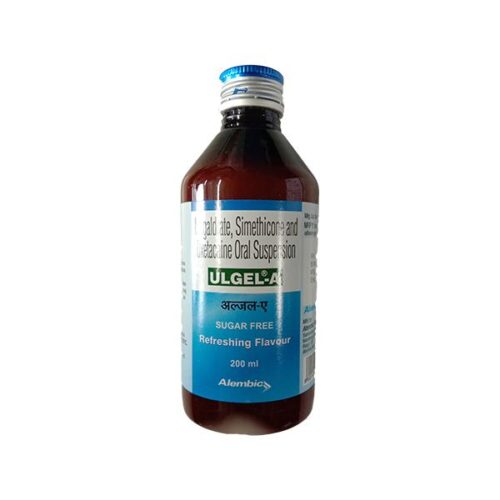
Ulgel A Sugar Free Refreshing Flavour Oral Suspension 200ml