


Showing 1–20 of 28 resultsSorted by popularity
Filter

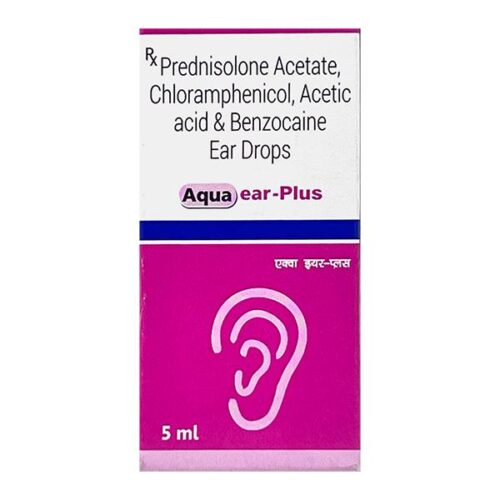
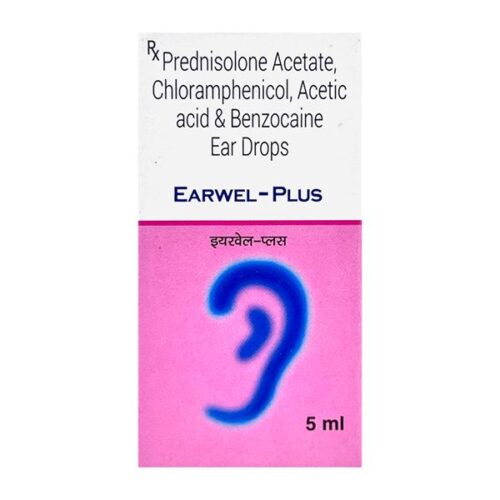
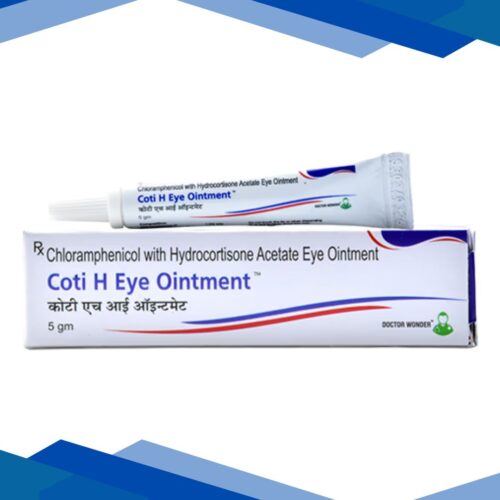
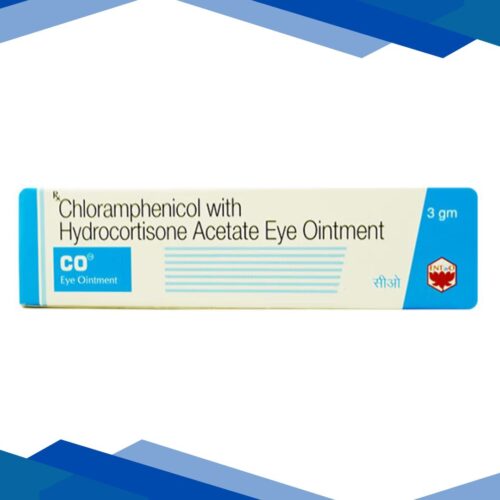
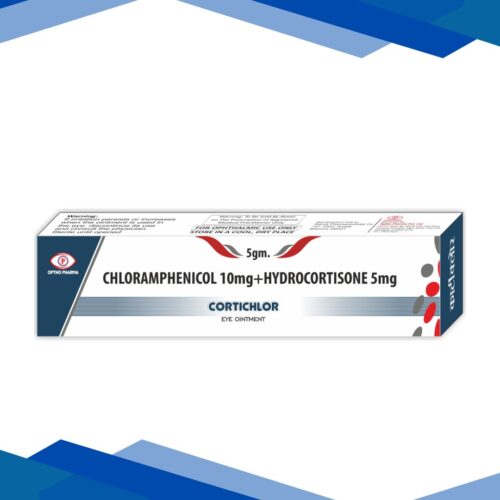


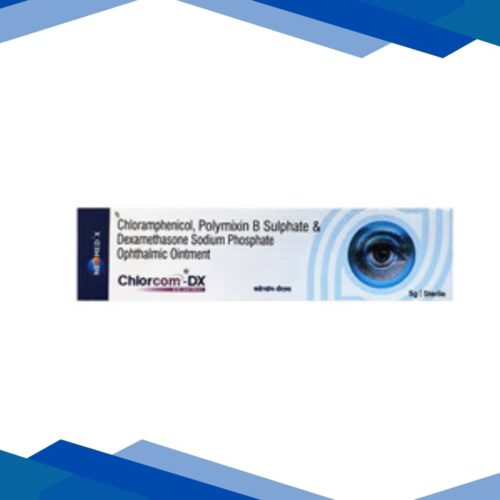
CHLORCOM DX Eye Ointment 5g
POLYCHLOR DM Eye Ointment 5gm
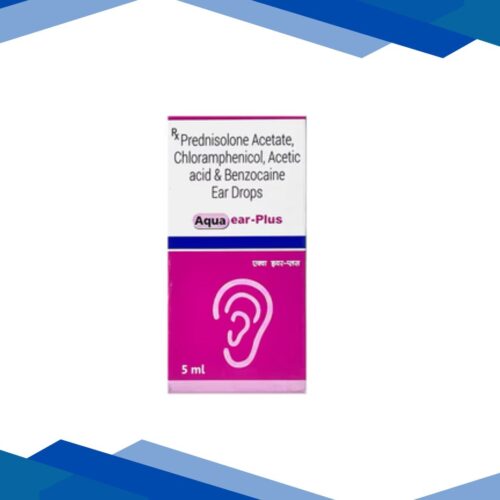


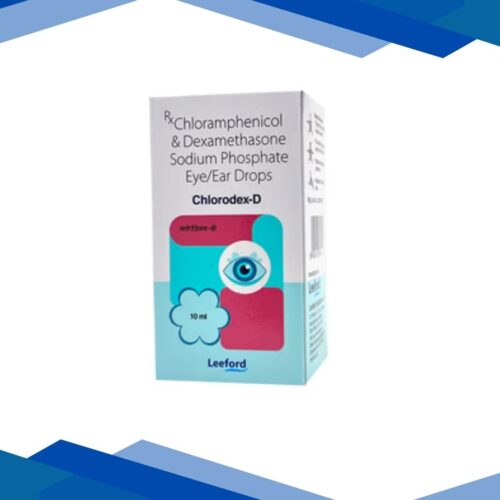
CHLORODEX D Eye/Ear Drops 10ml

POLYSHIELD DX Eye Ointment 5g
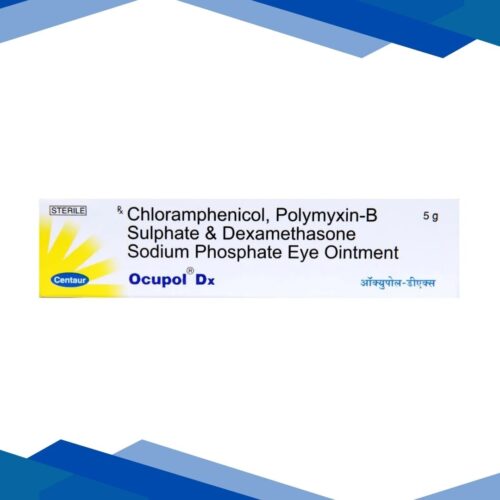
Chloramphenicol (USP/IP)
Chloramphenicol is a potent, broad-spectrum antibiotic used for treating serious bacterial infections. Originally derived from Streptomyces venezuelae, it works by inhibiting bacterial protein synthesis, thereby stopping bacterial growth. Due to its strength and risk profile, it is reserved for severe infections where other antibiotics are ineffective.
Therapeutic Uses
Chloramphenicol is available in forms like eye/ear drops, capsules, and injections, and is used for:
Bacterial Conjunctivitis (“pink eye”)
Otitis Externa (outer ear infections)
Typhoid Fever (in resistant or severe cases)
Meningitis (specific bacterial infections)
Serious Anaerobic Infections
Important Aspects
Penetration: Crosses the blood-brain barrier effectively.
Activity: Active against a wide range of organisms like H. influenzae and Salmonella.
Action: Shows a rapid reduction in bacterial load.
A Guide on How to Utilize
Eye/Ear Drops: Wash hands, tilt head, and apply drops. Avoid touching the dropper tip.
Oral Capsules: Take on an empty stomach (1 hour before or 2 hours after meals) with water.
Duration: Complete the full prescribed course to prevent resistance.
Contraindications
Warning: Use is restricted due to risk of serious blood disorders like aplastic anemia. Monitoring may be required during prolonged therapy.
Common side effects include:
Nausea and vomiting
Blurred vision (eye drops)
Diarrhea
Weakness or fatigue
Metallic taste
Seek immediate medical help if symptoms like fever, sore throat, unusual bruising, or pale skin occur.
Precautions & Contradictions
Pregnancy & Nursing: Avoid in late pregnancy and breastfeeding due to risk of Gray Baby Syndrome.
Liver & Kidney Issues: May require dose adjustments.
Immunization: May interfere with vaccine response.
Alcohol: Avoid due to increased gastrointestinal side effects.
Frequently Asked Questions (FAQs)
Q: Can it treat viral infections?
No. It is effective only against bacterial infections.
Q: Why are blood tests needed?
To monitor for bone marrow suppression affecting RBCs, WBCs, and platelets.
Q: What if I miss a dose?
Take it when remembered unless close to the next dose. Do not double dose.
Q: How should eye drops be stored?
Typically at 2°C to 8°C (check product instructions).
Q: Can I wear contact lenses?
Avoid until infection resolves; preservatives may damage lenses.