
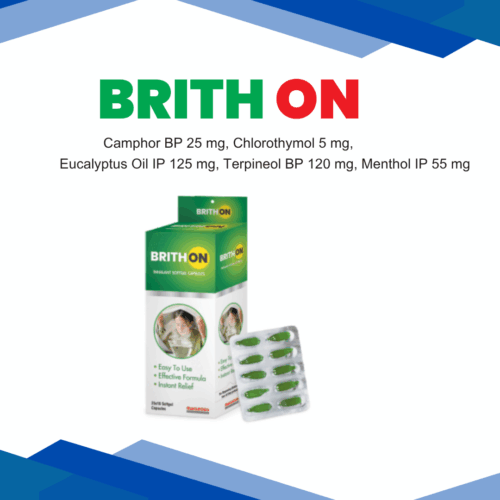
Eucalyptus: Assists in Respiratory Comfort & Beyond
Eucalyptol, formerly known as 1,8-cineole, belongs to the cyclical ether class of terpene and is the most important ingredient in eucalyptus oil. Its full, fresh aroma of camphor makes it a popular choice of preparation in most over-the-counter cough and cold medicines, mouthwashes, rubs, balms, and the like. With its renowned powers of thinning mucus (mucolytic action) and anti-inflammatory activity, eucalyptol is a real rescuer in this domain, as it clears and opens the airway while relieving any irritation occurring in the respiratory tract.
Concrete Use & Action
- Respiratory Relief: Acts as an expectorant to help loosen phlegm and clear congestion associated with the common cold, bronchitis, and sinusitis.
- Oral Hygiene: Found in many antiseptic mouthwashes to help reduce dental plaque and fight bad breath.
- Anti-inflammatory Effects: May help reduce swelling in the airways, making breathing easier for those with mild asthma (under medical supervision).
- Topical Pain Relief: When diluted and applied to the skin, it can provide a cooling sensation that helps relieve minor muscle and joint pain.
Quick Facts Table
| Features | Details |
|---|---|
| Drug Class | Expectorant / Terpenoid |
| Common Dosages | Inhalants, Lozenges, Syrups, Topical Balms |
| Main Application | Cough, Cold, and Nasal Congestion |
| Principal Property | Breaks down mucus |
LCD & PG
- Do NOT OP: The oil should not be ingested as is: absolutely undiluted eucalyptol/eucalyptus oil can be toxic when swallowed. Only use products specifically formulated for oral intake (like lozenges or syrups).
- Dilute, dilute, dilute: Any direct skin application should always be diluted thoroughly with a carrier oil (think coconut or jojoba) to prevent skin irritation.
- Children & Infants: Eucalyptol products are best kept away from the face or nose of children below the age of 2, as it can cause severe breathing difficulties.
- Pregnancy/Breastfeeding: Consult your doctor first before consuming, as there is scarce safety data on these groups.
Frequently Asked Questions (FAQ)
Q: Is Eucalyptol found in steam inhalation?
A: Yes. Adding 2–5 drops of a eucalyptol-based inhalant in warm water will help clear the nasal passages. Make sure the water is not boiling to avoid burns, and keep your eyes closed when inhaling.
Q: Does Eucalyptol help in asthma?
A: Some studies show that eucalyptol can act to decrease mucus in asthma patients; however, it should never replace an inhaler prescribed by a doctor. Always consult your pulmonologist before incorporating it into your regimen.
Q: What needs to happen if one ingests pure eucalyptus oil accidentally?
A: It is a medical emergency. Visit the hospital immediately. Poison control can also be contacted, as even small amounts can cause dizziness, nausea, or seizures.
Q: Can one use it daily?
A: Yes, when used in lozenges or mouthwash, it is generally safe for daily use. Overusing high-strength inhalants can sometimes lead to irritation of the respiratory lining.
Q: What kinds of medicine interact with Eucalyptol?
A: Eucalyptol may affect how your liver processes certain medications. If you are taking chronic medication (especially for diabetes or liver conditions), consult your pharmacist.