





















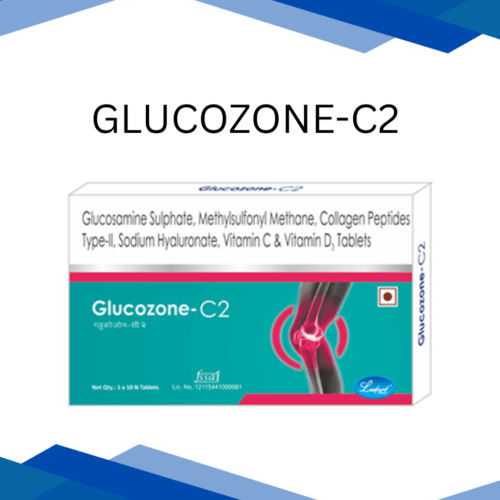
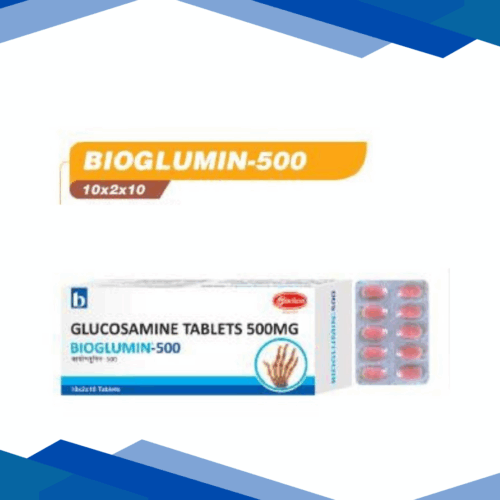
Glucosamine: Essential Support for Joint Mobility & Cartilage Health
Glucosamine is a naturally occurring compound found in human cartilage—the tough tissue that cushions joints. As we age or experience physical strain, the natural levels of glucosamine in the body can deplete, leading to joint discomfort and reduced flexibility. Available as a high-quality supplement (often as Glucosamine Sulfate or Glucosamine Hydrochloride), it is a cornerstone of proactive joint care.
Primary Health Benefits
Cartilage Regeneration: Acts as a building block for the molecules that form the structural framework of your joints.
Osteoarthritis Management: Widely used to reduce pain and improve physical function in individuals with mild-to-moderate knee or hip osteoarthritis.
Anti-Inflammatory Properties: Helps dampen the inflammatory response within the joint capsule, reducing morning stiffness.
Enhanced Lubrication: Supports the production of synovial fluid, the “oil” that keeps your joints moving smoothly.
How Glucosamine Works
Glucosamine is a precursor for glycosaminoglycans, which are the major components of joint cartilage. By supplementing with Glucosamine, you provide your body with the raw materials needed to repair wear and tear. Over time, this helps maintain the thickness and elasticity of the cartilage, preventing “bone-on-bone” friction.
Expert Usage & Lifestyle Tips
The “Slow-Acting” Effect: Unlike instant painkillers, Glucosamine builds up in your system. It typically takes 4 to 8 weeks of consistent daily use to notice significant improvements in mobility.
Optimal Absorption: It is best taken with meals to minimize any potential digestive discomfort.
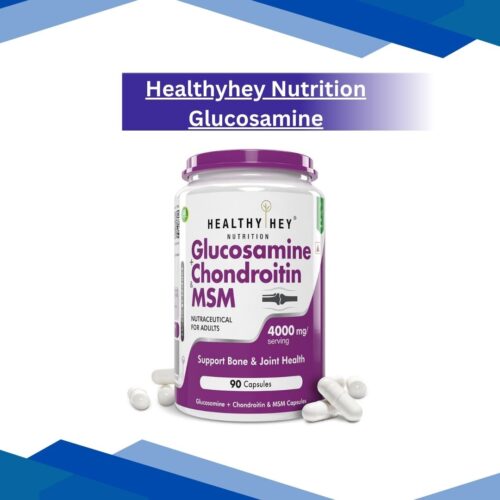
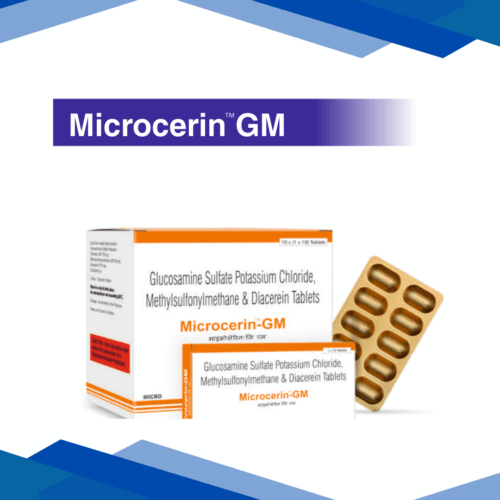
Synergistic Pairings: Many users find better results when combining Glucosamine with Chondroitin or MSM (Methylsulfonylmethane) for comprehensive joint support.
Stay Active: Low-impact exercises like swimming or cycling complement the effects of Glucosamine by strengthening the muscles surrounding the joints.
Glucosamine: Frequently Asked Questions (FAQs)
Q: Is Glucosamine safe for people with shellfish allergies?
A: Most Glucosamine supplements are derived from the shells of shellfish (shrimp, lobster, or crab). If you have a severe shellfish allergy, look for “Vegetarian Glucosamine” or “Shellfish-Free” labels, which are derived from fermented corn or fungi.
Q: Can Glucosamine cure arthritis?
A: There is currently no known cure for arthritis. However, Glucosamine is highly effective at managing symptoms, slowing down joint degradation, and improving the overall quality of life for many patients.
Q: Does Glucosamine affect blood sugar levels?
A: While Glucosamine is a type of amino sugar, most clinical studies show it does not significantly impact blood glucose in healthy individuals. However, if you have Type 2 diabetes or insulin resistance, it is wise to monitor your levels closely when starting the supplement.
Q: What is the recommended daily dosage?
A: The standard clinical dose used in most successful trials is 1500 mg per day. This can be taken as a single dose or split into three 500 mg doses throughout the day.
Q: Can I take Glucosamine if I am on blood thinners?
A: There is some evidence that Glucosamine may increase the effects of blood-thinning medications like Warfarin. If you are on anticoagulants, consult your physician before adding Glucosamine to your routine.
Supplement Facts & Quick Guide
Feature
Details
Best For
Joint stiffness, Knee pain, Sports recovery
Common Forms
Tablets, Capsules, Effervescent powder
Source
Marine (Shellfish) or Vegan (Fermentation)
Interactions
Warfarin (Blood thinners), certain chemotherapy drugs
Manufacturer & Storage Information
Storage: Store in a cool, dry place away from direct sunlight. Keep the container tightly closed to prevent moisture absorption.
Safety: Keep out of reach of children. Not intended for use by pregnant or nursing women unless specifically advised by a doctor
