


Showing all 12 resultsSorted by popularity
Filter
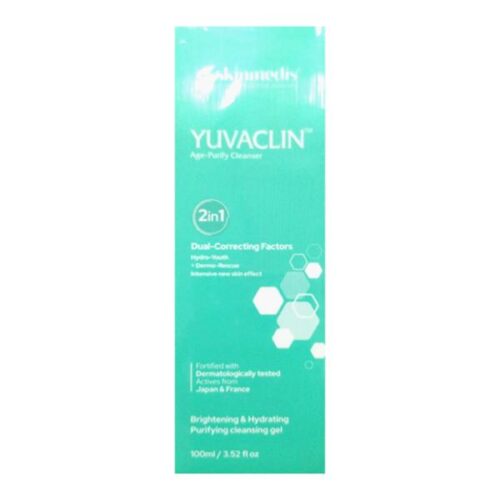
YUVACLIN AGE PURIFY Cleanser 100ml

LOZIVATE MF XL Ointment 60g
TOPISAL MF 3% Ointment 30gm

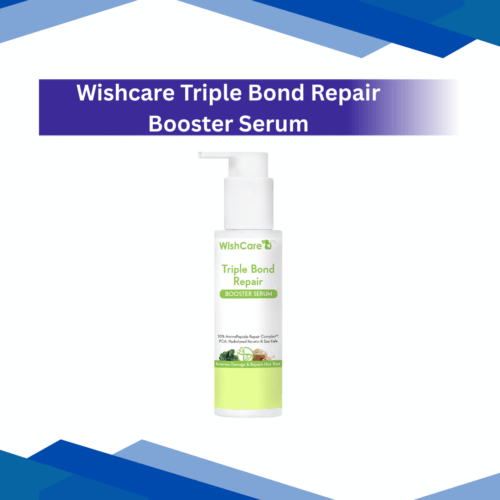
Wishcare Triple Bond Repair Booster Serum
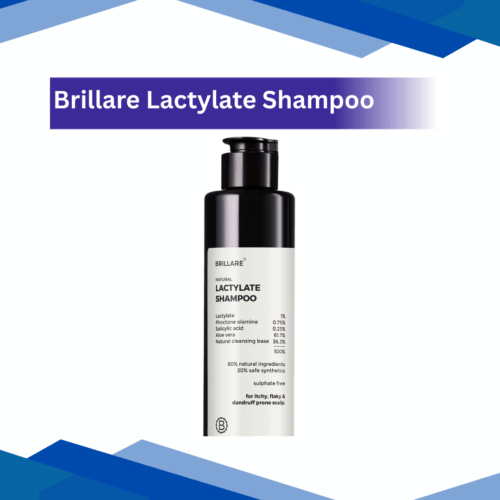
Brillare Lactylate Shampoo 200 ml
Lactic Acid (Alpha Hydroxy Acid-AHA)
Lactic Acid is a potent Alpha Hydroxy Acid (AHA) that naturally occurs in the body and is widely used in therapeutic skincare. Known as a “gold standard” exfoliant, it also offers hydrating benefits. With its ability to exfoliate and condition the skin, Lactic Acid helps treat hyperpigmentation, xerosis (dry skin), and keratosis pilaris. Its larger molecular size allows it to work more superficially, making it gentler than stronger acids.
Primary Therapeutic Actions
Gentle Exfoliation: Breaks the “glue” binding dead skin cells, promoting cell turnover and revealing brighter, smoother skin.
Natural Humectant: Enhances moisture retention, preventing dryness unlike harsher exfoliating acids.
Pigmentation Correction: Helps reduce dark spots, age spots, and sun damage by accelerating skin renewal.
Antimicrobial Properties: Supports the skin’s acid mantle, helping prevent acne-causing bacteria growth.
Some Known Formulations
Dermatological: Found in creams for eczema, psoriasis, and xerotic skin.
Cosmetic: Used in chemical peels and daily serums for a “glass skin” effect.
Hygiene: Common in vaginal washes to maintain a healthy pH balance (3.5–4.5).
How to Use & Tips
(A) Concentration Matters: Avoid high concentrations in DIY use. Prefer 5%–10% formulations over stronger 30% professional peels.
(B) Sun Sensitivity: AHAs increase sun sensitivity—always use SPF 30 or higher.
(C) Patch Test: Test on a small area (behind ear or inner forearm) before full application.
(D) Application: Apply to clean, dry skin at night, followed by a moisturizer.
Safety Points
Dermatologist Pro Tip: Avoid combining high-strength AHAs (like lactic acid, glycolic acid) with retinoids or high-dose Vitamin C simultaneously—alternate usage instead.
Avoid Broken Skin: Do not apply on open wounds, sunburn, or active rashes.
Tingling Sensation: Mild tingling is normal, but discontinue if it progresses to burning or redness.
Potential Side Effects
Though considered a gentler AHA, some may experience:
Mild redness or flushing
Peeling or flaking (usually temporary and mild)
Increased sensitivity to heat or wind
Popular Questions (FAQs)
Q: Can I use lactic acid every day?
A: Yes, at low concentrations (<10%), but start with 2–3 times per week and increase gradually based on skin tolerance.
Q: Does it help with dark spots?
A: Yes, by removing dead skin cells and promoting cell turnover, it helps even skin tone and fade pigmentation.
Q: Does Lactic Acid unclog pores?
A: It doesn’t directly unclog pores but helps resurface the skin, making pores appear less congested.
Q: Can it be used on feet in winter?
A: Yes, especially in formulations combined with glycolic acid, to treat dry, rough skin.
Q: How does it help with adult acne?
A: It supports skin renewal and reduces bacterial growth, though treatments like benzoyl peroxide may also be recommended.
Note: The skin cell turnover cycle is about 28 days. Visible improvement in texture may appear within 1 week, while significant results typically occur after 4–6 weeks of consistent use.
