




Rivaroxaban: Usages, Side Effects, and Dosage
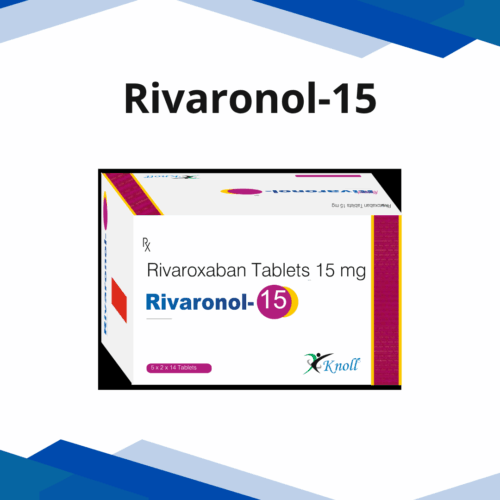
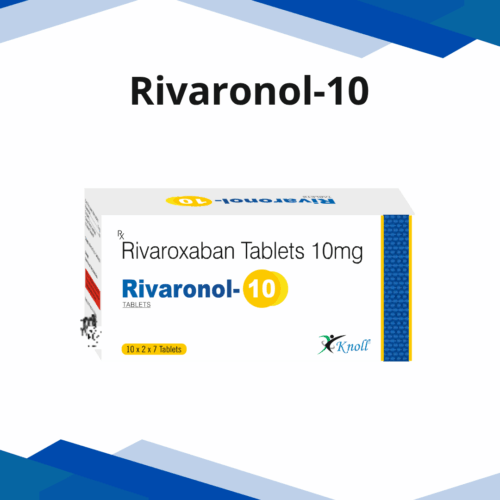
Rivaroxaban is an effective anticoagulant (commonly called a blood thinner). It belongs to the class of Factor Xa inhibitors. Unlike some older anticoagulants, it does not require regular blood testing, making it a convenient option for long-term treatment in various cardiovascular conditions and prevention of blood clots.
How It Works
Rivaroxaban functions as a selective inhibitor of Factor Xa, an enzyme critical in the blood clotting process. By blocking this pathway, it reduces clot formation and allows blood to flow more freely.
It helps prevent dangerous clots in the:
- Heart
- Lungs
- Legs (deep veins)
Primary Benefits & Uses
Stroke Prevention: Reduces the risk of stroke in patients with non-valvular atrial fibrillation.
DVT & PE Treatment: Used for deep vein thrombosis (DVT) and pulmonary embolism (PE).
Post-Surgical Protection: Prevents blood clots after hip or knee replacement surgery.
Coronary Artery Disease: At lower doses, helps reduce major cardiovascular events in patients with chronic coronary or peripheral artery disease.
The Mode of Usage
Strength | Recommended Timing | Administration Tip
2.5 mg | Twice daily | Take with or without food
10 mg | Once daily | Take with or without food
15 mg / 20 mg | Once daily | Take with food
Pro Tip: Take your dose at the same time every day—preferably in the evening—to maintain a steady drug level in your bloodstream.
Safety Precautions
Before starting Rivaroxaban, inform your doctor if you have:
Kidney or Liver Disease: May require dose adjustments.
Risk of Bleeding: History of ulcers, recent surgery, or bleeding disorders.
Pregnancy & Breastfeeding: Generally not recommended.
Upcoming Procedures: You may need to stop the medication 24–48 hours before surgery or dental work.
Frequently Asked Questions (FAQs)
Q: Is Rivaroxaban the same as Warfarin?
A: No. Rivaroxaban is a NOAC (New Oral Anticoagulant). It works faster, has fewer food and drug interactions, and usually does not require INR monitoring like Warfarin.
Q: What should I do if I miss a dose?
A:
- For once-daily dosing: Take it as soon as you remember on the same day.
- For twice-daily dosing (15 mg): You may take two 15 mg tablets in one day if needed.
- Never take two 20 mg tablets together.
Q: Can I drink alcohol while taking Rivaroxaban?
A: It is best to avoid alcohol, as it increases the risk of stomach bleeding and may interfere with clotting.
Q: Does it cause weight gain?
A: No. Weight gain is not a common side effect. Sudden swelling or weight changes should be reported to your doctor.
🚨 Red Flags – Seek Immediate Medical Help
- Unexplained bleeding (cuts, gums, or bruising)
- Pink/red urine or black tarry stools
- Coughing blood or vomiting coffee-ground material
- Severe headache, dizziness, or fainting
Note
This information is for educational purposes only and is not a substitute for professional medical advice. Always consult your healthcare provider before starting or stopping any medication.
