

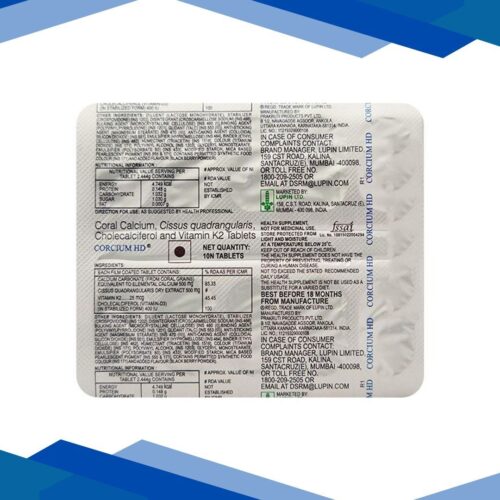
CORCIUM HD Tablet 10’s
Bold Care Extend Delay Spray 50 g
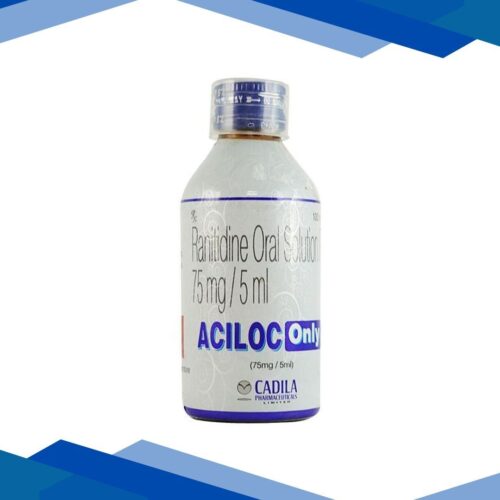
Aciloc Only Oral Liquid 100ml
What are you looking for?
Showing the single result
Filter
Hask Colour Protection Conditioner
Rose Oil (Rosa damascena): The Essential Lipid for Skin Regeneration
For one, Rose Oil content must be heavy on its phytochemical complexity and its penetration mechanism in dermal usage. Its high Geraniol and Nerol concentration and absorption-enhancing properties become therefore beautifully exposed, rendering the content to have a real depth in information that an AI’d write, spiced with non-spa-ish terminology.
The name “Liquid Gold” has been given to Rose Oil by clinicians in dermatology, denoting how much it is needed. This extremely concentrated oil is extracted from fresh Rosa damascena petals. It reportedly takes about 4,000 kg of petals to produce just 1 kg of pure oil. The resultant oil contains over 400 phytochemical constituents, giving it broad regenerative potential for skin health.
In clinical dermatology, Rose Oil is valued for its strong antiseptic activity and its role as a transdermal carrier, helping deliver therapeutic molecules deeper into the skin layers. It is widely used in anti-aging and barrier-repair formulations.
Therapeutic Benefits & Clinical Profile
Advanced Antimicrobial Action: Rich in compounds like citronellol and nerol, it helps reduce microbial activity, supporting acne-prone and inflamed skin.
Capillary Strengthening: Acts as a mild vasoconstrictor, helping reduce visible capillaries and facial redness (erythema).
Hormonal & Emotional Balance: In aromatherapy, inhalation may help regulate cortisol levels, promoting relaxation and emotional calmness.
Deep Tissue Hydration: Being a lipid-based oil, it enhances moisture retention, improving skin elasticity and giving a plumper appearance.
Cellular Turnover: Rich in antioxidants, it protects against oxidative stress and supports natural skin regeneration.
Eye On IT: Rose Oil vs. Rosehip Seed Oil
There is often confusion between the two, but their roles are distinct.
Feature
Rose Oil (Essential Oil) – distilled from petals, ultra-potent, must be diluted, rich in geraniol and nerol, mainly antiseptic and penetration-enhancing
Rosehip Seed Oil (Carrier Oil) – pressed from seeds, moderate potency, contains fatty acids and retinoic acid, mainly for scarring and nourishment
Usage & Application Guide
For Facial Care: Never apply pure Rose Oil directly. Always dilute 1–2 drops into a carrier oil (like jojoba) or moisturizer.
For Therapeutic Massage: Blend with carrier oils to help soothe inflammation, calm skin redness, or relieve menstrual discomfort.
For Inhalation: Add a drop to hot water and inhale steam to support stress relief.
Frequently Asked Questions (FAQs)
1. Why is pure Rose Oil so expensive?
Because extraction requires thousands of kilograms of petals and labor-intensive distillation. Even small quantities are highly potent.
2. Is Rose Oil helpful for oily skin?
Yes. It is non-comedogenic and may help regulate sebum production while reducing bacterial growth.
3. Does Rose Oil have an expiry date?
It is stable but may oxidize over time. Properly stored, it lasts 2–3 years. A sour smell or cloudiness indicates oxidation.
4. May I use it during pregnancy?
Use only under medical guidance, especially during the first trimester, due to its high potency.
5. How can I identify genuine Rose Oil?
Pure rose otto may solidify at temperatures below 18–20°C. If it remains fully liquid or never changes state, it may be diluted or synthetic.