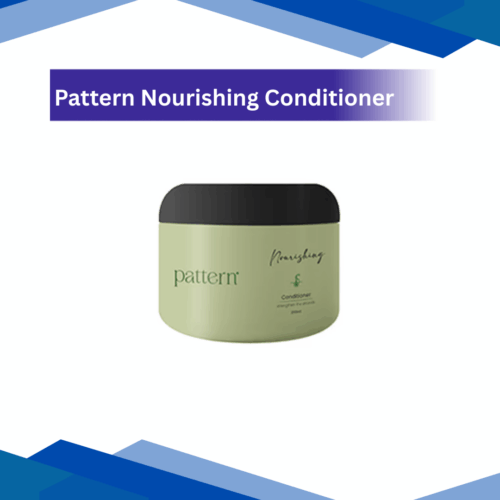
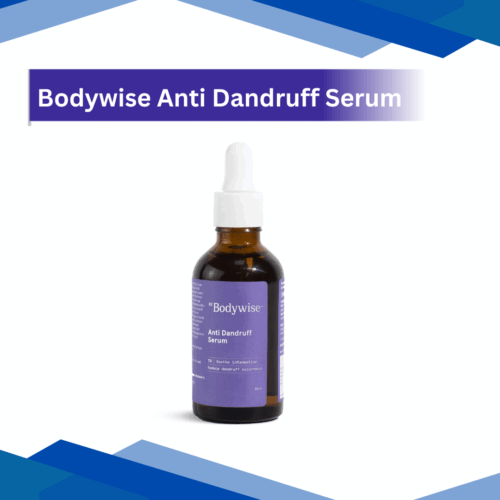
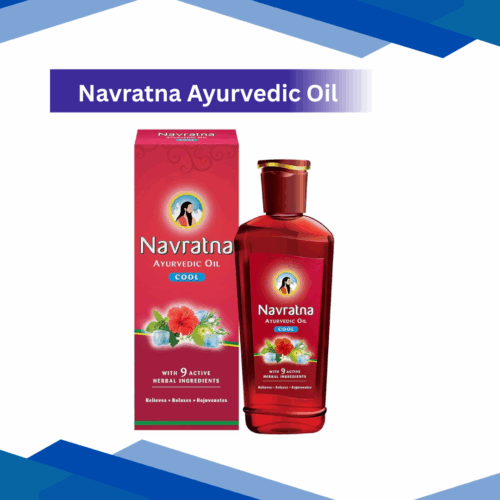
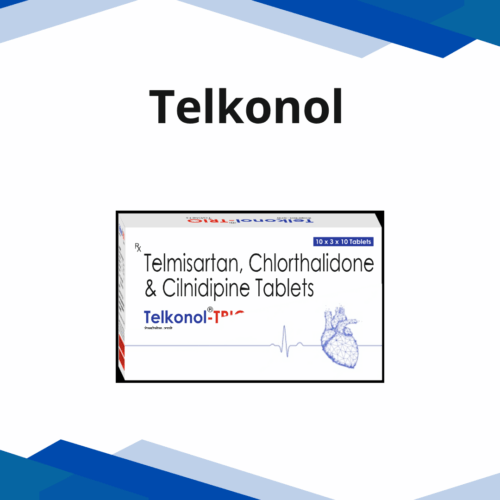
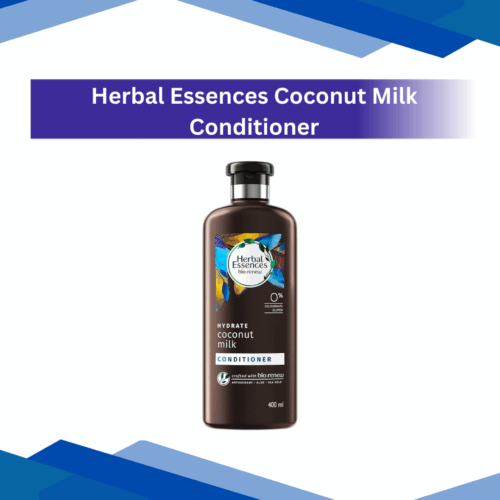
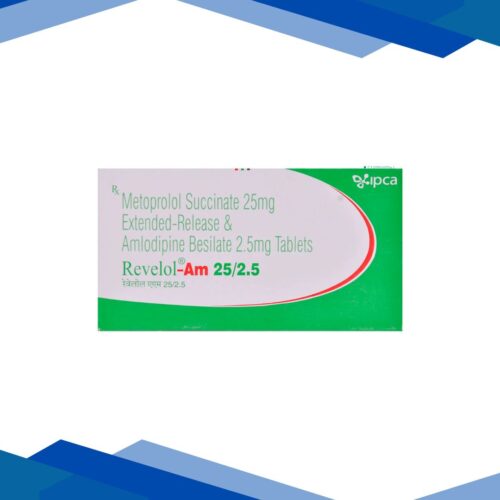
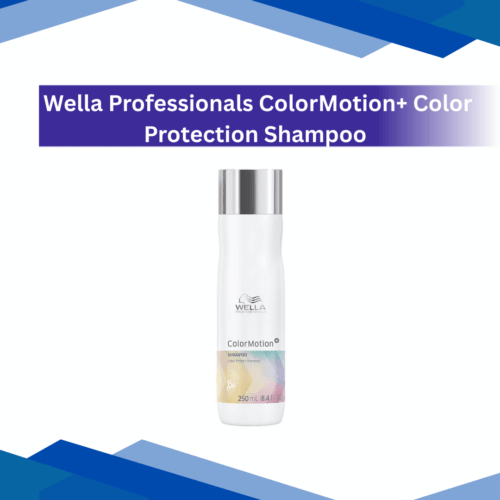
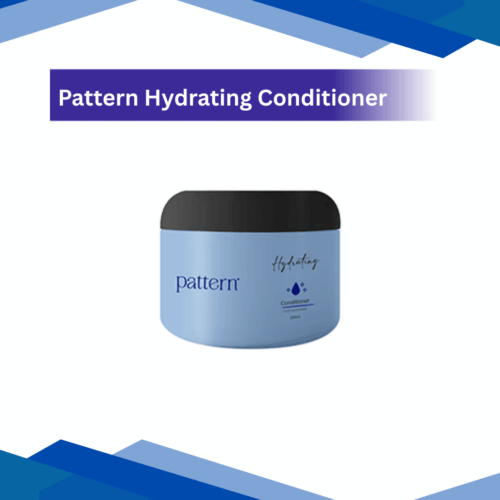
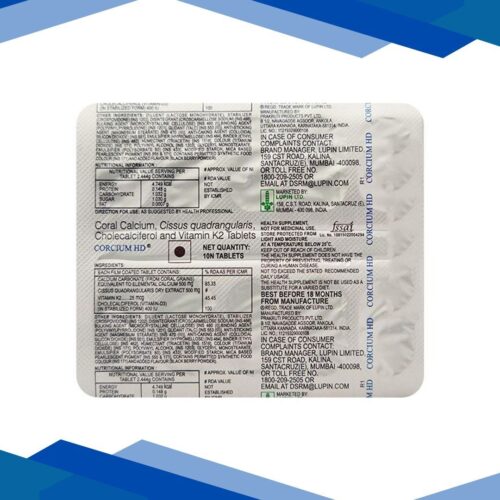
CORCIUM HD Tablet 10’s
Bold Care Extend Delay Spray 50 g
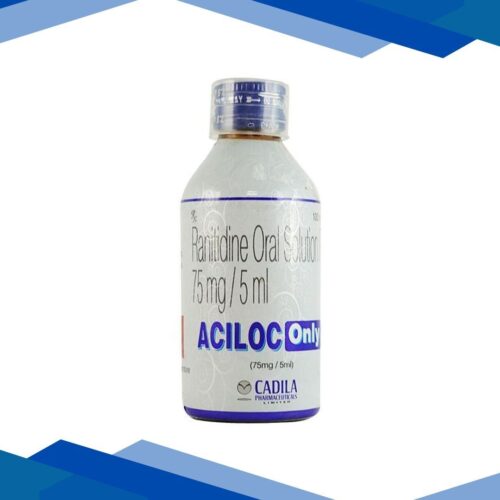
Aciloc Only Oral Liquid 100ml
What are you looking for?
Showing all 2 resultsSorted by popularity
FilterPattern Hydrating Conditioner 200 ml
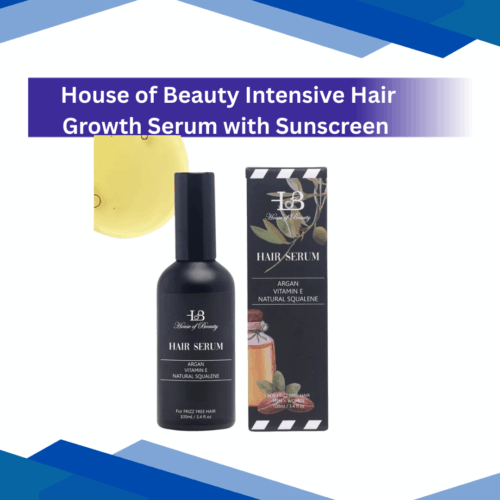
House of Beauty Intensive Hair Growth Serum with Sunscreen 30ml
Squalene: Found in Nature, Squalene is Quite a Precursor to Renovation of Cells
Squalene is a biologically occurring compound and a natural component of polyunsaturated lipids present on the human skin surface. It acts as a precursor in the biosynthesis of cholesterol, steroid hormones, and Vitamin D.
In clinical dermatology and nutritional science, Squalene is recognized for its ability as an oxygen carrier, supporting cellular metabolism in tissues with low oxygen supply. Unlike its saturated derivative, Squalane, Squalene remains bioactive and offers protection against singlet oxygen and lipid peroxidation.
Therapeutic Benefits & Clinical Profile
Singlet Oxygen Quenching: Squalene is a powerful antioxidant, protecting the skin from oxidative stress caused by chronic UV radiation.
Immune Modulation: Acts as an adjuvant in pharmaceutical formulations, helping stimulate immune responses and leukocyte activity.
Cellular Oxygenation: Functions as an oxygen carrier, supporting tissue repair, mitochondrial function, and wound healing.
Detoxificatory Support: May assist in eliminating lipophilic toxins through skin and intestinal pathways.
Deep Emolliency: Helps restore and repair the skin barrier, improving conditions like xerosis (dry skin) and severe dryness.
Pharmacist’s Insight: Squalene vs. Squalane
Feature
Squalene (The Bio-active) – Polyunsaturated and active, functions as an antioxidant and oxygen carrier, interacts dynamically with cellular processes, best suited for internal health and intensive regeneration
Squalane (The Stable Lipid) – Saturated and stable, primarily supports moisture retention and barrier repair, non-reactive and inert, ideal for daily skincare use
Application Guide
Oral Supplementation: Typically administered in doses of 500–1000 mg under medical supervision, preferably with food. Common botanical sources include Amaranth seeds and Olives.
Topical Application: Best applied in the evening due to its photosensitive nature. Use 1–2 drops on dry or irritated skin and massage gently.
Frequently Asked Questions (FAQs)
1. Is Squalene safe for acne-prone skin?
High concentrations may oxidize on the skin surface and contribute to pore congestion. Squalane is generally a safer alternative for acne-prone skin.
2. What are the sources of Squalene?
Traditionally derived from shark liver oil, modern formulations use botanical sources like olives and amaranth seeds to ensure purity and ethical sourcing.
3. Can Squalene help control cholesterol levels?
Although it is a precursor to cholesterol, it may support a balanced lipid profile when used appropriately without significantly altering normal cholesterol levels.
4. Why is Squalene used in vaccines?
It is used as an adjuvant to enhance immune response, allowing for improved vaccine efficacy with lower antigen doses.
5. How should Squalene be stored?
Due to its instability, store in an amber glass container, away from light and heat, to prevent oxidation and preserve its bioactivity.