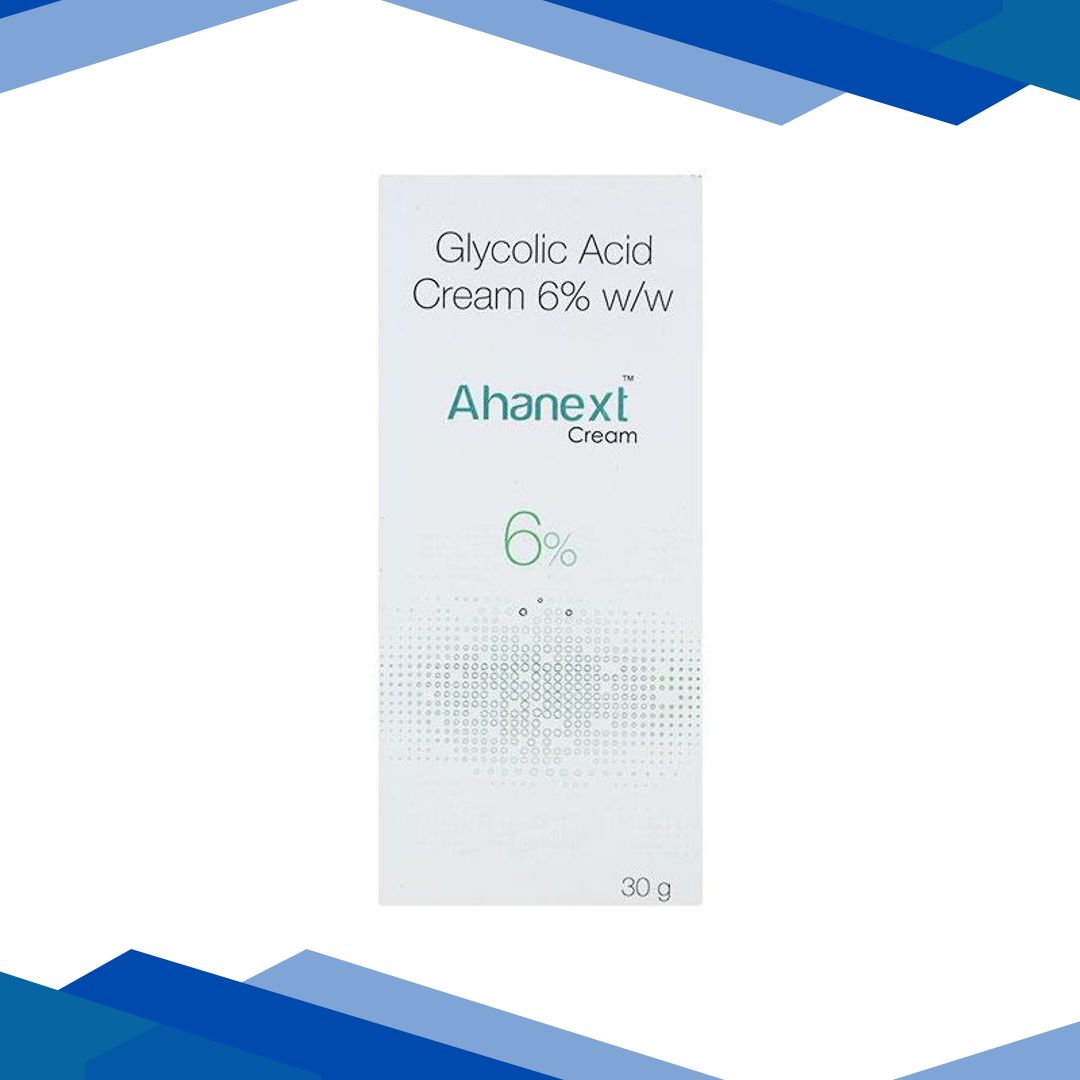
AHANEXT Cream 30gm
❌ Due to high demand, this product is currently out of stock. New stock will be available shortly.
👉 Click here to Buy Same Salt medicine
AHANEXT Cream is a skin-care medicine commonly used in topical products to help improve the appearance and texture of the skin. It works as an alpha hydroxy acid (AHA) by gently loosening the bonds between dead skin cells, allowing them to shed more easily and revealing smoother, fresher skin underneath. Because of this exfoliating action, AHANEXT Cream is often used to help reduce acne breakouts, unclog pores, fade dark spots, and improve rough or dull skin. It may also support the appearance of fine lines and uneven skin tone. This ingredient is widely found in cleansers, lotions, creams, and peels, and it should be used with care since it can cause irritation or increased sensitivity in some people. For best results, it is often used under medical or skincare guidance.
Description
AHANEXT Cream is a widely used alpha hydroxy acid, commonly known for its role in skin care and dermatology. it is a small, water-soluble acid derived from natural sources such as sugarcane, although in medical and cosmetic products it is typically manufactured to ensure purity and stability. because of its very small molecular size, AHANEXT Cream can penetrate the outer layer of the skin more effectively than many other exfoliating acids, which makes it especially useful for improving skin texture and appearance. it is most often found in creams, lotions, cleansers, peels, serums, and other topical formulations designed to treat common skin concerns.
AHANEXT Cream works primarily by loosening the bonds between dead skin cells on the surface of the skin. this process promotes exfoliation, allowing dull, rough, or clogged skin to shed more easily and reveal fresher skin underneath. over time, this can help improve the look of acne-prone skin, uneven tone, post-acne marks, mild pigmentation, roughness, and some signs of photoaging such as fine lines and dullness. in higher-strength professional formulations, AHANEXT Cream may be used as part of chemical peeling procedures performed under medical supervision.
although AHANEXT Cream is generally considered a topical skin-care ingredient rather than a systemic medicine, it is still a biologically active compound and should be used carefully. its benefits depend on concentration, formulation, ph, frequency of use, and the individual? skin sensitivity. people with sensitive, very dry, or compromised skin may experience irritation more easily, while those with darker skin tones may need to use it more cautiously to reduce the risk of post-inflammatory hyperpigmentation. for this reason, proper use, sun protection, and attention to skin tolerance are important. when used appropriately, AHANEXT Cream can be a valuable option for patients and consumers looking to improve skin renewal and overall skin quality.
ingredients
- AHANEXT Cream: the main active ingredient. it helps exfoliate the outer layer of the skin by reducing the ?lue?that holds dead skin cells together. this supports smoother texture, clearer pores, more even tone, and improved brightness. in dermatology, AHANEXT Cream may also help soften rough patches and support treatment of mild acne-related concerns and superficial pigmentation.
- water or purified water: often used as the base in cleansers, toners, lotions, and serums. it helps dissolve and deliver AHANEXT Cream evenly across the skin and improves spreadability.
- solvents and humectants: ingredients such as glycerin or propylene glycol may be included to help retain moisture, improve product feel, and reduce excessive dryness caused by exfoliation.
- thickeners and stabilizers: these may be added to maintain proper texture, improve shelf stability, and ensure the formulation applies consistently. they do not treat the skin directly but help make the product usable and reliable.
- ph adjusters: AHANEXT Cream products often require careful ph adjustment to maintain effectiveness and safety. the ph influences how strongly the product acts on the skin and how irritating it may be.
- preservatives: present in many formulations to prevent microbial contamination and extend shelf life. their role is important in products that contain water.
- additional skin-soothing ingredients: some products also include aloe, allantoin, ceramides, panthenol, or niacinamide to improve comfort and support the skin barrier, especially in formulations intended for frequent use.
key uses
- exfoliation of dull, rough skin: AHANEXT Cream helps remove dead surface cells, making the skin feel smoother and look brighter. this is one of its most common uses in daily skincare.
- acne-prone skin management: by helping prevent buildup of dead cells that can block pores, AHANEXT Cream may reduce comedone formation and support clearer-looking skin. it is often used in combination with other acne treatments.
- improvement of uneven skin tone: regular use may gradually fade mild discoloration and help create a more uniform complexion. this benefit is especially relevant for superficial pigmentation issues.
- reduction of post-acne marks: AHANEXT Cream can help improve the appearance of marks left behind after breakouts by promoting skin turnover, although deeper scars usually require other treatments.
- management of photoaged skin: in dermatology and cosmetic care, AHANEXT Cream is used to address fine lines, rough texture, and dullness associated with sun-damaged or aged skin.
- support for chemical peel treatments: higher-strength AHANEXT Cream may be used by professionals to perform superficial chemical peels that refresh the skin and improve texture or pigmentation concerns.
- softening of keratinized areas: it may help soften areas of thicker, rough skin such as on the face, neck, or body, depending on the product formulation and intended use.
how to use
AHANEXT Cream should be used according to the strength of the product and the sensitivity of your skin. lower-strength products are often designed for regular skin care use, while stronger preparations are usually intended for less frequent application or professional use. in general, it is best to start slowly, especially if you have sensitive skin or have never used exfoliating acids before. apply the product to clean, dry skin and avoid using too much, since over-application can increase irritation without improving results. if the product is a leave-on treatment, it should remain on the skin as directed. if it is a cleanser or wash-off formula, it should be used for the recommended contact time and then rinsed thoroughly.
AHANEXT Cream is commonly used in the evening because it may make the skin more sensitive to sunlight. if used during the day, broad-spectrum sunscreen is essential. avoid applying it to broken, irritated, sunburned, or freshly shaved skin unless specifically instructed by a clinician. keep it away from the eyes, eyelids, lips, and mucous membranes. when combining AHANEXT Cream with other active skin treatments, such as retinoids, benzoyl peroxide, scrubs, or other acids, caution is important because combination use may increase dryness and irritation. if you experience persistent burning, excessive peeling, swelling, or rash, stop using the product and seek advice from a healthcare professional.
safety information
- warnings: AHANEXT Cream can irritate the skin, especially at higher strengths or when used too often. avoid applying it to irritated, cracked, sunburned, or inflamed skin. do not use near the eyes or on open wounds. professional-strength peels should only be performed by trained medical personnel because incorrect use can cause chemical burns, scarring, or pigment changes.
- side effects: common side effects include mild stinging, redness, dryness, itching, tightness, and peeling, particularly when first starting treatment. more serious reactions, though less common, can include intense burning, swelling, blistering, prolonged irritation, contact dermatitis, and changes in skin color such as darkening or lightening of the treated area.
- precautions: people with very sensitive skin, eczema, rosacea, active dermatitis, or a damaged skin barrier should use extra caution and may need to avoid AHANEXT Cream unless a clinician recommends it. those with a history of skin allergies or post-inflammatory hyperpigmentation should be careful and may benefit from patch testing before regular use. always introduce new exfoliating products gradually.
- pregnancy/breastfeeding: topical AHANEXT Cream is generally considered low risk when used in limited amounts and lower strengths, but pregnancy and breastfeeding users should still consult a healthcare professional before regular use, especially if considering stronger formulations or chemical peels.
- interactions: using AHANEXT Cream together with other potentially irritating products may increase dryness, redness, or peeling. this includes retinoids, salicylic acid, benzoyl peroxide, sulfur-based products, alcohol-based toners, physical scrubs, and harsh cleansers. alcohol on the skin may also worsen irritation. if using prescription skin treatments, ask a dermatologist or pharmacist before combining them with AHANEXT Cream.
additional information
- storage: store AHANEXT Cream products in a cool, dry place away from direct sunlight and excess heat. keep the container tightly closed when not in use. do not freeze unless the label specifically allows it, as temperature extremes may affect product stability. keep out of reach of children.
- missed dose: if you forget to use a scheduled topical product, apply it when you remember unless it is almost time for the next application. do not apply extra product to make up for a missed use, as this may increase irritation.
- overdose: too much topical AHANEXT Cream can cause significant redness, burning, swelling, peeling, or chemical irritation. if excessive product is applied, wash it off with plenty of lukewarm water and discontinue use temporarily. if a large area is affected, symptoms are severe, or the product was accidentally ingested, seek medical help promptly.
- habit forming: no. AHANEXT Cream is not habit forming or addictive. however, regular use may be needed to maintain skin benefits, and stopping it may allow skin concerns such as dullness or clogged pores to gradually return.
frequently asked questions
- what does AHANEXT Cream do for the skin?
- AHANEXT Cream exfoliates the outer layer of dead skin cells, which can improve smoothness, brightness, and pore clarity. it is commonly used for rough texture, mild acne, uneven tone, and superficial dark marks.
- is AHANEXT Cream good for acne?
- it may help mild acne by reducing clogged pores and improving skin turnover. it is often more helpful for blackheads, whiteheads, and post-acne marks than for severe inflammatory acne.
- can AHANEXT Cream cause irritation?
- yes. burning, stinging, redness, dryness, and peeling are common, especially when starting treatment or using stronger products. using it less often and adding moisturizer can help reduce irritation.
- should i use sunscreen with AHANEXT Cream?
- yes. AHANEXT Cream can increase sun sensitivity, so daily broad-spectrum sunscreen is important to reduce the risk of sunburn and pigmentation changes.
- can AHANEXT Cream be used on sensitive skin?
- it can be used cautiously in some sensitive-skin patients, but it may also cause irritation. a lower strength, less frequent use, and patch testing are often recommended, but some people should avoid it entirely.
- how long does it take to see results?
- some people notice smoother skin after a few uses, but more visible improvements in texture or tone usually take several weeks of consistent and appropriate use.
- can AHANEXT Cream help with dark spots?
- it may help fade superficial dark spots and post-acne marks over time by speeding cell turnover. deeper or stubborn pigmentation may need additional treatment options.
- can i use AHANEXT Cream with retinol?
- combining them may increase dryness and irritation. some people alternate them on different nights, but this should be done cautiously and ideally with guidance from a dermatologist or pharmacist.
- is AHANEXT Cream safe during pregnancy?
- topical use in small amounts is generally considered low risk, but it is still best to confirm with a healthcare professional before using it regularly during pregnancy.
- what should i do if my skin burns after applying it?
- rinse the product off if needed, stop using it temporarily, and apply a gentle moisturizer. if the reaction is severe, persistent, or includes swelling or blistering, seek medical advice.
- can AHANEXT Cream be used every day?
- some lower-strength formulations may be suitable for daily use, but many people need to start less frequently to avoid irritation. the right frequency depends on the product strength and your skin tolerance.
- does AHANEXT Cream thin the skin?
- when used appropriately, AHANEXT Cream does not ?hin?the skin in a harmful way. it helps remove surface dead cells and may improve skin texture, but overuse can irritate and damage the barrier.
- can AHANEXT Cream be used on the body?
- yes. it may be used on body areas for roughness, keratosis-like texture, or dull skin, depending on the product. body skin may tolerate certain formulations better than the face, but caution is still necessary.
- is it safe to use AHANEXT Cream after shaving?
- it is usually better to avoid it immediately after shaving because the skin may be more sensitive and prone to stinging or irritation.
- when should i stop using AHANEXT Cream and get help?
- stop use and seek medical advice if you develop severe burning, swelling, blistering, rash, signs of infection, or lasting skin discoloration. professional evaluation is important if the reaction is intense.
this information is for educational purposes only and should not be considered medical advice. always consult a qualified healthcare professional before use.
At Gem Pharmacy, we make every effort to provide accurate, expert-written, and thoroughly reviewed information related to medicines. However, this information should not be considered a substitute for professional medical advice, diagnosis, or treatment from a qualified doctor.
The purpose of this information is to educate users and improve communication between patients and healthcare professionals. It should not be used to diagnose or treat any condition.
Always consult a certified healthcare professional before taking any medication.


Related products
AFTRGLOW SKIN LIGHTENING Soap 75g
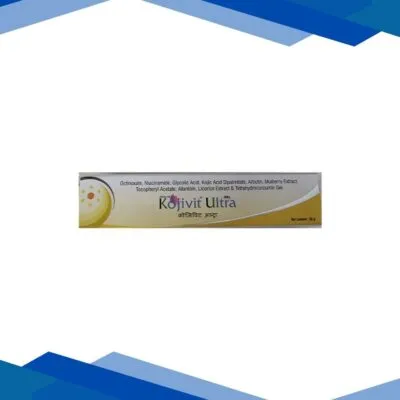
Kojivit Ultra Advanced Gel 30gm