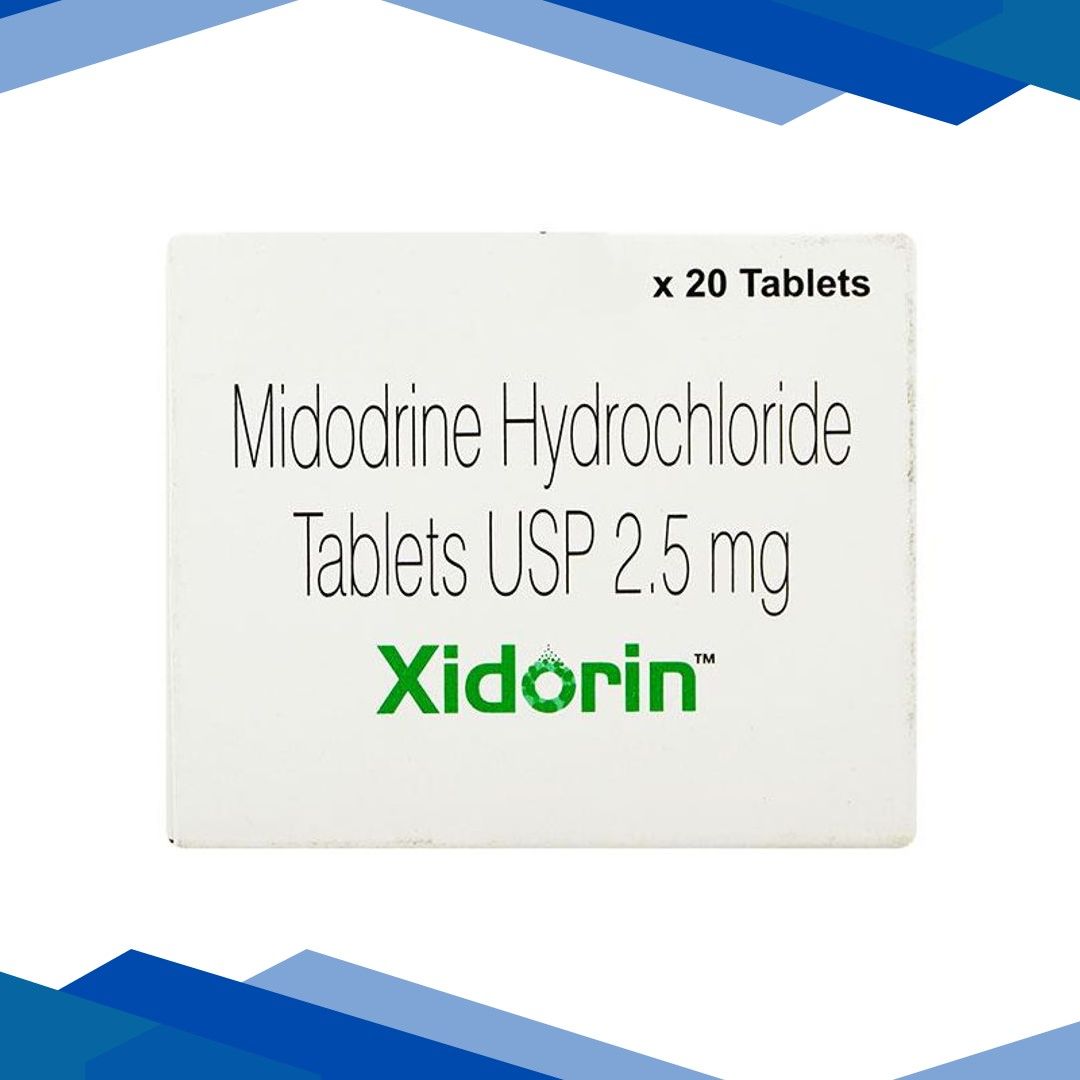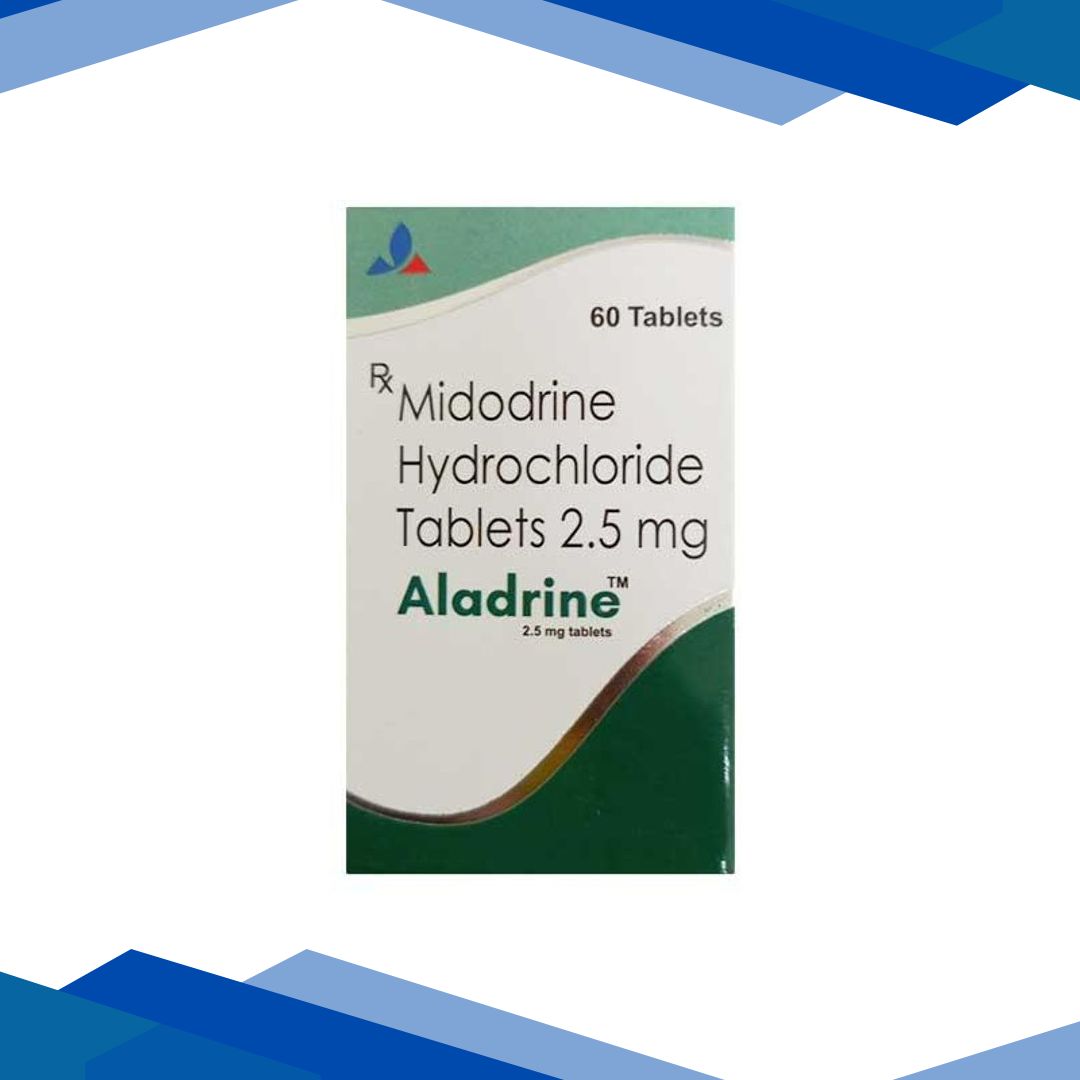
ALADRINE 2.5 Tablet 60’s
ALADRINE 2.5 Tablet is a combination medicine used to help relieve cough and cold symptoms, especially when mucus is thick and difficult to clear. BROMHEXINE HYDROCHLORIDE works by loosening and thinning mucus in the airways, making it easier to cough out. GUAIPHENESIN helps reduce chest congestion by promoting the removal of phlegm, while CHLORPHENIRAMINE MALEATE is an antihistamine that helps ease sneezing, runny nose, and watery eyes. Together, this medicine is commonly used for productive cough, chest congestion, and allergy-related cold symptoms. It may provide relief from breathing discomfort caused by mucus buildup, but it should be used with medical guidance, especially in people with other health conditions.
Description
ALADRINE 2.5 Tablet is a combination medicine commonly used to help relieve cough and related respiratory symptoms when mucus, chest congestion, and allergy-like features are present together. it is designed to work in more than one way: one component helps break down and loosen thick mucus, another helps make the mucus easier to cough out, and the third helps reduce runny nose, sneezing, and irritation caused by histamine release. because of this combination effect, it may be useful when a cough is associated with phlegm and upper airway discomfort rather than a purely dry cough.
bromhexine hydrochloride is a mucolytic agent, which means it helps thin and loosen sticky bronchial secretions. by reducing the thickness of mucus, it becomes easier for the body to clear the airways through coughing. guaiphenesin is an expectorant that supports the natural clearing of mucus from the chest and throat by increasing the volume and decreasing the stickiness of respiratory secretions. chlorpheniramine maleate is a first-generation antihistamine that helps relieve symptoms such as sneezing, runny nose, itchy nose, watery eyes, and throat irritation. together, these ingredients may improve comfort and help the person breathe and cough more effectively when mucus congestion and allergic symptoms overlap.
this medicine is generally intended for symptomatic relief, not to cure the underlying cause of cough. it may be used in conditions such as common cold, allergic rhinitis with post-nasal drip, bronchitis with mucus production, or other upper respiratory conditions where congestion and irritation are present. however, cough can be caused by many different problems, including asthma, pneumonia, tuberculosis, gastroesophageal reflux, smoking, or heart disease, so persistent or severe symptoms should always be evaluated by a healthcare professional. it is especially important to distinguish between productive cough and dry cough, because medicines that loosen mucus are usually not appropriate for all types of cough.
ingredients
- bromhexine hydrochloride: a mucolytic medicine that helps break down the structure of thick mucus in the airways. by making sputum less viscous and easier to move, it supports productive coughing and helps clear the chest. it is useful when mucus is thick, sticky, and difficult to expel.
- guaiphenesin: an expectorant that helps loosen bronchial secretions and promote mucus clearance. it does not stop coughing entirely; instead, it helps make coughs more effective by aiding the removal of phlegm from the respiratory tract.
- chlorpheniramine maleate: an antihistamine that reduces allergy-related symptoms such as sneezing, itching, watery eyes, and runny nose. it can also help reduce irritation in the nose and throat, which may make coughing less bothersome in colds or allergic conditions. because it can cause drowsiness, it may make some people sleepy or less alert.
key uses
- relief of productive cough with chest congestion: the combination helps loosen and clear thick mucus, making it easier to cough up phlegm and reducing the sensation of chest heaviness.
- symptomatic treatment of common cold: it may help with cough, nasal irritation, sneezing, and mucus buildup that often occur during viral upper respiratory infections.
- allergic rhinitis with cough or post-nasal drip: chlorpheniramine can reduce allergy symptoms, while the other ingredients can help manage throat irritation and mucus that trigger coughing.
- bronchitis-related mucus symptoms: in conditions where the airways produce excess thick mucus, bromhexine and guaiphenesin may assist in clearing secretions and improving comfort.
- congestion with irritation of the throat and nose: the formula may ease multiple overlapping symptoms, especially when runny nose and phlegm are present together.
how to use
this medicine should be taken exactly as directed on the label or by a healthcare professional. it is generally used by mouth, and many people take it after food if stomach upset occurs. the timing may depend on the formulation, so it is important to follow the instructions for the specific product rather than assuming a fixed schedule. do not exceed the recommended amount, because doing so does not improve effectiveness and may increase side effects such as drowsiness, dizziness, dry mouth, or nausea. if the medicine causes sleepiness, it is often best to avoid driving, operating machinery, or doing tasks that require full alertness until you know how it affects you.
for best results, stay well hydrated unless a doctor has advised fluid restriction. adequate fluid intake can help support mucus thinning and may improve the expectorant effect of guaiphenesin. do not combine this medicine with other cough-and-cold products without checking the labels carefully, because many over-the-counter products contain antihistamines, decongestants, or cough suppressants that may duplicate ingredients or increase side effects. if symptoms persist for more than a few days, worsen, or are associated with fever, shortness of breath, wheezing, chest pain, or colored sputum, medical advice should be sought rather than continuing self-treatment.
safety information
- warnings: this medicine may cause drowsiness, dizziness, blurred vision, or reduced mental alertness because of chlorpheniramine. avoid alcohol and be cautious with activities requiring concentration. use carefully if the cough is due to asthma, emphysema, chronic bronchitis, or another long-term lung condition, as cough and mucus problems may need different treatment. do not use it to suppress a cough that is needed to clear the lungs unless advised by a clinician. seek urgent care if there is difficulty breathing, wheezing, swelling of the face or throat, high fever, coughing up blood, or severe chest pain.
- side effects: common side effects may include drowsiness, dry mouth, dizziness, nausea, stomach discomfort, constipation, headache, and mild throat dryness. some people may notice blurred vision or feeling unusually tired. serious side effects are uncommon but can include severe allergic reactions, rash, facial swelling, difficulty breathing, severe restlessness, confusion, or palpitations. older adults may be more sensitive to sedation, confusion, and urinary retention.
- precautions: use with caution in people with glaucoma, enlarged prostate, urinary retention, stomach ulcers, high blood pressure, heart disease, liver disease, kidney problems, or breathing disorders such as asthma or chronic obstructive pulmonary disease. people sensitive to antihistamines may experience stronger sedation or anticholinergic effects. children and older adults may be more vulnerable to adverse effects, so medical guidance is especially important.
- pregnancy/breastfeeding: safety during pregnancy and breastfeeding depends on the individual situation and formulation. because antihistamines and other cough-and-cold components may not be suitable for everyone, pregnant or breastfeeding individuals should consult a healthcare professional before use. small amounts of chlorpheniramine may pass into breast milk and can sometimes cause drowsiness or irritability in a nursing infant.
- interactions: alcohol can intensify drowsiness and dizziness. other sedatives, sleeping pills, anxiety medicines, opioid pain medicines, and certain antidepressants may increase central nervous system depression. combining with other antihistamines or cold remedies can lead to additive side effects such as dry mouth, urinary retention, and sedation. always check for duplicate ingredients in combination products. if you take medicines for blood pressure, asthma, depression, or urinary problems, ask a pharmacist or doctor before using this product.
additional information
- storage: store at room temperature in a dry place, away from direct sunlight, heat, and moisture. keep the medicine in its original container and out of reach of children. do not store it in a bathroom unless the label specifically allows it, because humidity can damage the product.
- missed dose: if a dose is missed, take it when remembered unless it is almost time for the next dose. if the next dose is close, skip the missed dose and continue the regular schedule. do not take extra medicine to make up for a missed dose.
- overdose: overdose may cause severe drowsiness, confusion, agitation, hallucinations, flushing, dry mouth, rapid heartbeat, nausea, vomiting, or trouble breathing. in serious cases, medical attention is needed immediately. if overdose is suspected, contact emergency services or a poison center right away, even if symptoms seem mild at first.
- habit forming: no, this medicine is not considered habit forming in the way that addictive cough syrups or sedative medicines can be. however, it should still be used only as needed and according to medical advice, because unnecessary or prolonged use may hide a more serious condition.
frequently asked questions
Q: what is ALADRINE 2.5 Tablet used for?
A: it is used to relieve cough with mucus, chest congestion, sneezing, runny nose, and throat irritation, especially when allergy-like symptoms or a common cold are also present.
Q: does this medicine stop cough completely?
A: not usually. it is mainly designed to loosen mucus and make coughing more productive while also reducing nasal allergy symptoms. if the cough is dry, persistent, or severe, a healthcare professional should review the cause.
Q: can this medicine make me sleepy?
A: yes. chlorpheniramine can cause drowsiness, dizziness, and reduced alertness. avoid driving or drinking alcohol until you know how you respond to it.
Q: should i take it with food?
A: it may be taken with or without food, but taking it after food can help reduce stomach upset in some people. follow the instructions on the product label or your doctor? advice.
Q: can i take it with other cold medicines?
A: be careful, because many cold medicines contain similar ingredients or duplicate antihistamines. using multiple products together can increase side effects or cause accidental overdose. check labels and ask a pharmacist if unsure.
Q: is it safe for children?
A: children may be more sensitive to side effects, especially drowsiness or agitation. use in children should follow age-appropriate labeling and a healthcare professional? advice.
Q: what if my cough lasts more than a few days?
A: if the cough persists, worsens, or is associated with fever, shortness of breath, wheezing, or chest pain, seek medical evaluation. persistent cough can signal a condition that needs specific treatment.
Q: can people with high blood pressure use this medicine?
A: some people with high blood pressure or heart conditions should use caution, especially if other ingredients are included in combination products. it is best to consult a doctor or pharmacist before use.
Q: will this medicine help with thick phlegm?
A: yes, bromhexine and guaiphenesin are intended to help loosen thick mucus and support sputum clearance, which may make phlegm easier to cough out.
Q: can i drink alcohol while taking it?
A: alcohol is not recommended because it can increase drowsiness, dizziness, and impaired coordination caused by chlorpheniramine.
Q: what should i do if i feel very drowsy?
A: avoid driving, rest, and do not take additional sedating medicines or alcohol. if the drowsiness is severe, unusual, or accompanied by breathing problems or confusion, seek medical help.
Q: can this medicine be used for asthma?
A: it is not a primary treatment for asthma. because cough and mucus in asthma may require inhalers or other specific therapy, medical advice is important before using this combination.
Q: does it cure infection?
A: no, it only helps manage symptoms. if the cough is caused by a bacterial or serious viral infection, a clinician may need to identify and treat the underlying cause.
Q: can older adults use it safely?
A: older adults may be more prone to confusion, sedation, dry mouth, constipation, urinary retention, and falls. they should use it only with professional guidance.
Q: what are the signs of an allergic reaction to this medicine?
A: signs may include rash, itching, swelling of the face or throat, severe dizziness, or trouble breathing. these symptoms require immediate medical attention.
this information is for educational purposes only and should not be considered medical advice. always consult a qualified healthcare professional before use.
At Gem Pharmacy, we make every effort to provide accurate, expert-written, and thoroughly reviewed information related to medicines. However, this information should not be considered a substitute for professional medical advice, diagnosis, or treatment from a qualified doctor.
The purpose of this information is to educate users and improve communication between patients and healthcare professionals. It should not be used to diagnose or treat any condition.
Always consult a certified healthcare professional before taking any medication.


Related products

MIDORISE 10 Tablet 10’s