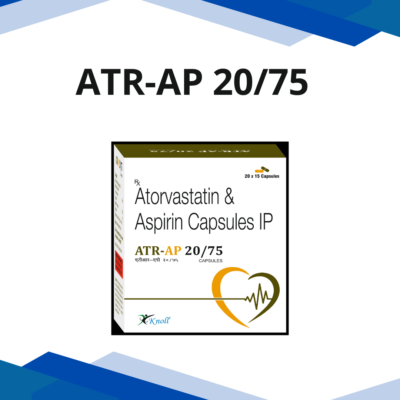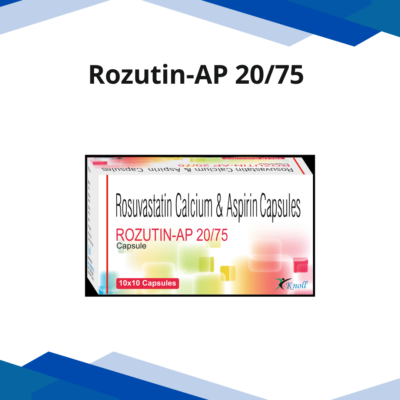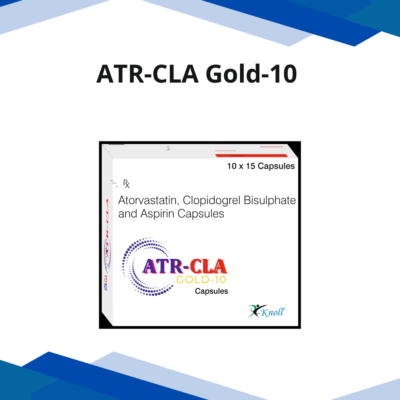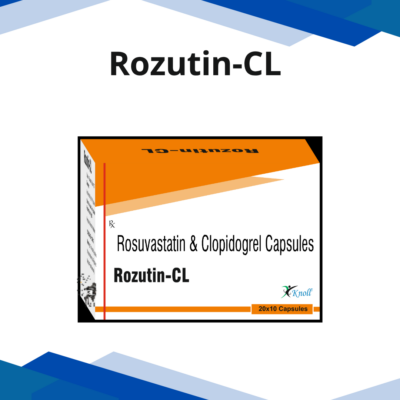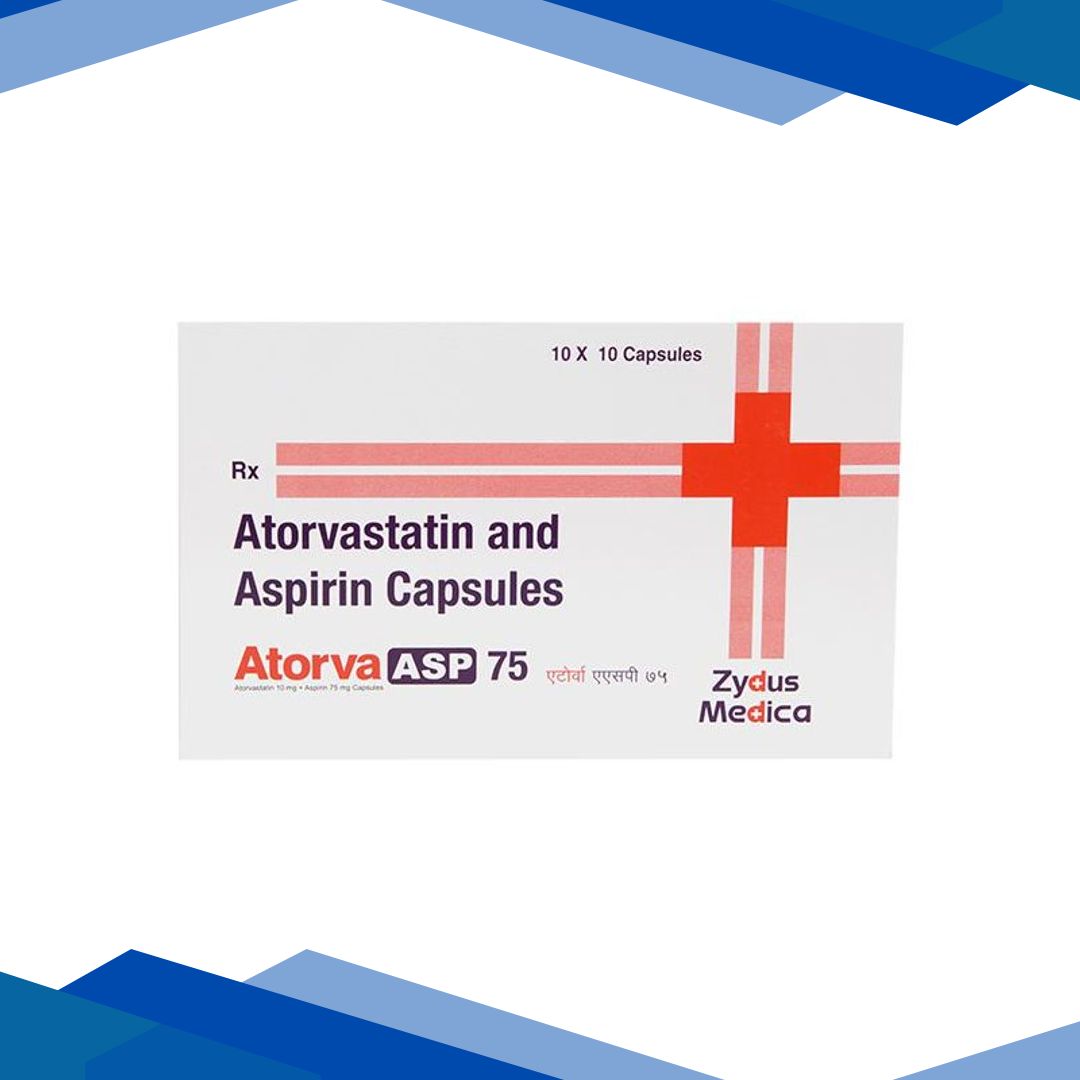
Atorva Asp 75mg Capsule 10’S
Atorva Asp 75mg Capsule is a combination medicine used to help protect the heart and blood vessels in people at risk of serious cardiovascular problems. It brings together three medicines with different actions: acetylsalicylic acid and clopidogrel help prevent blood platelets from clumping together and forming dangerous clots, while atorvastatin lowers bad cholesterol and helps slow the buildup of fatty deposits in the arteries. By reducing clot formation and improving cholesterol levels, this medicine can lower the risk of heart attack, stroke, and other complications related to narrowed or blocked blood vessels. It is commonly prescribed for patients with heart disease or those who need stronger protection against clot-related events, under medical supervision.
Description
Atorva Asp 75mg Capsule is a combination medicine used to help lower the risk of serious heart and blood vessel problems in people who are already at increased cardiovascular risk. it combines three well-known medicines that work in different but complementary ways: acetylsalicylic acid helps reduce the ability of platelets to clump together, clopidogrel provides additional antiplatelet activity, and atorvastatin helps lower harmful cholesterol levels while also supporting plaque stabilization in the arteries. together, this combination is designed to address two major drivers of cardiovascular events: blood clot formation and atherosclerosis, the gradual buildup of fatty deposits in the arteries.
this medicine is generally considered in patients who need strong protection against clot-related events such as heart attack, stroke, or other problems caused by narrowed or damaged arteries. acetylsalicylic acid and clopidogrel both act on platelet function, but they do so through different mechanisms. acetylsalicylic acid reduces the production of thromboxane a2, a substance that promotes platelet activation and aggregation, while clopidogrel blocks the p2y12 receptor on platelets, making platelets less likely to stick together. because the two medicines act through separate pathways, they may offer more complete antiplatelet protection than either one alone in selected patients.
atorvastatin belongs to the statin class and works by inhibiting hmg-coa reductase, an enzyme involved in cholesterol synthesis in the liver. this lowers ldl cholesterol, often called ?ad?cholesterol, and can also modestly increase hdl cholesterol and reduce triglycerides. beyond cholesterol lowering, atorvastatin may help stabilize atherosclerotic plaque and reduce inflammation inside blood vessels, which is important because unstable plaque can rupture and trigger clot formation. for this reason, the combination may be used in people with established cardiovascular disease, after certain cardiac events, or in those whose clinician believes intensive prevention is needed.
although this medicine can be highly beneficial in the right patient, it is not suitable for everyone. because it contains two antiplatelet medicines, it increases the risk of bleeding, and because it contains a statin, it also carries risks related to muscle and liver effects. it should be used only under the direction of a healthcare professional who can assess the person? heart risk, bleeding risk, other medications, and medical history. patients should never use it as a substitute for urgent treatment of chest pain, stroke symptoms, or other emergencies.
ingredients
- acetylsalicylic acid: this is a widely used antiplatelet medicine that helps prevent platelets from clumping together. it is often used in cardiovascular prevention because it can reduce the chance of blood clot formation in arteries that are already narrowed or damaged.
- atorvastatin: this statin lowers ldl cholesterol and helps reduce the buildup of cholesterol-rich plaques in the arteries. it also has benefits beyond lipid lowering, including plaque stabilization and anti-inflammatory effects.
- clopidogrel: this antiplatelet medicine blocks a specific platelet receptor involved in clot formation. it is often used when stronger or additional platelet inhibition is needed, especially in patients with coronary artery disease or after certain vascular procedures.
key uses
- prevention of heart attack and stroke in high-risk patients: the combination helps reduce clot formation and manage cholesterol, which together lowers the chance of future cardiovascular events in people with established disease or significant risk factors.
- secondary prevention after coronary artery disease: it may be used in patients who have had prior heart-related events or who have known blockages in the coronary arteries, where preventing new clots is especially important.
- support after certain vascular procedures: in some cases, antiplatelet therapy is needed after procedures such as stent placement, and a statin is commonly used to protect the arteries long term.
- cholesterol management in patients at cardiovascular risk: atorvastatin helps lower ldl cholesterol and improve overall lipid control, which supports long-term prevention of plaque progression.
- reduction of clot-related complications in atherosclerotic disease: the antiplatelet components help reduce the likelihood of a clot forming on a damaged or narrowed artery, which can trigger severe complications.
how to use
Atorva Asp 75mg Capsule should be taken exactly as prescribed by a healthcare professional. it is usually intended for regular daily use, but the exact timing and schedule depend on the patient? condition, the strength of the product, and the clinician? instructions. it may be taken with or without food, although some people tolerate it better after a meal if stomach upset occurs. the tablet should be swallowed whole with water unless a healthcare professional specifically advises otherwise.
because this medicine affects bleeding and cardiovascular risk, it is important not to skip doses or stop it suddenly without medical advice. stopping antiplatelet treatment suddenly may increase the risk of a clot-related event in some patients. patients should also inform dentists, surgeons, and other healthcare providers that they are taking this medicine, especially before procedures or operations, because temporary adjustment may be required. if there is any uncertainty about timing, missed doses, or whether it should be continued before a procedure, medical advice should be obtained promptly.
safety information
- warnings: this medicine can increase the risk of bleeding, including nosebleeds, gum bleeding, bruising, and more serious internal bleeding. seek urgent medical help for black stools, vomiting blood, coughing up blood, sudden weakness, severe headache, chest pain, or signs of stroke. the statin component can rarely cause muscle injury or liver-related problems, so unexplained muscle pain, dark urine, or jaundice should never be ignored.
- side effects: common side effects may include stomach discomfort, indigestion, nausea, easy bruising, mild bleeding, diarrhea, headache, or muscle aches. serious side effects may include gastrointestinal bleeding, allergic reactions, severe rash, liver enzyme elevation, rhabdomyolysis, and rare but dangerous blood clotting or bleeding complications.
- precautions: this medicine should be used carefully in people with a history of stomach ulcers, bleeding disorders, liver disease, kidney disease, asthma triggered by aspirin, uncontrolled high blood pressure, or a history of hemorrhagic stroke. extra caution is also needed in older adults and in people who take other blood thinners or nsaids.
- pregnancy/breastfeeding: this combination is generally not recommended during pregnancy unless a clinician determines that the benefits outweigh the risks. aspirin-containing products and statins may pose risks in pregnancy, and clopidogrel should only be used when medically necessary. breastfeeding safety should also be discussed with a healthcare professional, as individualized advice is important.
- interactions: this medicine can interact with other antiplatelet drugs, anticoagulants, nsaids, certain antidepressants, some heart medicines, and drugs that affect liver enzymes. alcohol can increase the risk of stomach irritation and bleeding. atorvastatin may interact with certain antibiotics, antifungals, hiv medicines, hepatitis c treatments, and grapefruit products, which can increase the risk of side effects.
additional information
- storage: store in a cool, dry place away from direct sunlight and moisture. keep the medicine in its original packaging and out of reach of children. do not store it in a bathroom or near heat sources unless the product label specifically allows it.
- missed dose: if a dose is missed, take it as soon as remembered unless it is almost time for the next dose. do not take two doses at the same time to make up for a missed one. if there is any doubt, follow the product instructions or ask a pharmacist or doctor.
- overdose: overdose may cause severe stomach irritation, vomiting, ringing in the ears, dizziness, excessive bleeding, confusion, or serious muscle and liver problems. an overdose requires urgent medical attention or emergency services immediately, especially if there is bleeding, fainting, or difficulty breathing.
- habit forming: no. this medicine is not considered habit forming or addictive, but it may need to be taken regularly and long term for cardiovascular protection, depending on the patient? condition.
frequently asked questions
Q: what is Atorva Asp 75mg Capsule used for?
A: it is used to help reduce the risk of heart attack, stroke, and other clot-related cardiovascular problems in people with established heart or vascular disease or those at high risk, while also helping control cholesterol.
Q: can this medicine be taken with food?
A: it can often be taken with or without food, but some people may tolerate it better after meals if stomach upset occurs. follow the instructions given by your doctor or pharmacist.
Q: why does this medicine increase bleeding risk?
A: two of its components, acetylsalicylic acid and clopidogrel, reduce platelet clumping. that helps prevent clots, but it also makes bleeding more likely, especially if combined with other blood-thinning medicines.
Q: what side effects should i watch for?
A: common effects include stomach upset, bruising, and mild bleeding. serious warning signs include black stools, vomiting blood, severe abdominal pain, trouble breathing, yellowing of the skin, or muscle pain with dark urine.
Q: can i stop taking it if i feel fine?
A: no, not without medical advice. this medicine is often prescribed to prevent serious future events, and stopping suddenly may increase cardiovascular risk in some patients.
Q: is it safe with painkillers?
A: not all painkillers are safe with this medicine. many nsaids can increase bleeding and stomach irritation. ask a healthcare professional before using any over-the-counter pain medicine.
Q: can alcohol be taken with this medicine?
A: alcohol is best limited or avoided because it can increase stomach irritation and bleeding risk, and it may also worsen liver-related concerns with atorvastatin.
Q: does atorvastatin matter if my cholesterol is only mildly high?
A: yes, atorvastatin may still be useful in people with cardiovascular disease or high risk even if cholesterol is not extremely elevated, because it helps reduce overall risk and stabilize plaque.
Q: who should be especially careful before using this medicine?
A: people with ulcers, bleeding problems, liver disease, kidney disease, asthma triggered by aspirin, or those taking other blood thinners should be carefully assessed before use.
Q: can this medicine be used during pregnancy?
A: it is generally not recommended during pregnancy unless a doctor specifically decides that it is necessary. a healthcare professional should be consulted before use in pregnancy or breastfeeding.
this information is for educational purposes only and should not be considered medical advice. always consult a qualified healthcare professional before use.
At Gem Pharmacy, we make every effort to provide accurate, expert-written, and thoroughly reviewed information related to medicines. However, this information should not be considered a substitute for professional medical advice, diagnosis, or treatment from a qualified doctor.
The purpose of this information is to educate users and improve communication between patients and healthcare professionals. It should not be used to diagnose or treat any condition.
Always consult a certified healthcare professional before taking any medication.


Related products