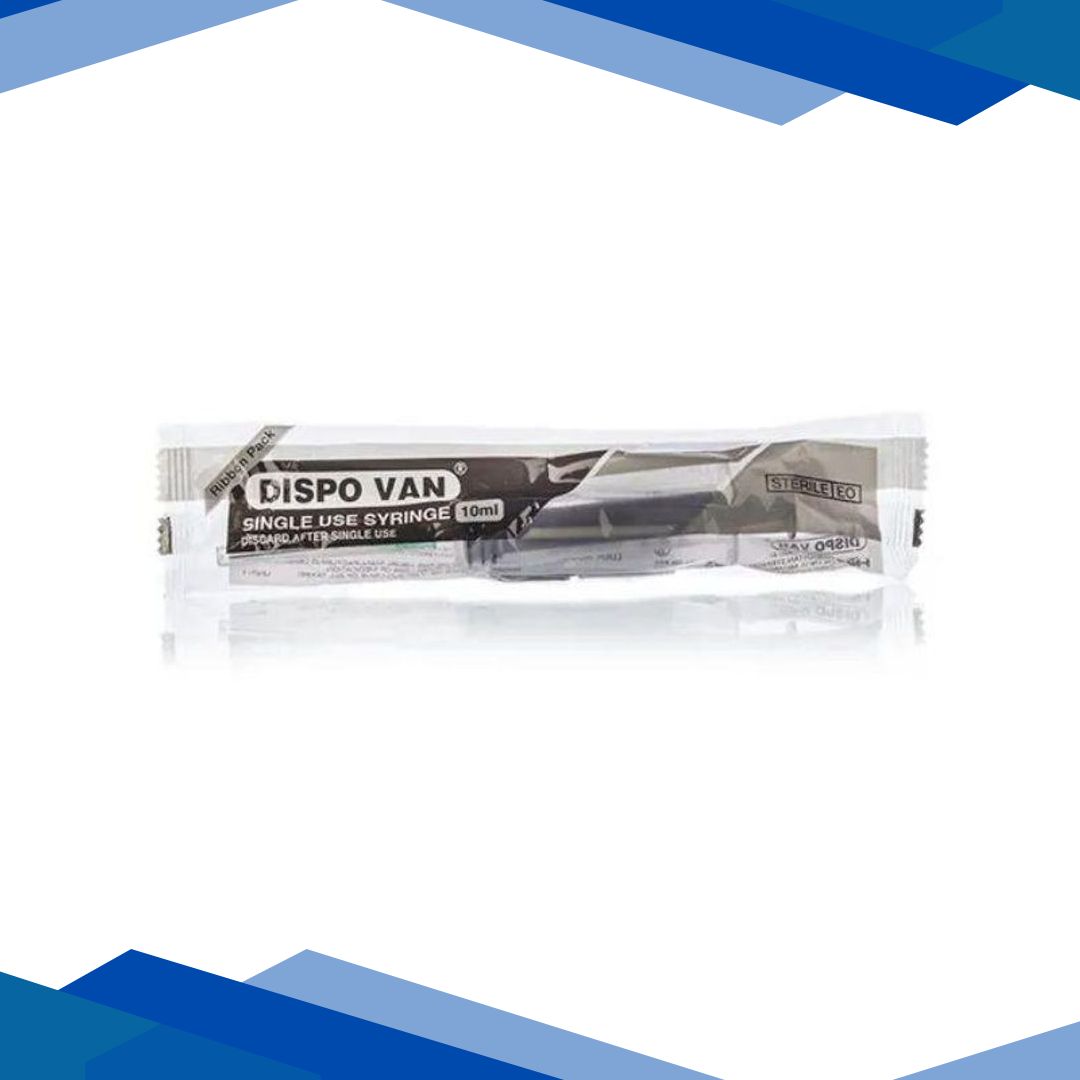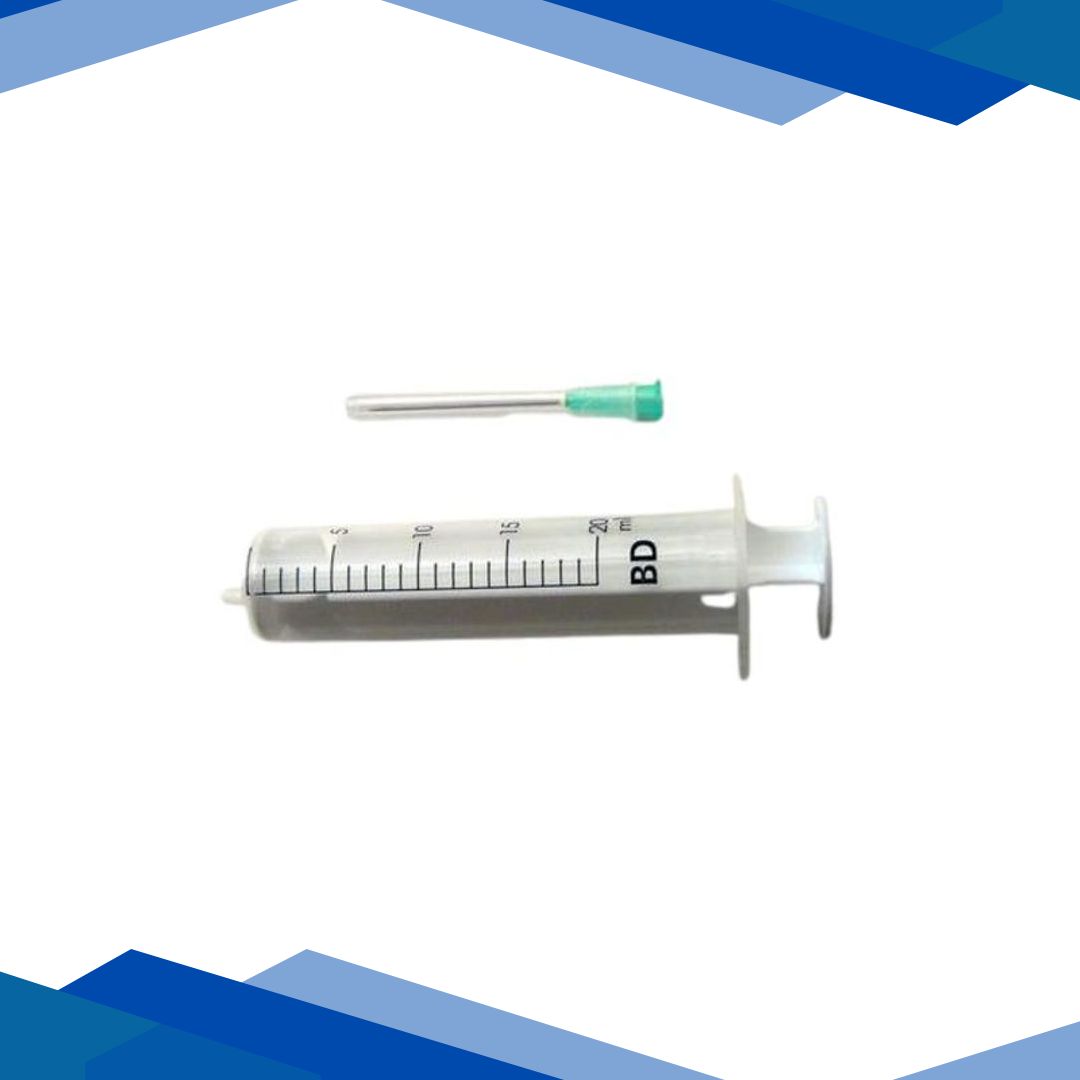
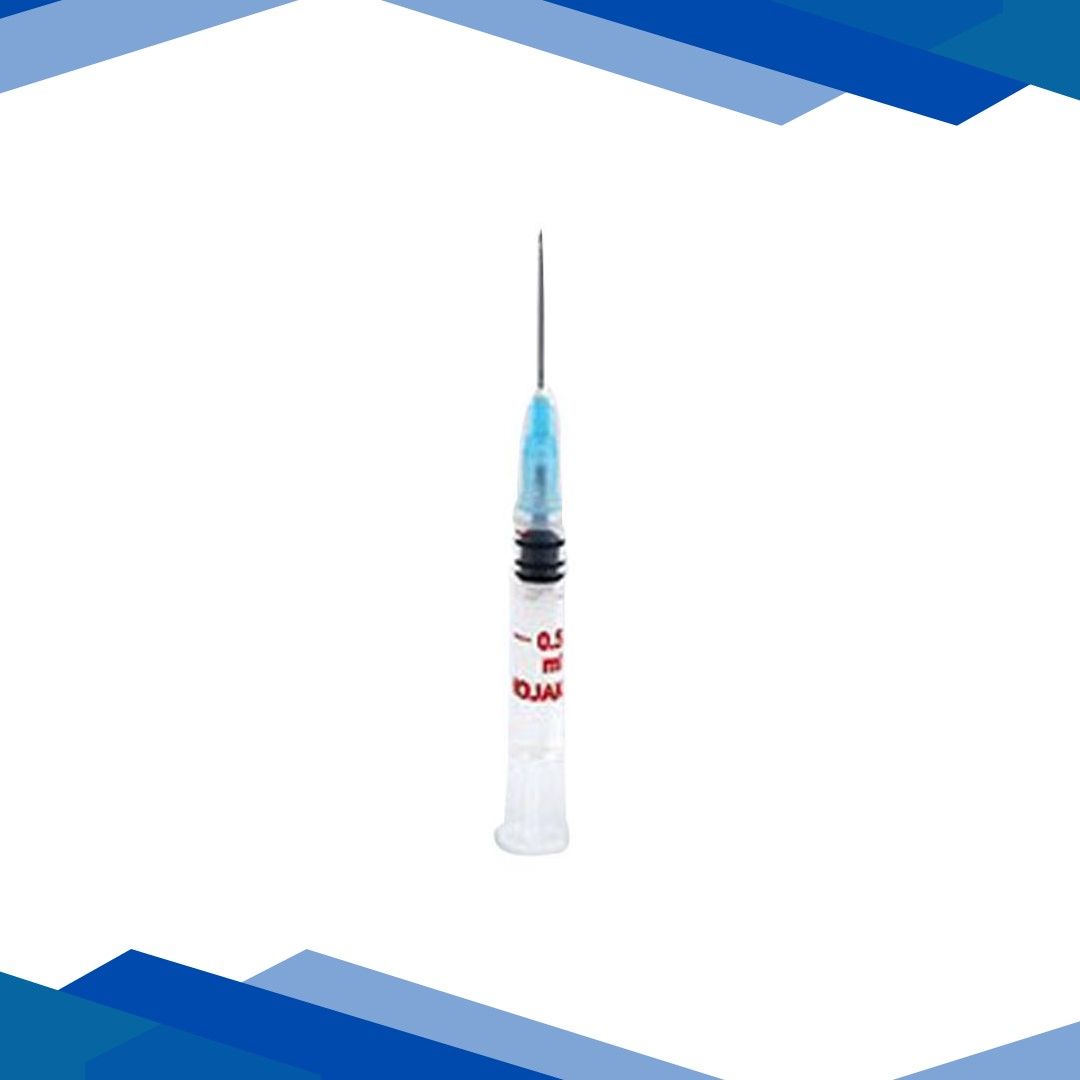
BD Discardit II Syringe with Needle 20ml (21 G X 1.5 inch) 1’s
BD Discardit II Syringe with Needle 20ml (21 G X 1.5 inch) is a combination vaccine used to help protect infants and young children against several serious infectious diseases in one injection. It works by training the immune system to recognize and respond to the germs or their toxins without causing the actual illness. This vaccine helps prevent diphtheria, Haemophilus influenzae type b (Hib) infection, hepatitis B, pertussis (whooping cough), poliomyelitis, and tetanus. By building immunity early in life, it lowers the risk of severe complications such as breathing problems, paralysis, brain infection, and muscle stiffness. It is commonly given as part of routine childhood immunization programs under medical guidance.
Description
BD Discardit II Syringe with Needle 20ml (21 G X 1.5 inch) is a combination vaccine used to help protect infants and young children against several serious infectious diseases in a single injection. it contains antigens that stimulate the immune system to recognize and respond to diphtheria, hib (haemophilus influenzae type b), hepatitis b, pertussis (whooping cough), poliomyelitis, and tetanus. by exposing the immune system to non-infectious components of these organisms or their toxins, the vaccine helps the body build protective immunity without causing the actual diseases.
this type of combination vaccine is commonly used in childhood immunization programs because it reduces the number of injections needed and helps improve vaccination coverage and schedule adherence. each ingredient has a specific immunologic role. some components are toxoids, meaning they are inactivated toxins that train the body to neutralize harmful toxin effects; others are conjugated or recombinant proteins that improve the immune response against specific bacteria or viruses. together, they provide broad protection during a period of life when children are especially vulnerable to severe infections and complications.
the vaccine does not treat an existing infection. its purpose is preventive, helping the immune system prepare in advance so that if the child is exposed later, the body can respond quickly and more effectively. it is typically given according to a healthcare provider’s immunization schedule and may be used as part of routine infant vaccination programs. because vaccine recommendations can vary by country, age, and prior vaccination status, administration should always follow the guidance of a qualified healthcare professional.
ingredients
- diphtheria toxoid:
this is an inactivated form of the toxin produced by the diphtheria bacterium. it helps the body develop antibodies that neutralize diphtheria toxin, preventing the severe throat infection and toxin-related complications such as heart and nerve damage. - haemophilus influenzae type b conjugate:
this component protects against invasive hib disease, which can cause meningitis, pneumonia, epiglottitis, and bloodstream infection. the conjugate design improves immune response in infants by linking the hib polysaccharide to a carrier protein, making the vaccine more effective at a young age. - hepatitis b vaccine rdna:
this recombinant dna vaccine component trains the immune system to protect against hepatitis b virus infection. it helps prevent liver inflammation, chronic hepatitis, cirrhosis, liver failure, and liver cancer that can result from hepatitis b infection. - pertussis toxoid:
this is an inactivated toxin component related to the bacterium that causes pertussis, or whooping cough. it helps the immune system recognize and respond to pertussis-related toxin exposure, contributing to protection against a highly contagious respiratory illness that can be especially dangerous in infants. - polio vaccine:
this ingredient helps protect against poliovirus infection, which can lead to paralysis and long-term disability. vaccination helps prevent the spread of polio and supports community-wide disease control efforts. - tetanus toxoid:
this is an inactivated form of the tetanus toxin. it stimulates antibody formation that protects against tetanus, a life-threatening condition that can cause painful muscle stiffness, spasms, and breathing difficulty after contamination of wounds with tetanus bacteria.
key uses
- prevention of diphtheria:
helps protect against a serious bacterial infection that can affect the throat and airways and may lead to toxin-related complications involving the heart and nervous system. - prevention of hib disease:
reduces the risk of invasive infections caused by haemophilus influenzae type b, including meningitis, pneumonia, and severe bloodstream infections. - prevention of hepatitis b:
helps lower the chance of acquiring hepatitis b virus infection and its long-term liver complications. - prevention of pertussis:
provides protection against whooping cough, a highly contagious illness that can cause severe coughing fits and breathing problems, especially in young infants. - prevention of poliomyelitis:
helps prevent polio infection, which can cause irreversible weakness, paralysis, and disability. - prevention of tetanus:
protects against tetanus infection after contaminated wounds or injuries by supporting antibody formation against tetanus toxin. - routine childhood immunization:
used as part of standard infant and childhood vaccination schedules to provide broad early-life protection with fewer injections.
how to use
this vaccine is given by a healthcare professional, usually as an injection into a muscle according to the recommended immunization schedule. it is commonly administered during infancy and early childhood in a series of doses spaced over time so the immune system can build and maintain protection. the exact timing, number of doses, and whether booster doses are needed depend on the child’s age, local vaccination guidelines, and previous immunization history. it should not be self-administered.
before vaccination, the healthcare provider may review the child’s medical history, current illnesses, allergies, and prior vaccine reactions. the vaccine may be given even if the child has a mild cold or low-grade fever, but vaccination may be postponed if there is a moderate or severe illness. after administration, a short observation period may be recommended to watch for immediate allergic reactions. parents or caregivers should keep the vaccination record updated and follow up on all scheduled doses to ensure full protection.
safety information
- warnings:
serious allergic reactions are rare but can occur. medical help should be sought immediately if the child develops difficulty breathing, swelling of the face or throat, widespread hives, severe dizziness, or collapse after vaccination. vaccination should be delayed if the child has a moderate or severe acute illness unless a healthcare professional advises otherwise. any previous severe reaction to a similar vaccine or one of its components must be reported before vaccination. - side effects:
common side effects may include pain, redness, swelling, or tenderness at the injection site, mild fever, irritability, drowsiness, reduced appetite, fussiness, and tiredness. these usually resolve on their own in a short time. less common but more serious reactions can include persistent high fever, unusual crying, seizures, severe swelling of the limb, or signs of an allergic reaction. if any severe or unusual symptom occurs, medical advice should be sought promptly. - precautions:
use caution in children with a history of severe allergic reaction to any vaccine component, a serious reaction after a previous dose, or a known progressive neurological disorder until assessed by a clinician. inform the healthcare provider about immune system disorders, bleeding problems, a history of seizures, recent transfusions, or previous vaccination reactions. children who are acutely ill should be evaluated before receiving the vaccine. - pregnancy/breastfeeding:
this combination vaccine is generally intended for pediatric use, so pregnancy and breastfeeding are usually not relevant for the primary recipient. if vaccination is being considered in an older child or special situation, a healthcare professional should assess suitability. for mothers who are breastfeeding and around vaccinated infants, there is no expected safety concern from routine infant immunization. - interactions:
tell the healthcare provider about all medicines, supplements, recent blood products, immunoglobulins, or other vaccines the child has received. some immunosuppressive medicines may reduce vaccine response. fever-reducing medicines should not be used routinely unless advised by a clinician. there is no meaningful alcohol interaction for this pediatric vaccine, but alcohol is not relevant to the intended age group.
additional information
- storage:
store only as directed by the manufacturer and healthcare facility, typically under refrigerated conditions and protected from freezing. freezing can damage the vaccine and make it ineffective. keep it in its original packaging if instructed, and do not use if the product has been improperly stored, discolored, or has visible particles unless the label and healthcare provider indicate otherwise. - missed dose:
if a scheduled dose is missed, contact a healthcare professional or immunization clinic as soon as possible. the vaccination series usually does not need to be restarted, but the remaining doses should be given according to an updated catch-up schedule. staying on schedule helps ensure the child develops adequate protection. - overdose:
an overdose is unlikely because this vaccine is administered by a trained professional. if an extra dose is accidentally given, adverse effects may be similar to or greater than usual vaccine reactions, such as local pain, fever, or irritability. seek medical advice immediately if an administration error is suspected so the child can be monitored appropriately. - habit forming:
no. this vaccine is not habit forming and does not cause dependence. it is used strictly for disease prevention as part of immunization care.
frequently asked questions
Q: what does BD Discardit II Syringe with Needle 20ml (21 G X 1.5 inch) help prevent?
A: it helps prevent diphtheria, hib disease, hepatitis b, pertussis, polio, and tetanus. it is designed for routine immunization, especially in infants and young children, to provide broad protection against several serious infections with one vaccine.
Q: is this vaccine a treatment for an active infection?
A: no. this vaccine is preventive only. it does not treat an existing diphtheria, hib, hepatitis b, pertussis, polio, or tetanus infection. it works by teaching the immune system how to respond if exposure happens later.
Q: can my child receive this vaccine if they have a mild cold?
A: in many cases, mild illnesses such as a simple cold are not a reason to delay vaccination. however, if the child has a moderate or severe illness, fever, or appears very unwell, the healthcare provider may postpone the dose until recovery.
Q: what side effects are most common after this vaccine?
A: the most common side effects are mild and temporary, including pain, redness, or swelling at the injection site, mild fever, irritability, tiredness, and reduced appetite. these usually improve without treatment.
Q: should i be worried about allergic reactions?
A: severe allergic reactions are rare but possible with any vaccine. signs such as trouble breathing, facial swelling, hives, or fainting need urgent medical attention. the child may be observed after vaccination, especially if there is a history of allergies.
Q: does this vaccine need to be given in multiple doses?
A: yes, it is generally given as part of a series of doses so the immune system can develop stronger and longer-lasting protection. the exact schedule depends on the child’s age and local immunization recommendations.
Q: can this vaccine be given with other childhood vaccines?
A: it may be given at the same visit as other recommended vaccines, but usually at different injection sites. a healthcare professional will decide the best schedule based on the immunization plan and the child’s health status.
Q: what should i do if my child misses a scheduled dose?
A: contact your healthcare provider or clinic as soon as possible. they can advise on the best catch-up schedule so the vaccination series can be completed without restarting it in most cases.
Q: is this vaccine safe for premature infants?
A: premature infants may still receive vaccines based on medical guidance and their corrected age or clinical condition. because preterm babies can be more vulnerable to infections, timely vaccination is often very important, but the decision should be made by a pediatrician.
Q: can the vaccine cause the diseases it protects against?
A: no. this vaccine contains inactivated or non-infectious components and cannot cause diphtheria, hib disease, hepatitis b, pertussis, polio, or tetanus. it is designed to stimulate immunity safely.
Q: why is a combination vaccine used instead of separate shots?
A: combination vaccines reduce the number of injections a child needs, which can improve comfort, simplify scheduling, and help families complete the immunization series on time while still providing broad protection.
Q: should fever medicine be given before vaccination?
A: fever-reducing medicine is not usually given routinely before vaccination unless advised by a healthcare professional. if the child develops fever or discomfort afterward, ask a clinician how to manage it appropriately.
this information is for educational purposes only and should not be considered medical advice. always consult a qualified healthcare professional before use.
At Gem Pharmacy, we make every effort to provide accurate, expert-written, and thoroughly reviewed information related to medicines. However, this information should not be considered a substitute for professional medical advice, diagnosis, or treatment from a qualified doctor.
The purpose of this information is to educate users and improve communication between patients and healthcare professionals. It should not be used to diagnose or treat any condition.
Always consult a certified healthcare professional before taking any medication.


Related products
Romsons Romo Jet Syringe with Needle 2 ml (24G) (SS-6084)
Romsons Romo Jet Syringe with Needle 5 ml (24G) (SS-6084)
Kojak Auto-Disable Hypodermic Syringe 0.5 ml 100’s