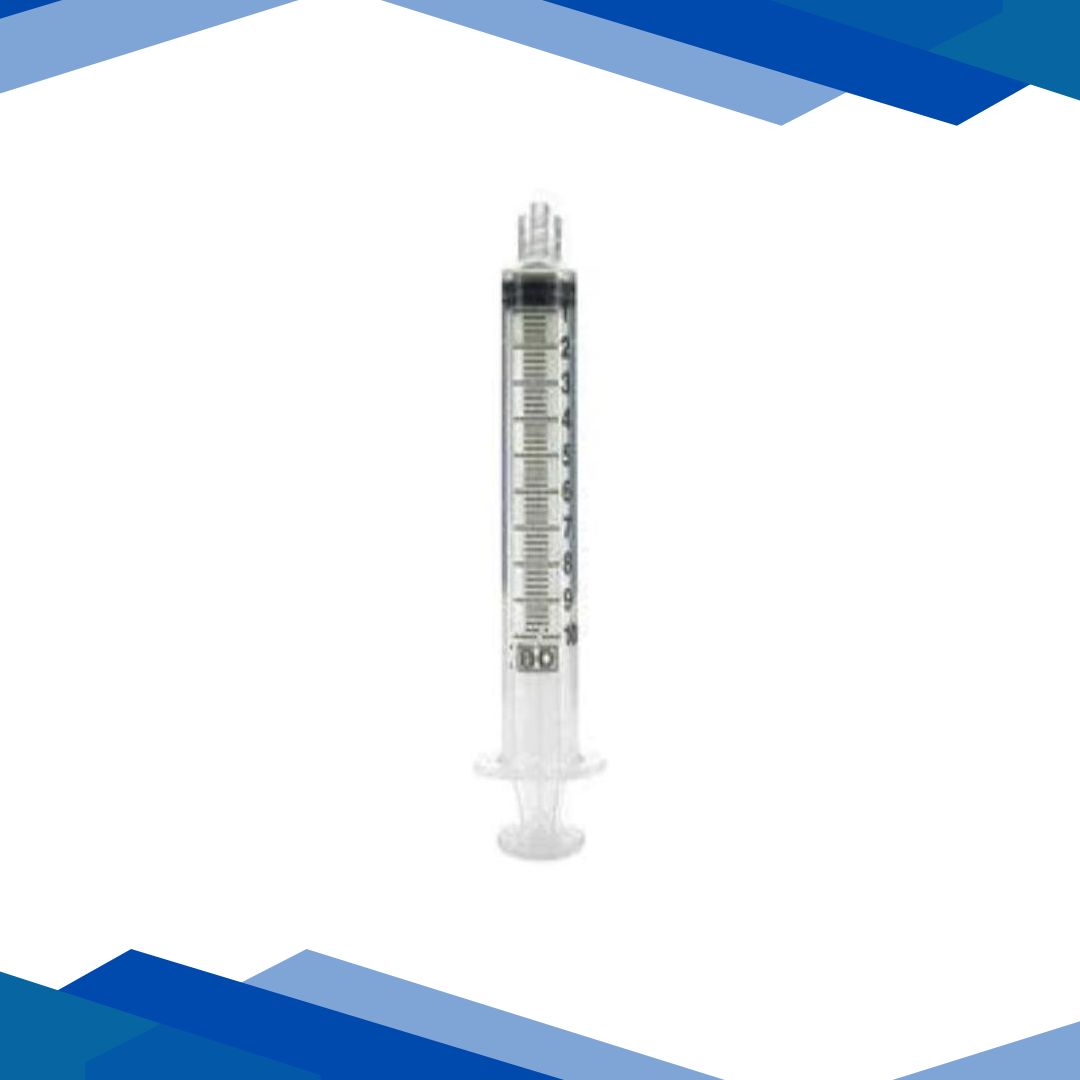
BD Posiflush SP Syringe 10 ml (30657571) 1’s
❌ Due to high demand, this product is currently out of stock. New stock will be available shortly.
👉 Click here to Buy Same Salt medicine
BD Posiflush SP Syringe 10 ml (30657571) is a combination medicine used mainly in eye or ear preparations to help relieve irritation and infection-related discomfort. BORIC ACID and SODIUM CHLORIDE help cleanse and soothe the affected area, while CHLOROBUTANOL acts as a preservative and provides mild local soothing support. CHLORPHENIRAMINE helps reduce allergy-related itching, redness, and irritation. SULFACETAMIDE is an antibacterial agent that helps stop the growth of certain bacteria, and ZINC SULFATE may help reduce inflammation and support tissue healing. This medicine is commonly used for minor eye or ear infections, allergic irritation, and associated redness or discomfort. It should be used only as directed by a healthcare professional.
Description
BD Posiflush SP Syringe 10 ml (30657571) is a multi-ingredient ophthalmic or local anti-infective and soothing formulation commonly used to help relieve eye irritation associated with minor infections, redness, discomfort, and inflammation. the combination brings together antiseptic, antimicrobial, astringent, antihistaminic, and soothing components that work in complementary ways to reduce irritation and support recovery. because it contains several active ingredients, the medicine is designed to address more than one symptom at the same time, such as bacterial contamination, itching, watering, mild swelling, and general eye discomfort.
boric acid and sodium chloride help provide cleansing, soothing, and osmotic support, making the formulation more comfortable and suitable for irritated tissues. chlorobutanol acts as a preservative and mild antimicrobial, while sulfacetamide is a sulfonamide antibiotic that helps stop the growth of certain bacteria. chlorpheniramine is an antihistamine that may reduce allergy-related itching and tearing, and zinc sulfate contributes mild astringent and protective effects that can help reduce secretions and irritation. together, these ingredients aim to improve comfort and control minor external eye symptoms, but they do not replace medical evaluation for serious eye infections or sudden vision problems.
this medicine is generally intended for short-term symptomatic relief in mild eye conditions where a clinician has determined that the combination is appropriate. it may be used in situations where bacterial contamination, irritation, or allergy-like symptoms overlap. however, the eyes are sensitive organs, and self-treating persistent redness, pain, discharge, or blurred vision can be risky. any worsening symptoms, severe pain, light sensitivity, trauma, or changes in vision should be assessed promptly by a healthcare professional.
ingredients
- boric acid:
boric acid is commonly used in ophthalmic preparations for its mild antiseptic, cleansing, and buffering properties. it helps create a more eye-friendly solution and may reduce discomfort caused by irritation or contamination. it is not a strong antibiotic, but it can support the overall soothing and cleansing effect of the formula. - chlorobutanol:
chlorobutanol is a preservative with mild antimicrobial action that helps keep the product stable and reduces contamination in multidose preparations. it can also contribute slightly to local antiseptic activity. in sensitive individuals, preservatives may occasionally cause irritation or stinging. - chlorpheniramine:
chlorpheniramine is an antihistamine that helps reduce allergy-related symptoms such as itching, watering, and mild swelling. in eye formulations, it may help soothe irritation when histamine release is contributing to symptoms. it does not treat bacterial infections directly, but it can improve comfort when allergic irritation is present. - sodium chloride:
sodium chloride helps maintain the proper tonicity of the solution so it is more comfortable for ocular use. it may also assist with cleansing and moisture balance on the eye surface. this ingredient helps the overall formulation feel less irritating and more physiologically compatible. - sulfacetamide:
sulfacetamide is a sulfonamide antibiotic that works by inhibiting bacterial growth. it is useful against certain susceptible bacteria involved in mild external eye infections. it does not work against viruses or fungi, so it should not be used for non-bacterial causes unless specifically recommended by a clinician. - zinc sulfate:
zinc sulfate has mild astringent and protective properties and may help reduce secretions and minor irritation. it can support the soothing effect of the formulation and may help make the eye feel less watery or inflamed. in ophthalmic use, it is typically included as an adjunct to improve overall comfort.
key uses
- relief of mild eye irritation:
this combination may help reduce discomfort caused by minor external irritation, exposure to dust, pollution, or other non-severe environmental triggers. the cleansing and soothing ingredients help calm the surface of the eye. - supportive treatment for allergic eye symptoms:
chlorpheniramine may help with itching, tearing, and mild redness related to allergic reactions. it is most useful when allergy-like symptoms are contributing to eye discomfort. - management of minor bacterial eye infections:
sulfacetamide helps inhibit the growth of susceptible bacteria, which may be helpful in mild superficial infections when prescribed or recommended by a healthcare professional. - reduction of eye discharge and watering:
zinc sulfate and the soothing base of the solution may help reduce excessive secretions and provide a cleaner, more comfortable eye surface. - adjunct relief in mixed-symptom eye conditions:
the formulation may be useful when irritation, mild infection, and allergy-like symptoms occur together. it is intended for selected cases rather than every eye condition.
how to use
use this medicine only as directed by a doctor, pharmacist, or the product label. because eye preparations vary by formulation, it is important to follow the specific instructions provided with the product. in general, wash your hands before and after handling the medicine. if it is an eye drop or ophthalmic solution, avoid touching the dropper tip to the eye, eyelid, fingers, or any surface to prevent contamination. if contact lenses are being worn, they should usually be removed before use unless a healthcare professional advises otherwise. some eye infections and irritation can worsen with contact lens use, so it is often safest to avoid lenses until symptoms are fully resolved and you have been cleared to resume them.
administer the medicine as instructed, spacing applications evenly if multiple daily uses are recommended. after instillation, close the eyes gently for a short time and avoid blinking excessively or rubbing the eyes. if an ointment or similar formulation is used, it may blur vision temporarily, so avoid driving or operating machinery until vision returns to normal. do not use the product for longer than advised, especially if symptoms do not improve, because prolonged use may hide a more serious condition or increase irritation. if you are using other eye medications, wait several minutes between products unless told otherwise, and place drops before ointments when both are prescribed. if there is no improvement after a short period or if symptoms worsen, seek medical advice rather than continuing self-treatment.
safety information
- warnings:
do not use this medicine for severe eye pain, sudden vision changes, marked swelling, injury, or thick pus-like discharge without medical assessment. it may not be appropriate for viral, fungal, or severe bacterial eye infections. avoid using it if you are allergic to sulfonamides, antihistamines, boric acid, or any of the ingredients. if the product causes intense burning, worsening redness, or visual disturbance, stop using it and contact a healthcare professional. - side effects:
common side effects may include mild stinging, temporary burning, eye irritation, dryness, watery eyes, or a slight blurred vision after application. less commonly, sensitivity reactions may occur, such as increased redness, eyelid swelling, itching, rash, or discomfort. serious side effects are uncommon but may include significant allergic reaction, severe eye pain, worsening infection, or signs of sulfonamide sensitivity such as widespread rash, fever, or mucosal involvement. seek urgent care if severe reactions occur. - precautions:
use caution in people with a history of allergies to sulfa drugs or other ophthalmic preservatives. individuals with glaucoma, chronic dry eye, recurrent eye infections, or compromised immune function should consult a clinician before use. children, older adults, and people with reduced tear production may be more sensitive to irritation. do not share eye medicine with others, as this can spread infection. - pregnancy/breastfeeding:
safety data may be limited depending on the exact product and route of use. although local eye use usually results in low systemic absorption, pregnant or breastfeeding individuals should use this medicine only if recommended by a healthcare professional. the potential benefits should be weighed against any possible risks. - interactions:
because the medicine is used locally in the eye, major systemic drug interactions are less likely, but interaction risk is not zero. other eye drops may interfere with absorption if used too closely together. alcohol is not expected to cause a direct interaction with topical ocular use, but if the product causes dizziness, blurred vision, or drowsiness in sensitive individuals, caution is still advised. tell your healthcare professional about all medicines, including prescription, over-the-counter, and herbal products.
additional information
- storage:
store the medicine in a cool, dry place away from direct sunlight and moisture, and keep the container tightly closed. do not freeze unless the label specifically instructs otherwise. keep out of reach of children. discard the product if it changes color, becomes contaminated, or is past its expiry date. - missed dose:
if a dose is missed, use it when remembered unless it is almost time for the next scheduled application. do not use extra medicine to make up for a missed dose. if you are unsure how to adjust timing, ask a pharmacist or doctor for guidance. - overdose:
an overdose from eye use is uncommon, but using too much may increase burning, irritation, watering, blurred vision, or redness. if the medicine is accidentally swallowed, or if a large amount is used and symptoms become severe, contact poison control or seek urgent medical help. keep the product packaging available so healthcare providers can identify the ingredients. - habit forming:
no, this medicine is not considered habit forming. it does not cause dependence. however, overusing eye medicines without medical advice can lead to persistent irritation, delayed diagnosis, or inappropriate treatment of a serious eye condition.
frequently asked questions
Q: what is BD Posiflush SP Syringe 10 ml (30657571) used for?
A: it is generally used for relief of mild eye irritation, allergy-related itching and watering, and certain minor bacterial eye infections when a healthcare professional considers the combination appropriate.
Q: can i use this medicine if i have eye redness?
A: redness can have many causes, including allergy, infection, dryness, injury, or more serious eye disease. this medicine may help in selected mild cases, but persistent or severe redness should be evaluated by a doctor.
Q: will this medicine cure all eye infections?
A: no. it may help with susceptible bacterial infections and symptom relief, but it does not treat viral or fungal infections and may not be suitable for severe conditions. medical evaluation is important if symptoms are significant.
Q: is it safe to wear contact lenses while using this product?
A: in many cases, contact lenses should be removed before using eye medicines and not worn again until symptoms improve and a clinician says it is safe. lenses can worsen irritation or increase infection risk.
Q: what should i do if the medicine stings after use?
A: mild stinging for a short time can occur, especially with irritated eyes. if the burning is severe, lasts too long, or gets worse, stop using it and seek advice from a healthcare professional.
Q: can children use this medicine?
A: use in children should be guided by a healthcare professional because eye products can be more irritating in younger patients and the cause of symptoms should be properly assessed.
Q: what if my symptoms do not improve?
A: if symptoms do not improve within the timeframe advised by a clinician, or if they worsen at any point, you should stop self-treatment and get a medical review to rule out serious causes.
Q: can i use other eye drops with this medicine?
A: sometimes yes, but they should usually be spaced apart to avoid washing out the medicine or causing irritation. ask a pharmacist or doctor how to use multiple eye products correctly.
Q: does this product cause drowsiness?
A: because chlorpheniramine is an antihistamine, some people may experience mild drowsiness if there is systemic absorption, though this is less common with local eye use. use caution if you feel sleepy or blurred vision occurs.
Q: is this medicine suitable for viral conjunctivitis?
A: no, it is not designed to treat viral conjunctivitis. a clinician should determine the cause of eye symptoms so the right treatment can be chosen.
this information is for educational purposes only and should not be considered medical advice. always consult a qualified healthcare professional before use.
At Gem Pharmacy, we make every effort to provide accurate, expert-written, and thoroughly reviewed information related to medicines. However, this information should not be considered a substitute for professional medical advice, diagnosis, or treatment from a qualified doctor.
The purpose of this information is to educate users and improve communication between patients and healthcare professionals. It should not be used to diagnose or treat any condition.
Always consult a certified healthcare professional before taking any medication.


Related products


Kojak Auto-Disable Hypodermic Syringe 0.5 ml 100’s