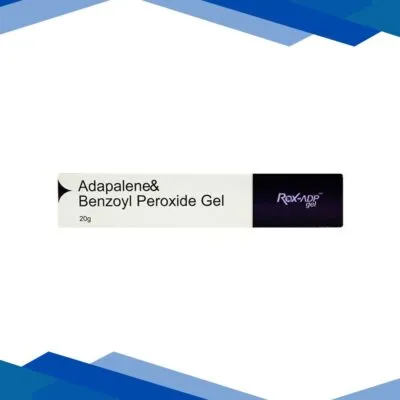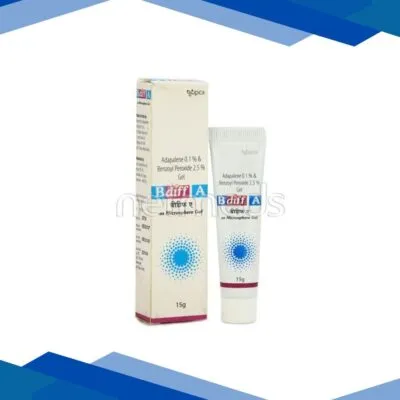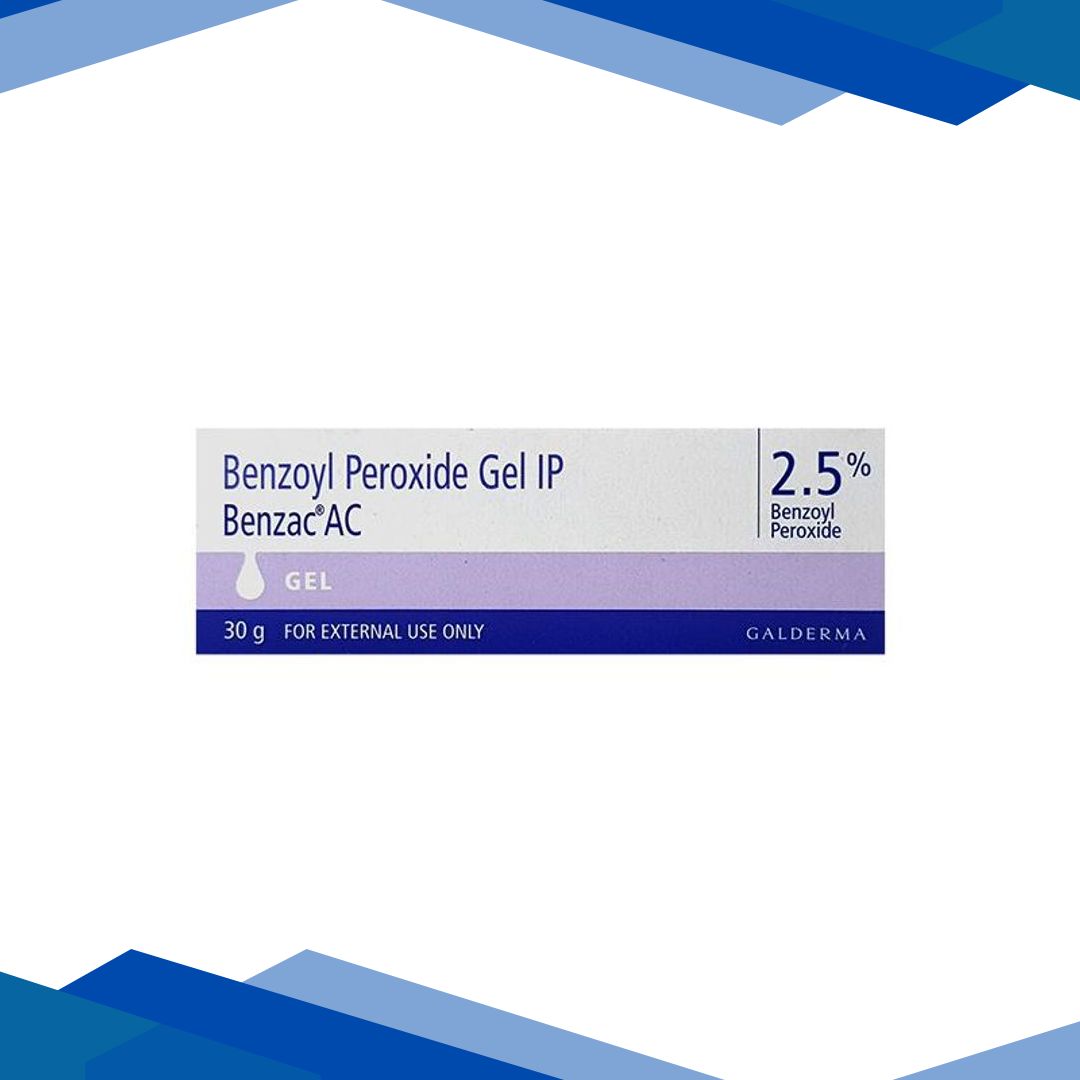
BENZAC AC 2.5% Gel 30gm
BENZAC AC 2.5% Gel is a topical medicine used mainly to treat acne. It combines two ingredients that work in different ways to help improve breakouts. Adapalene helps normalize skin cell turnover, which can reduce clogged pores and prevent new pimples from forming. Benzoyl peroxide helps kill acne-causing bacteria and also reduces excess oil and inflammation in the skin. Together, they can help clear whiteheads, blackheads, and inflamed acne spots while improving overall skin appearance over time. This medicine is commonly prescribed for mild to moderate acne and is usually used under medical guidance. Some people may notice dryness, redness, or peeling, especially when first starting treatment, so gentle skin care is often helpful.
Description
BENZAC AC 2.5% Gel is a topical combination medicine commonly used for acne vulgaris, especially for people who have both clogged pores and inflamed breakouts. it combines two well-known acne-fighting ingredients that work in different but complementary ways. adapalene is a retinoid-like medicine that helps normalize skin cell turnover, while benzoyl peroxide helps reduce acne-causing bacteria and also clears excess oil and dead skin cells from the skin surface. because these two ingredients act through separate mechanisms, the combination can be more effective than using either ingredient alone for many patients.
this medicine is usually applied to the skin, not taken by mouth. it is intended for mild to moderate acne, including blackheads, whiteheads, papules, and pustules. it may also help prevent new breakouts from forming over time. since acne develops from a combination of blocked pores, inflammation, oil production, and bacterial overgrowth, this dual-action treatment is designed to address several of those causes at once. for many patients, improvement is gradual and often becomes more noticeable after several weeks of consistent use.
BENZAC AC 2.5% Gel is often selected when acne is persistent, widespread, or not responding well to simple cleansers or over-the-counter spot treatments. it is generally suitable for adolescents and adults, but a healthcare professional should determine whether it is appropriate for a person’s skin type, acne severity, and overall medical history. because it can cause dryness, redness, and irritation, it should be used carefully and exactly as directed by a clinician or product label.
ingredients
- adapalene: adapalene is a topical retinoid that helps unclog pores by normalizing the shedding of skin cells inside hair follicles. in acne, dead skin cells can stick together and form plugs that trap oil and lead to comedones. adapalene reduces this process, helping to prevent blackheads and whiteheads while also lowering inflammation in the skin. it is especially useful for acne that has both non-inflammatory and inflammatory features.
- benzoyl peroxide: benzoyl peroxide is an anti-acne ingredient with antibacterial and keratolytic properties. it helps reduce the number of acne-associated bacteria on the skin and may decrease the inflammatory response around clogged pores. it also helps loosen dead skin cells and excess oil, which supports clearer pores. one important benefit is that it does not contribute to antibiotic resistance.
- inactive ingredients: the exact inactive ingredients vary by brand and formulation, but they may include gel or cream bases, stabilizers, preservatives, and texture agents that help deliver the active ingredients evenly to the skin. these ingredients do not treat acne directly, but they affect how the product feels, spreads, and stays stable on the skin.
key uses
- acne vulgaris treatment: this medicine is used to treat common acne, including blackheads, whiteheads, small bumps, and inflamed pimples. it works best when used consistently as part of a regular skin-care routine.
- prevention of new breakouts: by keeping pores clearer and reducing acne-forming bacteria, it can help lower the chance of new lesions developing over time. this preventive effect is important because acne is often a recurring condition.
- reduction of inflammation: adapalene helps calm inflammatory processes in the skin, while benzoyl peroxide decreases bacterial burden and surface congestion. together, they can reduce redness and swelling associated with acne lesions.
- improvement of skin texture related to acne: as clogged pores become less frequent, the skin may gradually appear smoother and less uneven. this benefit develops slowly and requires ongoing use.
how to use
BENZAC AC 2.5% Gel is generally applied as a thin layer to clean, dry, acne-prone skin, usually once daily or as directed by a healthcare professional. it is important to wash the hands before and after application and to avoid getting the medicine in the eyes, mouth, nostrils, and other sensitive areas. because this product can be irritating, many people find it helpful to apply it after the skin has completely dried following washing, since damp skin may absorb more medicine and increase stinging or dryness.
the medicine should be spread gently over the affected area rather than only placed on individual pimples, because acne often develops beneath the surface before it becomes visible. use only a small amount and do not apply more than recommended, as this does not improve results and may increase irritation. a non-comedogenic moisturizer may sometimes be helpful if dryness occurs, and a mild cleanser is preferred. since benzoyl peroxide can bleach fabrics, towels, and hair, care should be taken to avoid contact with clothing or bedding after application.
improvement may not be immediate. in many cases, it takes several weeks of consistent use before a meaningful reduction in breakouts is seen. during the early stages of treatment, some people experience temporary dryness or mild irritation, and acne may appear to worsen before improving. this does not necessarily mean the product is ineffective. however, if irritation becomes severe, the medicine should be stopped and a healthcare professional consulted. sun protection is also important because the skin may become more sensitive to irritation from sunlight or other topical products.
safety information
- warnings: this medicine can cause skin irritation, dryness, peeling, burning, or redness, especially when treatment is started. avoid using it on cuts, abrasions, eczematous skin, or sunburned skin. do not use stronger amounts or apply it more often than directed, because this increases irritation without improving acne faster. keep it away from the eyes, lips, and mucous membranes. because benzoyl peroxide can bleach hair and fabrics, use caution with towels, pillowcases, and clothing.
- side effects: common side effects include dry skin, mild stinging, redness, peeling, itching, and a sensation of tightness. some people also notice temporary irritation or sensitivity after application. more serious effects are uncommon but can include severe skin swelling, intense burning, blistering, rash, or signs of an allergic reaction such as hives, trouble breathing, or facial swelling. rarely, benzoyl peroxide may cause more significant contact dermatitis, which requires medical attention.
- precautions: people with very sensitive skin, eczema, rosacea, or a history of strong reactions to retinoids or benzoyl peroxide should use caution. those who are using other potentially irritating products, such as exfoliants, alcohol-based toners, astringents, or other acne treatments, may experience more dryness or irritation. if a person has extensive skin damage or a known allergy to any ingredient in the formulation, the product should be avoided unless a healthcare professional advises otherwise.
- pregnancy/breastfeeding: topical adapalene is generally not the first choice during pregnancy, and the safety of this combination should be discussed with a healthcare professional before use. if breastfeeding, avoid applying the medicine to the breast or nipple area, and ensure the infant does not contact treated skin. because acne treatment in pregnancy and breastfeeding requires individualized assessment, medical advice is strongly recommended.
- interactions: using this product together with other irritating topical treatments may increase skin dryness and discomfort. caution is needed with topical retinoids, scrubs, peeling agents, sulfur-containing acne products, salicylic acid preparations, and alcohol-based cosmetics. oral medicines do not commonly interact directly with this topical product, but any other acne therapies should be reviewed with a pharmacist or doctor. alcohol does not usually cause a direct medical interaction, but alcohol-containing skin products may worsen dryness and irritation.
additional information
- storage: store at room temperature in a tightly closed container, away from excess heat, moisture, and direct light. do not freeze unless the product label specifically permits it. keep out of reach of children and do not use the medicine after its expiration date.
- missed dose: if a dose is missed, apply it when remembered unless it is almost time for the next scheduled application. do not apply extra medicine to make up for the missed dose. returning to the regular routine as soon as possible is usually the best approach.
- overdose: too much topical use may cause marked redness, burning, peeling, and discomfort. accidental swallowing is uncommon but would require urgent medical advice. if excessive application leads to severe irritation, stop using the product temporarily and consult a healthcare professional for guidance.
- habit forming: no. BENZAC AC 2.5% Gel is not habit forming and does not cause dependence. however, acne treatment often works best when used consistently over time, so regular application may be necessary to maintain results.
frequently asked questions
Q: what is BENZAC AC 2.5% Gel used for?
A: it is used to treat acne vulgaris, including blackheads, whiteheads, and inflamed pimples. the combination helps unclog pores, reduce bacteria, and calm inflammation.
Q: how long does it take to work?
A: many people need several weeks of regular use before seeing clear improvement. some early dryness or irritation may happen first, but acne control usually becomes more noticeable with consistent treatment.
Q: can i use it every day?
A: it is commonly used once daily, but the exact schedule depends on the formulation and your skin’s tolerance. if irritation occurs, a healthcare professional may suggest adjusting how often it is applied.
Q: should i use moisturizer with this medicine?
A: a gentle, non-comedogenic moisturizer may help reduce dryness, peeling, or tightness. it is often helpful for people with sensitive or dry skin, but choose products that will not clog pores.
Q: can it bleach clothes or hair?
A: yes. benzoyl peroxide can bleach towels, pillowcases, clothing, and hair. allow the product to dry fully and be careful with fabrics after application.
Q: is it safe to use with other acne products?
A: it may be used with other treatments in some cases, but combining it with irritating products can worsen dryness and redness. always check with a healthcare professional before layering acne medicines.
Q: what if my skin gets very irritated?
A: mild irritation can be common early in treatment, but severe burning, swelling, blistering, or rash is not normal. stop using the product and seek medical advice if these occur.
Q: can i use it on sensitive skin?
A: people with sensitive skin can sometimes use it, but they may need extra caution and slower introduction. a healthcare professional can advise whether it is appropriate and how to minimize irritation.
Q: does it treat acne scars?
A: it is not specifically a scar treatment, but by reducing acne breakouts it may help prevent new marks from forming. existing scars usually need different therapies.
Q: can i go out in the sun while using it?
A: sun exposure is not absolutely forbidden, but using sunscreen and limiting excessive sun exposure is wise because irritated skin can become more sensitive. a broad-spectrum sunscreen is often recommended.
Q: should i wash my face right after applying it?
A: no, it should usually be left on the skin unless a clinician tells you otherwise. washing it off soon after application may reduce effectiveness.
Q: can pregnant people use this medicine?
A: pregnancy safety should be discussed with a healthcare professional before use. topical retinoid-containing products are generally not first-line choices during pregnancy.
this information is for educational purposes only and should not be considered medical advice. always consult a qualified healthcare professional before use.
At Gem Pharmacy, we make every effort to provide accurate, expert-written, and thoroughly reviewed information related to medicines. However, this information should not be considered a substitute for professional medical advice, diagnosis, or treatment from a qualified doctor.
The purpose of this information is to educate users and improve communication between patients and healthcare professionals. It should not be used to diagnose or treat any condition.
Always consult a certified healthcare professional before taking any medication.


Related products
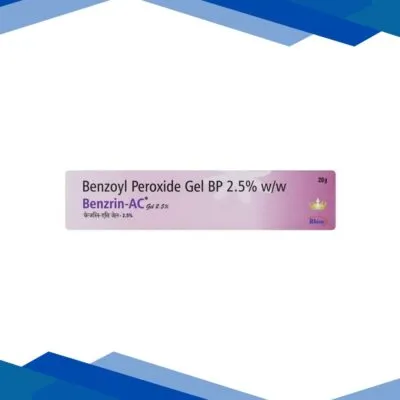
BENZRIN AC 2.5% Gel(topical) 20gm