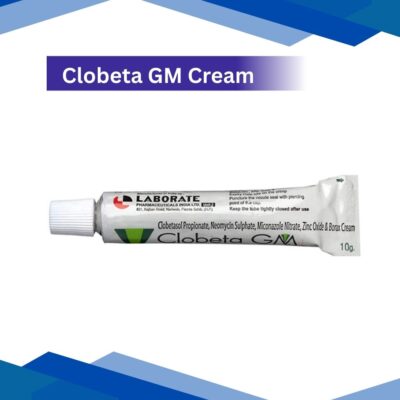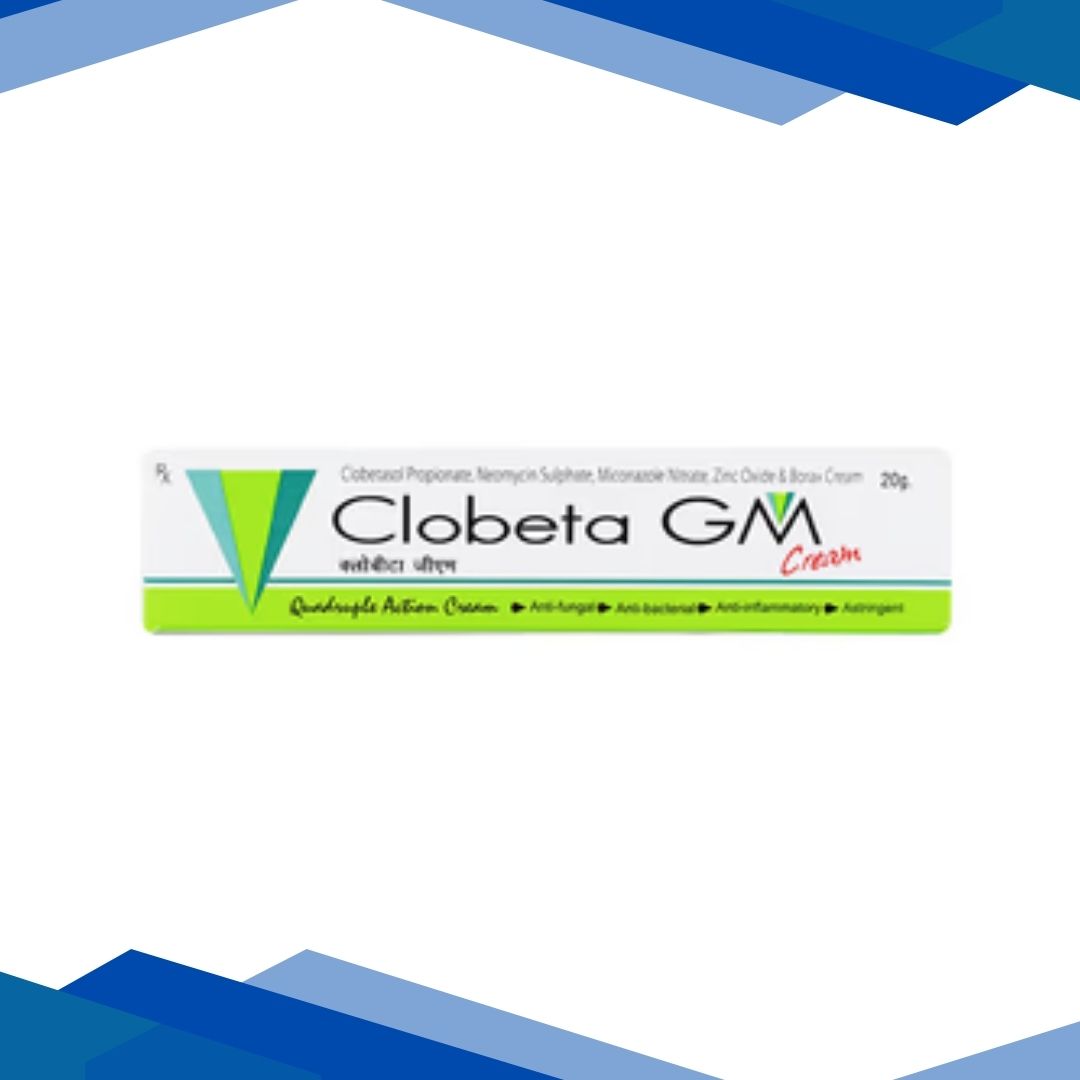
CLOBETA GM Cream 20gm
No Prescription yet? Don’t worry! Click Here to Get Online Consultation
cloBETA GM Cream is a combination medicine used to treat various types of skin infections usually the fungal type of skin infections. It minimizes symptoms of inflammation such as redness, swelling, and itching.
Biotin
Biotin (Vitamin B7 / Vitamin H)
Biotin, also known as Vitamin B7 or Vitamin H, is a water-soluble complex of Vitamin B that acts as a coenzyme in the metabolism of carbohydrates, fats and proteins. Biotin helps to convert food into energy at the cellular level and is famous for its role in promoting healthy hair, skin and nails. As a result of the human body's inability to store any Biotin, frequent ingestion of Biotin via diet or supplements is required for maintaining optimal levels of the same.
Clinical Benefits
Hair Luster & Strengthening: A key factor in the synthesis of keratin, the essential protein builds up your hair for the prevention of hair thinning and breakage.
Nail Protection: It has been reported in studies that supplementation of biotin enhances the thickness of nails and increases resistance to splitting and breaking.
Skin Radiance: Biotin is responsible for the production of fatty acids crucial in nourishing the skin and maintaining the health of its surface.
Metabolic Support facts: Support metabolism regarding macronutrient breakdown; hence, it helps in the good functioning of energy levels and blood sugar.
Neurological Function: Assists with nerve signals and neurotransmitters to some extent.
Specifications
Active Ingredient: Biotin USP/BP Grade.
Common Strengths: 30mcg, 5000mcg, 10000mcg (High Potency).
Prep Type: Tablet / Capsule / Gummies.
Suitability: Vegan and Gluten-free options available.
Administering Instructions
Dose: Typical daily dose for adults is 1 tablet (5000mcg) or as directed by a healthcare practitioner.
Intake Time: It is best to take with a meal for maximal absorption and to prevent stomach upset.
Then: The effect on hair and nail quality could be noticed from a defiant distance provided Biotin is used for 3–6 months, if not less.
A Matter of Quick Information for Consumers
Water Soluble: Any excess biotin consumed will naturally be secreted in people's urine.
Chicken and fish are high in biotin. Additionally, the following: cooked eggs, seeds, nuts, and, to some extent, some vegetables like sweet potatoes.
Cautions & Safety Information
Lab Test Interference: High doses of Biotin can interfere with certain laboratory tests, including thyroid (T3/T4) and heart (Troponin) tests. You must inform your physician and stop taking Biotin 48 to 72 hours before the blood tests are conducted.
Pregnancy & Lactation: Increasing Biotin requirements during pregnancy should be met by consulting your obstetrician.
Interactions: Anticonvulsants (anti-seizure medications) may lower blood biotin.
Frequently Asked Questions (FAQs)
Q: Can Biotin stop hair loss?
Biotin is most beneficial in hair loss originating due to symptoms of a vitamin B7 deficiency. It acts by stimulating existing hair and promoting the production of keratin. However, it may not prevent androgenic alopecia or hair loss resulting from hormonal imbalances, except as part of a good comprehensive treatment plan.
Here is an answer: Skin and nail supplements containing biotin typically take long periods to show visible results; most people are able to witness a significant change in their nail strength and skin texture in the aforementioned region after 8–12 weeks of supplement use.
Q: What are the common side effects, if any?
Biotin is generally considered a safe and non-toxic vitamin. An issue might arise from straining the digestive system. In few rare cases, high doses have caused mild nausea, stomach upset, or acne-like rashes (sometimes referred to as "biotin bumps"). Increase water intake to mitigate skin issues.
Q: Does Biotin cause weight gain?
No. In fact, Biotin will likely enhance one's metabolism rather than causing weight gain by helping one's body process fats and carbohydrates more efficiently.
A: Can I take Biotin on an empty stomach?
Yes, but it is advisable that you take Biotin with food to alleviate minor stomach irritations. Also, to help in the supplementation digestion process, food would aid in the process.
Storage
Store in a cool dry place below 30°C. Protect from direct sunlight and moisture. Be sure to tightly cap the bottle after every use.
Warning: This article is meant for informational purposes only and is in no way to be construed as medical advice. Always consult with a registered physician before starting any supplementation program.
Clobetasol propionate
Clobetasol Propionate 0.05% Cream/Ointment
Clobetasol Propionate is considered one of the strongest medications against various severe skin problems. This drug, by acting upon these substances in the skin, helps in decreasing the swelling, redness, and itching that happen in skin diseases. This is classified under "super-potent" class I steroid and is therefore reserved for very severe dermatoses that do not respond to less potent steroids.
Indications
This medicine can basically be prescribed for inflammatory and pruritic conditions responsive to corticosteroids, which are represented by:
- Psoriasis: Especially plaque psoriasis localized on the scalp, elbows, and knees.
- Eczema: Incapacitating atopic dermatitis unresponsive to other types of treatment.
- Lichen Planus: An inflammatory disease of the skin and mucous membranes
- Discoid Lupus Erythematosus
Key features
Rapid Action: Quick relief from severe itching and localized inflammation.
Targeted Therapy: High skin permeability ensures deep immunization of the affected dermal tissues by the active material.
Multiple Formulations: Available as a cream, ointment, gel, and scalp solution depending on skin typology and what part of the body might be affected.
Application Directions
Pre-treatment: Wash and dry hands and the area on the skin where the medication is to be applied.
Gentle Layering: Use pea-sized amounts, and gently rub the cream, drug, or gel into the area being treated, making sure it disappears into the skin.
Use Frequency: Use frequency is usually 1-2 times daily, but no more than what is recommended by your dermatologist, in terms of dosing or frequency.
Cleanliness of the Hands: Rinse hands, unless hands are to be treated on.
Major Precautions
Use Short-term: Owing to the high potency, prolonging usage should not go beyond two consecutive weeks.
Cautiousness in Facial Areas: The owned should be directed merely to the areas of application; however, if this has to end up being the face, an alternative medicine is otherwise recommended for such cases on strict grounds.
Occlusion: Unless otherwise advised by a physician, the patient shall make sure that the treated skin is not occluded by bandages or air-tight dressings, which increase systemic absorption of the medicine.
No Data on Adrenal Insufficiency: Long-term use of clobetasol propionate over a significant body area has the potential to increase the systemic absorption of the drug and possibly affect the hypothalamic-pituitary-adrenal axis.
Adverse Effects
Common side effects of Clobetasol Propionate 0.05%/gm are:
Irritation or stinging after application.
Skin thinning or infrequently striae.
Folliculitis.
Spider telangiectasia veins.indicators
FAQs (Frequently Asked Questions)
Q: Is Clobetasol Propionate a fungal or antibiotic cream?
Clobetasol is a steroid type. It does not treat infections mediated by bacteria, fungi, or viruses, and can enhance them if used on the infected area alone.
Q: Is it okay to use Clobetasol for baby diaper rash?
No, Clobetasol is too strong for the delicate infant skin and should never be used in diaper dermatitis cases as mentioned above. The inclusion of steroids in the diaper region increases the risk of systemic absorption from the 'occlusive' property of a diaper.
Q: Should I start using it if I missed a dose?
When you remember, use it; otherwise, wait and continue with your regular dosing schedule. Do not "double up" to make up for the missed dose.
Q: How long should I expect to wait before I see some form of improvement?
Most patients start to feel a decrease in itching and redness within the first couple of days of applying it. Should you be unable to see any improvement after two weeks, talk with an experienced person from the dermatology society.
Q: Would pregnant women use it?
Topical steroids are used during pregnancy exclusively when the potential benefit of treating the mother far exceeds the theoretical risk to the fetus. It is always wise to have a discussion with your OB-GYN before you start treatment.
Miconazole Nitrate
Miconazole is an antifungal agent from the azole class. Therefore, miconazole nitrate shows broad activity against many fungal species. The primary use is against dermatophytes, which are epidermal fungal infections. The mechanism of action of miconazole is similar to other azole antifungals. It works by inhibiting ergosterol synthesis in the fungal cell membrane. Ergosterol is an essential lipid component of fungal membranes, and without it, the fungus cannot grow, leading to elimination of the infection.
Major Indications:
Athlete’s Foot (Tinea Pedis): Causes itching and cracking between the toes.
Jock Itch (Tinea Cruris): Causes itching in the groin and underwear-covered areas.
Ringworm (Tinea Corporis): Appears as red, circular, itchy skin lesions.
Cutaneous Candidiasis: Treats yeast infections in skin folds.
Pityriasis Versicolor (Tinea Versicolor): Helps restore normal skin pigmentation affected by fungal infection.
Whenever a patient is advised to use miconazole nitrate or any formulation containing miconazole, it is generally recommended that the patient either use it under a prescription or after consultation with a doctor.
Clean & Dry: Clean the affected area thoroughly with a mild, non-perfumed soap and ensure it is completely dry. Moist environments promote fungal growth, so keeping the area dry is essential.
Cover Up: Apply a small amount of cream on the infected area and surrounding skin. Gently massage until absorbed.
How Often to Use: Usually applied twice daily (morning and night), but follow dermatologist instructions.
Persistence is Good: Even after symptoms improve, continue treatment for the full prescribed duration to prevent recurrence.
Expert Safety Tips
Tip: In athlete’s foot, pay special attention to toes and skin folds. Wear well-ventilated footwear and change socks daily.
External Use Only: Do not apply to eyes, nose, or mouth.
Caution: For vaginal yeast infections, miconazole may weaken latex condoms and diaphragms.
Avoid Band-Aids: Do not cover with plastic or waterproof dressings unless advised by a doctor, as this may worsen irritation.
Side Effects
Miconazole is generally well tolerated, but may cause:
Mild skin irritation or redness
Slight stinging or burning sensation
Itching or hives (rare)
⚠️ If you experience severe blistering, oozing, or swelling, stop using the medicine and seek medical advice immediately.
Frequently Asked Questions (FAQs)
Q: How long does it take for Miconazole to work?
A: Relief from itching and burning usually occurs within 24–48 hours, but complete fungal clearance may take 2–4 weeks depending on severity.
Q: Can I use Miconazole Nitrate on my face?
A: Only use on the face if prescribed by a doctor, as facial skin is sensitive. Avoid contact with eyes and mouth.
Q: Is Miconazole safe for children?
A: Yes, it is generally safe for children over 2 years for topical fungal infections. For infants, consult a pediatrician first.
Q: Can I use make-up or sunscreen over it?
A: Yes, but allow 15–20 minutes for full absorption before applying other products.
Q: What if I forget to apply it?
A: Apply it as soon as remembered. If it is close to the next dose, skip the missed application and continue the regular schedule.
Neomycin Sulphate
Neomycin Sulphate
Neomycin Sulphate is a potent aminoglycoside antibiotic chiefly enlisted to take care of bacterial infections of the skin, eye, and ear. Furthermore, the medication is taken by mouth in the form of tablets or liquid to reduce bacterial counts in the gut before surgical procedures or to treat symptoms of hepatic encephalopathy (brain fog occurring due to liver issues). Broadly, it works by targeting and obliterating harmful bacteria, halting their production of proteins necessary for their growth and survival.
Therapeutic Uses
Infections of the Skin: It effectively treats infected cuts, wounds, and small burns by blocking bacterial colonization.
Intestinal Preparation: The drug is provided orally before surgeries for eradicating the gut microflora to lessen the risk of infections.
Liver Encephalopathy: Helps reduce ammonia levels in the blood by decreasing ammonia-producing bacteria in the gut.
Topical Agent: It is added to triple antibiotic ointments, together with Polymyxin B and Bacitracin, to provide a wide spectrum of protection.
What Does Neomycin Work?
It works by irreversibly binding to the 30S ribosomal subunit in bacterial cells. By this way, it causes bacteria to produce cryptic, mistaken proteins that neither have any functional status nor can get away with the sad fact that they somehow disrupt their cell membrane and, in the end, kill themselves. Hence, it is estranged from effective absorption into the bloodstream when orally administered, making it most effective for a localized prevalence of infection in the gut.
General Usage Guidelines
Topical Formulations: Clean the infected region with an antiseptic preparation and then apply a small amount 1–3 times a day. Don't tightly wrap or bandage the area unless recommended by your doctor.
Orally Administered Tablets: Take with any fluid or without; it can also be taken without or with a meal. Please complete the full course of Neomycin even if you are feeling better.
Missed Dose: Take the missed dose as soon as you remember it; if soon enough for the next dose, skip the one missed to avoid overdose. Do not ever double the dose at a time who missed their dose.
Keeping Record of Side Effects & Monitoring
While usually well-tolerated when topically applied, some clients might present with conditions as follows:
Mild Ineffectiveness: Skin rash or itching at the place of application.
Allergic Reactions: Pimples or hives in extremely rare cases.
Ototoxicity (damage to the ear): Extended or higher doses may rarely induce loss of hearing or ringing in the ears (tinnitus).
Nephrotoxicity (damage to kidneys): Partly true for use orally.
The way to Take Care
Elderly: Elderly individuals who have not improved after the first 48–72 hours need to consult their physician.
Keeping The Drug: Keep the antibiotic in a child-proof place, away from the possibility of unwanted disposal.
Finish It: Finish taking Neomycin for the full time prescribed, even if you feel better after two or three doses of it.
Allergic Reactions: Inform your physician when you detect any symptoms indicative of the presence of an allergic condition.
None: Wash the applicator, wash insertion, wash your hands, and follow this with good lotion for wet skin.
Other Queries
Do Neomycin and Penicillin share the same?
No, Neomycin falls under the class of antibiotics called aminoglycosides and in this regard has a unique molecular structure, thus proving entirely different and largely safe for individuals with an allergy to penicillin (though you should always confirm with your healthcare provider before).
Why Do I Have to Use Neomycin Before My Surgery?
Because it is taken before a procedure involving the gut, Neomycin "sterilizes" the latter. This implies that the drug normally empties all regular beneficial bacteria in the gut, so much reducing the risk of bacterial contamination into the bloodstream or into the abdominal cavity during surgery.
Is it safe to put Neomycin ointment on my infant's diaper rash?
No, unless a pediatrician confirms that bacterial infection is present, Neomycin should not be utilized for a typical diaper rash. A good portion of the diaper rashes is from irritants or yeast, which are not susceptible to Neomycin.
Will Neomycin leave stains on my clothes?
No. The majority of Neomycin creams and ointments are clear or white and do not leave permanent stains on fabric once absorbed.
Will Neomycin be suitable for removing viruses like flu?
No! Neomycin is an antibiotic and is expected to eliminate bacterial infections only. It will not have the power to deal with infections caused by viruses like common cold, flu, and COVID-19.
ZINC
Zinc (Elemental Zinc/Zinc Salts)
Zinc is an essential trace mineral vital for the activity of more than 300 enzymes in the human body. It plays a fundamental role in immune function, protein synthesis, wound healing, and DNA synthesis. With no specialized zinc storage system, a daily intake is necessary to maintain homeostasis. Zinc is mostly applied clinically to treat nutritional deficiencies, assist in pediatrics' growth and manage acute diarrhea.
Therapeutic Uses
Immune System Support: Acts as a gatekeeper of immune function, helping the body resist infections and reducing the duration of the common cold.
Diarrhea Management: WHO recommends zinc to reduce the severity and duration of diarrhea, particularly in children.
Skin Health & Repair: Essential for maintaining skin integrity; often used to treat acne, eczema-like rashes, and slow-healing wounds.
Sensory Function: Crucial for the maintenance of the senses of taste and smell.
Growth & Development: Synergists during growth & development, from pregnancy to childhood, & adolescence.
Key Features
Several Salt Forms: This nutritional mineral comes in Zinc Sulfate, Zinc Gluconate, and Zinc Acetate; the latter two should be preferred probably for easy GI tolerance as and when needed.
High Bioavailability: High bioavailability makes it rapidly absorbed from the small intestine.
Essential Micronutrient: Iron serves as an 'essential' mineral because it can't be made in the body.
Instructions for Use
Dosage: Per prescription from health care providers or on causal bases, one to two tablets is the recommended dose to make up the RDA of, say, 8mg for women and 11mg for men.
Timetime: One hour before or two hours after meal for maximal absorption.
Questionable Stomach? Nausea from zinc is through- add some food and this might reduce absorption a tad.
Avoid Interference: Do not take zinc with iron or calcium supplements, as these minerals compete for absorption.
Possible Side Effects
At recommended doses, side effects with Zinc are uncommon. Nonetheless, a few users may encounter the following difficulties:
GI Disturbances: Zinc Sulfate causes common nausea, vomiting, and stomach pains.
Metallic Taste: A lingering taste in the mouth will occur.
Copper Deficiency: Excessive zinc intake, longer than 40 mg/day, can be an obstruction to copper absorption, leading to anemia.
Cautions and Restriction
Drug Interactions: Zinc may interfere with the absorption of certain antibiotics (eg. Quinolones and Tetracyclines). So if you are on these medications, take them at least 2 hours before or 4–6 hours after taking Zinc.
Renal Health: Be cautious if you have kidney deficiencies, as minerals can build up.
Pregnancy & Lactation: Zinc needs are higher during these periods and supplementation should be by prescription only.
Avoid taking antacids two hours before/after your zinc dose since they may actually reduce its effectiveness.
Frequently Asked Questions (FAQs)
Q: Which is the best form of Zinc, sulfate, gluconate, or acetate?
All forms are equally good carriers of elemental zinc. Zinc sulfate tablets offer more zinc for the money and is commonly found, but zinc gluconate or acetate forms are most often desired in syrups and lozenges as they are less bitter and milder on the stomach.
Q: Can Zinc delete a common cold faster?
Yes, clinical studies show that taking Zinc lozenges or syrup less than 24 hours after the initial phase of a common cold can significantly reduce the duration and severity of a cold.
Q: How can I tell if I have Zinc deficiency?
Common signs include frequent infections, thinning of the hair, decreased appetite, changes in taste or smell, and wounds that are slow to heal among other few. If you are experiencing these symptoms, it is suggested to check with your clinician for a blood test.
Q: Can I take Zinc and Iron together?
That's correct. A large intake of iron (25mg or more) will seriously inhibit zinc absorption. It is best we supplement each with enough hours separation (e.g. morning and evening).
Q: Will it be safe to consume 50mg of zinc every day?
The "Tolerable Upper Intake Level" figure for adult consumption stands at 40 mg/mg per day. In any case, taking 50 mg/day or more on one's own overtime without any doctor's supervision will result in a copper deficiency and weakened immunity.
Storage
Store in the same fashion others are stored: dry places away from direct sunlight with the container tightly closed to prevent moisture from getting in.
Disclaimer: INFO THIS ARTICLE OFFERS IS PRESENTED IN AN INFORMATIVE WAY. IT IS NOT SUBSTITUTING FOR PROFESSIONAL MEDICAL ADVICE OR DIAGNOSIS. ALWAYS CONSULT YOUR DOCTOR BEFORE TAKING ANY NEW MINERAL SUPPLEMENT.
At Gem Pharmacy, we make every effort to provide accurate, expert-written, and thoroughly reviewed information related to medicines. However, this information should not be considered a substitute for professional medical advice, diagnosis, or treatment from a qualified doctor.
The purpose of this information is to educate users and improve communication between patients and healthcare professionals. It should not be used to diagnose or treat any condition.
Always consult a certified healthcare professional before taking any medication.


Related products


Goa Nutritions Well-C Chewable Tablet Orange