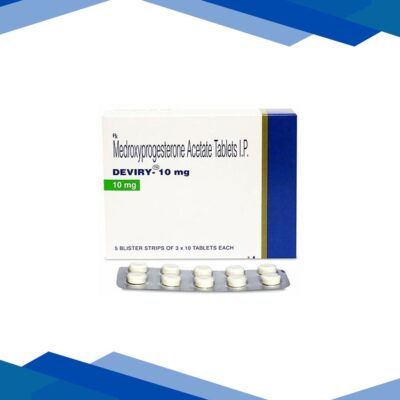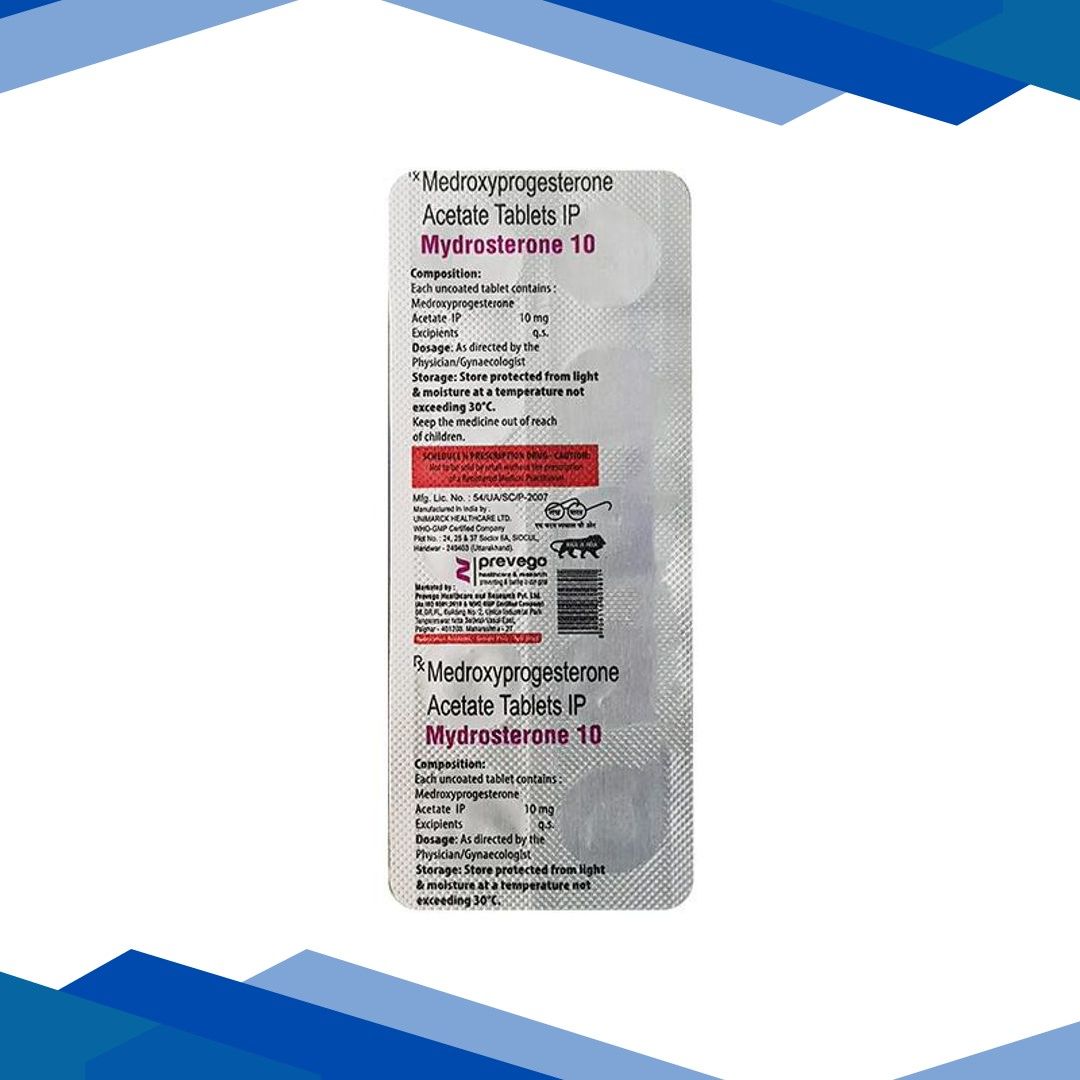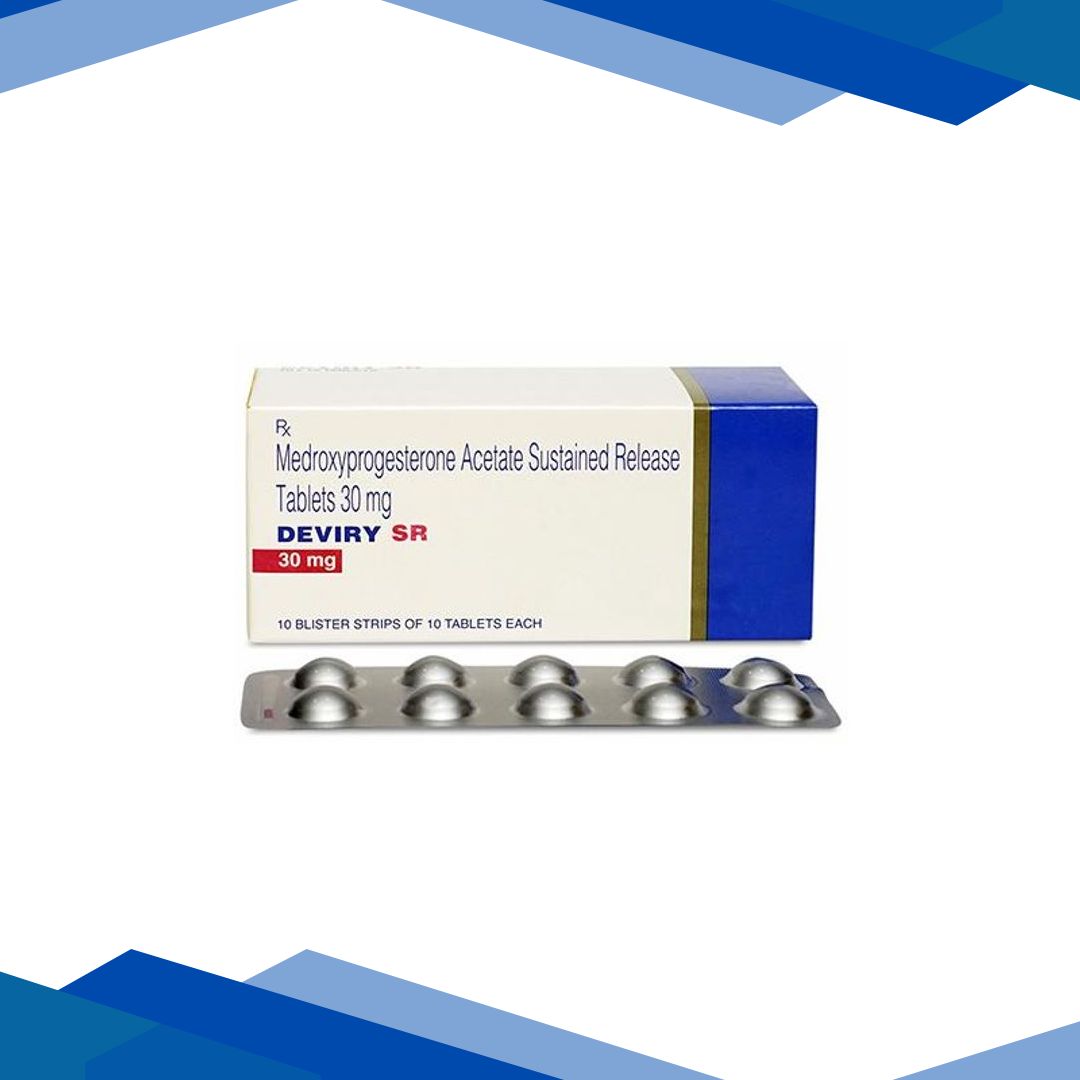
DEVIRY SR Tablet 10’s
DEVIRY SR Tablet is a hormone medicine that combines estrogen and progestin. It is used mainly in women after menopause to help relieve common symptoms such as hot flashes, night sweats, and vaginal dryness, and it may also help prevent bone loss when other treatments are not suitable. Estrogen helps replace the hormone the body makes less of after menopause, while medroxyprogesterone acetate protects the lining of the uterus from becoming too thick, which can happen with estrogen alone. This medicine may also be prescribed as part of hormone replacement therapy for people with an intact uterus. Because it affects hormone levels, it should be used only under medical supervision to make sure it is appropriate and safe for each person.
Description
DEVIRY SR Tablet is a combination hormone medicine used primarily in women who need menopausal hormone therapy. it contains two different types of hormones: an estrogen component and a progestin component. together, these help relieve symptoms caused by a natural decline in hormones, most commonly during and after menopause. menopause can lead to troublesome symptoms such as hot flashes, night sweats, vaginal dryness, sleep disturbance, and mood changes. in some women, hormone replacement may also be used to help prevent bone loss when other options are not suitable.
the estrogen in this medicine helps replace the hormone that the ovaries no longer produce in sufficient amounts after menopause. estrogen is important for the health of many tissues in the body, including the uterus, bones, skin, brain, and vaginal lining. when estrogen levels fall, women may experience symptoms that can significantly affect quality of life. the progestin, medroxyprogesterone acetate, is added to protect the lining of the uterus in women who still have a uterus. estrogen alone can stimulate the endometrium, and over time this may increase the risk of endometrial overgrowth and cancer. the progestin balances this effect and lowers that risk.
this medicine is intended for specific patients and should not be used casually for general well-being or aging-related complaints. it is usually considered when menopausal symptoms are moderate to severe and when the benefits are judged to outweigh the risks. because hormone therapy can increase the risk of certain conditions, such as blood clots, stroke, breast cancer, and heart-related problems in some women, it should always be prescribed and monitored by a healthcare professional. the dose and duration are individualized based on symptoms, medical history, age, time since menopause, and risk factors.
in simple terms, DEVIRY SR Tablet works by supplementing missing hormones and restoring a more balanced hormonal environment in the body. it can improve comfort and functioning in women affected by menopausal changes, but it must be used thoughtfully, at the lowest effective dose for the shortest appropriate time, with periodic reassessment. proper use, screening, and follow-up are essential to reduce harm and maximize benefit.
ingredients
- conjugated estrogens: this is the estrogen portion of the medicine and consists of a mixture of estrogen hormones. its main role is to replace declining estrogen levels after menopause, helping reduce hot flashes, vaginal dryness, and other estrogen-deficiency symptoms. it also supports bone maintenance and can help reduce the rate of bone loss in some women when used appropriately.
- medroxyprogesterone acetate: this is a progestin, which is a synthetic form of progesterone. its role is to protect the uterine lining in women who have a uterus, reducing the risk of estrogen-driven endometrial thickening. it is especially important in combined hormone therapy because unopposed estrogen can raise the risk of endometrial hyperplasia and cancer.
key uses
- relief of menopausal hot flashes and night sweats: the medicine helps reduce vasomotor symptoms caused by low estrogen levels, which can disrupt sleep, concentration, and daily activities.
- treatment of vaginal dryness and discomfort: by restoring estrogen activity, it may improve vaginal tissue health and reduce dryness, itching, irritation, and painful intercourse related to menopause.
- management of other menopausal symptoms: some women may notice improvement in mood swings, sleep quality, and general menopausal discomfort, although response can vary.
- prevention of osteoporosis in selected women: in women at increased risk of bone loss who cannot use or do not tolerate other treatments, it may help reduce postmenopausal bone thinning when prescribed appropriately.
- protection of the endometrium during estrogen therapy: the progestin component helps prevent excessive growth of the uterine lining in women with an intact uterus, making combined therapy safer than estrogen alone for this group.
how to use
DEVIRY SR Tablet should be used exactly as directed by a healthcare professional. it is usually taken by mouth, and the schedule may be continuous or cyclical depending on the product and the treatment plan. swallow the medicine with water and try to take it at the same time each day to maintain consistent hormone levels and help you remember doses. it may be taken with or without food, although taking it with food can help reduce stomach upset in some people.
the medicine is not meant for self-starting or self-adjusting. a clinician will consider your menopausal symptoms, medical history, family history, and risk factors before recommending hormone therapy. regular follow-up is important to review whether you still need it and whether the dose remains appropriate. if you are using it for menopause-related symptoms, the treatment should generally be reviewed periodically, because the need for hormone therapy may change over time. if you have a uterus, taking the progestin component as prescribed is important for safety and uterine protection.
do not take extra tablets to make up for missed doses unless your prescriber or pharmacist specifically instructs you to do so. if you are also using other medicines, supplements, or herbal products, mention them to your healthcare professional because some products can affect hormone levels or increase side effects. lifestyle measures such as smoking cessation, regular exercise, bone health support, and routine screening may also be recommended alongside therapy.
safety information
- warnings: hormone therapy can increase the risk of blood clots, stroke, heart attack, gallbladder disease, and in some women breast cancer or endometrial problems. the risk depends on age, timing of initiation after menopause, personal medical history, and duration of treatment. emergency medical help is needed if you develop chest pain, shortness of breath, sudden weakness, severe headache, vision changes, or one-sided leg swelling.
- side effects: common side effects may include breast tenderness, nausea, abdominal bloating, headache, dizziness, mood changes, fluid retention, spotting or irregular vaginal bleeding, and weight changes. more serious side effects can include blood clots, high blood pressure, abnormal vaginal bleeding, liver problems, gallbladder disease, or allergic reactions. any unexpected vaginal bleeding after menopause should be evaluated promptly.
- precautions: this medicine should be used cautiously or avoided in people with a history of breast cancer, estrogen-dependent cancer, unexplained vaginal bleeding, blood clots, stroke, heart disease, liver disease, severe migraine, or uncontrolled high blood pressure. it may not be appropriate for smokers over a certain age or for those at high cardiovascular risk. a pelvic exam, breast screening, and medical review may be recommended as part of follow-up.
- pregnancy/breastfeeding: this medicine is not intended for use during pregnancy. if pregnancy is possible or suspected, seek medical advice immediately. it is also generally not recommended during breastfeeding because hormones may affect milk production and the infant; a healthcare professional should advise on safer alternatives if needed.
- interactions: some medicines can change how hormones are processed in the body, including certain anti-seizure medicines, rifampin-type antibiotics, some hiv treatments, and herbal products such as st. john’s wort. using tobacco may also increase cardiovascular and clot-related risks. alcohol may worsen dizziness, nausea, or other side effects in some people and should be used cautiously.
additional information
- storage: store at room temperature in a dry place, away from moisture, heat, and direct light. keep the medicine in its original container and out of reach of children and pets. do not store it in the bathroom unless specifically instructed, because humidity can damage tablets.
- missed dose: if you miss a dose, take it as soon as you remember unless it is almost time for the next dose. if it is close to the next scheduled dose, skip the missed dose and return to your regular schedule. do not double the dose to make up for a missed one without professional guidance.
- overdose: taking too much may cause nausea, vomiting, breast tenderness, drowsiness, abdominal pain, or vaginal bleeding. large overdoses can be more concerning in people with risk factors. if an overdose is suspected, contact a poison control center or seek urgent medical help, especially if symptoms are severe or unusual.
- habit forming: no. this medicine is not considered habit forming or addictive. however, some people may rely on it for symptom control, so treatment decisions should be reviewed regularly by a healthcare professional to ensure it remains necessary and safe.
frequently asked questions
Q: what is DEVIRY SR Tablet used for?
A: it is mainly used to relieve menopausal symptoms such as hot flashes, night sweats, and vaginal dryness, and it may also help protect bone health in selected women. the progestin part helps protect the uterine lining in women who still have a uterus.
Q: why does this medicine contain two hormones instead of one?
A: it contains both estrogen and progestin because estrogen alone can cause excessive thickening of the uterine lining in women with a uterus. the progestin lowers that risk and makes hormone therapy safer for this group.
Q: can this medicine stop menopause completely?
A: no. it does not reverse menopause or restore natural ovarian function. it only helps manage symptoms and certain hormone-related effects caused by low estrogen levels.
Q: how long can i take it?
A: the length of treatment depends on your symptoms, health risks, and response to therapy. it is usually used at the lowest effective dose for the shortest time needed, with periodic review by a healthcare professional.
Q: does it increase cancer risk?
A: hormone therapy may increase certain risks, including breast cancer risk with longer use in some women and endometrial risk if estrogen is used without adequate progestin in women with a uterus. your doctor will weigh these risks against the benefits before prescribing it.
Q: can i take it if i have had a hysterectomy?
A: in many cases, progestin is not needed after hysterectomy, but the decision depends on your specific medical situation. a healthcare professional will determine whether combined therapy is appropriate for you.
Q: what should i do if i have unexpected vaginal bleeding?
A: unexpected bleeding, especially after menopause, should be reported to a healthcare professional promptly. it may be harmless in some cases, but it can also signal a more serious condition that needs evaluation.
Q: does this medicine help with mood swings and sleep problems?
A: it may improve sleep and mood symptoms in some women if these are related to menopausal hormone changes, but it is not a universal treatment for depression or insomnia. persistent mood or sleep problems should be assessed separately.
Q: can i use this medicine if i smoke?
A: smoking can increase the risk of serious side effects, especially cardiovascular and clot-related complications. your healthcare professional should know if you smoke so they can assess whether hormone therapy is safe for you.
Q: will i need any tests while taking it?
A: you may need periodic follow-up visits, and depending on your age and medical history, monitoring may include blood pressure checks, breast screening, and evaluation of any abnormal bleeding. your clinician will guide you on the appropriate monitoring plan.
Q: can i stop the medicine suddenly?
A: some people can stop hormone therapy without tapering, but the best approach depends on how long you have used it and why you are taking it. speak with your healthcare professional before stopping so symptoms and risks can be managed properly.
Q: is this medicine the same for everyone?
A: no. hormone therapy is highly individualized. the decision to use it, the formulation, and the duration depend on your symptoms, your uterus status, and your personal risk factors.
this information is for educational purposes only and should not be considered medical advice. always consult a qualified healthcare professional before use.
At Gem Pharmacy, we make every effort to provide accurate, expert-written, and thoroughly reviewed information related to medicines. However, this information should not be considered a substitute for professional medical advice, diagnosis, or treatment from a qualified doctor.
The purpose of this information is to educate users and improve communication between patients and healthcare professionals. It should not be used to diagnose or treat any condition.
Always consult a certified healthcare professional before taking any medication.


Related products