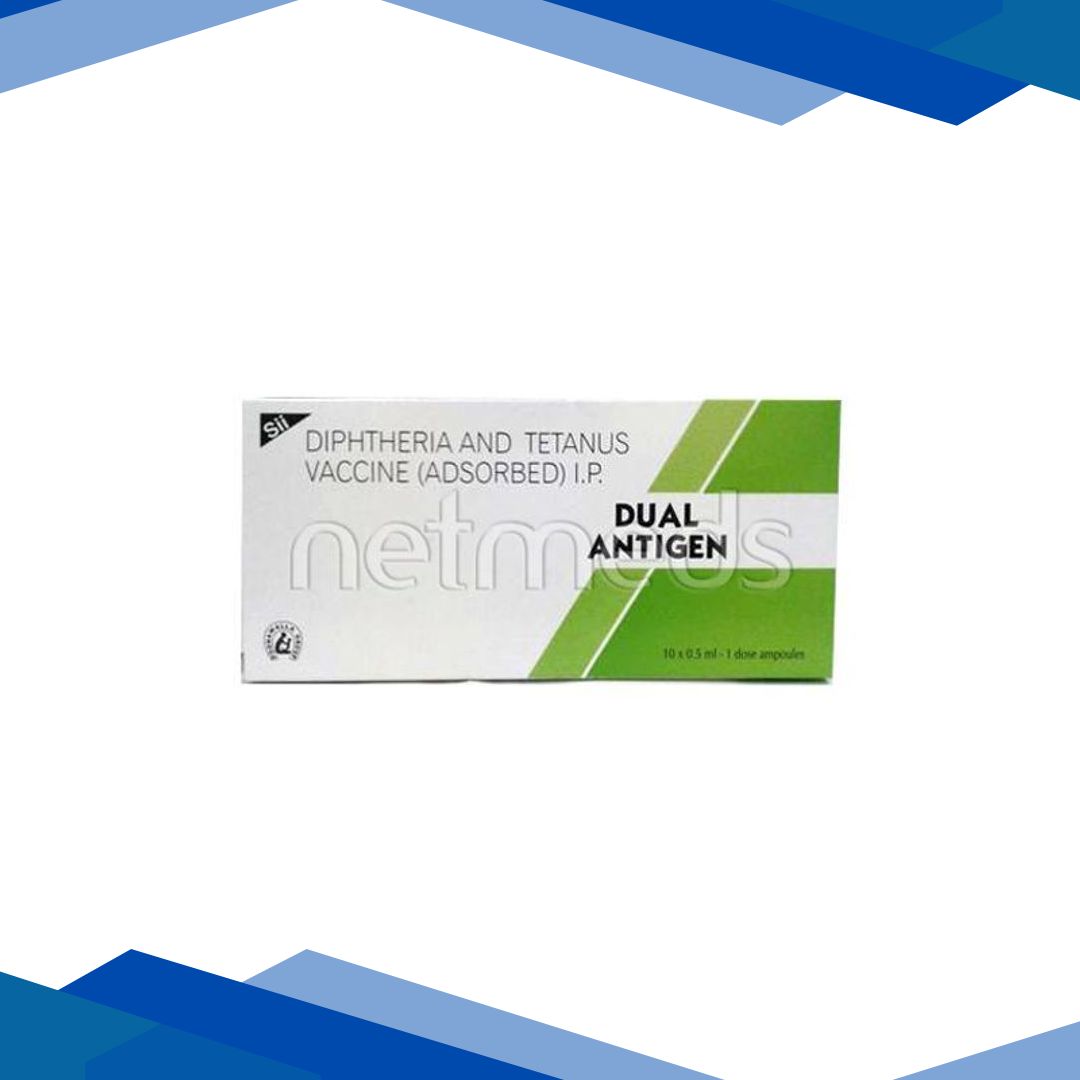
Dual Antigen Injection 0.5ml
❌ Due to high demand, this product is currently out of stock. New stock will be available shortly.
👉 Click here to Buy Same Salt medicine
Dual Antigen Injection is a vaccine used to help protect against diphtheria and tetanus, two serious bacterial infections. It works by training the immune system to recognize and fight the toxins made by these bacteria, so the body can respond quickly if exposed in the future. This vaccine does not treat an active infection, but it helps prevent disease and reduce the risk of severe complications. It is commonly used for routine immunization and may also be given as a booster to maintain protection over time. Diphtheria can affect the throat and breathing, while tetanus can cause painful muscle stiffness and spasms. This medicine is generally used under medical guidance as part of recommended vaccination schedules.
Description
Dual Antigen Injection is a preventive vaccine used to protect against two serious bacterial diseases: diphtheria and tetanus. it contains purified, inactivated toxoids, which means the toxins produced by the bacteria have been modified so they cannot cause the actual diseases, but they can still teach the immune system how to recognize and fight them. this vaccine is commonly used as part of routine immunization schedules, booster programs, and catch-up vaccination plans to maintain long-term protection.
diphtheria is a contagious infection that can cause severe throat swelling, breathing difficulty, heart problems, nerve damage, and, in some cases, death. tetanus, also known as lockjaw, is a dangerous condition caused by a toxin produced by bacteria found in soil, dust, and animal waste. it can lead to painful muscle stiffness, jaw cramping, spasms, and life-threatening breathing problems. because tetanus does not spread from person to person and natural infection does not always provide reliable immunity, vaccination is the most effective way to prevent it.
this vaccine works by stimulating the immune system to make protective antibodies without causing disease. after vaccination, the body develops immune memory, so if the person is later exposed to diphtheria or tetanus toxins, the immune system can respond quickly and neutralize them before illness develops. protection is not usually permanent, which is why booster doses are often needed over time according to age and immunization guidelines.
Dual Antigen Injection is generally used in children, adolescents, and adults depending on their vaccination history and local recommendations. it may be given as a routine childhood vaccine, as a booster dose in older children and adults, or after certain wounds or injuries when tetanus protection may be inadequate. it is an important public health vaccine because it helps prevent diseases that can become severe very quickly and may require emergency treatment.
ingredients
- diphtheria toxoid: this is the inactivated form of the diphtheria toxin. its role is to safely train the immune system to recognize diphtheria toxin and build antibodies against it. it helps prevent diphtheria infection and the serious complications caused by the toxin, including airway blockage and heart or nerve damage.
- tetanus toxoid: this is the inactivated form of tetanus toxin. it stimulates the body to produce protective antibodies against tetanus toxin, helping prevent muscle stiffness, spasms, lockjaw, and potentially fatal respiratory complications. it is especially important because tetanus spores are commonly found in the environment.
- adjuvants and stabilizing components: depending on the formulation, the vaccine may contain small amounts of substances that help improve immune response or preserve product stability. these ingredients do not prevent disease directly but support the vaccine’s effectiveness and shelf life.
- residual manufacturing components: like many vaccines, trace amounts of substances from the manufacturing process may remain in very small quantities. these are kept within strict safety limits and are evaluated to ensure product quality and safety.
key uses
- prevention of diphtheria: the vaccine helps protect against diphtheria, a serious bacterial illness that can affect the throat, nose, skin, and sometimes the heart and nervous system. vaccination greatly reduces the risk of severe disease and complications.
- prevention of tetanus: it protects against tetanus, a toxin-mediated condition that enters the body through cuts, puncture wounds, burns, or injuries contaminated with soil or debris. this is especially important because tetanus can occur even from minor wounds.
- routine immunization: the vaccine is used in standard vaccination schedules to help build initial protection during childhood and maintain protection through later boosters. it is a core part of long-term disease prevention.
- booster immunization: because immunity can decrease over time, booster doses are used to refresh the immune response and keep protection strong into adolescence and adulthood.
- wound-related tetanus prevention: it may be recommended after certain injuries when a person’s tetanus vaccination history is incomplete, uncertain, or outdated. this helps prevent tetanus after exposure-prone wounds.
how to use
Dual Antigen Injection is given by a healthcare professional, usually as an injection. it should not be self-administered unless specifically instructed in a rare and appropriate setting. the vaccine is typically injected into a muscle, and the exact schedule depends on age, prior vaccination history, and local immunization guidelines. some people may need a booster dose at regular intervals to keep protection active.
the vaccine is often used as part of a planned immunization program, so it is important to follow the timing recommended by a doctor or immunization clinic. if a dose is given for wound protection, the timing may depend on the type of injury and how long it has been since the last vaccine dose. for best results, keep records of vaccination dates and inform the healthcare provider about any previous reactions to vaccines.
before injection, the healthcare professional may ask about fever, current illness, allergies, past vaccine reactions, immune system problems, or a history of neurological conditions. mild illness does not always prevent vaccination, but moderate or severe illness may lead to postponement. after the shot, observation for a short period may be advised in case of an allergic reaction.
safety information
- warnings: this vaccine should not be given to someone who has had a severe allergic reaction to a previous dose or to any component of the vaccine. seek urgent medical help if signs of anaphylaxis occur, such as swelling of the face, trouble breathing, wheezing, severe rash, dizziness, or fainting. people with a history of serious neurologic reactions after a previous tetanus- or diphtheria-containing vaccine should be carefully evaluated before receiving another dose. vaccination may need to be postponed in people with moderate or severe acute illness, especially if they have a high fever.
- side effects: common side effects may include pain, redness, swelling, or tenderness at the injection site, mild fever, tiredness, headache, body aches, or irritability. these reactions are usually temporary and improve on their own. less common but more serious effects can include severe allergic reactions, high fever, extensive swelling of the arm or leg, unusual weakness, persistent crying in young children, or neurological symptoms. if severe or unusual symptoms occur, medical attention should be sought promptly.
- precautions: extra caution is needed in people with a history of severe allergy, guillain-barré syndrome after a prior vaccine, immune system disorders, bleeding problems, or those taking blood-thinning medicines. people with a prior severe local reaction to a tetanus-containing vaccine may still need careful risk-benefit assessment. those with uncertain vaccine history may require a tailored plan from a healthcare professional.
- pregnancy/breastfeeding: diphtheria and tetanus toxoid vaccines are often considered important in pregnancy when recommended by public health guidelines or a clinician, because they help protect both the mother and the newborn in certain situations. breastfeeding is generally not considered a reason to avoid vaccination. however, the timing and need for the vaccine should always be confirmed with a healthcare professional, especially during pregnancy.
- interactions: the vaccine may be given with other vaccines, but the timing and injection site may be adjusted by a healthcare provider. immune-suppressing medicines, chemotherapy, or conditions that weaken the immune system may reduce the body’s response to vaccination. alcohol does not directly interact with the vaccine itself, but excessive alcohol use around the time of vaccination may worsen dehydration, fainting risk, or make side effects harder to manage. always tell the healthcare provider about all medicines, supplements, and recent vaccinations.
additional information
- storage: follow the storage instructions on the product label and as directed by the healthcare provider or pharmacy. vaccines are usually stored in a refrigerator at the recommended temperature and should not be frozen unless the product labeling specifically allows it. freezing can damage vaccine potency. keep it protected from light if required and do not use it after the expiration date.
- missed dose: if a scheduled dose is missed, it should be rescheduled as soon as possible. in most cases, the vaccination series does not need to be restarted from the beginning, but the exact plan depends on age, prior doses, and how much time has passed. a healthcare professional can advise on the correct catch-up schedule.
- overdose: an overdose is uncommon because the vaccine is administered by healthcare professionals. if too much is given or doses are given too close together, the main concern is an increased chance of local reactions or fever rather than poisoning. if an administration error is suspected, medical advice should be obtained immediately and the incident reported to the appropriate healthcare provider or clinic.
- habit forming: no. this vaccine is not habit forming and does not cause dependence. it is used for disease prevention, not for symptom relief or long-term continuous use.
frequently asked questions
Q: what is Dual Antigen Injection used for?
A: it is used to help prevent diphtheria and tetanus, two serious bacterial diseases that can cause severe complications. it is commonly given as part of routine vaccination schedules and as booster protection over time.
Q: how does this vaccine work in the body?
A: the vaccine contains inactivated toxoids that safely stimulate the immune system to produce antibodies. these antibodies help the body recognize and neutralize diphtheria and tetanus toxins if exposure happens in the future.
Q: is this the same as an antibiotic?
A: no. this is a vaccine, not an antibiotic. antibiotics treat certain bacterial infections, while this vaccine helps prevent disease by training the immune system before exposure.
Q: can i get this vaccine if i have a mild cold?
A: a mild cold or minor illness may not always prevent vaccination, but the decision depends on your symptoms and overall condition. a healthcare professional should assess whether the vaccine should be given now or delayed.
Q: does this vaccine provide lifelong protection?
A: protection can decrease over time, so booster doses are often needed. lifelong protection is not guaranteed from one dose or even from the full initial series without boosters.
Q: what are the most common side effects?
A: the most common side effects are mild pain, redness, or swelling at the injection site, along with temporary fever, tiredness, headache, or body aches. these usually resolve on their own.
Q: can serious allergic reactions happen?
A: yes, but they are rare. signs include trouble breathing, swelling, severe rash, or fainting. emergency medical care is needed immediately if these symptoms occur after vaccination.
Q: is it safe during pregnancy?
A: it is often considered appropriate in pregnancy when recommended by a healthcare professional or vaccination guideline, because it can help protect both mother and baby in certain situations. individual assessment is important.
Q: can this vaccine be given with other vaccines?
A: yes, it is often given alongside other vaccines according to immunization schedules. a healthcare provider decides the best timing and injection sites to maintain safety and effectiveness.
Q: what should i do if i miss a scheduled dose?
A: contact a healthcare professional or clinic as soon as possible. in many cases, the vaccination series can simply continue rather than starting over, but the plan depends on your age and prior doses.
Q: who should avoid this vaccine?
A: people who had a severe allergic reaction to a previous dose or to a vaccine component should generally avoid it unless a specialist advises otherwise. anyone with a history of serious vaccine-related neurologic reactions should be evaluated carefully.
Q: can it cause tetanus or diphtheria infection?
A: no. the vaccine contains inactivated toxoids, not live bacteria, so it cannot cause tetanus or diphtheria infection. it is designed only to stimulate protective immunity.
this information is for educational purposes only and should not be considered medical advice. always consult a qualified healthcare professional before use.
At Gem Pharmacy, we make every effort to provide accurate, expert-written, and thoroughly reviewed information related to medicines. However, this information should not be considered a substitute for professional medical advice, diagnosis, or treatment from a qualified doctor.
The purpose of this information is to educate users and improve communication between patients and healthcare professionals. It should not be used to diagnose or treat any condition.
Always consult a certified healthcare professional before taking any medication.


Related products