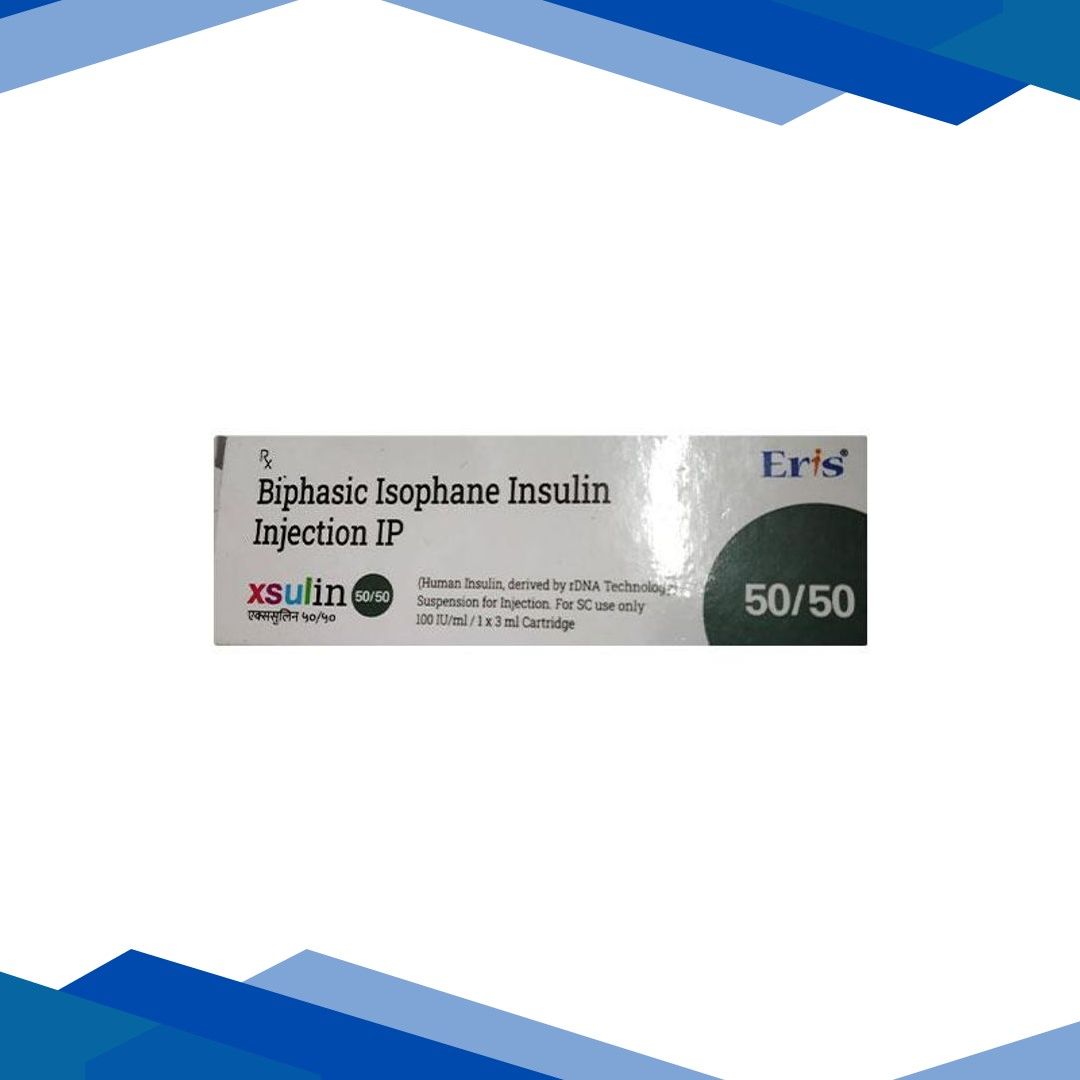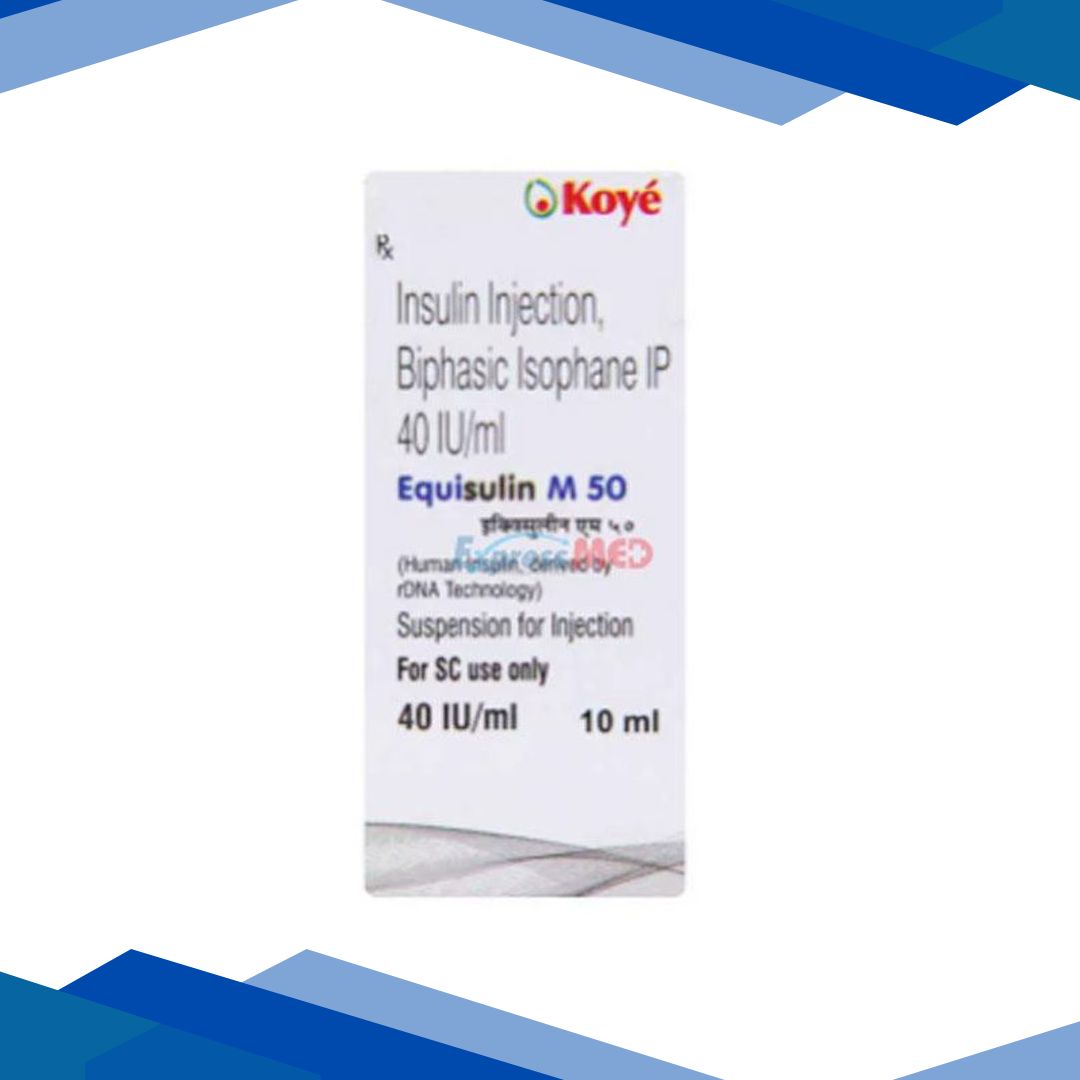
Equisulin M 50/40IU Injection 10ml
❌ Due to high demand, this product is currently out of stock. New stock will be available shortly.
👉 Click here to Buy Same Salt medicine
Equisulin M 50/40IU Injection is a mixed insulin medicine used to help control blood sugar in people with diabetes. It combines two forms of insulin: one that starts working soon after use to lower sugar after meals, and another that works more slowly to provide longer-lasting control throughout the day. By replacing the insulin the body does not make enough of, it helps move glucose from the blood into the body’s cells for energy and supports steadier blood sugar levels. This medicine is mainly used in the management of diabetes mellitus, especially when both quick and sustained blood sugar control are needed. It should be used under medical supervision as part of an overall diabetes care plan, along with healthy eating, regular activity, and blood sugar monitoring.
Description
Equisulin M 50/40IU Injection is a combination insulin medicine used to help people with diabetes control blood sugar levels when the body cannot produce enough insulin or cannot use it properly. it contains two insulin components designed to provide both an early and a longer-lasting effect after injection. this makes it useful for people who need help managing blood glucose throughout the day and between meals. because diabetes is a chronic condition that can lead to serious complications if not well controlled, insulin therapy plays a central role in lowering the risk of high blood sugar-related damage to the eyes, kidneys, nerves, heart, and blood vessels.
this medicine works by replacing or supplementing the natural insulin that the pancreas normally releases. insulin helps glucose move from the bloodstream into the body’s cells, where it is used for energy. it also reduces the liver’s production of glucose and helps prevent excessive sugar build-up in the blood. since Equisulin M 50/40IU Injection contains a mixture of insulin with different action profiles, it may help provide both mealtime and background glucose control in one formulation. the exact balance of effects can vary depending on the individual, injection timing, meal patterns, and lifestyle factors.
this medicine is generally used in people with diabetes who require insulin therapy, especially when oral medicines alone are not enough to maintain good glucose control. it may be used in adults, and sometimes in children or adolescents depending on a clinician’s advice and local prescribing guidance. it is not a cure for diabetes, but it can be a highly effective treatment when used correctly along with diet planning, exercise, regular blood glucose monitoring, and medical follow-up. because insulin can cause low blood sugar if used incorrectly, careful instruction and ongoing monitoring are essential.
the term “biphasic” means the product contains two forms of insulin activity in one injection. “isophane” insulin is a suspension that acts more slowly and lasts longer, helping to cover background insulin needs. “insulin human” in this combination contributes the shorter-acting component, which begins working sooner after injection. together, these components aim to provide a practical option for people who need more than one type of insulin effect but prefer fewer injections than separate preparations. however, the exact pattern of action is influenced by the dose, injection technique, site of injection, and individual response.
ingredients
- Equisulin M 50/40IU Injection: this is the active medicinal ingredient combination. it provides two insulin actions in one product: a faster-acting part that helps lower blood sugar around the time of injection and meals, and a longer-acting part that helps maintain blood sugar control later. together, these components support both short-term and extended glucose management.
- inactive ingredients / excipients: the exact non-medicinal ingredients may vary by manufacturer and formulation. these may include agents used to keep the insulin stable, maintain the suspension, adjust acidity, and preserve sterility. some products may contain preservatives or other formulation substances that help maintain product quality and safety. patients with known allergies or sensitivities should review the package insert or ask a pharmacist.
key uses
- blood sugar control in diabetes: this medicine is used to help lower elevated blood glucose in people with diabetes when insulin is needed to achieve better control.
- basal and prandial glucose management: the combination can help address both background insulin needs and the rise in glucose after meals, depending on the timing and regimen recommended by a clinician.
- alternative when separate insulins are not preferred: it may be selected for patients who need a mixed insulin profile but want a simpler regimen than using multiple individual insulin products.
- support in long-term diabetes management: used as part of a broader treatment plan, it can help reduce the risk of complications associated with chronically high blood sugar.
how to use
Equisulin M 50/40IU Injection is given by injection, usually under the skin, according to the schedule provided by a healthcare professional. the timing of the injection in relation to meals is important because one part of the medicine works relatively faster and can affect blood sugar around mealtime. it is commonly used before meals or as directed based on the patient’s glucose pattern, dietary routine, and treatment goals. exact timing should always follow the prescribing clinician’s instructions, because taking insulin too early, too late, or without food may increase the risk of hypoglycemia.
before each use, the suspension should be prepared exactly as instructed so the insulin is evenly mixed. patients should inspect the liquid and follow product-specific guidance for resuspension, since uneven mixing can lead to inaccurate dosing. the injection site is usually rotated within recommended areas to reduce the risk of skin problems such as lipodystrophy or lumps under the skin. common injection areas include the abdomen, thigh, or upper arm, but the best site and technique should be confirmed by a healthcare provider or diabetes educator.
this medicine should not be shared with anyone else, even if the needle is changed, because sharing pens or devices can spread infections. blood glucose should be monitored regularly, especially when starting therapy, changing diet, increasing physical activity, being ill, or adjusting the regimen. people using insulin should be taught how to recognize and respond to low blood sugar. they should also carry a quick source of glucose as advised by their healthcare team. if the user is unsure about injection technique, storage, or switching between insulin products, they should seek professional guidance before use.
safety information
- warnings: the most important safety risk is hypoglycemia, which can happen if the dose is too high, meals are delayed or skipped, physical activity increases unexpectedly, or alcohol is consumed. symptoms may include sweating, shakiness, hunger, dizziness, headache, palpitations, confusion, blurred vision, or irritability. severe hypoglycemia can cause seizures, loss of consciousness, or be life-threatening. hyperglycemia can occur if insulin is missed, used incorrectly, or during illness. correct injection technique, regular glucose checks, and meal consistency are critical.
- side effects: common side effects include low blood sugar, mild injection-site redness, swelling, itching, or discomfort, and temporary weight gain. some people may notice skin thickening or indentations at the injection site if sites are not rotated. serious side effects can include severe hypoglycemia, allergic reactions, widespread rash, swelling of the face or throat, difficulty breathing, severe low potassium levels, and marked changes in blood glucose requiring urgent care.
- precautions: use caution in people with kidney disease, liver disease, frequent hypoglycemia, or poor awareness of low blood sugar symptoms. extra monitoring may be needed during illness, stress, changes in diet, or increased exercise. patients with vision impairment or dexterity problems may need assistance with injection devices. any change from one insulin product to another should be supervised because different formulations are not always directly interchangeable.
- pregnancy/breastfeeding: insulin is commonly used during pregnancy when needed, because good glucose control is important for maternal and fetal health. however, insulin needs may change during pregnancy and after delivery, so close medical supervision is essential. during breastfeeding, insulin is generally considered compatible, but glucose levels should still be monitored carefully because nutritional demands and insulin requirements may shift.
- interactions: several medicines can increase or decrease the effect of insulin. examples include certain diabetes medicines, corticosteroids, beta-blockers, thyroid medicines, diuretics, and some antidepressants or antipsychotics. alcohol can increase the risk of hypoglycemia, especially if taken without food. beta-blockers may also mask some warning signs of low blood sugar, such as tremor and palpitations. always inform the healthcare professional about all prescription drugs, over-the-counter medicines, vitamins, and herbal products.
additional information
- storage: store according to the product label and manufacturer instructions, usually in the refrigerator before first use, without freezing. do not use if frozen. once in use, some insulin products may be kept at room temperature for a limited period, but the exact timeframe depends on the specific product. keep away from direct heat and light. do not use the medicine if it looks unusual, contains clumps that do not resuspend properly, or has changed appearance beyond normal suspension characteristics.
- missed dose: if a dose is missed, follow the instructions from the prescribing clinician or diabetes care team. in general, do not double the next dose to make up for a missed one unless specifically advised. blood glucose should be checked more closely, and medical guidance should be sought if there is uncertainty about whether to take the missed dose, especially if it is close to the next scheduled injection.
- overdose: too much insulin can cause severe hypoglycemia, which is a medical emergency. symptoms may include confusion, extreme weakness, sweating, fast heartbeat, fainting, or seizures. if the person is awake and able to swallow, a fast source of glucose should be given promptly as instructed by a healthcare professional. if the person is unconscious, having a seizure, or cannot safely swallow, emergency medical help should be called immediately.
- habit forming: no. this medicine is not habit forming or addictive. however, it is a necessary long-term treatment for many people with diabetes, and stopping it suddenly without medical advice can lead to dangerously high blood sugar.
frequently asked questions
Q: what is Equisulin M 50/40IU Injection used for?
A: it is used to help control blood sugar in people with diabetes who need insulin therapy. it provides a combination of faster and longer-lasting insulin effects to support overall glucose management.
Q: how does Equisulin M 50/40IU Injection work?
A: it replaces or supplements natural insulin. one component works sooner to help manage blood sugar around meals, while the other acts more slowly to provide longer background control.
Q: should i take this medicine with food?
A: the timing is important because part of the insulin acts relatively quickly. many patients need to coordinate injections with meals as directed by their healthcare professional to lower the risk of hypoglycemia.
Q: what are the most common side effects?
A: the most common side effect is low blood sugar. mild injection-site redness, swelling, or discomfort can also occur, and some people may experience weight gain over time.
Q: can this medicine cause low blood sugar at night?
A: yes, insulin can sometimes cause hypoglycemia during the night, especially if the dose is too high, dinner is missed, alcohol is consumed, or physical activity was increased earlier in the day.
Q: how do i know if i have low blood sugar?
A: common signs include shakiness, sweating, hunger, dizziness, fast heartbeat, headache, blurred vision, or confusion. severe episodes can cause fainting or seizures and require urgent treatment.
Q: can i switch between insulin products on my own?
A: no. switching insulin types or brands should only be done under medical supervision because different insulins may have different onset, duration, and dosing requirements.
Q: what should i do if i miss a dose?
A: check your blood sugar and follow the advice given by your healthcare provider. do not automatically double the next dose unless specifically instructed to do so.
Q: is this medicine safe during pregnancy?
A: insulin is often used during pregnancy when needed, but the dose and monitoring plan may need adjustment. pregnant patients should be managed closely by their healthcare team.
Q: can i drink alcohol while using this insulin?
A: alcohol can increase the risk of low blood sugar, especially if consumed without food. it is best to discuss alcohol use with a healthcare professional and use caution.
Q: where should i inject this medicine?
A: it is usually injected under the skin in areas such as the abdomen, thigh, or upper arm, following the technique and rotation plan recommended by a healthcare professional.
Q: why is site rotation important?
A: rotating injection sites helps reduce skin thickening, lumps, and absorption problems. repeated injections in the same spot can lead to uneven insulin action.
Q: what should i do if i suspect an overdose?
A: treat it as an emergency because too much insulin can cause severe low blood sugar. give glucose if the person is awake and able to swallow, and seek urgent medical help immediately.
Q: does this medicine cure diabetes?
A: no. it helps manage blood sugar levels, but it does not cure diabetes. ongoing treatment, lifestyle measures, and regular monitoring are still needed.
Q: can children use this medicine?
A: it may be used in children or adolescents in some cases, but only under specialist guidance. the dose, monitoring, and treatment plan must be individualized by a healthcare professional.
this information is for educational purposes only and should not be considered medical advice. always consult a qualified healthcare professional before use.
At Gem Pharmacy, we make every effort to provide accurate, expert-written, and thoroughly reviewed information related to medicines. However, this information should not be considered a substitute for professional medical advice, diagnosis, or treatment from a qualified doctor.
The purpose of this information is to educate users and improve communication between patients and healthcare professionals. It should not be used to diagnose or treat any condition.
Always consult a certified healthcare professional before taking any medication.


Related products

XSULIN 30/70 ERIS 1 Disposable Pen 1’s