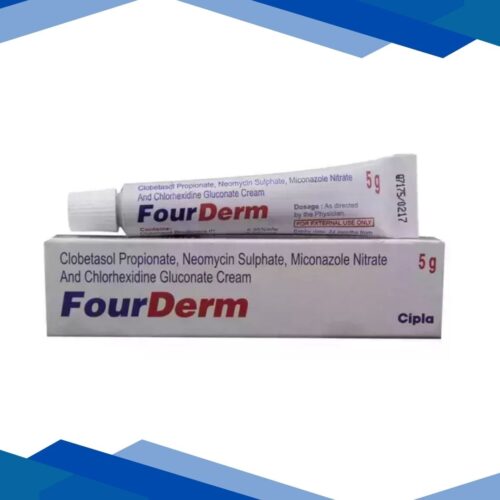
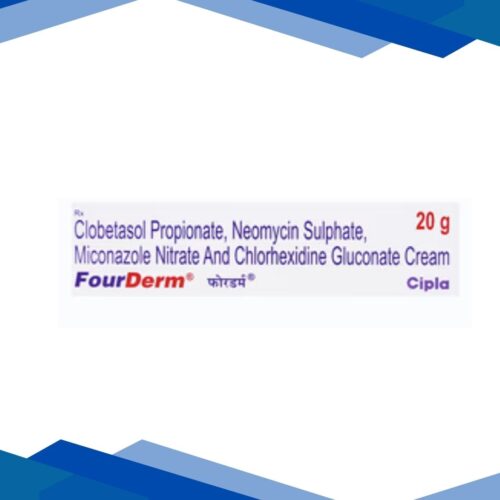
Chlorhexidine Gluconate
Chlorhexidine Gluconate: A Comprehensive Antiseptic Manual
Chlorhexidine Gluconate is a power player in hygiene and medical care; it has a broad-spectrum effectiveness and being an incredibly strong antiseptic and disinfectant ki t. This antiseptic and disinfectant is now played out in household first aid kits, surgery suites, anywhere a sore needs a protective shield against a multitude of bacteria, yeasts, and viruses.
How it works?
Chlorhexidine Gluconate does not, unlike conventional cleansers, go about killing all germs upon contact widely, though; it gets attached to the skin’s or oral mucosa’s proteins, even continuing to kill for several hours, thus protecting the area with a wide shield. It gets attached to the skin’s or oral mucosa’s proteins so that therein it treats them with a protective shield against many potential infection agents, including bacteria and yeast.
Oral Usage
In most instances, it is prescribed as a mouthwash in treating gingivitis and gum inflammation.
Cutaneous Disinfection
Used for cleaning lesions, burns, or as surgical scrub for skin preparation pre-operatively.
General Beauty
Found in Eurasian hand impbecleaners and soaps, it helps attain and sustain sanitation.
Frequently Asked Questions (FAQs):
What is Chlorhexidine Gluconate used for?
It is also used as an antiseptic to prevent infection. Clinically, andhois rather helpful in treating gum disease (gingivitis), cleaning wounds, and sanitizing skin before giving medical injections or performing surgeries.
How will I use the mouthwash of Chlorhexidine?
Typically, you should take about 15 ml of the compound in your mouth with swishing it for at least 30 seconds. After brushing your teeth, spit it out.
Pro-tip: After the use of this mouthwash, do not wash your mouth with water, eat nor brush your teeth as it could reduce its efficacy.
Could it cause staining of the teeth?
Prolonged use of the water-based rinse (usually greater than 2 weeks) can cause temporary staining of teeth, tongue, or teeth fillings. Most of this staining can be taken off by a professional cleaning at the dentist.
Side effects?
With some having benign effects, this drug, however, in rare cases, may cause some mild, but severe, side effects. These are:
Reddening or irritation on the skin.
Aversion to taste (mouthwash).
Dry mouth.
When is a visit to the emergency room necessary due to an allergic response?
Can it be used for deep wounds?
However, chlorhexidine is great for topical wounds and skin preparation but must be used cautiously in delicate structures, and not penetrate deep into special locations of the body such as ear canal, eyes, brain or spinal cord as it can be damaging to these areas.*
Miconazole Nitrate
MICONAZOLE NITRATE
Overview
Miconazole nitrate is an antifungal medication. It belongs to a group of drugs called imidazoles, which are used to fight fungal infections.
Classification
Antifungal
Uses
Miconazole nitrate is commonly used to treat fungal skin infections, such as:
Athlete’s foot
Jock itch
Ringworm
Yeast infections (including vaginal and skin infections)
Fungal infections of the nails or skin folds
It may also be used to relieve itching, redness, scaling, and discomfort caused by these conditions.
How It Works
Miconazole works by stopping the growth of fungus. It damages the cell membranes of fungi, which helps kill the infection and prevent it from spreading. This allows the skin or affected area to heal gradually.
Dosage
As prescribed by your doctor.
Side effects
Most people tolerate miconazole well, but some may experience:
Mild skin irritation
Burning or stinging where the medicine is applied
Itching or redness
In rare cases, an allergic reaction (rash, swelling, or trouble breathing)
Precautions
Before using miconazole, you should:
Tell your doctor if you’re allergic to miconazole or other antifungals
Avoid contact with eyes or mouth unless the product is specifically meant for those areas
Inform your doctor if you’re pregnant or breastfeeding
Use only as directed—don’t overuse or apply to large areas unless advised
Disclaimer
This content is for informational purposes only. Always consult a healthcare provider for medical advice and proper dosage