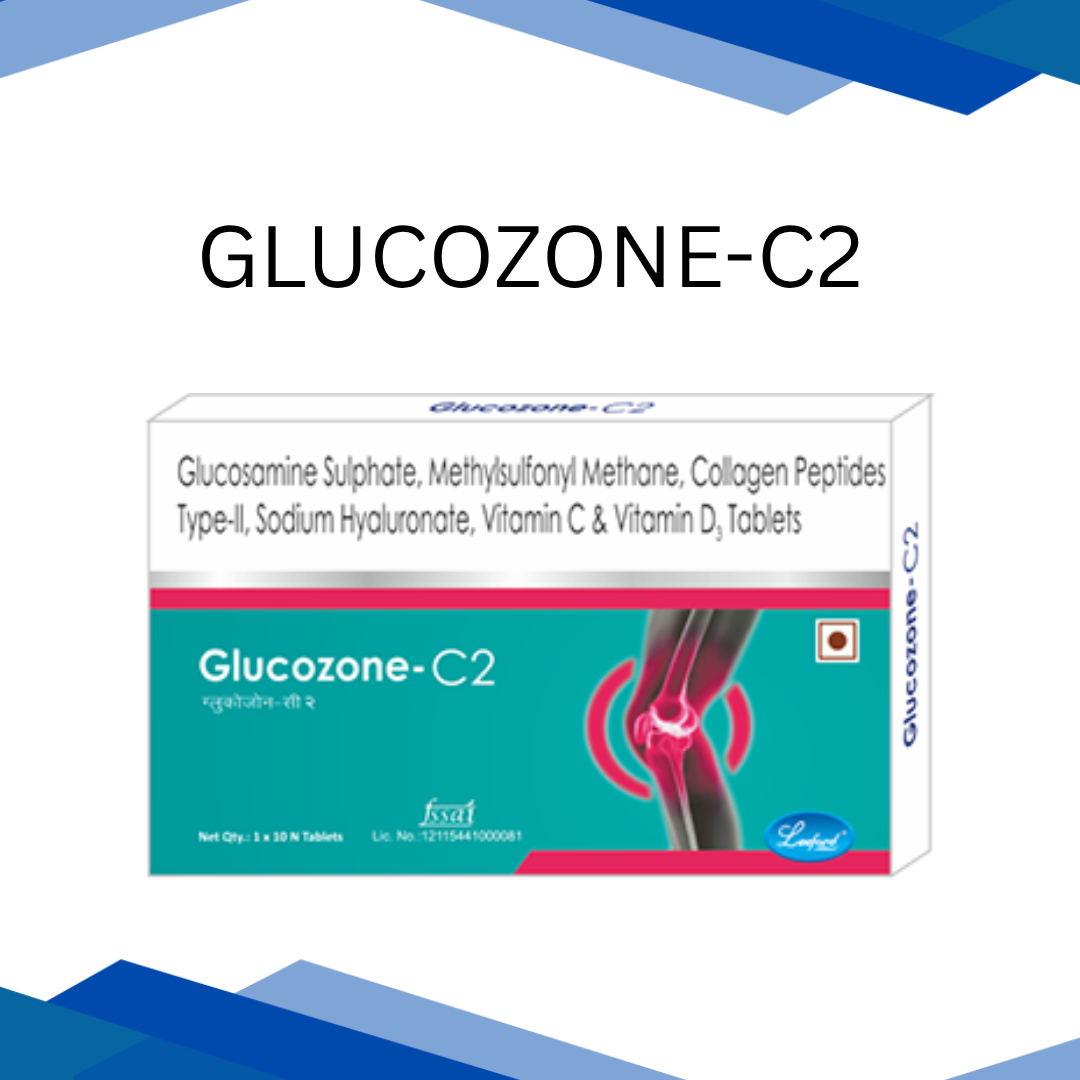
Collagen Peptides Type II
Collagen Peptides Type II: Joint Health, Benefits, and Disadvantages
A unique structural protein, Collagen Peptide Type II is the major component of your body’s cartilage. This type is concentrated in the connective tissues that cushion your joints, unlike Type I and III, which contain most of the collagen found in the skin and bone. Since the natural collagen in our joints starts to degenerate with age or heavy physical activity, supplementation with Type II collagen stimulates the development of new cartilage to lessen “bone-on-bone” friction and allow easier, pain-free movement.
How It Works
Type II collagen acts as the raw material for joint reconstruction. When used as undenatured (UC-II) or in peptide form, it also interacts with the immune system and can produce anti-inflammatory effects on the joints.
It supplies the specific amino acids required for cartilage maintenance, helping provide lubrication and shock absorption to the knees, hips, and spine.
Key Benefits & Uses
Osteoarthritis Support: Helps decrease joint soreness and pain caused by age-related wear and tear.
Cartilage Repair: Supports the formation of soft connective tissue, reducing bone-on-bone grinding.
Improved Mobility: Enhances joint flexibility, making everyday activities like walking or climbing stairs easier.
Supports Sport Recovery: Helps athletes recover from muscle strain, joint stress, or minor ligament injuries.
Anti-Inflammatory Effect: May reduce joint swelling and redness.
Safety Advice & Precautions
Category
Guidance
Alcohol: No known direct interaction, but limiting alcohol is recommended since it can increase inflammation in the body.
Pregnancy: Consult a doctor before use, as clinical safety data during pregnancy or breastfeeding is limited.
Allergies: Most Type II collagen supplements are derived from chicken or poultry sources. Avoid if you have an egg or poultry allergy.
Kidney Health: People with chronic kidney disease should consult a specialist before taking high-protein supplements.
Possible Side Effects
Collagen peptide supplements are generally safe and well-tolerated, but some individuals may experience mild issues:
Digestive: Bloating, a feeling of fullness, or heartburn.
Taste: Some powder forms may leave a lingering aftertaste.
Rare: Mild diarrhea or constipation, especially when first starting the supplement.
Pro Tip: If stomach discomfort occurs, try taking the supplement with or after a meal instead of on an empty stomach.
Frequently Asked Questions (FAQs)
1. Is Type II Collagen different from collagen for the skin?
Yes. Type I and III collagen are mainly used for skin elasticity and hair health, while Type II collagen specifically supports joint cartilage. If your goal is to manage knee pain or joint stiffness, Type II is the preferred option.
2. How long does it take to see results?
Joint repair is gradual. Most clinical studies suggest consistent daily use for 8–12 weeks before noticeable improvements in mobility and pain reduction appear.
3. Can vegans take this supplement?
No. Natural Type II collagen comes from animal sources, usually chicken sternum cartilage. Vegan supplements may contain “collagen-boosting nutrients” like Vitamin C and Zinc, but they do not contain true collagen.
4. Can I take it with arthritis medication?
Collagen is generally considered a nutritional supplement and usually does not interfere with most medications. However, if you take immunosuppressants or blood thinners, consult your doctor first.
5. When is the best time to take it?
It can be taken at any time of the day. Many people prefer early morning or before bedtime. The most important factor is taking it consistently every day.
Glucosamine
GLUCOSAMINE
Overview:
Glucosamine is a natural substance that helps keep joint cartilage healthy. People often take it as a supplement to reduce joint pain and stiffness, especially in osteoarthritis. It works by supporting the production and maintenance of cartilage, helping joints move more smoothly.
Classification: Nutraceutical
Uses:
Glucosamine is mainly used to support joint health and reduce discomfort in people with osteoarthritis. It helps the body maintain and repair cartilage, which cushions joints and allows smooth movement. Many people take it to reduce joint pain, stiffness, and improve mobility, especially in the knees, hips, or hands.
How it works:
Glucosamine functions by being a nutrient for the body to form and repair cartilage, the shock-absorbing cushion in joints. By fostering the development of cartilage, and the cartilage repair, it protects joints against wear and friction, decrease pain & stiffness. With time, this may help to enhance joint mobility and cause movements to become smoother, particularly in individuals with osteoarthritis.
Dosage: As prescribed by your doctor.
Side Effects:
- Stomach upset or nausea
- Diarrhea or constipation
- Heartburn
- Headache
- Drowsiness or mild fatigue
Precautions:
Precautions should be taken when using Glucosamine in the event that you have a shellfish allergy because there are several supplements that contain shellfish. Individuals with diabetes must pay close attention to the effect of Glucosamine, which generates a small impact on sugar levels. It is also to be used sparingly among people on blood thinners or on other drugs, as it may interfere with those. Always consult the recommended dose and communicate to your doctor in case of kidney, liver, and heart problems before taking the supplement.
Disclaimer:This content is for informational purposes only. Always consult a healthcare provider for medical advice and proper dosage.
Vitamin C
VITAMIN C
OVERVIEW
Vitamin C, also known as L-ascorbic acid, is a water-soluble vitamin. Unlike most mammals, humans do not have the ability to synthesize vitamin C and must obtain it from the diet.Low levels of vitamin C can result in a condition called scurvy. Scurvy may cause symptoms such as rash, muscle weakness, joint pain, tiredness, or tooth loss.
CLASSIFICATION
Antioxidant
USES
Vitamin C is needed for the growth and repair of tissues in all parts of your body. It is used to:
Form an important protein called collagen, used to make skin, tendons, ligaments, and blood vessels
Heal wounds and form scar tissue
Repair and maintain cartilage, bones, and teeth
Aid in the absorption of iron
Vitamin C is one of many antioxidants. Antioxidants are nutrients that block some of the damage caused by free radicals.
Free radicals are made when your body breaks down food or when you are exposed to tobacco smoke or radiation.
The buildup of free radicals over time is largely responsible for the aging process.
Free radicals may play a role in cancer, heart disease, and conditions like arthritis.
The body is not able to make vitamin C on its own. It does not store vitamin C. It is therefore important to include plenty of vitamin C-containing foods in your daily diet.
HOW IT WORKS
In humans, an exogenous source of ascorbic acid is required for collagen formation and tissue repair by acting as a cofactor in the posttranslational formation of 4-hydroxyproline in -Xaa-Pro-Gly- sequences in collagens and other proteins. Ascorbic acid is reversibly oxidized to dehydroascorbic acid in the body. These two forms of the vitamin are believed to be important in oxidation-reduction reactions. The vitamin is involved in tyrosine metabolism, conversion of folic acid to folinic acid, carbohydrate metabolism, synthesis of lipids and proteins, iron metabolism, resistance to infections, and cellular respiration.
DOSAGE
As directed by the physician
PRECAUTIONS
You should not use ascorbic acid if you are allergic to it.
Ask a doctor or pharmacist if Vitamin C is safe to use if you have or have ever had:
Diabetes;
Any type of cancer;
A planned surgery or any other medical procedure;
Taken any other medication or have any medical condition;
If you are on a low-salt or salt-free diet;
If you smoke or chew tobacco;
If you drink alcohol;
A genetic enzyme deficiency called glucose-6-phosphate dehydrogenase (G6PD) deficiency; or
Kidney disease or kidney stones.
Ask a doctor before using this medicine if you are pregnant or breastfeeding.
Do not give this medicine to a child without medical advice.
SIDE EFFECTS
Get emergency medical help if you have signs of an allergic reaction: hives, difficult breathing, swelling of your face, lips, tongue, or throat.
Vitamin C may cause serious side effects. Call your doctor at once if you have:
Kidney problems–swelling, blood in your urine, painful or difficult urination, pain in your side or lower back, feeling tired or short of breath.
Common side effects of Vitamin C may include:
Difficult or painful swallowing;
Headache, heartburn; or
Nausea, vomiting, diarrhea, stomach cramps.
DISCLAIMER
This content is for informational purposes only. Always consult a healthcare provider for medical advice and proper dosage
Vitamin D3
VITAMIN D3
Overview:
Vitamin D3 (Cholecalciferol) is made from plant-based lichen and facilitates intestinal calcium absorption supporting bone, teeth, muscle, and heart health.
Classification:
D3 is in a class of medications called vitamin D analogs
Uses:
Cholecalciferol (vitamin D3) is also used along with calcium to prevent and treat bone diseases such as rickets, osteomalacia and osteoporosis.Cholecalciferol is needed by the body for healthy bones, muscles, nerves, and to support the immune system. It works by helping the body to use more of the calcium found in foods or supplements.
How It Works:
It works by helping the body to use more of the calcium found in foods or supplements.
Dosage:
As prescribed by your doctor.
Side Effects:
loss of appetite
weight loss
nausea
vomiting
constipation
Precautions:
Tell your doctor if you are allergic to cholecalciferol, any other medications, or any of the ingredients in cholecalciferol products.
Tell your doctor and pharmacist what other prescription and nonprescription medications, vitamins, nutritional supplements, and herbal products you are taking or plan to take while taking cholecalciferol. Your doctor may need to change the doses of your medications or monitor you carefully for side effects.
Tell your doctor if you have or have ever had hyperparathyroidism (a condition in which the body produces too much parathyroid hormone, kidney disease, or have high blood levels of calcium.
Tell your doctor if you are pregnant, plan to become pregnant, or are breast-feeding. If you become pregnant while taking cholecalciferol (vitamin D3), call your doctor.
Disclaimer
This content is for informational purposes only. Always consult a healthcare provider for medical advice and proper dosage.