Citrus Bioflavonoids
Citrus Bioflavonoids: Nature’s Vascular & Immune Support
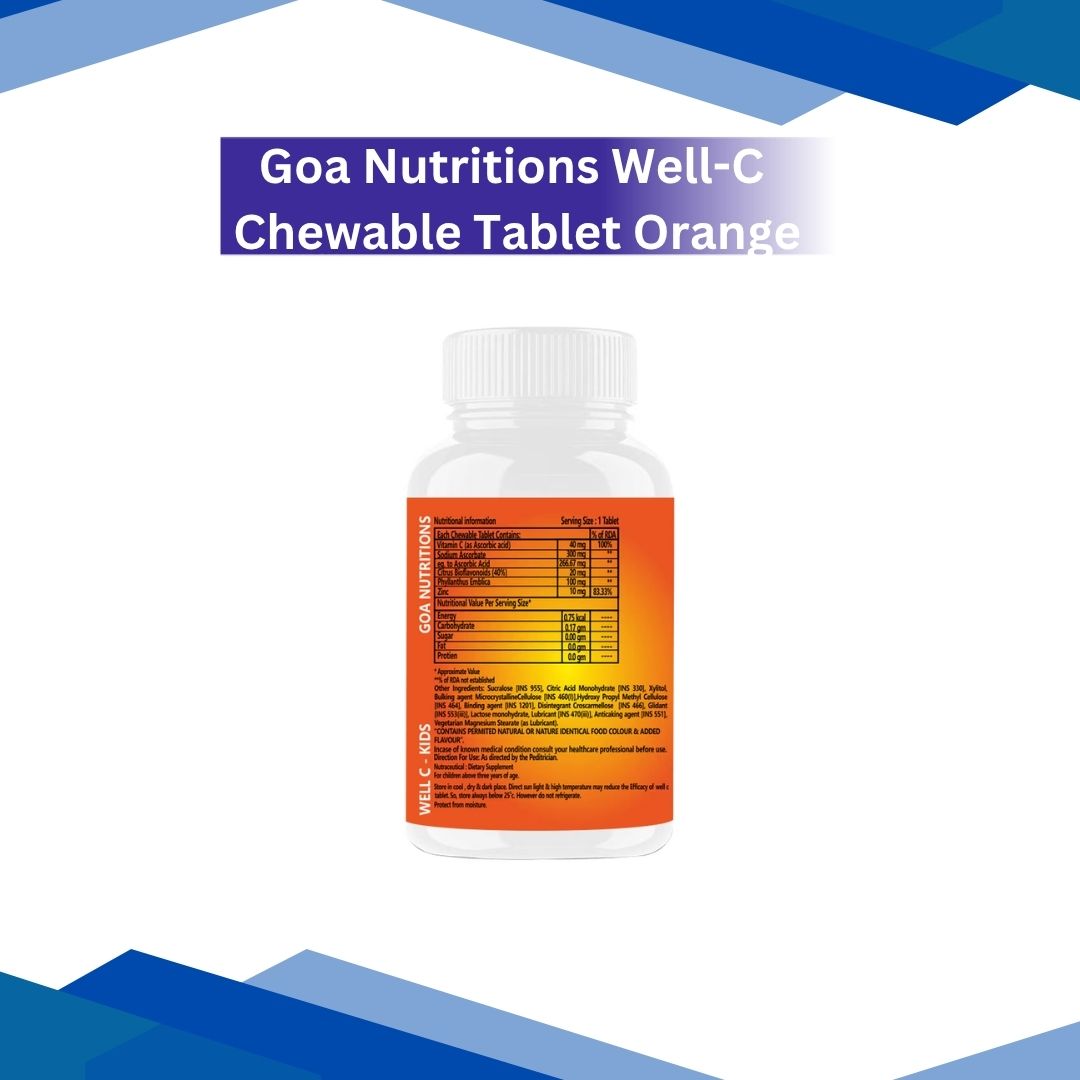
Citrus bioflavonoids are a group of plant-derived compounds primarily found in citrus fruit peel and pulp like oranges, lemons, and grapefruits. Often called “Vitamin P,” these phytonutrients provide potent antioxidants and increased Vitamin C absorption. In modern medicine, Citrus Bioflavonoids are utilized to strengthen blood vessels, improve microcirculation, and provide a robust defense against oxidative stress.
Used for Healing Vascular Health:
It helps strengthen the capillary wall, which is useful in conditions such as varicose veins and easy bruising. It is helpful in conditions like perfumed hemorrhoids as it improves circulation.
Synergist of the Immune system:
Taken with Vitamin C, bioflavonoids prevent the vitamin from oxidizing, thereby ensuring that your immune system targets maximum benefit.
Anti-inflammatory Action:
Helps decrease systemic inflammation leading to easing of joint pains and improvement of cardiovascular health.
Eye Health:
Supports the tiny blood vessels in the retina to possibly confer long-term maintenance of vision.
Key Facts
Feature
Details
Drug Class
Flavonoids / Antioxidants
Common Sources
Hesperidin, rutin, quercetin, eriocitrin
Primary Goal
Circulatory support & Antioxidant boost
Dosage Form
Tablets, Capsules, Liquid extracts
How to Incorporate Citrus Bioflavonoids:
Optimal Absorption
It is generally recommended to take these supplements with a meal. The presence of some dietary fat can help with the absorption of related fat-soluble nutrients. However, the making of Citrus Bioflavonoids as a separate “class” might be necessary because Bioflavonoids significantly inhibit the ascorbic acid-specific membrane protein.
Eliminate the Need for Continuous Antioxidant Support:
After all, a steady pool of naturally anti-oxidizing reserves is more likely to remain within the patient’s system.
Daily Wonder Pills:
Vitamin C and Bioflavonoids capsules.
Best Quality Facts
Drug Class – Flavonoids
Who knows the book, genus & common sources:
Some entities that fall under its umbrella are (Hesperidin, Rutin, Quercetin, Eriocitrin).
The goal of the class is – Total working/operations as anti-coagulant, blood vessels dredger, eliminating coagulant blood.
Primary Goal
Keeping them alive-well-these types of functions are tended to – anti-coagulatant-boost ascorbate-fine; and imaginatively maintained in only its life.
Functionaries
Independently, all of the things mentioned are primarily employed for circulatory support. None in production, such as Bioflavonoids, Rutin, Quercetin, and now Eriocitrin, is per se applied together to serve as an anti-coagulant of any major technological significance.
Adding to Antioxidants
These are generally not considered antioxidants when thought of in the classic way in terms of scavenger concepts of one-on-one electron transfers nor in the dedication application of a peroxide-clearing mechanism-kind-of way. No. They are like Vitamin 17. Nevertheless, in a natural system, the antioxidant recyclers, like ascorbate, regenerate their activity. And there is no reason to remove them because evolving microbial systems require them.
Nutrition
When the number falls between “high” and “unquestionable,” it’s good.
This is what’s great for consumption along those lines of body maintenance. Tablets, capsules and good liquid medical extracts.
Empirical Wisdom:
In various supplements that combine a citrus bioflavonoid with vitamin C at the exact same moment, bioflavonoids are best.
My ‘C’ Connection
Rigid Sequential Weight: A natural gestational period throughout a heavily controlled situation generally expected to elapse over 2–4 weeks for an acknowledgment of any noticeable change in the area.
Safety and Precautions
In general, Citrus Bioflavonoids are safe to use for almost all people, but to be sure of the original safety standards; one must follow certain precautions. It is important to consult a doctor under the following circumstances:
Side Effects:
As a dietary supplement and while taking these capsules, it is very common to experience mild digestive distress, such as having gas or feeling nauseous. In some circumstances, one or two might experience dizziness or a mild headache.
Testing; Blood Pressure Patients:
Certain bioflavonoids can interact with calcium-channel blockers.
Free bleeding tendencies:
What about when they induce a somewhat uneven change as a result of increasing vascular permeability? (a situation that is indeed likely in people taking some blood thinners like Warfarin or aspirin).
Surgery:
Discontinue the supplement for at least 14 days prior to surgery in order to prevent drug clashes with clotting.
FAQ – Frequent Queries
What is the difference between Vitamin C and Citrus Bioflavonoids?
Vitamin C, a water-soluble essential micronutrient (Ascorbic Acid), working along with bioflavonoids in the whole fruit, needlessly protects the Vitamin C and enhances its biological activity as compared to the unbound form as available in the body.
Will Citrus Bioflavonoids help with allergies?
Yes, bioflavonoids such as quercetin (found in orange juice complexes) have antiallergic properties. They stabilize mast cells, which can help control sneezing and watery eyes in seasonal allergies.
Vitamin C
VITAMIN C
OVERVIEW
Vitamin C, also known as L-ascorbic acid, is a water-soluble vitamin. Unlike most mammals, humans do not have the ability to synthesize vitamin C and must obtain it from the diet.Low levels of vitamin C can result in a condition called scurvy. Scurvy may cause symptoms such as rash, muscle weakness, joint pain, tiredness, or tooth loss.
CLASSIFICATION
Antioxidant
USES
Vitamin C is needed for the growth and repair of tissues in all parts of your body. It is used to:
Form an important protein called collagen, used to make skin, tendons, ligaments, and blood vessels
Heal wounds and form scar tissue
Repair and maintain cartilage, bones, and teeth
Aid in the absorption of iron
Vitamin C is one of many antioxidants. Antioxidants are nutrients that block some of the damage caused by free radicals.
Free radicals are made when your body breaks down food or when you are exposed to tobacco smoke or radiation.
The buildup of free radicals over time is largely responsible for the aging process.
Free radicals may play a role in cancer, heart disease, and conditions like arthritis.
The body is not able to make vitamin C on its own. It does not store vitamin C. It is therefore important to include plenty of vitamin C-containing foods in your daily diet.
HOW IT WORKS
In humans, an exogenous source of ascorbic acid is required for collagen formation and tissue repair by acting as a cofactor in the posttranslational formation of 4-hydroxyproline in -Xaa-Pro-Gly- sequences in collagens and other proteins. Ascorbic acid is reversibly oxidized to dehydroascorbic acid in the body. These two forms of the vitamin are believed to be important in oxidation-reduction reactions. The vitamin is involved in tyrosine metabolism, conversion of folic acid to folinic acid, carbohydrate metabolism, synthesis of lipids and proteins, iron metabolism, resistance to infections, and cellular respiration.
DOSAGE
As directed by the physician
PRECAUTIONS
You should not use ascorbic acid if you are allergic to it.
Ask a doctor or pharmacist if Vitamin C is safe to use if you have or have ever had:
Diabetes;
Any type of cancer;
A planned surgery or any other medical procedure;
Taken any other medication or have any medical condition;
If you are on a low-salt or salt-free diet;
If you smoke or chew tobacco;
If you drink alcohol;
A genetic enzyme deficiency called glucose-6-phosphate dehydrogenase (G6PD) deficiency; or
Kidney disease or kidney stones.
Ask a doctor before using this medicine if you are pregnant or breastfeeding.
Do not give this medicine to a child without medical advice.
SIDE EFFECTS
Get emergency medical help if you have signs of an allergic reaction: hives, difficult breathing, swelling of your face, lips, tongue, or throat.
Vitamin C may cause serious side effects. Call your doctor at once if you have:
Kidney problems–swelling, blood in your urine, painful or difficult urination, pain in your side or lower back, feeling tired or short of breath.
Common side effects of Vitamin C may include:
Difficult or painful swallowing;
Headache, heartburn; or
Nausea, vomiting, diarrhea, stomach cramps.
DISCLAIMER
This content is for informational purposes only. Always consult a healthcare provider for medical advice and proper dosage
ZINC
ZINC
Overview:
zinc is an essential nutrient found in a variety of plant and animal foods, along with supplements. It plays a key role in skin health, immune function, and cell growth and may protect against acne, inflammation, and other conditions.
Classification:
Antioxidant
Uses:
Supports the heart and nervous system
Has antioxidant effects
Supports the immune system
Helps in the formation of red blood cells
How It Works:
Cofactor Role:
Zinc acts as a cofactor for thousands of enzymes and proteins, which are essential for various metabolic processes.
Immune Function:
Zinc is crucial for the proper functioning of the immune system, including the production of immune cells like T cells, B cells, and natural killer cells.
Antiviral Effects:
Zinc may help reduce the severity of colds by inhibiting rhinovirus replication and suppressing nasal inflammation.
Wound Healing:
Zinc is involved in collagen synthesis and other processes that contribute to wound repair.
DNA Synthesis:
Zinc is essential for DNA replication and RNA transcription, which are fundamental processes for cell growth and function.
Dosage:
As prescribed by your doctor.
Side Effects:
Diarrhea.
Dizziness.
Headache.
Nausea.
Upset stomach.
Vomiting.
Precautions:
Read the label carefully before use
Store in a cool and dry place away from direct sunlight
Keep out of reach of children
Use under medical supervision
Do not exceed the recommended dosage
Pregnant or nursing mothers, children, and people with medical conditions must consult a healthcare professional before taking this supplement
Disclaimer
This content is for informational purposes only. Always consult a healthcare provider for medical advice and proper dosage.