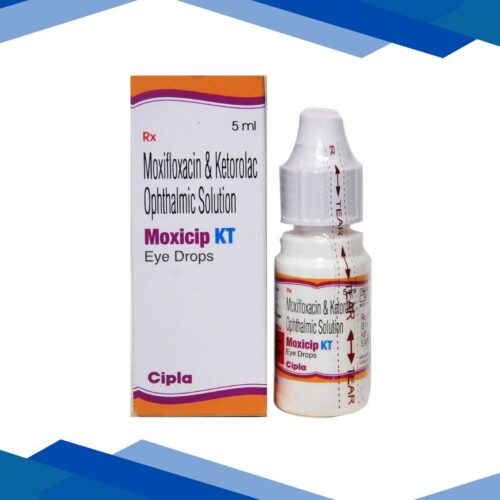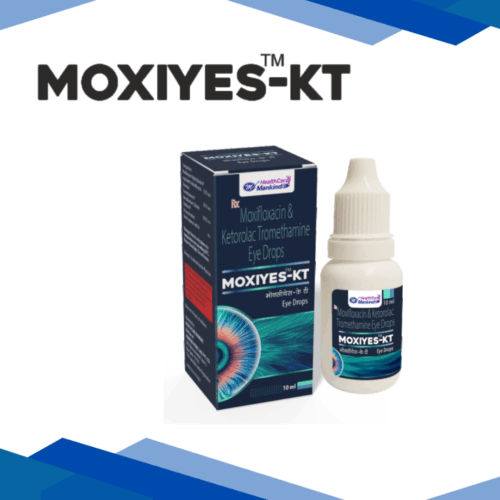




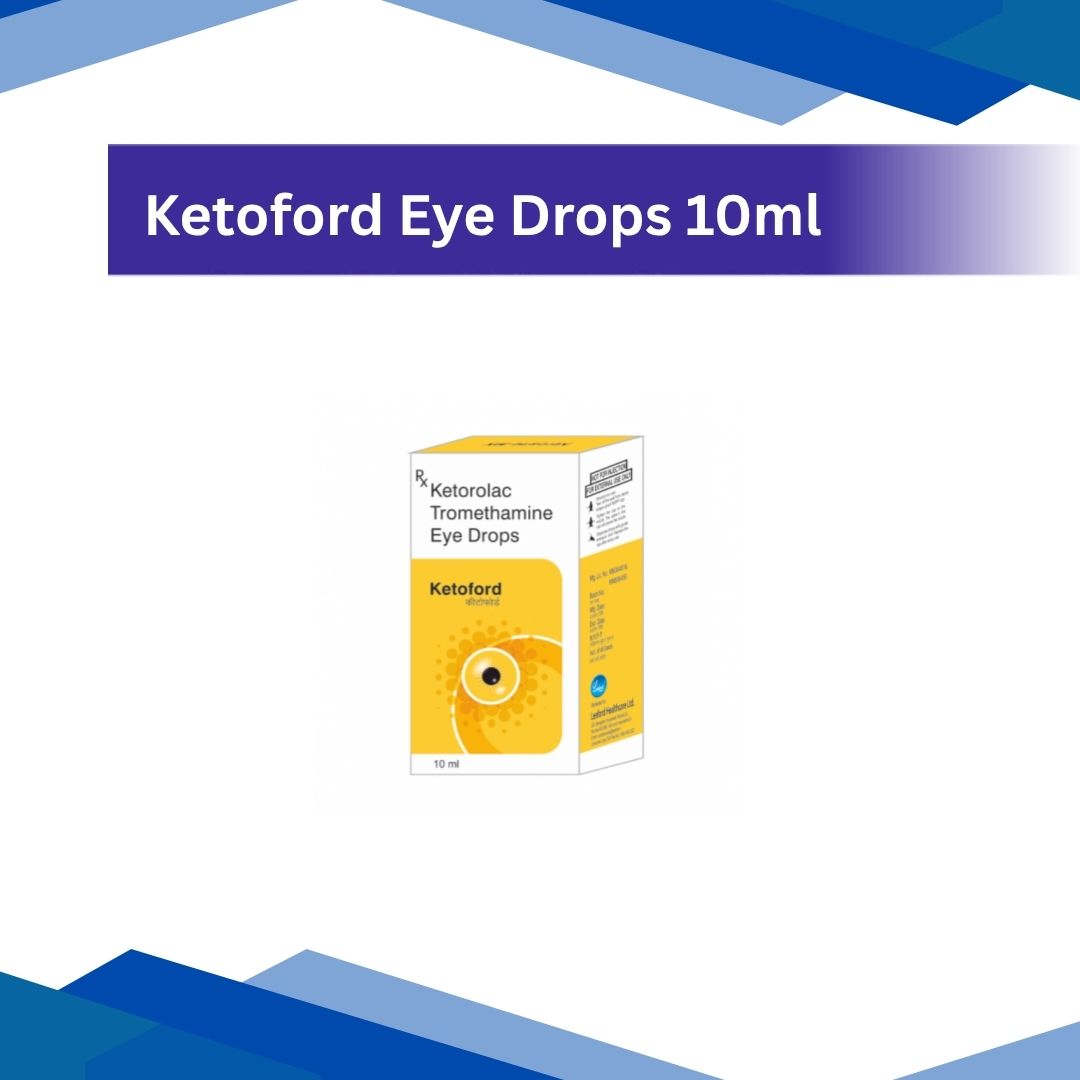
Ketoford Eye Drops 10 ml
No Prescription yet? Don’t worry! Click Here to Get Online Consultation
Ketoford Eye Drops 10 ml is a non-steroidal anti-inflammatory drug (NSAID) containing Ketorolac 0.5% w/v, used to relieve pain and inflammation in the eye, particularly after surgery. It works by blocking substances that cause inflammation and pain in the eye. For more details kindly click on Medicine Salts below:
Benzalkonium Chloride
Benzalkonium Chloride: The Multi-Purpose Antiseptic & Preservative
Benzalkonium Chloride (often abbreviated as BAC or BKC) is a powerhouse in the world of hygiene and pharmaceuticals. As a potent quaternary ammonium compound, it serves two primary roles: a fast-acting antiseptic that kills germs on the skin and a reliable preservative that ensures your multi-dose medications stay sterile and safe for use.
Whether you're looking for a first-aid solution for a minor scrape or checking the ingredients in your eye drops, Benzalkonium Chloride is likely the ingredient doing the heavy lifting behind the scenes.
How It Works
BAC works by disrupting the cell membranes of microorganisms. Think of it as a key that unlocks the "skin" of bacteria and fungi, causing the cellular contents to leak out. This effectively halts the growth of pathogens and prevents infection.
Key Uses & Benefits
-
First Aid Antiseptic: Commonly found in wipes, sprays, and creams to clean minor cuts, scrapes, and burns.
-
Pharmaceutical Preservative: It is the "gold standard" preservative for ophthalmic (eye), nasal, and otic (ear) drops, preventing bacterial growth after the bottle has been opened.
-
Surface Disinfection: Used in hospital-grade cleaners to sanitize hard surfaces, ensuring a germ-free environment.
-
Skin Prep: Often used by healthcare professionals to prepare the skin before a medical procedure or injection.
Quick Facts Table
| Feature | Details |
|---|---|
| Drug Class | Quaternary Ammonium Compound / Antiseptic |
| Common Forms | Liquid solution, wipes, creams, and as an additive in drops |
| Primary Goal | To kill bacteria, fungi, and protozoa on contact |
| Safety Profile | Generally safe for topical use; not for internal consumption |
Safety Precautions
While Benzalkonium Chloride is highly effective, it should be used with care:
-
For External Use Only: Never swallow BAC-based solutions. If accidental ingestion occurs, seek medical help immediately.
-
Eye Irritation: In its pure or high-concentration form, it can cause severe eye irritation. Only use in the eyes if it is a pre-formulated ingredient in medically approved eye drops.
-
Allergy Alert: Though rare, some individuals may experience redness, itching, or swelling. If a rash develops, discontinue use.
-
Storage: Keep the container tightly closed in a cool, dry place, away from the reach of children.
Frequently Asked Questions (FAQs)
Q: Is Benzalkonium Chloride the same as alcohol?
A: No. Unlike alcohol-based sanitizers, BAC is non-flammable and generally less drying to the skin. It provides a "persistent" antimicrobial effect, meaning it continues to work for a short period even after it dries.
Q: Can I use Benzalkonium Chloride on deep wounds?
A: BAC is intended for minor, superficial wounds. For deep punctures, animal bites, or severe burns, you should consult a healthcare professional rather than treating it at home.
Q: Why is BAC in my eye drops?
A: It acts as a preservative. Since many eye drops are used over several weeks, BAC prevents bacteria from growing inside the bottle every time the dropper tip is exposed to air or skin.
Q: Is it safe for children?
A: Yes, when used topically in diluted concentrations (like in antiseptic wipes), it is generally safe for children. However, always supervise application to prevent them from rubbing it into their eyes or mouth.
Ketorolac
Tablet of Ketorolac 10 mg Ketorolac is a highly potent nonsteroidal anti-inflammatory drug (NSAID) used for the short-term management of moderate to severe acute pain. Due to its strong analgesic effect, it is often compared to opioids, but without the risk of physical dependence. It is commonly prescribed for post-operative pain and dental procedures.
Usage 1. Post-operative Recovery: Effective for severe pain following orthopedic, gynecological, or abdominal surgeries. 2. Dental Procedures: Useful in managing toothaches and post-extraction pain. 3. Acute Injuries: Helps relieve musculoskeletal pain from sprains and strains. 4. Inflammation Control: Works by inhibiting cyclooxygenase enzymes (COX-1 and COX-2), reducing inflammation and pain.
Intake of Ketorolac Duration and Limitations: Should not be used for more than 5 days due to increased risk of kidney damage and stomach complications. With Meals: Always take with food, snacks, or milk to protect the stomach lining. Body Position: Avoid lying down immediately after taking the tablet to prevent throat irritation. Dosage: Provides relief every 4–6 hours as needed. Do not exceed 40 mg per day unless prescribed.
Notes on Safety Important: Not suitable for mild or chronic pain conditions like headaches or arthritis. It is strictly for short-term acute pain. Stomach Health: Use cautiously if there is a history of ulcers. Discontinue if black stools or persistent stomach pain occur. Kidney Function: Maintain adequate hydration. Consult a doctor if you have kidney disease. Cardiovascular Health: Prolonged use may increase risk of heart-related complications, similar to other NSAIDs.
Side Effects Some users may experience: Common Effects: Dizziness, drowsiness, nausea, headache, or mild stomach cramps. Serious Reactions: Seek immediate help if you notice facial swelling, difficulty urinating, shortness of breath, or skin rash.
Frequently Asked Questions (FAQs) Q: Is Ketorolac a narcotic or a steroid? A: No. It is a non-steroidal anti-inflammatory drug (NSAID). While very strong, it is non-addictive and does not cause dependence. Q: Why is Ketorolac limited to 5 days? A: Because prolonged use significantly increases the risk of serious side effects, including stomach ulcers and kidney damage. Q: Can I take ibuprofen or aspirin with Ketorolac? A: No. Avoid combining with other NSAIDs like Ibuprofen, Naproxen, or Aspirin due to increased risk of bleeding and ulcers. Q: Does Ketorolac cause drowsiness? A: Some individuals may experience dizziness or drowsiness. Avoid driving or operating machinery until you know how it affects you. Q: What should I do if I miss a dose? A: Take it as soon as you remember. If the next dose is near, skip the missed dose. Do not double the dose.
At Gem Pharmacy, we make every effort to provide accurate, expert-written, and thoroughly reviewed information related to medicines. However, this information should not be considered a substitute for professional medical advice, diagnosis, or treatment from a qualified doctor.
The purpose of this information is to educate users and improve communication between patients and healthcare professionals. It should not be used to diagnose or treat any condition.
Always consult a certified healthcare professional before taking any medication.


Related products