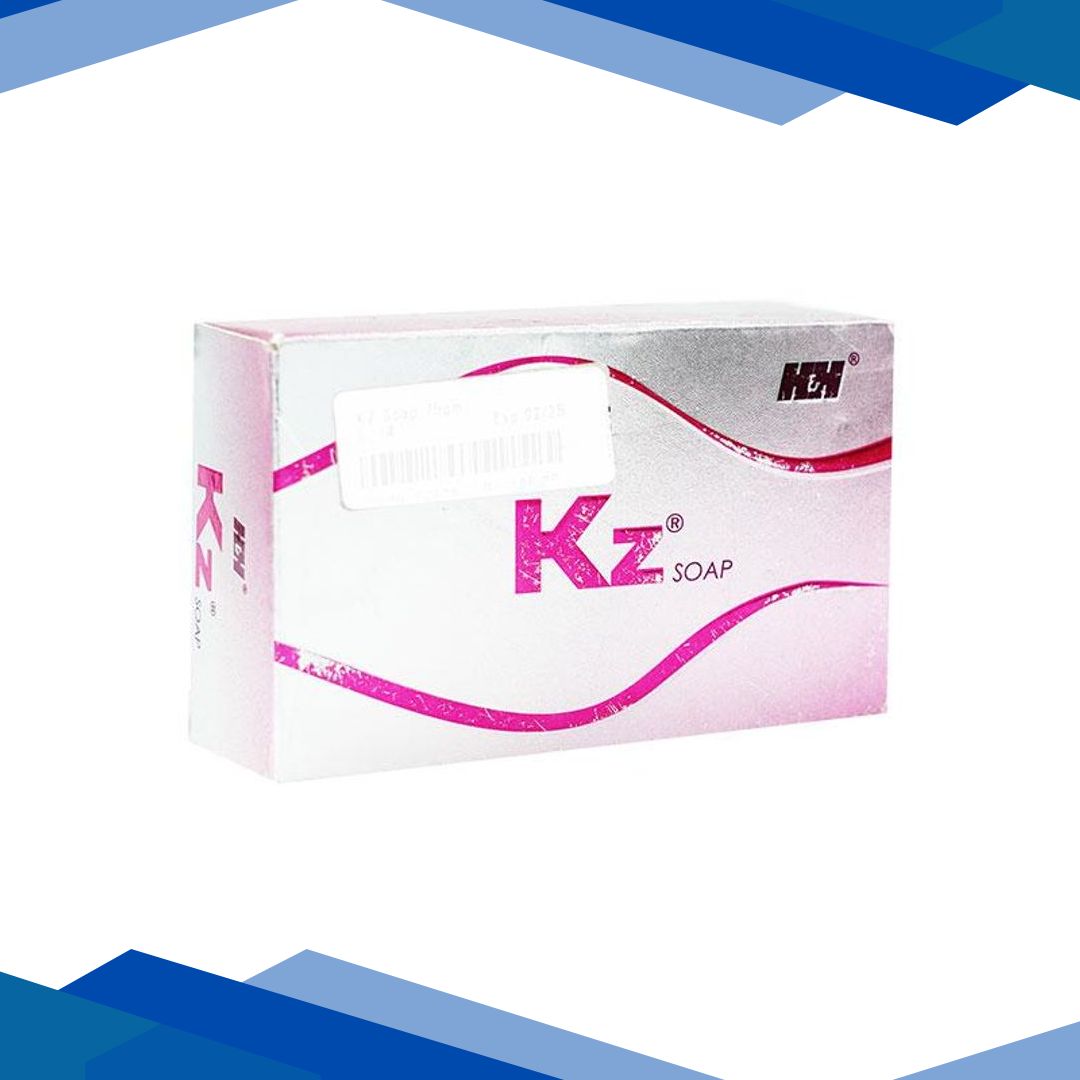
KZ Soap 75gm
No Prescription yet? Don’t worry! Click Here to Get Online Consultation
Ketoconazole is a widely used antifungal medication designed to treat various fungal and yeast infections affecting the skin, scalp, and sometimes deeper parts of the body. It works by disrupting the fungal cell membrane, effectively stopping the growth and spread of infection-causing organisms. Commonly available in creams, shampoos, and tablets, ketoconazole is frequently used to manage conditions such as dandruff, seborrheic dermatitis, ringworm, and candidiasis. For more details kindly click on Medicine Salts below
Description
ketoconazole is a broad-spectrum antifungal medication widely used to treat a variety of fungal and yeast infections affecting the skin, scalp, and sometimes internal organs. it belongs to the class of drugs known as imidazole antifungals and works by inhibiting the growth of fungi that cause infections. ketoconazole is available in multiple forms, including topical creams, shampoos, gels, and oral tablets, although oral use is generally reserved for more severe infections due to potential systemic side effects. it is commonly prescribed for conditions such as dandruff, seborrheic dermatitis, ringworm, athlete’s foot, and candidiasis.
the primary mechanism of action of ketoconazole involves interfering with the synthesis of ergosterol, an essential component of fungal cell membranes. by disrupting ergosterol production, ketoconazole weakens the fungal cell membrane, causing leakage of vital cellular components and ultimately leading to the death of the fungus. this targeted mechanism makes it highly effective against dermatophytes, yeasts like candida species, and malassezia species responsible for scalp and skin conditions. its effectiveness and versatility make it a commonly recommended antifungal agent in dermatological practice.
ketoconazole is particularly beneficial for individuals experiencing persistent fungal infections that do not respond to basic treatments. it is suitable for both adults and children in topical forms, although the exact formulation and duration of treatment depend on the severity and type of infection. in addition to treating infections, ketoconazole shampoo is also frequently used as a maintenance therapy to prevent recurrence of dandruff and scalp conditions. however, due to potential risks associated with oral ketoconazole, its use in systemic infections is carefully monitored by healthcare professionals.
overall, ketoconazole plays a crucial role in managing fungal infections by providing both therapeutic and preventive benefits. its availability in various formulations allows for targeted treatment depending on the location and severity of the infection. while it is generally safe when used as directed, it is important to follow medical guidance to minimize potential risks and ensure effective treatment outcomes.
ingredients
- ketoconazole: the active antifungal ingredient responsible for inhibiting fungal growth by blocking ergosterol synthesis. it is effective against a wide range of fungi, including dermatophytes and yeasts, making it suitable for treating both superficial and some systemic infections.
- excipients (base ingredients): depending on the formulation (cream, shampoo, tablet), additional inactive ingredients such as emulsifiers, preservatives, stabilizers, and moisturizing agents are included. these help in delivering the drug effectively, improving absorption, enhancing shelf life, and providing ease of application.
- surfactants (in shampoos): these cleansing agents help remove oil, debris, and fungal organisms from the scalp, improving the effectiveness of ketoconazole in treating dandruff and seborrheic dermatitis.
- moisturizing agents (in creams): ingredients like glycerin or propylene glycol may be added to prevent dryness and irritation while supporting skin healing.
key uses
- fungal skin infections: used to treat conditions such as ringworm, athlete’s foot, and jock itch by eliminating the underlying fungal organisms.
- seborrheic dermatitis: helps reduce inflammation, redness, and flaking of the skin, particularly on the scalp and face.
- dandruff control: ketoconazole shampoo is effective in controlling dandruff caused by fungal overgrowth on the scalp.
- candidiasis: treats yeast infections affecting the skin, including intertrigo and cutaneous candidiasis.
- pityriasis versicolor: helps in treating discoloration of the skin caused by malassezia yeast, restoring normal pigmentation over time.
- systemic fungal infections (oral form): in certain cases, oral ketoconazole may be used for deeper fungal infections when other treatments are not suitable.
how to use
the method of using ketoconazole depends on its formulation. for topical creams or gels, the affected area should be cleaned and dried thoroughly before applying a thin layer of the medication. it is typically applied once or twice daily, depending on the severity of the infection and the healthcare provider’s recommendation. the treatment should be continued for the full prescribed duration, even if symptoms improve earlier, to prevent recurrence.
for ketoconazole shampoo, it is usually applied to wet hair and scalp, lathered, and left in place for a few minutes before rinsing thoroughly. this allows adequate contact time for the medication to act against fungal organisms. frequency of use may vary from twice weekly to once every two weeks, depending on the condition being treated or prevented.
oral ketoconazole tablets should only be used under strict medical supervision. they are typically taken with food to enhance absorption and reduce stomach irritation. it is important not to skip doses or discontinue the medication prematurely without consulting a healthcare provider, as this may lead to incomplete treatment and resistance.
safety information
- warnings: oral ketoconazole has been associated with serious liver toxicity and should only be used when other antifungal treatments are not suitable. liver function monitoring may be required during treatment. topical use generally has fewer systemic risks but should still be used as directed.
- side effects: common side effects include itching, redness, irritation, or dryness at the application site. for shampoos, mild scalp irritation or oiliness may occur. oral use may cause nausea, abdominal pain, headache, and in rare cases, severe liver damage or hormonal disturbances.
- precautions: individuals with liver disease, adrenal disorders, or known hypersensitivity to ketoconazole should avoid using it. care should be taken to avoid contact with eyes, mouth, or open wounds when using topical formulations.
- pregnancy/breastfeeding: topical ketoconazole is generally considered low risk when used appropriately, but oral ketoconazole is not recommended during pregnancy due to potential harm to the fetus. breastfeeding mothers should consult a healthcare provider before use.
- interactions: oral ketoconazole can interact with a wide range of medications, including certain antibiotics, anticoagulants, antacids, and drugs affecting heart rhythm. alcohol should be avoided as it may increase the risk of liver damage. always inform your healthcare provider about all medications and supplements being used.
additional information
- storage: store ketoconazole products at room temperature, away from direct sunlight, heat, and moisture. keep the container tightly closed and out of reach of children.
- missed dose: if a dose is missed, apply or take it as soon as remembered. if it is close to the next scheduled dose, skip the missed dose and continue with the regular schedule. do not double the dose.
- overdose: overuse of topical ketoconazole may lead to increased irritation. oral overdose can be serious and may require immediate medical attention, especially if symptoms like severe nausea, vomiting, or unusual fatigue occur.
- habit forming: ketoconazole is not habit-forming and does not cause dependence. it is used strictly for therapeutic purposes.
frequently asked questions
Q: what is ketoconazole used for?
A: ketoconazole is used to treat fungal infections of the skin, scalp, and in some cases internal infections. it is commonly used for dandruff, seborrheic dermatitis, and ringworm.
Q: can ketoconazole be used daily?
A: the frequency of use depends on the formulation and condition being treated. some shampoos are used twice weekly, while creams may be applied daily as directed by a healthcare provider.
Q: is ketoconazole safe for long-term use?
A: topical ketoconazole may be used long-term under medical guidance, especially for recurring conditions like dandruff. oral use is generally limited due to potential side effects.
Q: how long does ketoconazole take to work?
A: improvement may be seen within a few days to weeks depending on the condition. however, full treatment should be completed as prescribed.
Q: can ketoconazole treat bacterial infections?
A: no, ketoconazole is an antifungal medication and is not effective against bacterial infections.
Q: can i use ketoconazole shampoo on colored hair?
A: yes, ketoconazole shampoo is generally safe for colored hair, but excessive use may cause dryness. conditioning after use is recommended.
Q: does ketoconazole cause hair loss?
A: ketoconazole does not typically cause hair loss. in fact, it may help improve scalp health, which can support healthier hair growth.
Q: can children use ketoconazole?
A: topical ketoconazole is generally safe for children when used as directed. always consult a healthcare provider before use.
Q: is a prescription required for ketoconazole?
A: some topical formulations may be available over-the-counter, while stronger formulations and oral tablets require a prescription.
Q: what should i avoid while using ketoconazole?
A: avoid using other irritating skin products on the treated area unless advised. for oral use, avoid alcohol and inform your doctor about all medications.
this information is for educational purposes only and should not be considered medical advice. always consult a qualified healthcare professional before use.
At Gem Pharmacy, we make every effort to provide accurate, expert-written, and thoroughly reviewed information related to medicines. However, this information should not be considered a substitute for professional medical advice, diagnosis, or treatment from a qualified doctor.
The purpose of this information is to educate users and improve communication between patients and healthcare professionals. It should not be used to diagnose or treat any condition.
Always consult a certified healthcare professional before taking any medication.


Related products
EXIZOL ANTIDANDRUFF SHAMPOO Scrub 50ml

SALISIA KT ANTI DANDRUFF Shampoo 75ml