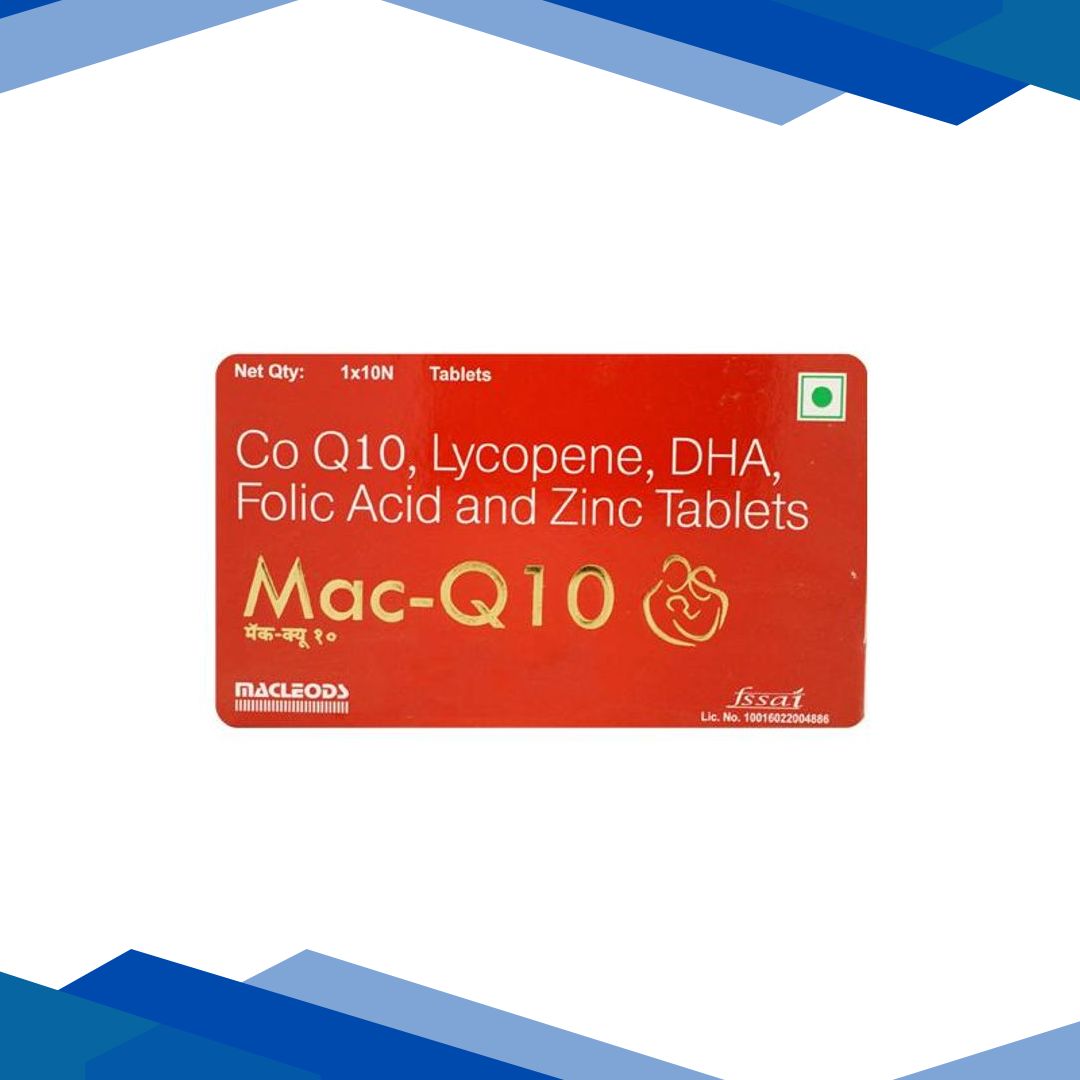
MAC Q10 Tablet 10’S
No Prescription yet? Don’t worry! Click Here to Get Online Consultation
Docosahexaenoic acid (DHA) is an essential omega-3 fatty acid that plays a crucial role in supporting brain function, eye health, and cardiovascular wellness. It is a key structural component of the brain and retina, making it especially important during pregnancy, infancy, and early childhood for proper development. DHA also helps reduce inflammation and supports overall heart health. For more details kindly click on Medicine
Description
docosahexaenoic acid (dha) is a long-chain omega-3 polyunsaturated fatty acid that plays a fundamental role in maintaining optimal health, particularly for the brain, eyes, and cardiovascular system. it is naturally found in fatty fish such as salmon, mackerel, and sardines, as well as in algae-based sources. dha is considered an essential nutrient because the human body has a limited ability to synthesize it from other fatty acids, making dietary intake or supplementation important for maintaining adequate levels.
dha is a major structural component of the brain and retina, accounting for a significant proportion of the total fatty acids in these tissues. it contributes to the fluidity and integrity of cell membranes, enabling efficient communication between nerve cells and supporting visual function. during critical stages such as pregnancy, infancy, and early childhood, dha is especially important for proper neurological and visual development. it is also increasingly recognized for its role in reducing inflammation and supporting cardiovascular health.
the mechanism of action of dha involves its incorporation into phospholipid membranes, where it influences membrane flexibility, receptor function, and signal transduction pathways. dha also modulates inflammatory processes by affecting the production of eicosanoids and specialized pro-resolving mediators such as resolvins and protectins. these compounds help regulate immune responses and may reduce chronic inflammation associated with various diseases.
docosahexaenoic acid is widely used as a dietary supplement for individuals who may not consume enough omega-3 fatty acids through their diet. it is particularly beneficial for pregnant and breastfeeding women, infants, older adults, and individuals with certain health conditions such as cardiovascular disease or cognitive decline. while generally considered safe, it is important to use dha appropriately and under the guidance of a healthcare professional, especially in individuals with underlying medical conditions or those taking other medications.
ingredients
- docosahexaenoic acid (dha): the primary active ingredient, dha is an omega-3 fatty acid essential for brain development, visual acuity, and cardiovascular health. it helps maintain the structural integrity of neuronal membranes and supports cognitive function, memory, and learning. dha also exhibits anti-inflammatory properties, contributing to overall health and disease prevention.
- fish oil or algal oil: dha is commonly derived from fish oil (such as anchovy, sardine, or mackerel oil) or algal oil for vegetarian and vegan formulations. these sources provide a natural and bioavailable form of dha for supplementation.
- gelatin or plant-based capsule shell: used in capsule formulations to encase the oil, ensuring stability and ease of consumption. vegetarian options may use cellulose-based capsules.
- antioxidants (e.g., vitamin e): added to prevent oxidation of the fatty acids, maintaining product stability and extending shelf life.
- carrier oils: some formulations may include additional oils to enhance absorption and bioavailability.
key uses
- brain development and function: dha supports cognitive development in infants and helps maintain memory, focus, and mental clarity in adults.
- eye health: essential for retinal health, dha contributes to visual development in infants and helps maintain good vision in adults.
- cardiovascular support: helps reduce triglyceride levels, supports heart rhythm stability, and may lower the risk of cardiovascular diseases.
- pregnancy and fetal development: important for the development of the fetal brain and eyes, making it a key nutrient during pregnancy.
- anti-inflammatory effects: helps reduce inflammation associated with chronic conditions such as arthritis and metabolic disorders.
- mood and mental health: may support emotional well-being and reduce symptoms of depression and anxiety in some individuals.
- infant nutrition: commonly included in infant formulas to mimic the composition of breast milk and support early development.
how to use
docosahexaenoic acid supplements are typically taken orally in the form of capsules, soft gels, or liquid formulations. it is generally recommended to take dha with meals, particularly those containing fat, to enhance absorption and minimize gastrointestinal discomfort. the exact dosage varies depending on age, health status, and specific nutritional needs, but users should follow the instructions provided on the product label or those given by a healthcare professional.
for pregnant and breastfeeding women, dha supplementation may be advised to support fetal and infant development, but it should always be taken under medical supervision. in children and infants, dha is often administered through fortified foods or specialized supplements. consistency in intake is important to maintain adequate levels in the body, as dha is gradually incorporated into tissues over time.
safety information
- warnings: individuals with fish or seafood allergies should exercise caution when using fish oil-derived dha supplements. algal-based alternatives may be considered in such cases. excessive intake of dha may increase the risk of bleeding or cause other adverse effects.
- side effects: common side effects may include mild gastrointestinal discomfort, nausea, diarrhea, or a fishy aftertaste. less commonly, high doses may lead to increased bleeding risk or lowered blood pressure.
- precautions: people with bleeding disorders, those undergoing surgery, or individuals taking anticoagulant or antiplatelet medications should consult a healthcare professional before using dha supplements.
- pregnancy/breastfeeding: dha is generally considered safe and beneficial during pregnancy and breastfeeding when used in appropriate amounts. however, supplementation should be guided by a healthcare provider to ensure optimal dosing and safety.
- interactions: dha may interact with medications such as blood thinners (e.g., warfarin), antiplatelet drugs, and certain antihypertensive agents, potentially enhancing their effects. alcohol consumption should be moderated as it may impact overall cardiovascular health.
additional information
- storage: store dha supplements in a cool, dry place away from direct sunlight and heat. some products may require refrigeration after opening to maintain freshness and prevent oxidation.
- missed dose: if a dose is missed, it can be taken as soon as remembered unless it is close to the next scheduled dose. do not double the dose to make up for a missed one.
- overdose: excessive intake of dha may lead to symptoms such as bleeding, gastrointestinal upset, or immune suppression. in case of suspected overdose, seek medical attention promptly.
- habit forming: no, dha is not habit-forming. it is a nutritional supplement and does not cause dependence or addiction.
frequently asked questions
Q: what is the main benefit of docosahexaenoic acid?
A: docosahexaenoic acid primarily supports brain and eye health, while also contributing to heart health and reducing inflammation.
Q: can dha be taken daily?
A: yes, dha can be taken daily as part of a balanced diet or supplementation plan, but it is important to follow recommended guidelines.
Q: is dha suitable for vegetarians?
A: yes, vegetarians can opt for dha derived from algal oil, which is a plant-based source.
Q: does dha improve memory?
A: dha supports cognitive function and may help maintain memory, especially in aging individuals.
Q: can children take dha supplements?
A: yes, dha is often recommended for children to support brain and visual development, but it should be used as per pediatric guidance.
Q: are there any side effects of dha?
A: most people tolerate dha well, but mild digestive issues or a fishy aftertaste may occur in some cases.
Q: is dha safe during pregnancy?
A: dha is generally safe and beneficial during pregnancy when taken in recommended amounts under medical supervision.
Q: how long does it take for dha to show effects?
A: the effects of dha may take several weeks to become noticeable as it gradually accumulates in body tissues.
Q: can dha help with heart disease?
A: dha may support heart health by reducing triglycerides and improving overall cardiovascular function.
Q: should dha be taken with food?
A: yes, taking dha with meals improves absorption and reduces the likelihood of stomach discomfort.
this information is for educational purposes only and should not be considered medical advice. always consult a qualified healthcare professional before use.
At Gem Pharmacy, we make every effort to provide accurate, expert-written, and thoroughly reviewed information related to medicines. However, this information should not be considered a substitute for professional medical advice, diagnosis, or treatment from a qualified doctor.
The purpose of this information is to educate users and improve communication between patients and healthcare professionals. It should not be used to diagnose or treat any condition.
Always consult a certified healthcare professional before taking any medication.


Related products