



Macsporin
No Prescription yet? Don’t worry! Click Here to Get Online Consultation
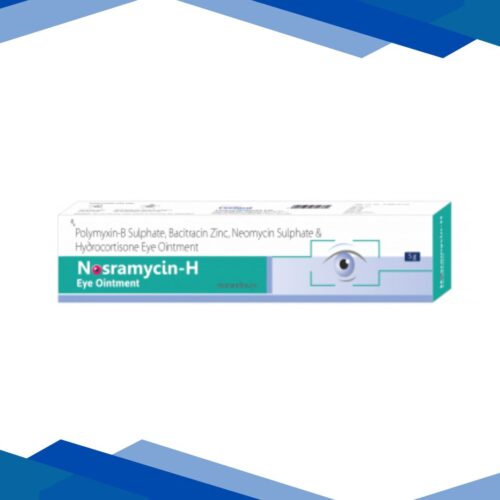
Bacitracin Zinc
BACITRACIN ZINC
Overview:
Bacitracin zinc is an antibiotic used mainly in ointments and creams to prevent or treat minor skin infections, cuts, and burns. The zinc is added to stabilize bacitracin and make it more effective for topical use. It works by stopping bacteria from building their cell walls, which kills or prevents their growth. Since it’s only for external use, it’s generally safe, but some people may develop skin irritation or allergies.
Classification: Polypeptide antibiotic
Uses:
Bacitracin zinc is commonly used in ointments and creams to protect small cuts, scrapes, and burns from getting infected. It works as a first-aid antibiotic that helps wounds heal safely, and is often combined with other antibiotics like neomycin or polymyxin B for broader protection. Doctors also use it to lower the risk of infection after minor surgeries or skin injuries.
How it works:
Bacitracin zinc acts by inhibiting bacterial cell wall synthesis.It complexes with bactoprenol pyrophosphate and inhibits its regeneration, preventing the translocation of peptidoglycan subunits through the cytoplasmic membrane. This interruption in peptidoglycan biosynthesis results in a weakened bacterial cell wall and ultimately cell lysis.
Dosage: As prescribed by your doctor.
Side Effects:
- Mild skin irritation
- Redness at the site of application
- Itching
- Rash
Precautions:
Bacitracin zinc should only be applied on the skin and not near the eyes, mouth, or deep cuts. It’s best used for small wounds, since applying it on large or serious injuries should only be done under a doctor’s advice. Prolonged use isn’t recommended because it can lead to resistant bacteria or fungal growth. If you notice redness, itching, or swelling, you may be allergic and should stop using it. Pregnant or breastfeeding women, as well as children and elderly patients, should use it cautiously and only if prescribed.
Disclaimer:This content is for informational purposes only. Always consult a healthcare provider for medical advice and proper dosage.
Sulfacetamide Sodium
10% Sulfacetamide Sodium Eye Drops: First Treatment for Bacterial Eye Infections
Annoying red, itchy, painful eyes can create uncomfortable distractions in your daily routine. Among bacterial conjunctivitis and other superficial eye infections, Sulfacetamide Sodium stands as a reliable antibacterial treatment.
These drops restrict the growth of bacteria, helping reduce redness, discharge, and irritation, thereby restoring visual comfort.
How It Operates
Sulfacetamide Sodium belongs to sulfonamide medications, which differ from antibiotics that directly kill bacteria. Being “bacteriostatic,” it prevents bacteria from producing folic acid, a nutrient essential for their growth and multiplication. Without this ability, the body can effectively eliminate the remaining bacteria.
Quick Usage Guide
Consistency is Key: Follow your doctor’s instructions strictly. Even if symptoms improve early, continue using the medicine as prescribed.
Keep Clean: Wash your hands before use. Avoid letting the dropper tip touch the eye or any surface to prevent contamination.
Storage: Keep the bottle tightly closed at room temperature, away from direct sunlight. Discard the solution if it turns dark brown and replace it with a fresh bottle.
Frequently Asked Questions
Q: Can I use Sulfacetamide Sodium with my contact lenses?
It is advisable to avoid contact lenses during an active eye infection. Many eye drops contain preservatives that may affect soft lenses. Wait at least 15 minutes after application before reinserting lenses, or consult your ophthalmologist.
Q: When do treatment results appear?
Most patients notice reduced redness and irritation within 48–72 hours. Completing the full course is essential to prevent recurrence or antibiotic resistance.
Q: Are there any common side effects?
Some may experience temporary stinging or burning after application. If you notice skin rash, severe swelling, or worsening eye pain, discontinue use and seek medical advice immediately.
Q: Can this be used for viral or fungal eye infections?
No. Sulfacetamide Sodium is effective only for bacterial infections and does not work for viral (“pink eye”) or fungal infections. Misuse may make future infections harder to treat.
Why Order From Us?
Your health is our priority. We source medications only from certified manufacturers and ensure safe, discreet delivery with proper temperature-controlled shipping.
Disclaimer
This information is for educational purposes only and does not replace professional medical advice. Always consult a qualified healthcare provider before starting any medication.
At Gem Pharmacy, we make every effort to provide accurate, expert-written, and thoroughly reviewed information related to medicines. However, this information should not be considered a substitute for professional medical advice, diagnosis, or treatment from a qualified doctor.
The purpose of this information is to educate users and improve communication between patients and healthcare professionals. It should not be used to diagnose or treat any condition.
Always consult a certified healthcare professional before taking any medication.


Related products