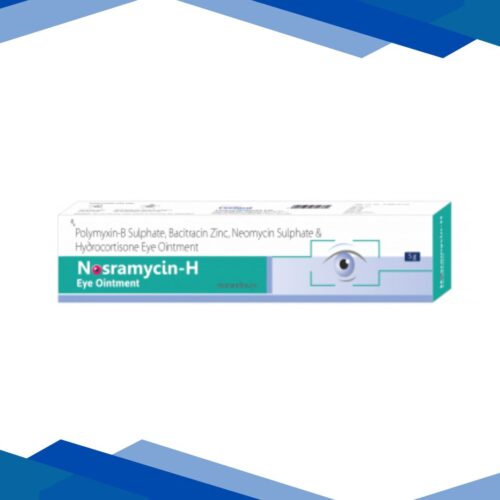
Bacitracin Zinc
BACITRACIN ZINC
Overview:
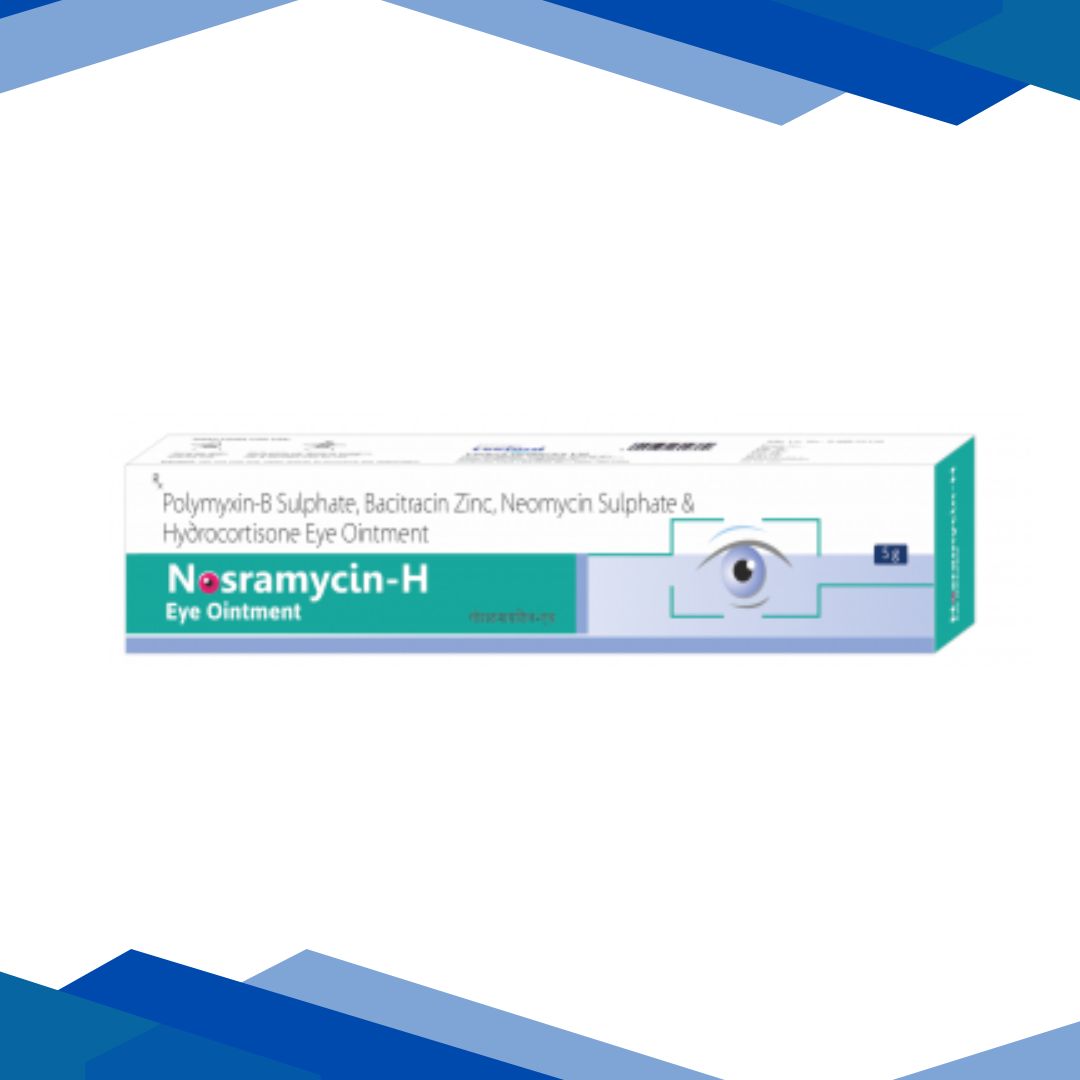
Bacitracin zinc is an antibiotic used mainly in ointments and creams to prevent or treat minor skin infections, cuts, and burns. The zinc is added to stabilize bacitracin and make it more effective for topical use. It works by stopping bacteria from building their cell walls, which kills or prevents their growth. Since it’s only for external use, it’s generally safe, but some people may develop skin irritation or allergies.
Classification: Polypeptide antibiotic
Uses:
Bacitracin zinc is commonly used in ointments and creams to protect small cuts, scrapes, and burns from getting infected. It works as a first-aid antibiotic that helps wounds heal safely, and is often combined with other antibiotics like neomycin or polymyxin B for broader protection. Doctors also use it to lower the risk of infection after minor surgeries or skin injuries.
How it works:
Bacitracin zinc acts by inhibiting bacterial cell wall synthesis.It complexes with bactoprenol pyrophosphate and inhibits its regeneration, preventing the translocation of peptidoglycan subunits through the cytoplasmic membrane. This interruption in peptidoglycan biosynthesis results in a weakened bacterial cell wall and ultimately cell lysis.
Dosage: As prescribed by your doctor.
Side Effects:
- Mild skin irritation
- Redness at the site of application
- Itching
- Rash
Precautions:
Bacitracin zinc should only be applied on the skin and not near the eyes, mouth, or deep cuts. It’s best used for small wounds, since applying it on large or serious injuries should only be done under a doctor’s advice. Prolonged use isn’t recommended because it can lead to resistant bacteria or fungal growth. If you notice redness, itching, or swelling, you may be allergic and should stop using it. Pregnant or breastfeeding women, as well as children and elderly patients, should use it cautiously and only if prescribed.
Disclaimer:This content is for informational purposes only. Always consult a healthcare provider for medical advice and proper dosage.
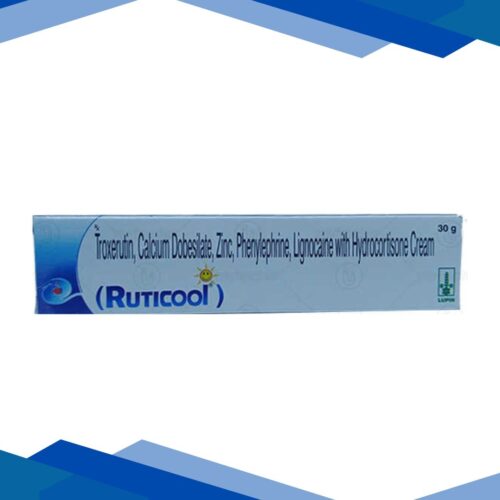
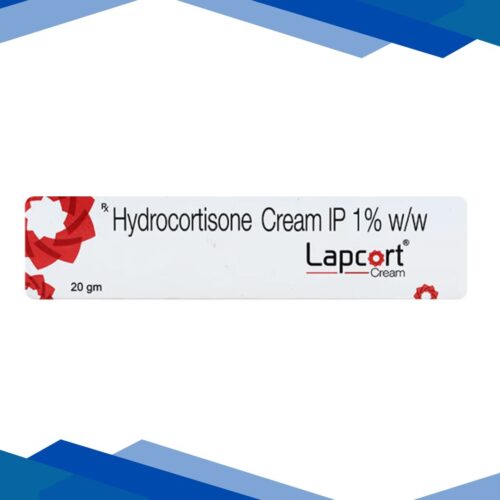
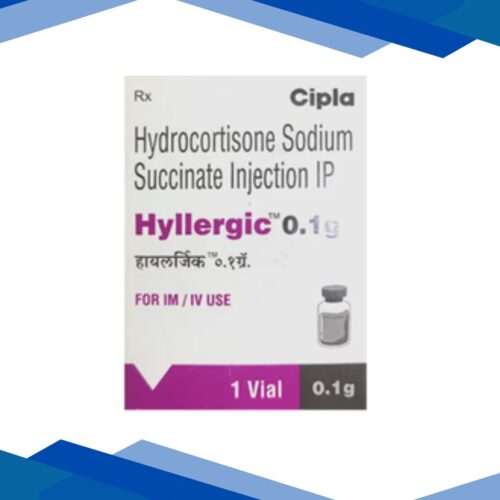
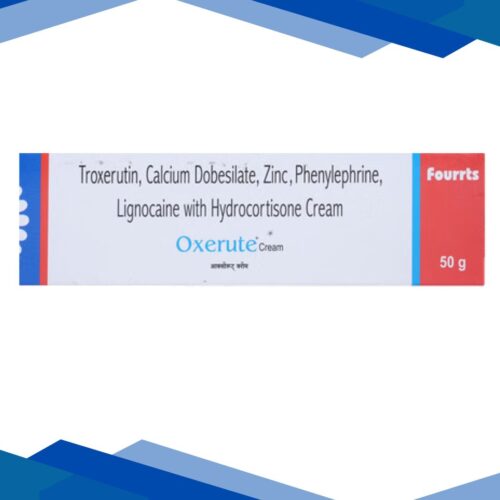
Hydrocortisone
HYDROCORTISONE
Overview
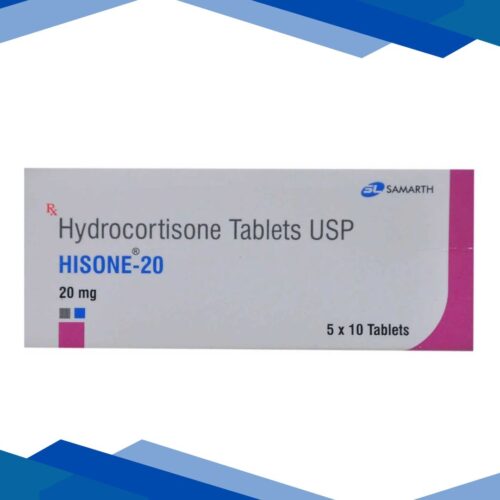
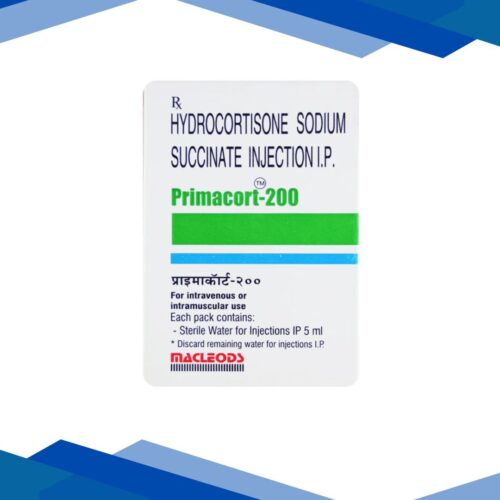
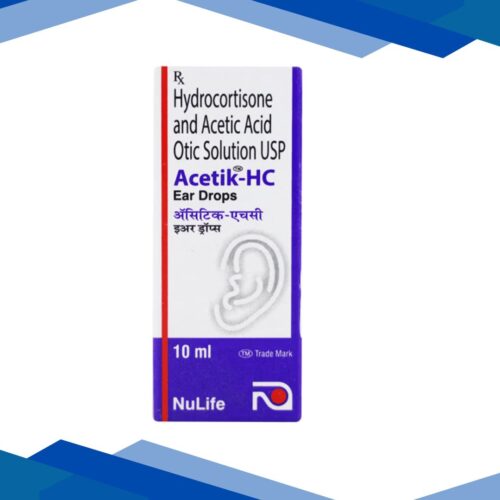
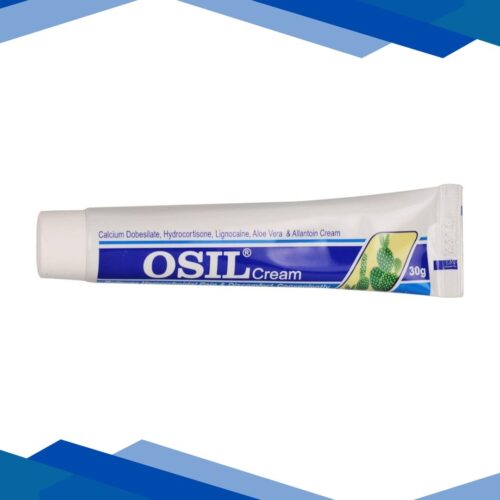
Hydrocortisone is to reduce swelling, redness, itching, and allergic reactions. It mimics a natural hormone made by your body called cortisol, which helps manage inflammation and stress responses. It’s used for many different conditions, from skin rashes to serious allergic reactions or hormone problems.
Classification
Corticosteroids
Uses
Hydrocortisone may be used to treat:
Skin problems like rashes, eczema, or allergies
Swelling and inflammation from injury or autoimmune diseases
Adrenal gland disorders (like Addison’s disease, where the body doesn’t make enough cortisol)
Severe allergic reactions, asthma, or joint pain
Bowel problems like ulcerative colitis or Crohn’s disease
How It Works
Hydrocortisone works by:
Calming the body’s immune response, so it doesn’t overreact and cause redness, swelling, or pain
Reducing inflammation and itching by mimicking natural cortisol
Helping restore hormone balance when your body isn’t making enough of its own cortisol
Dosage
As prescribed by your doctor.
Side effects
Side effects depend on the form (cream, tablet, injection) and how long it’s used. Some may include:
Skin thinning or irritation (with long-term cream use)
Upset stomach or nausea
Weight gain or puffiness (especially in face)
Increased appetite
Mood changes like anxiety or trouble sleeping
Higher risk of infections with long-term use
Precautions
Don’t stop using it suddenly if you’ve been on it for a long time—your body may need time to adjust
Long-term use can weaken bones or raise blood sugar
Let your doctor know if you have diabetes, infections, or high blood pressure
Use lowest effective dose for the shortest time needed
May not be suitable during pregnancy or breastfeeding without medical advice
Avoid using creams on broken or infected skin unless told by your doctor
Disclaimer
This content is for informational purposes only. Always consult a healthcare provider for medical advice and proper dosage