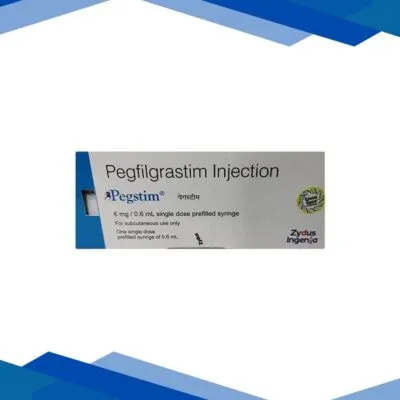
Pegasta 6mg Penfill Injection 1’s
❌ Due to high demand, this product is currently out of stock. New stock will be available shortly.
👉 Click here to Buy Same Salt medicine
Pegasta 6mg Penfill Injection is a medicine that helps the body make more white blood cells, especially neutrophils, which are important for fighting infections. It works by stimulating the bone marrow to produce and release these cells faster. This medicine is mainly used in people whose white blood cell count is low, such as after chemotherapy, bone marrow disorders, or certain medical treatments that can weaken the immune system. It may also be used to help the body recover after stem cell transplantation or to support the collection of stem cells for treatment. By increasing white blood cells, it lowers the risk of serious infections and helps the immune system recover more quickly. It should be used under medical supervision.
Description
Pegasta 6mg Penfill Injection is a biologic medicine used to help the body make more neutrophils, which are a type of white blood cell that plays a major role in fighting bacterial and fungal infections. in simple terms, it stimulates the bone marrow to produce and release neutrophils more quickly, especially when a person’s immune system has been weakened by cancer treatment, bone marrow disorders, severe illness, or certain medicines. because neutrophils are the body’s first line of defense against many infections, this medicine is often prescribed to reduce the risk of serious infections when white blood cell counts become too low.
this medicine works by acting on specific receptors in the bone marrow. once it binds to these receptors, it signals immature blood-forming cells to grow, mature, and enter the bloodstream. it can also help neutrophils survive longer and function more effectively. the result is a faster recovery of the immune system after chemotherapy or other causes of neutropenia, which is the medical term for having an abnormally low neutrophil count. in many patients, this reduces the chance of fever, infection, hospitalization, and treatment delays.
Pegasta 6mg Penfill Injection is not a general immune booster and does not treat infections directly. instead, it supports the body’s own defense system by increasing the number of infection-fighting cells. it is commonly used in oncology, hematology, and transplant care, and in some cases for patients with congenital or chronic neutropenia. because it is a biologic medicine with important effects on the blood and immune system, it should always be used under medical supervision. a healthcare professional decides whether it is appropriate based on the patient’s condition, blood counts, treatment plan, and overall risk of complications.
the medicine may be given in different forms depending on the product and clinical situation, such as injections administered under the skin or into a vein by a trained healthcare professional. some formulations are used temporarily to support blood counts during high-risk periods, while others may be used longer-term in selected chronic conditions. patients should not use it to self-treat infections or change cancer therapy without guidance, as its benefits and risks depend strongly on the underlying disease and treatment goals.
ingredients
- Pegasta 6mg Penfill Injection: this is the active biologic ingredient responsible for stimulating the bone marrow to produce neutrophils. it helps reduce the duration and severity of neutropenia and supports recovery of white blood cell counts after chemotherapy, bone marrow suppression, or other causes.
- water for injection or sterile diluent: in injectable products, sterile water or a manufacturer-provided diluent may be used to dissolve or prepare the medicine before administration. it does not provide therapeutic action but ensures the drug can be given safely.
- buffering agents: some formulations contain agents that help maintain a stable ph so the medicine remains effective and safe during storage and administration.
- stabilizers or preservatives: depending on the specific product, small amounts of stabilizing substances may be included to preserve the biologic structure and maintain potency. these are formulation components and not active treatment ingredients.
- salts or excipients: injectable biologics may also contain sodium or other inactive components in very small amounts to support product stability and compatibility.
key uses
- prevention of chemotherapy-related neutropenia: this medicine is widely used to lower the risk of severe drops in neutrophils after cancer chemotherapy, especially when the treatment is known to cause significant bone marrow suppression.
- reduction of infection risk during low white blood cell counts: by increasing neutrophil levels, it helps reduce the likelihood of bacterial and fungal infections in patients who are vulnerable because of low blood counts.
- support in febrile neutropenia prevention or recovery: in patients at high risk, it may be used to shorten the period of neutropenia and help the body recover more quickly after fever associated with low neutrophils.
- bone marrow or stem cell transplantation support: it may be used after transplant procedures to encourage faster recovery of neutrophils and reduce infection-related complications.
- chronic or congenital neutropenia management: in selected patients with chronic neutropenia, it can improve neutrophil counts and reduce repeated infections, under specialist supervision.
- mobilization of stem cells for collection: certain formulations are used to help move blood-forming stem cells from the bone marrow into the bloodstream so they can be collected for transplantation procedures.
how to use
Pegasta 6mg Penfill Injection should be used exactly as directed by a healthcare professional, because the route, timing, and duration depend on the reason for treatment. it is usually administered as an injection, either under the skin or into a vein, and in many cases it is given by medical staff or after careful training. the medicine is often started after chemotherapy or when blood tests show a clinically important drop in neutrophils. it is not meant to be used casually or at the first sign of feeling unwell; instead, it is part of a monitored treatment plan based on laboratory results and infection risk.
patients should follow instructions carefully regarding injection technique, storage, and schedule. if the medicine is supplied for home use, only trained individuals should administer it, using sterile technique and appropriate disposal of needles and syringes. blood counts may need to be checked regularly to see how well the medicine is working and to help avoid excessive increases in white blood cells. do not shake biologic injections unless the product instructions specifically allow it, because vigorous handling may damage the medication. never change the dose or stop treatment early without medical advice, even if you start feeling better, since neutrophil recovery needs to be confirmed by testing.
safety information
- warnings: Pegasta 6mg Penfill Injection can cause important changes in blood counts and may rarely lead to serious complications such as enlargement of the spleen, splenic rupture, breathing difficulties, allergic reactions, or inflammation of the blood vessels. seek urgent medical help if you develop sudden left upper abdominal pain, shoulder pain, trouble breathing, swelling, rash, or severe weakness. because it can increase white blood cells significantly, it must be used with monitoring. it is not appropriate for all causes of low neutrophils, and it may not be suitable if there is certain marrow disease or active unexplained blood cell abnormalities unless a specialist recommends it.
- side effects: common side effects may include bone pain, muscle pain, joint pain, headache, fatigue, mild fever, nausea, and injection-site redness or discomfort. some people also experience mild swelling or general flu-like symptoms. serious side effects, though less common, can include allergic reactions, shortness of breath, acute respiratory distress, spleen enlargement, low platelet counts, capillary leak syndrome, vasculitis, and rare severe skin reactions. any sudden or severe symptom should be reported immediately.
- precautions: use with caution in patients with sickle cell disease, because stimulation of blood cell production may increase complications. extra care is needed in people with lung disease, kidney disease, liver disease, autoimmune disorders, or a history of serious allergy to biologic medicines. patients with bone pain, abdominal pain, or unexplained fever while using the medicine should be evaluated promptly. it should be used only when clearly indicated in pregnancy, children, and older adults, and only under specialist guidance when neutropenia is related to bone marrow disorders.
- pregnancy/breastfeeding: safety data in pregnancy and breastfeeding are limited for many products in this class. the medicine should be used during pregnancy only if the expected benefit justifies the potential risk to the mother and fetus. it is not known how much, if any, passes into breast milk, so breastfeeding decisions should be discussed with a healthcare professional. do not assume it is safe without individualized medical advice.
- interactions: some anticancer medicines, radiation therapy, and other marrow-suppressing treatments may influence how this medicine is used and monitored. certain immune-modifying medicines and drugs that affect blood cell production may also require closer supervision. alcohol does not have a direct known interaction in the usual sense, but excessive alcohol use can worsen overall health and may complicate recovery from chemotherapy or infection. always tell your clinician about all prescription medicines, over-the-counter products, herbal supplements, and recent vaccines before starting treatment.
additional information
- storage: store exactly as directed on the package insert or by the pharmacist. many injectable biologics require refrigeration, protection from light, and careful handling to avoid freezing or excessive heat. do not store in the bathroom or in direct sunlight. if the product is removed from the refrigerator, follow the specific allowed time at room temperature only if provided by the manufacturer. keep out of reach of children.
- missed dose: if a dose is missed, contact the prescribing healthcare professional or clinic as soon as possible for advice. do not double the next dose unless specifically told to do so. timing is often important because the medicine is linked to chemotherapy cycles or blood test monitoring, so the safest response depends on the treatment plan.
- overdose: too much Pegasta 6mg Penfill Injection may increase the risk of severe bone pain, marked elevation of white blood cell counts, and other complications such as spleen-related problems. if an overdose is suspected, contact emergency services, a poison center, or the treating physician immediately. supportive care and medical monitoring may be required.
- habit forming: no, this medicine is not habit forming. it does not cause dependence or addiction. however, it should still be used only as prescribed because it has significant effects on blood cell production and may cause harm if used incorrectly or without supervision.
frequently asked questions
Q: what does Pegasta 6mg Penfill Injection do in the body?
A: it stimulates the bone marrow to produce more neutrophils, which are important white blood cells that help protect the body against infections. it is mainly used when neutrophil counts are too low because of chemotherapy, bone marrow suppression, or certain blood disorders.
Q: is this medicine the same as an antibiotic?
A: no. it does not kill bacteria or directly treat an infection. instead, it helps your body make more infection-fighting white blood cells, which can lower the risk of infection or help recovery from low neutrophil counts.
Q: why is blood count monitoring important during treatment?
A: blood tests help the healthcare team see whether the medicine is working and whether the white blood cell count is rising too much or not enough. monitoring also helps detect side effects early and supports safe treatment decisions.
Q: what are the most common side effects?
A: the most common side effects include bone pain, muscle aches, joint pain, headache, mild fever, tiredness, nausea, and injection-site redness or discomfort. these are often manageable, but persistent or severe symptoms should be reported.
Q: when should i seek urgent medical help?
A: get urgent help if you have trouble breathing, severe allergy symptoms, chest pain, sudden left upper abdominal pain, shoulder pain, severe weakness, high fever, or any symptom that seems severe or unusual. these may signal a serious complication.
Q: can i use it if i am pregnant or breastfeeding?
A: only if your healthcare professional specifically recommends it. information in pregnancy and breastfeeding is limited, so the benefit and possible risk need to be weighed carefully for your situation.
Q: can i take other medicines while receiving it?
A: many medicines can be taken together, but some cancer treatments, immune medicines, and other drugs that affect the bone marrow may change how this treatment is used. always share a complete medicine list with your healthcare professional.
Q: does it cause weight gain or sedation?
A: it is not known for causing sedation, and weight gain is not a typical expected effect. if you notice major swelling, rapid changes in weight, or breathing problems, tell a clinician promptly because these can sometimes indicate a complication.
Q: how long does it take to work?
A: the effect on white blood cells is usually seen over a short period, but the exact timing depends on the product, the reason for treatment, and your bone marrow response. your doctor will use blood tests to judge effectiveness.
Q: can it be used for any low white blood cell count?
A: no. it is used for specific medical situations where stimulating neutrophil production is appropriate. a healthcare professional must determine the cause of the low count and whether this medicine is suitable.
this information is for educational purposes only and should not be considered medical advice. always consult a qualified healthcare professional before use.
At Gem Pharmacy, we make every effort to provide accurate, expert-written, and thoroughly reviewed information related to medicines. However, this information should not be considered a substitute for professional medical advice, diagnosis, or treatment from a qualified doctor.
The purpose of this information is to educate users and improve communication between patients and healthcare professionals. It should not be used to diagnose or treat any condition.
Always consult a certified healthcare professional before taking any medication.


Related products

Peglast 3mg Prefill Injection 0.6ml