Aspirin
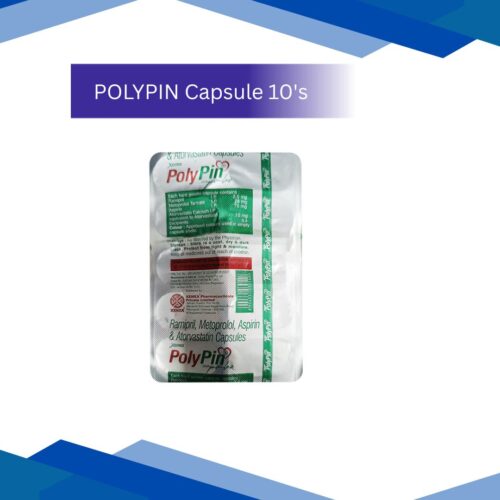
ASPIRIN
Overview:
Aspirin is a well-known and widely used medicine that helps relieve pain, bring down fever, reduce swelling, and in lower doses, protect the heart. It’s been around for a long time and is used for both short-term discomfort and long-term heart care.
Classification: Non-steroidal anti-inflammatory drug (NSAID)
Uses:
Ease mild to moderate pain like headaches, toothaches, and muscle aches
Lower fever during infections or flu
Reduce inflammation in conditions like arthritis
Prevent heart attacks or strokes by making the blood thinner in people at risk
Help in managing chest pain (angina) and after certain heart surgeries
How It Works:
Aspirin works by blocking the body’s production of prostaglandins—chemicals that cause pain, fever, and swelling. It also prevents blood platelets from clumping together, making it useful in reducing the risk of clots in the heart or brain.
Dosage: As prescribed by your doctor.
Side effects:
Stomach irritation, pain, or heartburn
Nausea or vomiting
Increased risk of bleeding or bruising easily
Ringing in the ears
Allergic reactions like rash or breathing trouble
Precautions:
Avoid taking aspirin if you have a history of stomach ulcers, bleeding problems, or asthma
Don’t give aspirin to children under 12, especially during viral illnesses, due to the risk of Reye’s syndrome
Use with caution if you’re taking blood thinners or other NSAIDs
Let your doctor know if you’re pregnant, breastfeeding, or have kidney or liver issues
Always take with food or milk to protect your stomach lining
Avoid alcohol while on aspirin as it can raise the risk of stomach bleeding
Disclaimer:
This content is for informational purposes only. Always consult a healthcare provider for medical advice and proper dosage
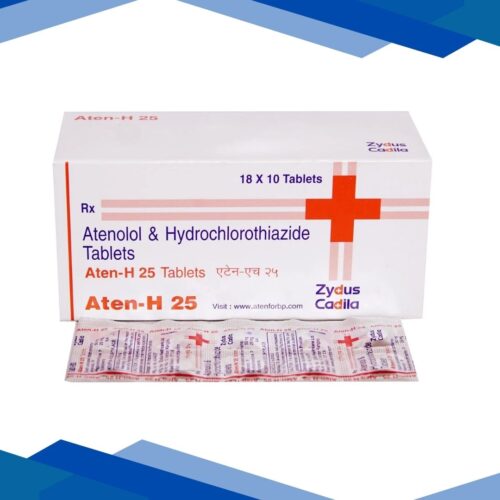
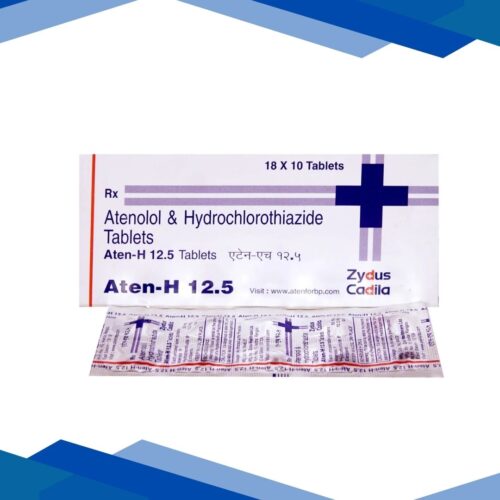
Atenolol
ATENOLOL
Overview:
Atenolol is commonly used to treat heart-related conditions. It helps the heart work more efficiently, eases its workload, and lowers the pressure inside blood vessels. This can prevent serious problems like heart attacks or strokes. It’s often taken as a daily tablet.
Classification: beta-blocker
Uses:
High blood pressure (hypertension)
Chest pain (angina)
Irregular heart rhythms (arrhythmias)
To help the heart recover after a heart attack
Sometimes used to prevent migraines or manage symptoms of anxiety (off-label use)
How It Works:
Atenolol blocks the effects of stress hormones like adrenaline on the heart. This helps:
Slow the heart rate
Lower blood pressure
Reduce the heart’s oxygen demand, which helps relieve chest pain
Calm irregular heartbeat patterns
Dosage: As prescribed by your doctor.
Side effects:
Some people may experience:
Tiredness or fatigue
Cold hands and feet
Dizziness or lightheadedness
Slow heartbeat
In some cases: mood changes, shortness of breath, or trouble sleeping
Precautions:
Should be used with caution in people with asthma, diabetes, or thyroid issues
Don’t stop suddenly—this can cause a spike in heart rate or chest pain
Tell your doctor if you have heart block, low blood pressure, or poor circulation
May mask signs of low blood sugar in diabetics—monitor blood sugar closely
Use in pregnancy or breastfeeding only if prescribed by a doctor
Disclaimer:
This content is for informational purposes only. Always consult a healthcare provider for medical advice and proper dosage.
Hydrochlorothiazide
HYDROCHLOROTHIAZIDE
Overview:
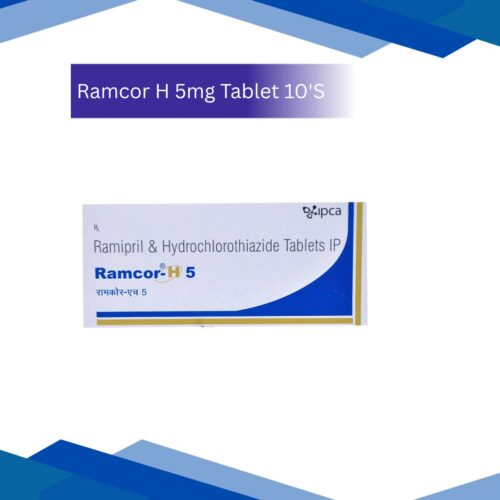
Hydrochlorothiazide is a medication used to treat high blood pressure and fluid retention (edema). It belongs to a group of drugs called thiazide diuretics, which help the body get rid of extra salt and water through urine.
Classification:Thiazide diuretics
Uses:
Hydrochlorothiazide is used to treat high blood pressure (hypertension) and swelling (edema) caused by problems like heart failure, liver disease, or kidney disease. It helps remove extra salt and water from the body through urine. It is also used to help prevent kidney stones and manage high calcium levels in the urine.
How it works:
Hydrochlorothiazide works by acting on the distal part of the kidney tubules to block the reabsorption of sodium and chloride. This causes more salt and water to be passed out in the urine, which helps to reduce blood volume and lower blood pressure. It also leads to some loss of potassium. Over time, it helps relax blood vessels, which further helps to control high blood pressure.
Dosage:
As prescribed by your doctor.
Side effects:
Increased urination
Weakness or tiredness
Headache
Dizziness
Muscle cramps
Precautions:
Before taking hydrochlorothiazide, tell your doctor if you have problems like kidney, liver, heart disease, diabetes, or gout. This medicine can change your blood salt or sugar levels, so you may need some tests. It might make you feel dizzy, so get up slowly. Avoid too much alcohol, and don’t use it during pregnancy or breastfeeding without your doctor’s advice. Also, tell your doctor about any other medicines you are taking.
Disclaimer:
This content is for informational purposes only. Always consult a healthcare provider for medical advice and proper dosage
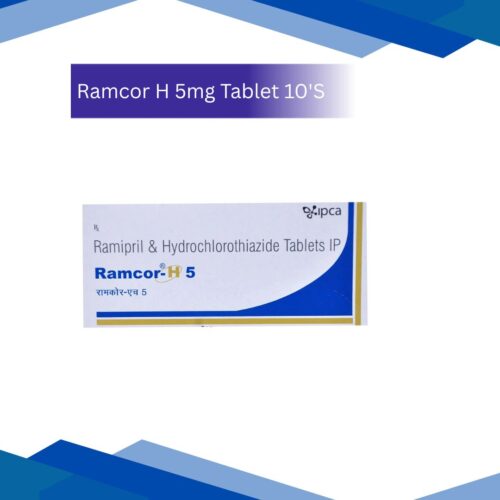
Ramipril
RAMIPRIL
Overview:
Ramipril helps bring down high blood pressure and keeps your heart working well. It works by widening your blood vessels, so your heart can pump more easily.. It also lowers the chances of heart attacks, strokes, and kidney issues, especially in people with diabetes or heart problems.
Classification: Angiotensin-Converting Enzyme (ACE) Inhibitor
Uses:
Ramipril is taken to help keep your blood pressure in check and take some of the load off your heart. It also helps lower the chances of heart attacks, strokes, or kidney damage — especially if you have diabetes or heart problems.
How it works:
Ramipril helps ease and open up your blood vessels, so your blood flows more smoothly and your heart doesn’t have to work as hard.It does this by blocking a natural substance in the body (called angiotensin-converting enzyme) that normally tightens blood vessels. By keeping those vessels more open, Ramipril reduces strain on your heart and helps protect it over time.
Dosage: As prescribed by your doctor.
Side Effects:
Dry cough
Dizziness or lightheadedness (especially when standing up)
Tiredness
Headache
Upset stomach or nausea
Precaution:
Prior to taking Ramipril, inform your doctor if you had any issues related to kidney complications, problems of the liver, and low blood pressure. One should also mention whether you are having high potassium or other medication (particular advertising water pills or other blood pressure drugs).
Disclaimer: This content is for informational purposes only. Always consult a healthcare provider for medical advice and proper dosage.