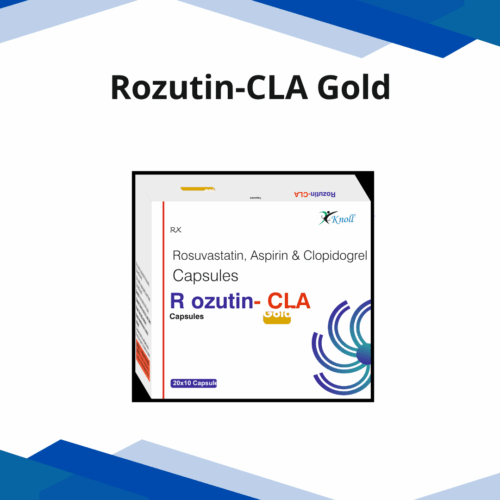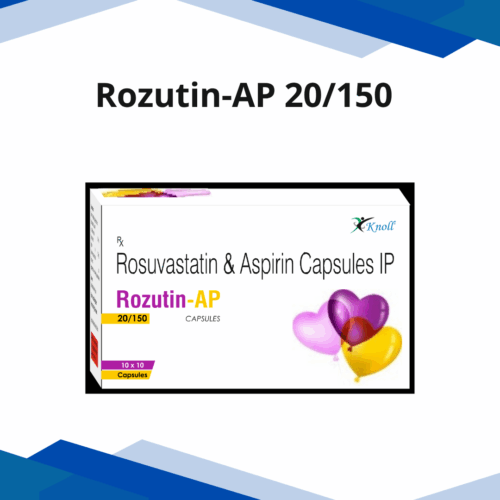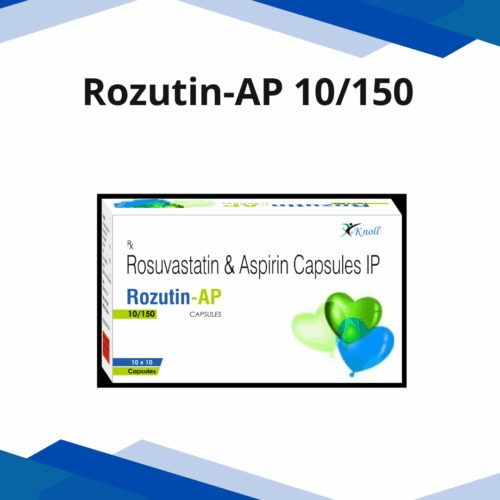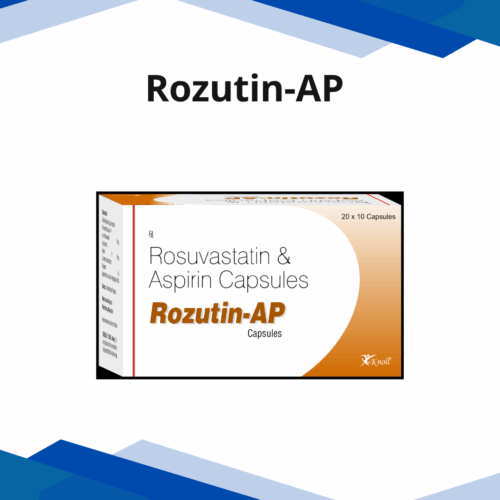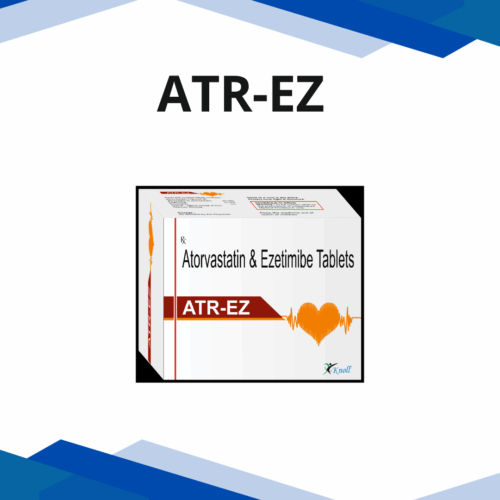


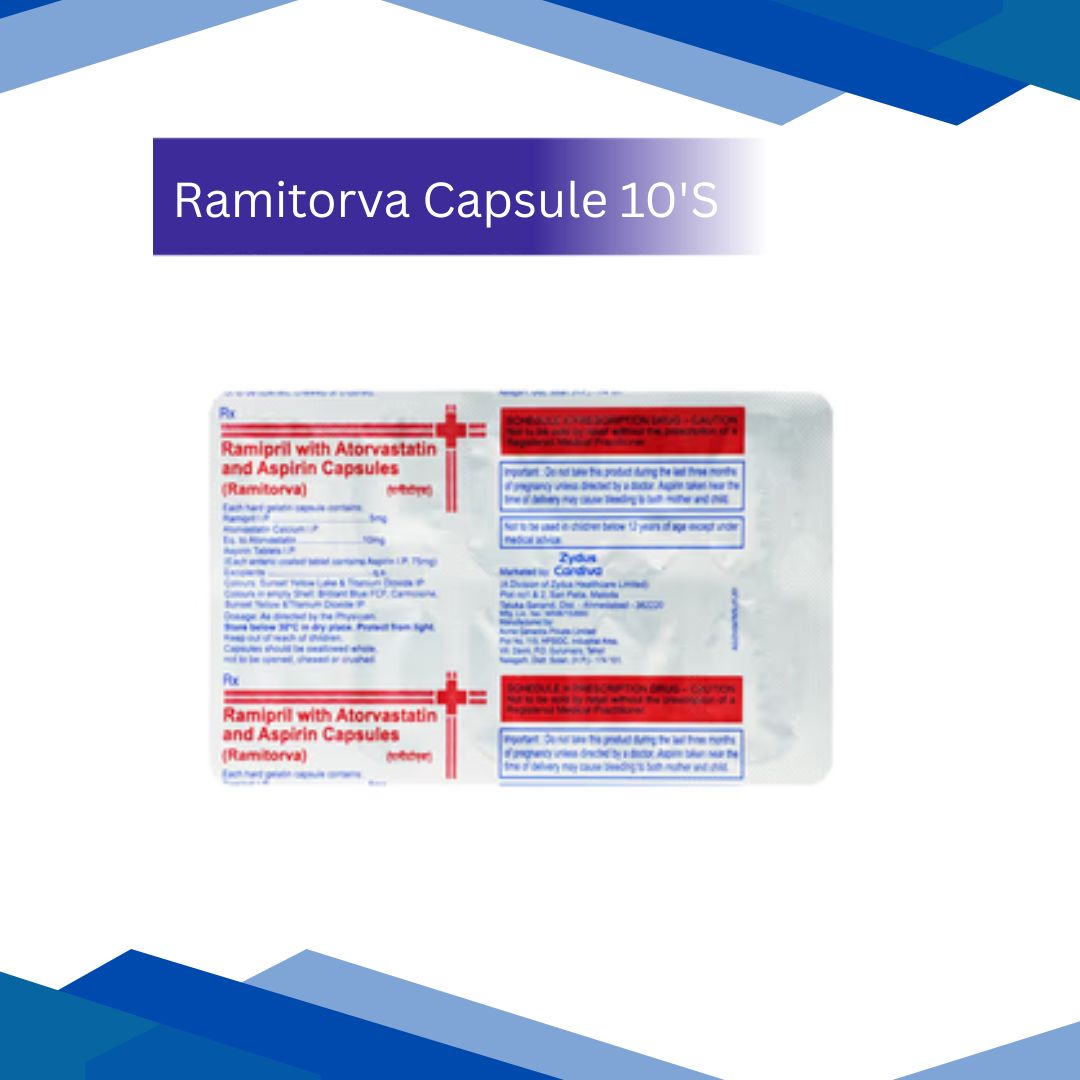
Ramitorva Capsule 10’S
No Prescription yet? Don’t worry! Click Here to Get Online Consultation
Ramitorva Capsule is used to prevent heart attack and stroke. It is a combination of medicines that help to control blood pressure, increased cholesterol levels and prevent clot formation.
For more details kindly click on medicine Salts Below:
Aspirin
Aspirin (Acetylsalicylic Acid) Tablet
Aspirin is a drug with a number of nonsteroidal anti-inflammatory and antiplatelet agent-like actions. It is mainly used for its analgesic (pain-relieving), antipyretic (fever-reducing), and anti-inflammatory properties. Another indication frequently assigned for low-dose aspirin administration is to prevent the development of clots in high-risk individuals.
Uses
Pain & Fever: Instant relief is given in conditions such as headache, toothache, muscle aches, and menstrual pain, when aspirin is given.
Inflammatory Disorders: For swollen joint practice with increase in pain, usually seen in rheumatoid arthritis or osteoarthritis.
Blood Thinning: For some small blocks of time ($75\text{mg}$ or $150\text{mg}$), these doses of aspirin can aid the person in lowering heart attack or stroke risk by interfering with processes required for platelet aggregation.
Postoperative Maintenance: Since it's essential for the survival and proper function of life, aspirin is given after stent placement or bypass surgery.
Means of Drug Action
Aspirin acts by inhibiting the production of prostaglandins, which are chemicals in the body that signal pain as well as inflammation. It inhibits COX-1 in platelets, which means that new platelets cannot form clots effectively in the arteries.
Dosage & Administration
Popular Dose: For discomfort or fever, adults are usually advised $325\text{mg}$ to $650\text{mg}$ every 4 to 6 hours as required. For cardiac protection, follow cardiologist-prescribed dosing only.
Dosing Frequency: For heart-related use, do not miss a dose. Sudden discontinuation increases the risk of a cardiac event.
Precautions & Warnings
Risk of Reye Syndrome: Avoid aspirin in children and teenagers with viral infections.
GI Safety: Continuous use can increase the chance of stomach irritation. Inform your doctor if you have a history of ulcers or acid reflux.
Bleeding Risk: Clotting may take longer due to aspirin’s anticoagulant effect, leading to prolonged bleeding from minor cuts.
Alcohol: May increase the risk of stomach bleeding when taken with aspirin.
Mild Adverse Effects
Vomiting
Heartburn
Unexplained weakness
Unusual bruising or nosebleeds
Serious Symptoms
Black or tarry stools
Coughing up blood
Tingling in the ears
Frequently Asked Questions (FAQ)
Q: Is daily aspirin safe?
Daily use is recommended only under a doctor’s supervision, typically for heart disease prevention. For pain, use only as needed.
Q: Which is better, aspirin or paracetamol?
Both relieve pain and fever. Aspirin also has anti-inflammatory and blood-thinning effects, whereas paracetamol does not. Choice depends on the condition and patient tolerance.
Q: Can I take aspirin if I have asthma?
In some individuals, aspirin may trigger aspirin-induced asthma or worsen symptoms. Consult your doctor before use.
Q: What should I do if I miss a dose?
Take it when you remember. If it is close to the next dose, skip the missed dose. Do not double the dose.
Q: Should I stop aspirin before surgery?
Yes, typically 5–7 days before surgery to reduce bleeding risk—but always follow your doctor’s advice.
Atorvastatin
Atorvastatin Tablets (IP/USP)
Atorvastatin falls under the class of HMG-CoA reductase inhibitors (statins). It is used specifically to reduce concentration of "bad" cholesterol (LDL), triglycerides as well as raise "good" cholesterol (HDL) in the blood. Atorvastatin lessens the manufacturing of cholesterol by the liver, preventing the clogging of arteries in the form of fatty buildups (atherosclerosis) substantially limiting the chances of heart attack, stroke, or cardiovascular stress.
Significant Therapeutic Benefits
Lipid Management: Effective in reducing high levels of low-density lipoproteins (LDL) and triglycerides.
Cardiovascular Protection: Clinically endorsed to lower the risk of major coronary events in people with or without established heart disease.
Plaque Stabilization: By stabilizing the existing arterial plaques, it prevents them from breaking apart and blocking the arteries.
Chronic Safety: Long-term use is generally regarded as safe for managing hyperlipidemia whenever it is carried out under careful monitoring by a medical professional.
Pharmacodynamics
Atorvastatin works by (the selective inhibition of) the enzyme 3-hydroxy-3-methylglutaryl-CoA reductase that plays a central catalytic role in cholesterol synthesis in the liver. This inhibition leads to increased uptake of LDL cholesterol from blood by the liver, resulting in larger reductions of total cholesterol in blood.
Use Recommendations:
Dosage: Your doctor prescribes the dosage amount. It may generally be 10 mg, 20 mg, 40 mg, or 80 mg.
Timing: You can take it at any time, but regular doses generate a greater effect. For optimal cholesterol regulation, most doctors suggest taking it at bedtime.
Mode of Administration: Simply swallow the complete tablet with water. You can have it with or without food.
Most Common Side Effects
Generally, Atorvastatin is well tolerated. However, there can be cases of:
Nasopharyngitis (symptoms like a cold)
Musculoskeletal pain (mild muscle or body aches)
Loose stools or an upset stomach
Mildly higher blood sugar
Cephalodynia (headache)
If you have unexplained muscle pain, please stop taking this pill and seek immediate medical help. Do not ignore high fever or dark urine at all.
Safety Measures
Pregnancy & Lactating Mother: Unsafe. Atorvastatin is strictly contraindicated during pregnancy as it may cause harm to the fetus.
Liver Disorder: Tell the doctor if you had a liver disease. The dose of the drug could be adjusted or LFTs (Liver Function Tests) monitored.
Alcohol: Keep alcohol intake to a minimum—excessive consumption raises the risks of liver damage and muscle-related side effects.
Grapefruit Juice: Limit intake of grapefruit juice as high consumption can increase the concentration of Atorvastatin in your blood.
Frequently Asked Questions (FAQs)
Q: Is Atorvastatin a blood thinner?
No. Atorvastatin is a lipid-lowering medication (statin). Its primary function is to regulate cholesterol levels and it does not directly affect the blood clotting process like aspirin or anticoagulants.
Q: Once your cholesterol levels are normal, can you stop taking Atorvastatin?
No. It helps manage cholesterol, not cure it. Stopping the medication may cause cholesterol levels to rise again. Always consult your doctor before making any changes.
Q: Does Atorvastatin cause memory loss?
Rare but possible. Some patients report mild memory loss or confusion. These effects are usually reversible after dose adjustment or discontinuation under medical supervision.
Q: Can Atorvastatin cause diabetes?
Statins may slightly increase blood sugar levels. If you are at risk of Type 2 diabetes, your doctor will monitor your glucose levels regularly.
Q: What should I do if I miss a dose?
Take the missed dose as soon as you remember. If more than 12 hours have passed or it is close to your next dose, skip the missed dose. Do not double up.
Ramipril
Ramipril is an ACE (Angiotensin-Converting Enzyme) inhibitor that causes reduced blood pressure and long-term cardiovascular benefits. By making blood vessels relaxed and widened, Ramipril dilatates blood vessels, which thereby makes it easier for blood to flow and reduces the workload of the heart. Ramipril essentially helps to save lives following a heart attack by significantly diminishing mortality rates and retarding the progression of nephropathy in diabetic patients.
Therapeutic Uses Hypertension Management: Zestril effectively lowers hypertension to lower risks for stroke and heart failure.
Post-Heart Attack Care: Helps more heart-attack patients with an increased survival rate, provided it is initiated immediately upon having a heart attack.
Cardiovascular Prevention: In patients aged 55 years' RISK of its application, such prevention lessens heart attack and stroke risk.
Protecting Kidneys: Secondarily, decreased process rate of kidney damage (nephropathy) in either diabetic patients or patients with already kidney conditions.
How It Works Ramipril is a prodrug that is activated in the liver to its active form, ramiprilat. One of the main roles of ACE is to create a substance that narrows the blood vessels. By blocking this enzyme:
Vessels Relax: Blood vessels dilate and reduce peripherally, allowing the blood-flow resistance.
Fluid Balance: It depletes the secretion of aldosterone, effectively helping the body to manage salt and water levels correctly.
Administration & Dosage
When to Take: Generally once or twice a day, depending on your treatment. Since the first dose may cause severe dizziness, your health care provider may advise you to take it at bedtime.
Food: Taken with or without food; must be swallowed whole, with plenty of water.
Routine: Must be regularly administered at the same time every day. This enables the maintenance of steady drug levels at your body for maximum efficacy.
Common Side Effects Nearly all patients are able to tolerate Ramipril, but there are a few that might feel:
Dry, Tickly Cough: This is a common side effect in ACE inhibitor therapy. If it stays THEQUIRE medical focus.
Dizziness or Lightheadedness: Especially when quickly rising head.
Headache or Fatigue.
Mild Digestive Disturbances, e.g nausea, or diarrhea.
Furthermore, if getting more frequent this happens, you must seek care:
Angioedema: Warning signs of immediate life-threatening conditions due to lung and airway obstruction with swelling and life-threatening throat problems.
Safety & Precautions
Pregnancy Warning: Absolutely contraindicated. The whole of Ramipril can pose a potential risk of severe and even fatal injury to a developing fetus. It is important to stop taking this medication from your doctor after discovering your pregnancy.
The Running of Kidneys: Normal potassium levels and kidney function are routinely monitored in blood testing throughout the treatment phase.
Alcohol: Keep it away from the drug or keep it to a minimum. Alcohol can increase the effects of sudden fall in blood pressure, causing mild to extreme dizziness.
Drug Interactions: With regards to your health status, document your current use of whatsoever medicines, almost particularly potassium supplements, diuretics, or NSAIDs such as Ibuprofen.
Questions And Answers
Q: When will stress tension get better on Ramipril?
Ramipril works in the first few hours after administration. On the other hand, the maximum that ought to have been considered and trial use over at least two to three weeks is desirable for the diabetes and congestive heart failure.
Q: Why am I coughing so much since I have been on Ramipril?
The ACE-inhibitor-induced dry cough. ACE inhibitors, including Ramipril, induce the build-up of bradykinin in the lungs. Switching to an ARB (Angiotensin II Receptor Blocker), if feasible.
Q: Would you recommend me halting the use of Ramipril once my blood pressure returns to normal?
No. Hypertension is a "silent" condition. Once the blood pressure is normalized, stopping the Ramipril has no healing effect. On the other hand, its instantaneous interruption causes a fear of a sharp spike in blood pressure, the latter raising the risks associated with heart attack or stroke.
Q: Now that I am taking this drug, do I have to stop eating any special foods?
Take note of the "poor substitutes" (a salt-based edible item containing potassium). Ramipril may increase your blood potassium levels, and food or supplement-based potassium with the pill might lead to hyperkalemia.
Q: What do I do when a tablet is missed?
Take it as soon as you remember. Skipping is encouraged if your next dose is due. Do not take an additional dose to make up for the missed one.
At Gem Pharmacy, we make every effort to provide accurate, expert-written, and thoroughly reviewed information related to medicines. However, this information should not be considered a substitute for professional medical advice, diagnosis, or treatment from a qualified doctor.
The purpose of this information is to educate users and improve communication between patients and healthcare professionals. It should not be used to diagnose or treat any condition.
Always consult a certified healthcare professional before taking any medication.


Related products