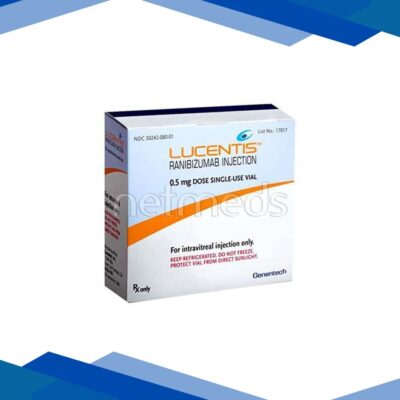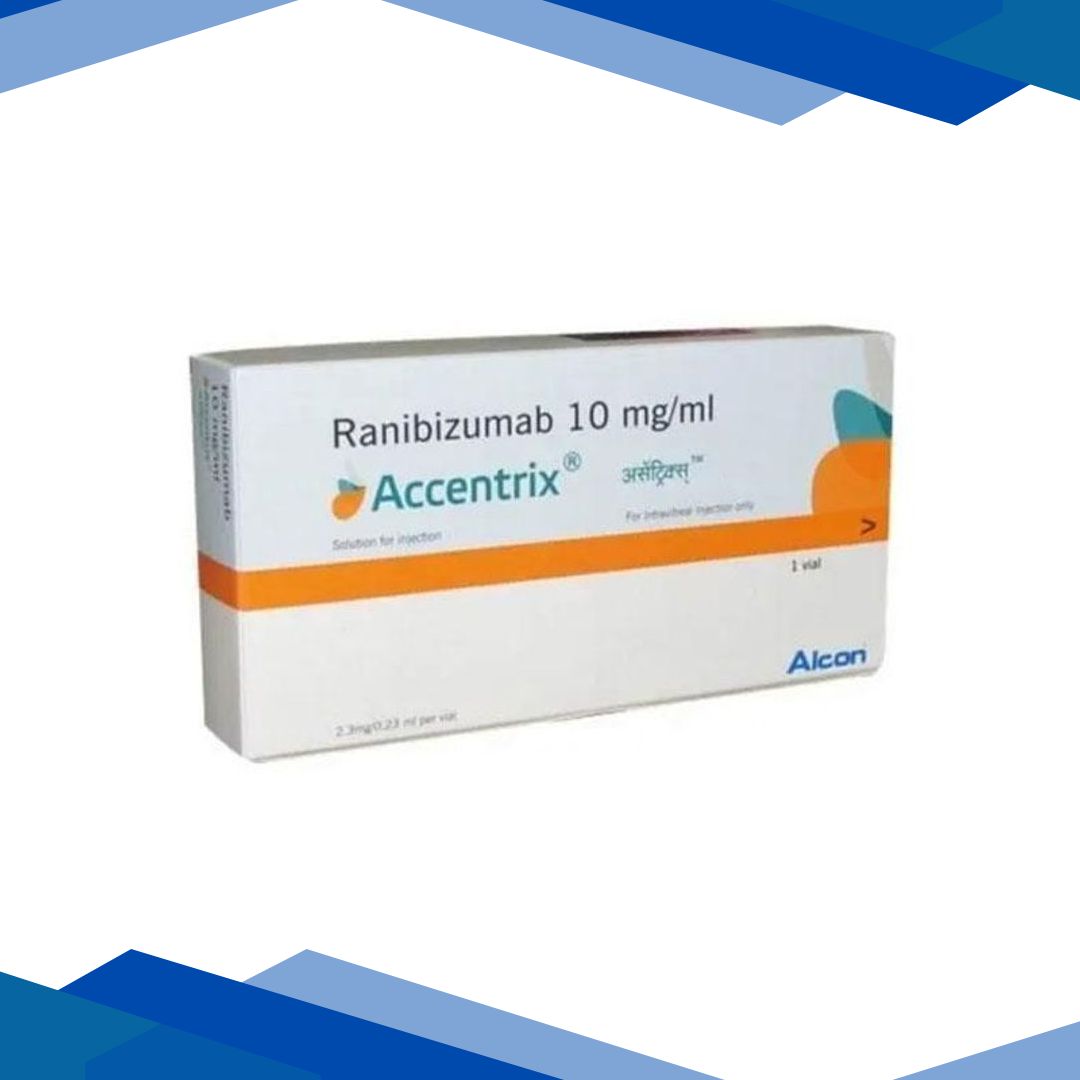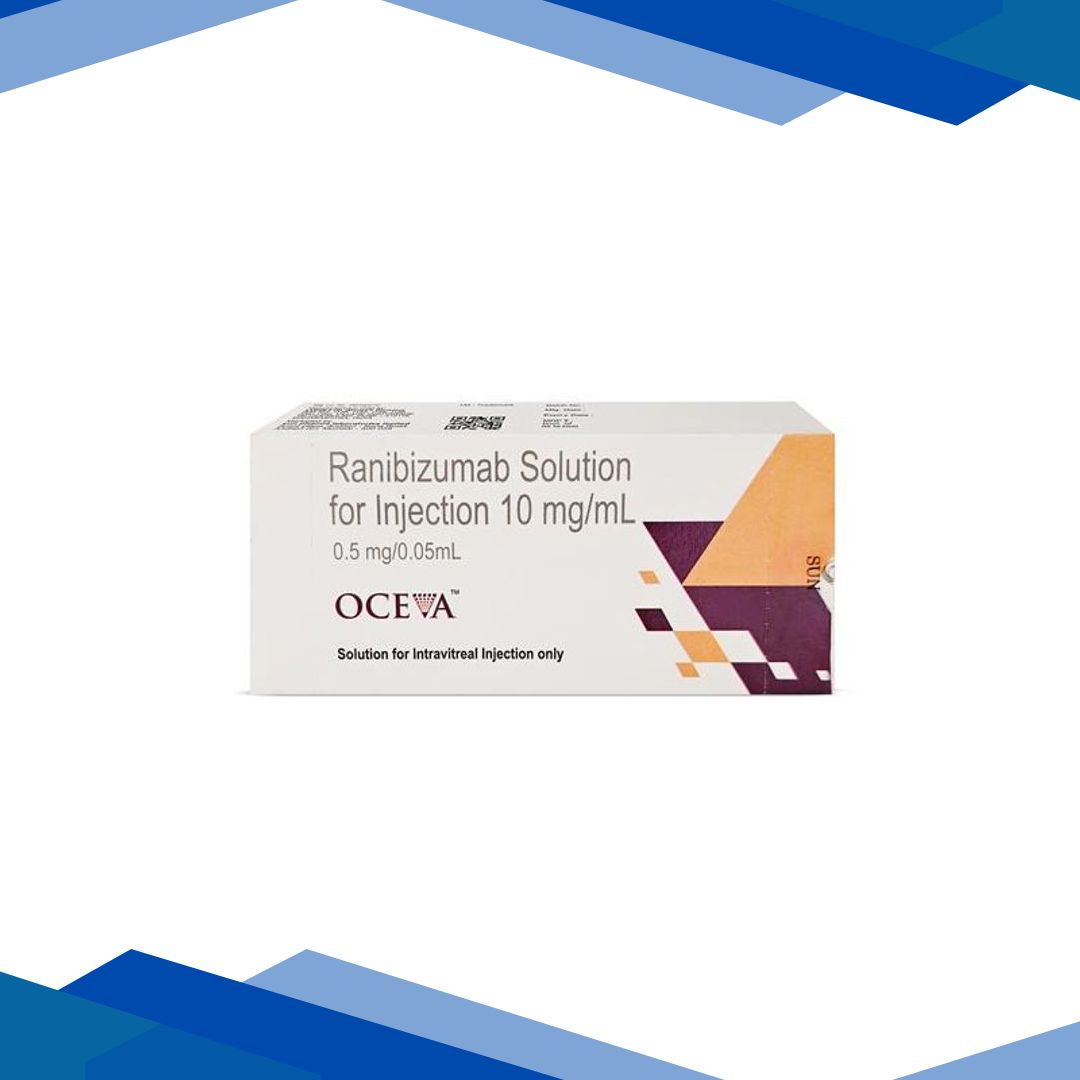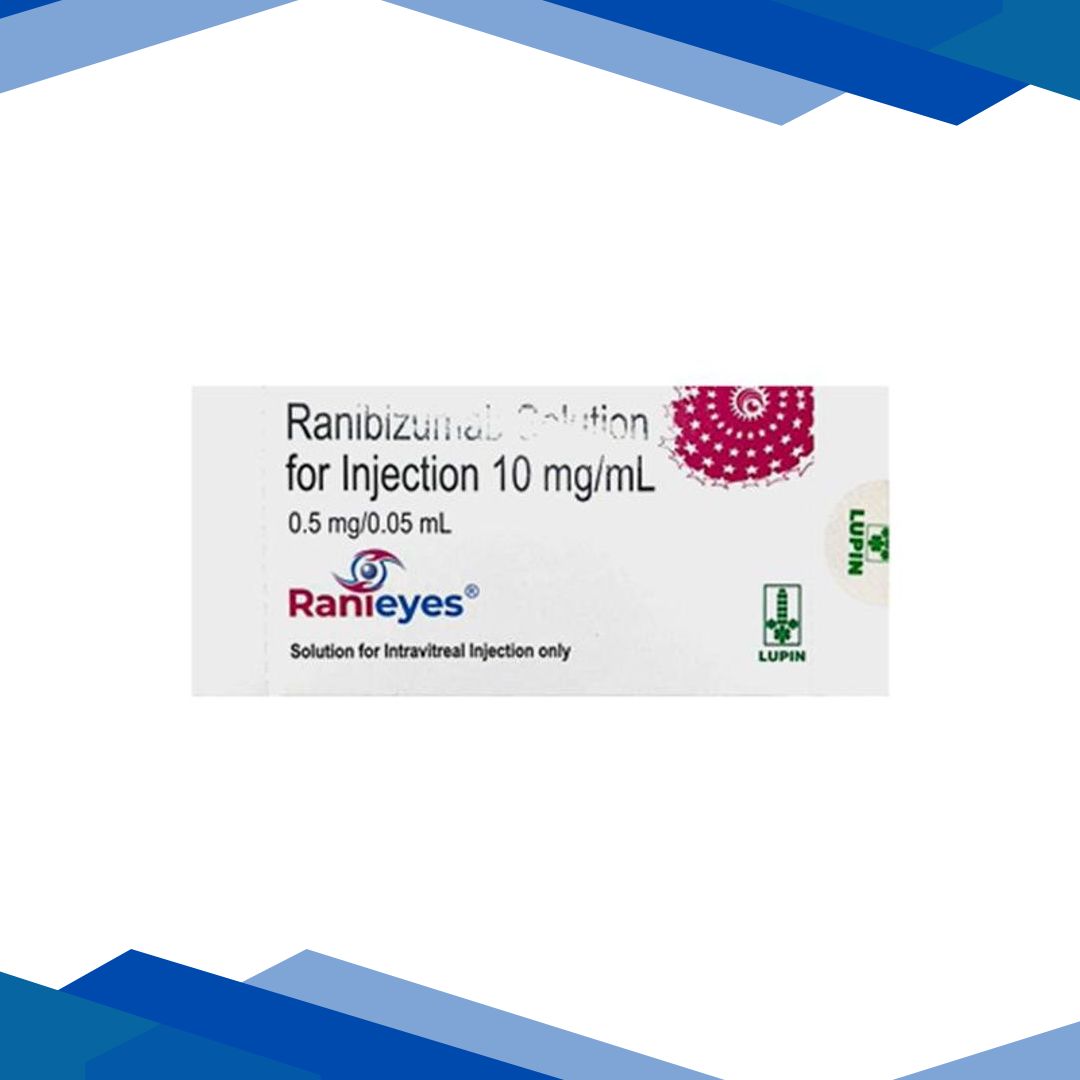
RANIEYES Injection 0.23ml
❌ Due to high demand, this product is currently out of stock. New stock will be available shortly.
👉 Click here to Buy Same Salt medicine
RANIEYES Injection is a prescription medicine used in eye care to treat certain retinal diseases that can affect vision. It works by blocking vascular endothelial growth factor (VEGF), a protein that can cause abnormal blood vessel growth and leakage inside the eye. By reducing this process, RANIEYES Injection helps decrease swelling and fluid buildup in the retina, which may improve or help preserve vision. It is commonly used for conditions such as wet age-related macular degeneration, diabetic macular edema, diabetic retinopathy, and vision loss caused by retinal vein occlusion. Because it acts directly in the eye and targets the underlying disease process, it is an important treatment when monitored by an eye specialist.
Description
RANIEYES Injection is a prescription medicine used in ophthalmology to treat several serious eye diseases that can threaten vision. it is a laboratory-produced monoclonal antibody fragment designed to block vascular endothelial growth factor a (vegf-a), a protein that plays a major role in the growth of abnormal blood vessels and the leakage of fluid in the eye. by reducing this abnormal blood vessel growth and leakage, RANIEYES Injection helps slow disease progression, reduce swelling in the retina, and preserve vision in selected patients.
this medicine is administered as an intravitreal injection, meaning it is injected directly into the vitreous cavity of the eye by a trained eye specialist under sterile conditions. because it acts locally in the eye, it is used for conditions where vegf-driven leakage, swelling, or abnormal vessel formation damages the retina or macula. it is not a general pain reliever or antibiotic; it is a targeted biologic therapy for specific retinal disorders.
RANIEYES Injection is commonly used in adults with conditions such as neovascular age-related macular degeneration, diabetic macular edema, diabetic retinopathy, macular edema following retinal vein occlusion, and certain cases of myopic choroidal neovascularization. in some regions and clinical situations, it may also be used for other retinal vascular diseases based on specialist judgment. the overall goal of treatment is to stabilize or improve vision, reduce retinal swelling, and limit further structural damage to the eye.
because the medicine is injected into the eye, treatment requires careful monitoring before and after each injection. patients are usually evaluated with eye examinations and imaging such as optical coherence tomography. the frequency of treatment varies depending on the condition, disease activity, and the doctor’s plan. even though the treatment can be very effective, it does not cure the underlying disease permanently, and ongoing follow-up is often necessary to maintain benefit.
ingredients
- RANIEYES Injection: the active ingredient. it is a recombinant humanized monoclonal antibody fragment that binds vegf-a and prevents it from interacting with its receptors. this reduces abnormal blood vessel growth, leakage, and retinal swelling that can lead to vision loss.
- buffering agents: help maintain the solution at a safe ph so the medicine remains stable and suitable for ocular use.
- salt components: support the physical and chemical stability of the injection solution and help keep it compatible with the eye.
- water for injection: serves as the sterile vehicle in which the active medicine is prepared for intravitreal administration.
key uses
- neovascular age-related macular degeneration (wet amd): helps control abnormal blood vessel growth under the retina that can leak fluid or blood and cause central vision loss.
- diabetic macular edema: reduces retinal swelling caused by diabetes-related leakage from small retinal blood vessels, which may improve or preserve vision.
- diabetic retinopathy: in selected patients, it helps reduce vegf-driven damage and abnormal vessel activity associated with advanced diabetic eye disease.
- macular edema following retinal vein occlusion: can help lessen swelling in the macula when a retinal vein blockage disrupts normal fluid drainage and blood flow.
- myopic choroidal neovascularization: used in some cases of pathologic myopia to inhibit abnormal vessel growth beneath the retina that can impair vision.
- other specialist-directed retinal vascular conditions: an ophthalmologist may consider it for additional vegf-mediated eye disorders when clinically appropriate.
how to use
RANIEYES Injection is given only by a qualified eye specialist as an intravitreal injection. it is not taken by mouth, applied to the skin, or used as ordinary eye drops. the injection is performed in a clinic or procedure setting using sterile technique, usually after the eye is cleaned and numbed. because it is an eye injection, the procedure itself and the follow-up examinations are important parts of treatment. patients may be asked to return regularly so the doctor can assess vision, retinal swelling, and whether additional injections are needed.
the exact treatment schedule depends on the condition being treated and how the eye responds. some patients may need injections more frequently at first, followed by individualized maintenance treatment. it is essential to attend all appointments even if vision seems stable, because retinal disease can worsen without obvious symptoms early on. patients should follow their specialist’s instructions carefully and report any new eye pain, sudden redness, light sensitivity, floaters, flashes, or worsening vision promptly after injection.
safety information
- warnings: RANIEYES Injection must be administered under strict sterile conditions by an experienced ophthalmic professional. one of the most serious risks is infection inside the eye, known as endophthalmitis, which can cause severe pain and vision loss if not treated quickly. other important risks include increased eye pressure after injection, retinal detachment, inflammation inside the eye, cataract-related injury, and bleeding within the eye. patients should seek urgent medical attention if they develop severe pain, marked redness, sudden vision decline, sensitivity to light, or a new shower of floaters after treatment.
- side effects: common side effects may include mild eye irritation, eye redness, blurred vision shortly after the procedure, eye pain or discomfort, feeling like something is in the eye, increased tearing, and temporary floaters. more serious side effects can include endophthalmitis, severe intraocular inflammation, retinal tear or detachment, lens injury, significant rise in intraocular pressure, and less commonly systemic effects such as arterial thromboembolic events. although systemic exposure is lower than with many other medicines, serious complications can still occur and must be monitored.
- precautions: patients with a history of eye infection, inflammation inside the eye, recent eye surgery, or allergy to any component of the formulation should inform their specialist before treatment. caution is needed in people who have had stroke, heart attack, or other clotting-related problems, as vegf inhibitors may theoretically increase thromboembolic risk. people with active infections anywhere in the body should tell their doctor, because treatment may need to be postponed depending on clinical circumstances. it is important not to rub the eye after injection and to follow post-procedure instructions exactly.
- pregnancy/breastfeeding: safety data in pregnancy are limited. because vegf has important roles in normal blood vessel development, use during pregnancy should be considered only when clearly needed and when the expected benefit outweighs the potential risk. patients who are pregnant, planning to become pregnant, or breastfeeding should discuss this carefully with their eye specialist and obstetric clinician. a personalized risk-benefit assessment is important before treatment is started or continued.
- interactions: since RANIEYES Injection is delivered directly into the eye, classic drug-drug interactions are less prominent than with oral medicines, but interactions and additive risks can still matter. patients should tell their doctor about all medicines, including blood thinners, antiplatelet agents, and other eye treatments. alcohol does not usually interact directly with the medicine, but heavy alcohol use may worsen overall health and diabetes control, which can indirectly affect eye disease. any concurrent eye infection, inflammation, or recent ocular procedure should also be reported before treatment.
additional information
- storage: store exactly as directed by the product label and healthcare facility instructions. the medicine should generally be kept refrigerated and protected from light, and it must not be frozen unless the manufacturer specifically allows otherwise. it should remain in its original packaging until preparation for use. because this is a sterile injectable product, any vial or prefilled syringe handled outside proper storage conditions should be assessed by a healthcare professional before use.
- missed dose: if an appointment for an injection is missed, the patient should contact the eye clinic as soon as possible to reschedule. do not attempt to self-administer or “make up” the dose independently. the specialist will determine the best timing based on the condition, eye findings, and current disease activity. delays may allow swelling or abnormal vessel growth to worsen, so follow-up should not be postponed unnecessarily.
- overdose: overdose is unlikely in the usual sense because the medicine is administered by a trained professional in a controlled setting. however, giving too much, injecting incorrectly, or using contaminated product could increase the risk of serious eye complications such as inflammation, pressure rise, or infection. if an unusual amount has been administered or a procedure error is suspected, urgent ophthalmic evaluation is needed. patients should seek immediate medical care if severe pain, sudden loss of vision, or pronounced eye redness occurs.
- habit forming: no. RANIEYES Injection is not known to be habit forming or addictive. it does not produce dependence or craving. however, repeated treatment may be necessary because the underlying retinal disease is chronic and can recur or continue to progress if not monitored and managed appropriately.
frequently asked questions
Q: what is RANIEYES Injection used for?
A: RANIEYES Injection is used to treat several vision-threatening retinal diseases, especially those caused by abnormal blood vessel growth or fluid leakage, such as wet age-related macular degeneration, diabetic macular edema, diabetic retinopathy, and macular edema after retinal vein occlusion.
Q: how does RANIEYES Injection work in the eye?
A: it blocks vegf-a, a protein that promotes abnormal blood vessel formation and leakage. by reducing this activity, it helps decrease retinal swelling and may preserve or improve vision.
Q: is RANIEYES Injection an eye drop or an injection?
A: RANIEYES Injection is given as an injection into the eye by a trained ophthalmologist. it is not used as an ordinary eye drop or taken by mouth.
Q: can RANIEYES Injection improve vision?
A: in many patients, it can help stabilize vision and may improve it if swelling or leakage decreases. results vary depending on the disease stage and how well the eye responds to treatment.
Q: what are the common side effects after injection?
A: common effects can include mild eye redness, irritation, temporary blurred vision, discomfort, tearing, or the sensation of a foreign body in the eye. these usually improve, but persistent or severe symptoms should be reported.
Q: what serious problems should i watch for after treatment?
A: seek urgent care for severe eye pain, sudden decrease in vision, increasing redness, sensitivity to light, flashes, floaters, or discharge, as these may indicate infection, inflammation, or retinal complications.
Q: is RANIEYES Injection safe during pregnancy?
A: its safety in pregnancy is not well established. it should be used only if the doctor believes the benefits outweigh the possible risks, and this decision should be made with medical guidance.
Q: can i drive after receiving RANIEYES Injection?
A: vision may be temporarily blurred after the injection, so driving is usually not recommended immediately afterward. it is best to arrange transportation and wait until your eye doctor says it is safe.
Q: does RANIEYES Injection cure eye disease permanently?
A: no. it helps control the disease and reduce damage, but many retinal conditions are chronic and require ongoing monitoring and repeat treatment to maintain the benefit.
Q: what should i do if i miss a follow-up appointment?
A: contact your eye clinic as soon as possible to reschedule. timely follow-up is important because retinal disease can worsen even when symptoms are not obvious.
this information is for educational purposes only and should not be considered medical advice. always consult a qualified healthcare professional before use.
At Gem Pharmacy, we make every effort to provide accurate, expert-written, and thoroughly reviewed information related to medicines. However, this information should not be considered a substitute for professional medical advice, diagnosis, or treatment from a qualified doctor.
The purpose of this information is to educate users and improve communication between patients and healthcare professionals. It should not be used to diagnose or treat any condition.
Always consult a certified healthcare professional before taking any medication.


Related products