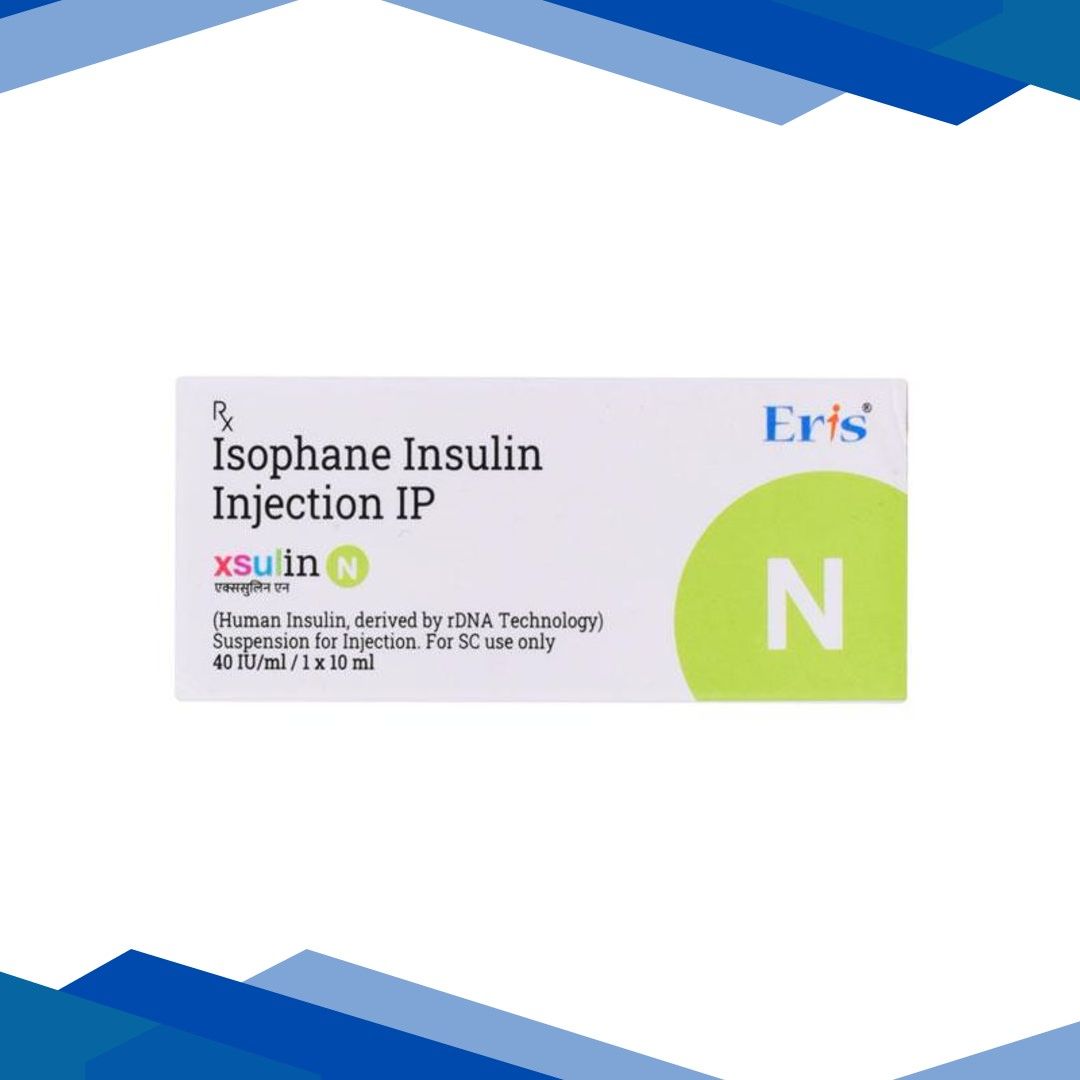
Recosulin N 100IU Injection 10ml
❌ Due to high demand, this product is currently out of stock. New stock will be available shortly.
👉 Click here to Buy Same Salt medicine
Recosulin N 100IU Injection is a medium-acting insulin used to help control blood sugar levels in people with diabetes. It works by replacing or supplementing the insulin the body does not make enough of, allowing glucose to move from the blood into the body’s cells for energy. After injection, it starts working gradually and provides a steady effect over several hours, which helps maintain more stable blood sugar between meals and overnight. Recosulin N 100IU Injection is commonly used in the treatment of diabetes mellitus, especially when long-lasting blood sugar control is needed. It may be used alone or together with other diabetes medicines as part of a treatment plan advised by a healthcare professional. Regular monitoring of blood sugar is important to use it safely and effectively.
Description
Recosulin N 100IU Injection is an intermediate-acting insulin preparation used to help control blood sugar levels in people with diabetes. it is commonly prescribed when the body does not make enough insulin on its own or cannot use insulin effectively. by replacing or supplementing the body’s natural insulin, it helps glucose move from the bloodstream into the body’s cells, where it can be used for energy. this can reduce high blood sugar and help prevent both short-term and long-term complications of diabetes.
this medicine is designed to work more slowly and last longer than rapid-acting or short-acting insulin. because of this, it is often used as part of a daily diabetes management plan, sometimes in combination with other insulin types or oral antidiabetic medicines. it is not used to treat sudden severe hyperglycemia or diabetic emergencies on its own. instead, it is a maintenance insulin that helps provide a steadier effect over many hours, making it useful for background blood sugar control.
Recosulin N 100IU Injection works by binding to insulin receptors on cells and enabling glucose uptake, while also reducing glucose production by the liver. it can also help decrease the breakdown of fat and protein, which is important in diabetes control. the onset, peak, and duration of effect can vary from person to person and depend on factors such as injection site, dose, physical activity, food intake, and overall health. for this reason, it is important to use it exactly as directed and to monitor blood glucose regularly.
this medicine is intended for people with diabetes who require insulin therapy, including many individuals with type 1 diabetes and some with type 2 diabetes who need additional glucose control. it may also be used in certain pregnancy-related diabetes cases or other specific clinical situations when a healthcare professional recommends insulin therapy. because insulin treatment must be individualized, the exact schedule and monitoring plan should always be determined by a qualified healthcare professional.
ingredients
- Recosulin N 100IU Injection: the active ingredient that lowers blood glucose by replacing the body’s natural insulin. it is formulated as an intermediate-acting insulin, meaning it is absorbed more slowly and provides longer-lasting blood sugar control than regular short-acting insulin. its main benefit is helping maintain more stable glucose levels between meals and overnight when used appropriately.
- protamine component: in many Recosulin N 100IU Injection formulations, protamine is used to slow the absorption of insulin from the injection site. this delayed release is what gives the medicine its intermediate duration of action. the presence of protamine helps create a more prolonged effect rather than a rapid spike.
- zinc: zinc may be included to help stabilize the insulin preparation and influence its release rate. it supports the formulation’s consistency and contributes to the controlled absorption profile.
- buffers and tonicity agents: these help maintain the correct ph and make the solution or suspension more suitable for injection. they do not treat diabetes directly, but they are important for product stability and patient tolerability.
- preservatives and excipients: depending on the product, additional inactive ingredients may be included to maintain sterility, extend shelf life, and ensure proper suspension. these ingredients vary by manufacturer and should be reviewed if a patient has known sensitivities.
key uses
- management of type 1 diabetes: used as part of insulin replacement therapy in people whose pancreas produces little or no insulin. it helps control blood sugar as a basal, longer-acting insulin component in an overall regimen.
- management of type 2 diabetes when insulin is needed: helpful for individuals whose blood sugar remains elevated despite diet, exercise, and non-insulin medicines, or when diabetes progresses and more insulin support is required.
- basal blood glucose control: provides background insulin coverage, especially between meals and during the night, helping reduce fasting and pre-meal hyperglycemia.
- diabetes in pregnancy when recommended: in some cases, insulin therapy is preferred to maintain tighter blood sugar control during pregnancy, under close medical supervision.
- combination insulin therapy: may be used alongside rapid-acting insulin to help cover both meal-related spikes and long-acting baseline needs, depending on the individualized treatment plan.
how to use
Recosulin N 100IU Injection is usually given by subcutaneous injection, meaning it is injected into the fatty tissue under the skin. it should be used exactly as prescribed by a healthcare professional, since the timing, dose, and injection schedule must be tailored to the person’s blood sugar pattern, diet, activity level, and other medicines. it is generally important to follow a consistent routine, because changes in meal timing, exercise, or injection timing can affect blood glucose control.
before use, the suspension usually needs to be mixed gently as instructed so the insulin is evenly distributed. do not shake aggressively unless specifically directed by the product instructions, because this may damage the formulation and create air bubbles. the injection site is often rotated between the abdomen, thigh, upper arm, or buttocks to reduce the risk of skin thickening or lumps. rotating sites helps ensure more predictable absorption and reduces local irritation.
blood glucose monitoring is an essential part of therapy. depending on the treatment plan, a person may need to check fasting glucose, pre-meal levels, bedtime levels, or additional readings if they feel unwell. carrying a source of fast-acting sugar is important in case low blood sugar occurs. a healthcare professional should also provide guidance on recognizing symptoms of hypoglycemia, adjusting meals during illness, and what to do if a dose is delayed or if food intake is reduced.
Recosulin N 100IU Injection should never be shared with another person, even if needles are changed, because doing so can spread serious infections. it should also be administered using proper sterile technique and the correct injection device recommended for the product. if there is any uncertainty about preparation, mixing, or injection technique, a pharmacist, nurse, or diabetes educator should be consulted for hands-on instruction.
safety information
- warnings: the most important safety concern is hypoglycemia, or low blood sugar, which can become severe and dangerous if not treated promptly. symptoms may include sweating, shakiness, hunger, dizziness, palpitations, confusion, headache, blurred vision, or irritability. severe hypoglycemia can cause seizures, unconsciousness, or death. blood glucose monitoring and meal planning are critical to reduce this risk. another important warning is that insulin needs may change during illness, stress, infection, or changes in activity, so ongoing monitoring is necessary.
- side effects: common side effects may include low blood sugar, mild swelling, weight gain, redness or itching at the injection site, and minor skin reactions. some people may develop lipodystrophy, which means thickening or thinning of the fatty tissue under the skin at injection sites, especially if the same site is used repeatedly. serious side effects can include severe hypoglycemia, allergic reactions, widespread rash, difficulty breathing, rapid swelling, or severe changes in potassium levels.
- precautions: use with extra caution in people who have kidney or liver disease, because insulin requirements may change and the risk of hypoglycemia can be higher. caution is also needed in older adults, people with irregular meal patterns, those who drink alcohol, and individuals with a history of severe low blood sugar or impaired awareness of hypoglycemia. people with recurrent skin reactions or suspected allergy to insulin or any formulation component should seek medical advice.
- pregnancy/breastfeeding: insulin is commonly used during pregnancy because maintaining good blood sugar control is essential for both mother and baby. however, pregnancy can change insulin needs, so close monitoring by a healthcare professional is required. during breastfeeding, insulin is generally considered compatible, but blood sugar levels should still be monitored carefully because insulin requirements may change after delivery.
- interactions: many medicines can affect blood sugar or mask symptoms of hypoglycemia. examples include certain diabetes medicines, beta-blockers, corticosteroids, some diuretics, thyroid medicines, mao inhibitors, some antidepressants, and some antipsychotics. alcohol can increase the risk of low blood sugar, especially if taken without food. because interactions are common and clinically important, patients should tell their healthcare professional about all prescription medicines, over-the-counter products, and supplements they use.
additional information
- storage: store according to the product label and pharmacist instructions. many insulin products should be kept refrigerated before first use, but they must not be frozen. in-use products are often kept at room temperature for a limited period, depending on the manufacturer’s guidance. protect from excessive heat and direct light. do not use insulin that appears unusually clumped, discolored, frozen, or contaminated, unless the product instructions say otherwise.
- missed dose: if a dose is missed, the best action depends on how late it is and what the blood sugar reading is. do not double the next dose unless specifically instructed by a healthcare professional. because taking too much insulin can cause dangerous hypoglycemia, guidance should be individualized. if a dose is missed, blood sugar should be checked and medical advice sought if there is uncertainty about what to do.
- overdose: too much insulin can cause low blood sugar, which may start with shakiness, sweating, weakness, and confusion and can progress to seizures or loss of consciousness. immediate treatment with fast-acting carbohydrates may help if the person is awake and able to swallow. severe cases require emergency medical attention. family members and caregivers should know how to respond and when to call emergency services.
- habit forming: no. Recosulin N 100IU Injection is not habit forming or addictive. however, it is often a long-term medicine for chronic diabetes management, so it should be used consistently as prescribed and not stopped suddenly without medical advice.
frequently asked questions
Q: what is Recosulin N 100IU Injection used for?
A: Recosulin N 100IU Injection is used to help control blood sugar in people with diabetes. it provides intermediate-acting insulin coverage and is often part of a broader treatment plan that may include diet, exercise, blood glucose monitoring, and sometimes other diabetes medicines.
Q: how does Recosulin N 100IU Injection work in the body?
A: it works by replacing or supplementing the body’s natural insulin. this helps glucose move from the blood into the cells, lowers the amount of glucose produced by the liver, and supports steadier blood sugar control over many hours.
Q: can Recosulin N 100IU Injection cause low blood sugar?
A: yes. hypoglycemia is one of the most important risks with any insulin medicine. it can happen if meals are skipped, activity increases, the dose is too high, or alcohol is consumed. symptoms should be recognized early and treated promptly.
Q: when is the best time to use Recosulin N 100IU Injection?
A: the timing depends on the individual treatment plan. it is often used once or twice daily as background insulin, and the exact schedule should be set by a healthcare professional based on blood sugar patterns and overall diabetes management goals.
Q: do i need to mix Recosulin N 100IU Injection before injection?
A: many Recosulin N 100IU Injection products are suspensions that need gentle mixing before use so the insulin is evenly distributed. the product instructions should be followed carefully, and a pharmacist can demonstrate the correct technique.
Q: can i inject Recosulin N 100IU Injection into the same place every time?
A: it is better to rotate injection sites to reduce the risk of skin thickening, lumps, or uneven absorption. a healthcare professional can show how to rotate sites safely while keeping the process consistent.
Q: what should i do if i feel symptoms of low blood sugar?
A: check your blood sugar if possible and take fast-acting sugar if you are awake and able to swallow. if symptoms are severe, do not improve, or you become confused or unconscious, seek emergency medical help right away.
Q: is Recosulin N 100IU Injection safe during pregnancy?
A: insulin is commonly used in pregnancy when medically necessary because good blood sugar control is very important. however, insulin needs can change during pregnancy, so frequent monitoring and close medical supervision are essential.
Q: can alcohol be taken while using Recosulin N 100IU Injection?
A: alcohol can increase the risk of low blood sugar, especially if taken on an empty stomach or in larger amounts. if alcohol is consumed at all, it should be discussed with a healthcare professional as part of the diabetes care plan.
Q: does Recosulin N 100IU Injection treat diabetes permanently?
A: no. it helps manage blood sugar, but it does not cure diabetes. ongoing treatment, monitoring, healthy eating, physical activity, and regular follow-up are usually needed to maintain control.
Q: what if the insulin looks different than usual?
A: do not use it if you notice unusual clumping, discoloration, freezing damage, or anything that suggests the product may be contaminated or expired. contact a pharmacist or healthcare professional for advice before using it.
Q: can i stop Recosulin N 100IU Injection if my blood sugar is normal?
A: do not stop insulin on your own, even if readings improve. blood sugar may rise again if treatment is interrupted. any dose changes or discontinuation should only be done under medical supervision.
this information is for educational purposes only and should not be considered medical advice. always consult a qualified healthcare professional before use.
At Gem Pharmacy, we make every effort to provide accurate, expert-written, and thoroughly reviewed information related to medicines. However, this information should not be considered a substitute for professional medical advice, diagnosis, or treatment from a qualified doctor.
The purpose of this information is to educate users and improve communication between patients and healthcare professionals. It should not be used to diagnose or treat any condition.
Always consult a certified healthcare professional before taking any medication.


Related products