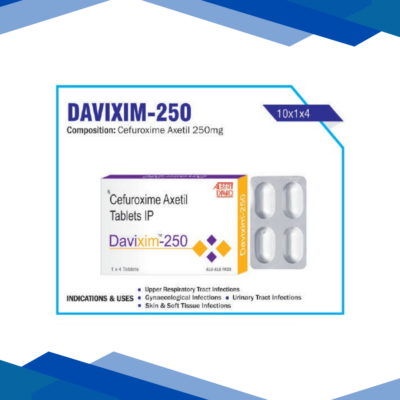
SANRICA 500 Tablet 10’s
❌ Due to high demand, this product is currently out of stock. New stock will be available shortly.
👉 Click here to Buy Same Salt medicine
SANRICA 500 Tablet is an antibiotic used to treat certain bacterial infections. It works by stopping bacteria from building a protective cell wall, which weakens the bacteria and helps the body clear the infection. It is commonly prescribed for infections such as those affecting the lungs, throat, ears, skin, urinary tract, and sinuses. SANRICA 500 Tablet only works against bacteria, so it is not useful for viral illnesses like the common cold or flu. It is often chosen when a doctor needs a dependable medicine for common bacterial infections. Because antibiotic use should be guided by a healthcare professional, SANRICA 500 Tablet should be taken only when prescribed to ensure it is the right treatment for the infection.
Description
SANRICA 500 Tablet is a cephalosporin antibiotic used to treat a wide range of bacterial infections. it works by stopping bacteria from building a strong protective cell wall, which causes the bacteria to weaken and die. because of this action, SANRICA 500 Tablet is effective only against bacterial infections and does not work for viral illnesses such as the common cold, flu, or most sore throats caused by viruses. it is commonly prescribed when a healthcare professional suspects or confirms an infection caused by susceptible bacteria.
this medicine is known for its broad antibacterial coverage within the cephalosporin group and is used in both community and hospital settings. it may be chosen for infections involving the respiratory tract, ears, sinuses, skin, urinary tract, and in some situations, other bacterial infections depending on local resistance patterns and the judgment of the clinician. like all antibiotics, it should be used carefully and only when truly needed, because unnecessary use can reduce its effectiveness over time by contributing to antibiotic resistance.
SANRICA 500 Tablet is generally well tolerated, but as with any antibiotic, it can cause side effects and may not be appropriate for everyone. people with a history of allergy to cephalosporins, and in some cases those with serious penicillin allergies, need special medical guidance before using it. correct selection, proper use, and completing the full course when prescribed are important to help ensure the infection is treated effectively and to reduce the chance of relapse or resistance.
ingredients
- SANRICA 500 Tablet: the active ingredient responsible for the antibiotic effect. it inhibits bacterial cell wall synthesis, which disrupts the integrity of the bacteria and leads to their destruction. this is the main component that treats the infection.
- inactive ingredients: depending on the specific product form, SANRICA 500 Tablet may contain additional non-medicinal ingredients that help with tablet formation, coating, stability, taste, or suspension preparation. these do not treat the infection directly but support proper delivery, storage, and usability of the medicine.
key uses
- respiratory tract infections: SANRICA 500 Tablet may be used for bacterial infections of the throat, tonsils, bronchi, or lungs when caused by susceptible organisms. it can help reduce symptoms such as cough, fever, and chest discomfort when the infection is bacterial.
- ear infections: it may be prescribed for bacterial ear infections, especially in children or adults when the cause is likely to respond to this antibiotic. it helps control inflammation and infection-related pain over time.
- sinus infections: in bacterial sinusitis, SANRICA 500 Tablet can help clear the infection and relieve pressure, facial pain, nasal congestion, and thick discharge when antibiotics are appropriate.
- skin and soft tissue infections: it may be used to treat certain bacterial skin infections such as cellulitis or infected wounds. its role is to reduce spread of infection and support healing.
- urinary tract infections: SANRICA 500 Tablet may be used in some urinary infections caused by bacteria that are sensitive to it. it can help relieve burning during urination, frequency, and discomfort caused by infection.
- other susceptible bacterial infections: in selected cases, clinicians may use it for other infections based on culture results, local resistance patterns, and clinical assessment. the exact choice depends on the type of bacteria involved.
how to use
SANRICA 500 Tablet should be used exactly as directed by a healthcare professional. the form of the medicine, such as tablet or oral suspension, and the timing of doses may vary depending on the infection being treated, the patient’s age, kidney function, and overall health status. it is usually taken by mouth, and many patients are advised to take it after food because this may improve absorption and reduce stomach upset. if you are using a liquid form, shake it well before each dose and use a proper measuring device rather than a household spoon to ensure accuracy.
for best results, try to take SANRICA 500 Tablet at evenly spaced times if it has been prescribed on a regular schedule. completing the full course is very important, even if symptoms improve earlier, because stopping too soon may allow the bacteria to survive and return. do not use it for viral illnesses, and do not share it with others, even if their symptoms seem similar. if you are unsure how to take it, whether with food, or how to handle missed doses, ask a pharmacist or doctor for individualized guidance.
safety information
- warnings: SANRICA 500 Tablet should be used only for bacterial infections that are likely to respond to it. misuse can lead to treatment failure and antibiotic resistance. seek medical advice if symptoms worsen, persist, or if you develop severe diarrhea, rash, breathing difficulty, or swelling, as these may indicate a serious reaction. people with a history of allergy to cephalosporins should not take it unless advised by a doctor. in patients with kidney problems, dose adjustment or closer monitoring may be needed.
- side effects: common side effects may include nausea, vomiting, diarrhea, stomach discomfort, headache, and altered taste. some people may also experience mild skin rash or yeast overgrowth due to changes in normal bacteria. serious side effects are uncommon but can include severe allergic reactions, extensive skin rash, c. difficile-associated diarrhea, liver enzyme changes, blood count abnormalities, or seizures in rare cases, especially if high levels build up in the body.
- precautions: use caution if you have a history of penicillin allergy, asthma, kidney disease, gastrointestinal disease, or previous antibiotic-associated colitis. inform your healthcare provider about all medical conditions and all medicines you take. if you have a history of severe allergy to beta-lactam antibiotics, a doctor should assess whether SANRICA 500 Tablet is appropriate. older adults and those with weakened health may need monitoring for side effects.
- pregnancy/breastfeeding: SANRICA 500 Tablet is often considered acceptable in pregnancy when clearly needed, but the decision should always be made by a healthcare professional. it may pass into breast milk in small amounts; breastfeeding is usually possible, but infants should be monitored for diarrhea, thrush, or unusual feeding changes. always consult your clinician before use during pregnancy or while nursing.
- interactions: SANRICA 500 Tablet may interact with certain medicines, including drugs that affect kidney function or strong antibiotics used for other infections, so a full medication review is important. antacids, acid-reducing medicines, or certain supplements may reduce absorption of some oral antibiotics, so ask how to space doses if needed. alcohol does not have a classic severe interaction with SANRICA 500 Tablet, but drinking may worsen stomach upset or make recovery less comfortable, so moderation or avoidance during illness is often wise.
additional information
- storage: store SANRICA 500 Tablet in a cool, dry place away from direct sunlight and moisture, and keep it out of reach of children. if you have an oral suspension, follow the product-specific storage instructions carefully because some liquid formulations may require refrigeration after reconstitution while others do not. do not freeze unless the label specifically allows it.
- missed dose: if you miss a dose, take it as soon as you remember unless it is almost time for the next scheduled dose. if it is close to the next dose, skip the missed dose and continue with your regular schedule. do not take extra medicine to make up for a missed dose, as that may increase the risk of side effects.
- overdose: taking too much SANRICA 500 Tablet may cause severe nausea, vomiting, diarrhea, stomach pain, or unusual nervous system effects such as agitation or, in rare cases, seizures. if an overdose is suspected, seek urgent medical help or contact a poison control center immediately. bring the medicine package or label so clinicians can identify the product and amount taken.
- habit forming: no. SANRICA 500 Tablet is not habit-forming and does not cause dependence. however, it should still be used responsibly and only when medically necessary to protect both individual health and broader antibiotic effectiveness.
frequently asked questions
Q: what is SANRICA 500 Tablet used for?
A: SANRICA 500 Tablet is an antibiotic used to treat certain bacterial infections such as infections of the respiratory tract, ears, sinuses, skin, and urinary tract. it only works against bacteria and will not treat viral infections.
Q: should SANRICA 500 Tablet be taken with food?
A: many oral forms of SANRICA 500 Tablet are taken after food because this can improve absorption and may reduce stomach upset. always follow the instructions given on the prescription or by your pharmacist, as directions may vary by product.
Q: can SANRICA 500 Tablet cause diarrhea?
A: yes. diarrhea is a fairly common side effect of antibiotics, including SANRICA 500 Tablet. mild diarrhea may improve on its own, but severe, persistent, or watery diarrhea needs medical attention because it can sometimes signal a more serious intestinal infection.
Q: is SANRICA 500 Tablet safe for people with penicillin allergy?
A: not always. some people with penicillin allergy can also react to cephalosporins like SANRICA 500 Tablet, especially if they have had severe allergic reactions in the past. a healthcare professional should review the allergy history before use.
Q: can i stop taking SANRICA 500 Tablet when i feel better?
A: it is usually important to finish the full course prescribed by your clinician, even if you feel better early. stopping too soon may allow the infection to return and may encourage antibiotic resistance.
Q: does SANRICA 500 Tablet work for colds or flu?
A: no. SANRICA 500 Tablet is an antibiotic and does not treat viral illnesses such as colds or flu. taking antibiotics for viral infections is not helpful and can cause unnecessary side effects and resistance.
Q: what should i do if i develop a rash while taking SANRICA 500 Tablet?
A: a mild rash may occur, but any rash should be discussed with a healthcare professional. seek urgent medical help right away if the rash is severe or if you have swelling, breathing trouble, or other signs of allergy.
Q: can SANRICA 500 Tablet be used in children?
A: SANRICA 500 Tablet may be used in children for certain bacterial infections when prescribed by a pediatric clinician. the exact form and amount depend on age, weight, infection type, and medical history.
Q: what if SANRICA 500 Tablet does not improve my symptoms?
A: if symptoms do not improve or get worse, contact your healthcare provider. the infection may be caused by a resistant bacterium, may not be bacterial, or may require a different treatment approach.
Q: can alcohol be taken with SANRICA 500 Tablet?
A: there is no well-known severe direct interaction, but alcohol can worsen stomach upset and dehydration during illness. it is usually best to limit alcohol until you are feeling better and have spoken with your healthcare professional if needed.
Q: how does SANRICA 500 Tablet kill bacteria?
A: SANRICA 500 Tablet interferes with the bacteria's ability to form a stable cell wall. without that protective wall, the bacteria cannot survive and are destroyed by the body's natural defenses and the medicine's action.
Q: what are serious side effects of SANRICA 500 Tablet?
A: serious side effects are rare but can include severe allergic reactions, difficulty breathing, swelling of the face or throat, severe diarrhea, or unusual bleeding or bruising. get medical help immediately if any of these occur.
Q: can SANRICA 500 Tablet be used during pregnancy?
A: it may be used during pregnancy if a doctor decides the benefits outweigh the risks. do not take it during pregnancy without medical advice, since the safest choice depends on your specific situation.
Q: does SANRICA 500 Tablet affect the gut or cause yeast infection?
A: yes, like other antibiotics, it can disrupt normal bacteria in the body. this may lead to diarrhea or yeast overgrowth in some people, including oral thrush or vaginal yeast symptoms.
Q: what should i tell my doctor before taking SANRICA 500 Tablet?
A: tell your doctor about any antibiotic allergies, kidney problems, pregnancy or breastfeeding, all current medicines, and any previous severe diarrhea after antibiotics. this information helps your clinician choose the safest treatment.
[/faqs_dbm]
this information is for educational purposes only and should not be considered medical advice. always consult a qualified healthcare professional before use.
At Gem Pharmacy, we make every effort to provide accurate, expert-written, and thoroughly reviewed information related to medicines. However, this information should not be considered a substitute for professional medical advice, diagnosis, or treatment from a qualified doctor.
The purpose of this information is to educate users and improve communication between patients and healthcare professionals. It should not be used to diagnose or treat any condition.
Always consult a certified healthcare professional before taking any medication.


Related products