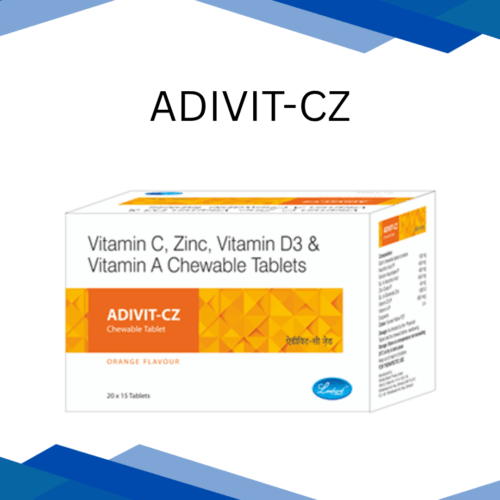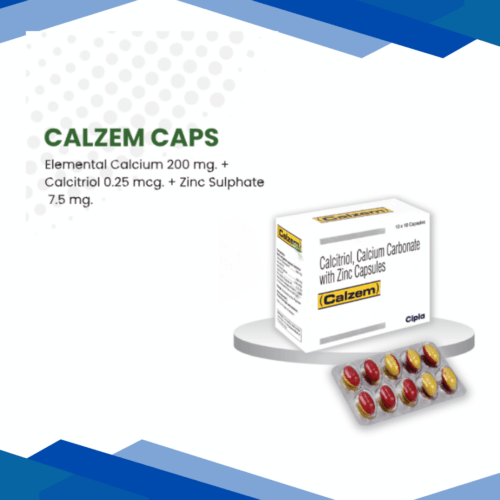



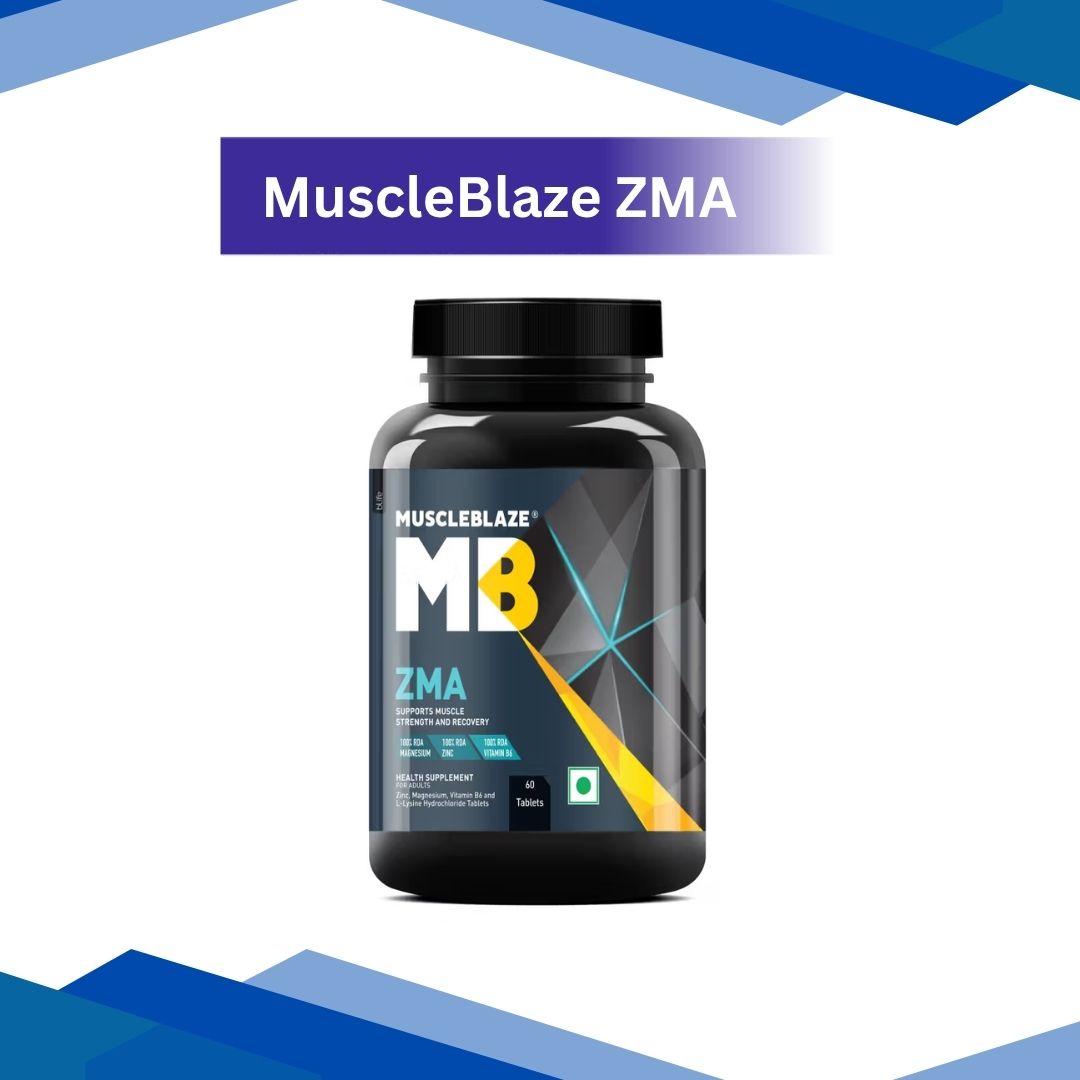
MuscleBlaze ZMA | With Magnesium, Zinc & Vitamin B6 | For Muscle Recovery | Tablet
MuscleBlaze MB ZMA with Magnesium, Zinc & Vitamin B6 for Muscle, Strength & Recovery Tablet Athletes and bodybuilders may have lower zinc and magnesium levels in their bodies because of restrictive diets or lose these minerals through excessive sweat and urination. Thus, fulfilling the micronutrient gap is crucial for better performance and overall health. MuscleBlaze ZMA supplement with zinc, magnesium, and vitamin B6. For more details kindly click on Medicine Salts Below:
Magnesium
Magnesium (Elemental) Tablets / Capsules
Magnesium is an essential dietary mineral which is involved in more than 300 biochemical reactions in the human system. Magnesium is often termed the "Master Mineral" and is crucial in the maintaining of normal muscle and nerve function, supporting a healthy immune system, and regulating the heartbeat. As the body can't produce Magnesium on its own, it is crucial to lead a daily life with proper Magnesium levels through supplementation or diet for bone density and blood glucose regulation.
Therapeutic Claims
Support Muscle & Nervous System: Magnesium acts as a natural calcium-blocker to help relax muscles after contracting, preventing the occurrence of cramps and spasms.
Bone Mineralization: Magnesium works in harmony with calcium and Vitamin D3 to strengthen bone architecture and prevent osteoporosis.
Cardiovascular Health: Magnesium helps in the regulation of blood pressure and supports a healthy heart rate (prevent arrhythmia).
Neurological wellness boosts GABA neurotransmitter formation, which in turn allows more relaxation and better sleep.
Produces energy by being a cofactor in the conversion of food to cellular energy (ATP).
Product Specifications
Forms: Magnesium Glycinate (high absorption), Magnesium Citrate (digestive support), or Magnesium Oxide.
Category: Nutritional Supplement / Mineral.
Perfect For: Those with conditions such as muscle fatigue, chronic stress, or mineral deficiencies.
Usage Instructions
- Dosage: The standard adult dose is generally somewhere between 200 mg and 400 mg per day, depending on age and gender; however, always follow the specific prescription of your healthcare provider.
- Timing: Sleep support dose should be taken 30–60 minutes before sleep. General health dose can be taken with a meal to enhance absorption and reduce stomach upset.
- Frequency: The supplement should always be administered at the same time every single day. This then helps ensure the blood does have a stable mineral level.
Magnesium Side Effects
Magnesium is quite tolerable at proper daily doses. However, some users might face:
- Loose stools or mild diarrhea – this is common with Citrate.
- Stomach cramps or bloating.
- Nausea.
Note: Excessive exposure to an exogenous source of magnesium, including overdose from magnesium supplements, can apparently also result in toxicity. Signs and symptoms include: low blood pressure, confusion, and an irregular heartbeat. Do not exceed the suggested dose.
Precautions and Warnings
Kidney Health: Patients with compromised renal function should exercise caution. The kidneys become responsible for excreting excess magnesium.
Drug Interactions: Magnesium affects the absorption of some antibiotics (quinolones and tetracyclines) and bisphosphonates. Take magnesium and such drugs two hours apart.
Diabetes: Magnesium is excellent in terms of sugar metabolism. However, those on insulin should at the same time be carefully monitoring their levels upon commencing magnesium intake.
If you truly must know, it is due to the cheap and industrially sourced forms of magnesium like magnesium oxide and commercial magnesium citrate. Predictably, they are not absorbed by the intestines and send a "flush" through the body.
Certain varieties of magnesium are "osmotic," pulling in water into the intestines hence softening the stool and hastening bowel movements. If this happens, making the shift to a chelated form like Magnesium Glycinate solves the trouble nine times out of ten.
Q: Can magnesium help with migraines?
Clinical trials suggest that daily magnesium intake can decrease the number and severity of migraines, particularly in individuals with magnesium deficiency.
Q: How soon can I notice the results?
And as far as muscle cramps and sleep are concerned, I suppose you might notice something in a week. As for overall bone health or long-term metabolic benefits, regular use of 3 to 6 months is typically necessary.
Storage
Must be kept in a cool, dry place away from direct sunshine. The container must remain tightly close over the tablets to protect them from humidity.
Disclaimer: The published content is for informational purposes only. It is not a substitute for professional medical advice, diagnosis or treatment. Always ask your physician for information.
Vitamin B6
Vitamin B6 (Pyridoxine) Tablets
Pyridoxine, an alternate term for Vitamin B6, is a water-soluble nutrient that belongs to the B-complex family. This vitamin acts as a significant co-enzyme for more than 100 important chemical reactions in the body. From the support of brain development to a strong immune system, Vitamin B6 serves as the basic role that weaves within how the body processes proteins, fats, and carbohydrates.
Therapeutic Uses & Benefits
Neurological Support: Vital to neurotransmitter synthesis (serotonin and dopamine) for mood and sleep regulatory behavior.
Hemoglobin Production: Facilitates the formation of red blood cells, thereby preventing certain anemia types.
Morning Sickness Relief: A common recommendation by obstetricians to ease nausea and vomiting during gestation.
Cardiovascular Health: Vitamin B6 is beneficial in regulating the homocysteine level in the bloodstream, an amino acid involved in heart concerns.
Boost Immunity: Makes antibodies produce stronger to help combat the body's inherent defense cells.
Product Description
Active Ingredient: Pyridoxine Hydrochloride (IP/USP).
Dosage: 10mg, 25mg, 50mg, and 100mg.
Category: Nutritional Supplement/ Vitamin B Complex.
Form: Tablets/ Capsules for oral administration.
How To Use?
Dose: As given by your physician. In general, the usual dose is once daily.
Method: Drink the tablet whole with water. The best time to take it is after a meal for maximum absorption and minishment of stomach upset.
Regular intake: Try to take the supplement at the same time of the day to maintain steady supply in your body'.
Possible Side Effects
While B6 is considered safe at the recommended doses, the use of high doses for a long time can lead to nausea or stomach pain, temporary appetite change, headache, or drowsiness.
Note: Extremely high doses (past 200mg daily for an extended amount of time) may result in peripheral neuropathy (tingling or numbness in the hands and feet).
You should stop taking Vitamin B6 and consult your healthcare provider if that happens.
Precautions/Concerns/Vitamin B6 Drug Interaction: Vitamin B6 can interfere with drugs such as Levodopa and Altretamine.
Pre-existing conditions: Mention kidney and chronic ulcer issues to your doctor.
Pregnancy: Typically used for morning sickness, vitamin B6 availability must be legislated by professionals.
FAQs
Q: Do I get enough Vitamin B6 from my diet?
Yes, getting most of their needs from chickpeas, tuna, salmon, and poultry, and bananas is fine for most people. Nonetheless, those with absorption problems, kidney disease, or certain genetic disorders might need to rely on a supplement.
Q: Will Vitamin B6 help my PMS/PMT symptoms?
There are some studies showing that Vitamin B6 is effective in alleviating some of the emotional symptoms of Premenstrual Syndrome, such as irritability and bloating, because emotional symptoms could well result from a serious hormonal imbalance.
Q: What is the difference between Pyridoxine and Pyridoxal 5-phosphate (P5P)?
Pyridoxine is the most frequently used form available in supplements that are then made in the liver into the active "co-enzyme" form of the body and are useful in deficiencies.
Q: Will vitamin B6 help to get sleep?
Have adequate levels of it so that it can help to keep the sleep-wake cycle healthy as B6 would be involved in producing melatonin (the sleep hormone) and serotonin.
Q: Should I take Vitamin B6 on an empty stomach?
You could also bring it down on an empty stomach; it is in the refrigerator and does not retain the sign of it. To avoid mild nausea that is very common with several B-vitamins when not eaten with a food meal, however, the general recommendation would still be to eat it with a full meal.
ZINC
Zinc (Elemental Zinc/Zinc Salts)
Zinc is an essential trace mineral vital for the activity of more than 300 enzymes in the human body. It plays a fundamental role in immune function, protein synthesis, wound healing, and DNA synthesis. With no specialized zinc storage system, a daily intake is necessary to maintain homeostasis. Zinc is mostly applied clinically to treat nutritional deficiencies, assist in pediatrics' growth and manage acute diarrhea.
Therapeutic Uses
Immune System Support: Acts as a gatekeeper of immune function, helping the body resist infections and reducing the duration of the common cold.
Diarrhea Management: WHO recommends zinc to reduce the severity and duration of diarrhea, particularly in children.
Skin Health & Repair: Essential for maintaining skin integrity; often used to treat acne, eczema-like rashes, and slow-healing wounds.
Sensory Function: Crucial for the maintenance of the senses of taste and smell.
Growth & Development: Synergists during growth & development, from pregnancy to childhood, & adolescence.
Key Features
Several Salt Forms: This nutritional mineral comes in Zinc Sulfate, Zinc Gluconate, and Zinc Acetate; the latter two should be preferred probably for easy GI tolerance as and when needed.
High Bioavailability: High bioavailability makes it rapidly absorbed from the small intestine.
Essential Micronutrient: Iron serves as an 'essential' mineral because it can't be made in the body.
Instructions for Use
Dosage: Per prescription from health care providers or on causal bases, one to two tablets is the recommended dose to make up the RDA of, say, 8mg for women and 11mg for men.
Timetime: One hour before or two hours after meal for maximal absorption.
Questionable Stomach? Nausea from zinc is through- add some food and this might reduce absorption a tad.
Avoid Interference: Do not take zinc with iron or calcium supplements, as these minerals compete for absorption.
Possible Side Effects
At recommended doses, side effects with Zinc are uncommon. Nonetheless, a few users may encounter the following difficulties:
GI Disturbances: Zinc Sulfate causes common nausea, vomiting, and stomach pains.
Metallic Taste: A lingering taste in the mouth will occur.
Copper Deficiency: Excessive zinc intake, longer than 40 mg/day, can be an obstruction to copper absorption, leading to anemia.
Cautions and Restriction
Drug Interactions: Zinc may interfere with the absorption of certain antibiotics (eg. Quinolones and Tetracyclines). So if you are on these medications, take them at least 2 hours before or 4–6 hours after taking Zinc.
Renal Health: Be cautious if you have kidney deficiencies, as minerals can build up.
Pregnancy & Lactation: Zinc needs are higher during these periods and supplementation should be by prescription only.
Avoid taking antacids two hours before/after your zinc dose since they may actually reduce its effectiveness.
Frequently Asked Questions (FAQs)
Q: Which is the best form of Zinc, sulfate, gluconate, or acetate?
All forms are equally good carriers of elemental zinc. Zinc sulfate tablets offer more zinc for the money and is commonly found, but zinc gluconate or acetate forms are most often desired in syrups and lozenges as they are less bitter and milder on the stomach.
Q: Can Zinc delete a common cold faster?
Yes, clinical studies show that taking Zinc lozenges or syrup less than 24 hours after the initial phase of a common cold can significantly reduce the duration and severity of a cold.
Q: How can I tell if I have Zinc deficiency?
Common signs include frequent infections, thinning of the hair, decreased appetite, changes in taste or smell, and wounds that are slow to heal among other few. If you are experiencing these symptoms, it is suggested to check with your clinician for a blood test.
Q: Can I take Zinc and Iron together?
That's correct. A large intake of iron (25mg or more) will seriously inhibit zinc absorption. It is best we supplement each with enough hours separation (e.g. morning and evening).
Q: Will it be safe to consume 50mg of zinc every day?
The "Tolerable Upper Intake Level" figure for adult consumption stands at 40 mg/mg per day. In any case, taking 50 mg/day or more on one's own overtime without any doctor's supervision will result in a copper deficiency and weakened immunity.
Storage
Store in the same fashion others are stored: dry places away from direct sunlight with the container tightly closed to prevent moisture from getting in.
Disclaimer: INFO THIS ARTICLE OFFERS IS PRESENTED IN AN INFORMATIVE WAY. IT IS NOT SUBSTITUTING FOR PROFESSIONAL MEDICAL ADVICE OR DIAGNOSIS. ALWAYS CONSULT YOUR DOCTOR BEFORE TAKING ANY NEW MINERAL SUPPLEMENT.
At Gem Pharmacy, we make every effort to provide accurate, expert-written, and thoroughly reviewed information related to medicines. However, this information should not be considered a substitute for professional medical advice, diagnosis, or treatment from a qualified doctor.
The purpose of this information is to educate users and improve communication between patients and healthcare professionals. It should not be used to diagnose or treat any condition.
Always consult a certified healthcare professional before taking any medication.


Related products