


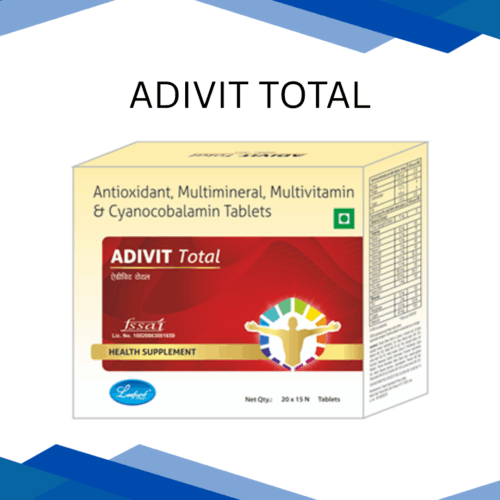
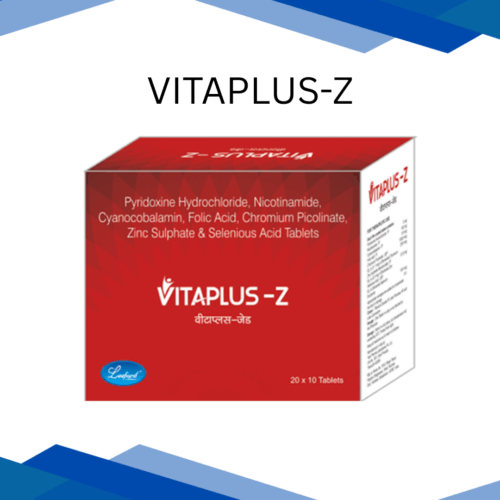
Sustainable in a competitive environment?
Cyanocobalamin (Vitamin B12)
Cyanocobalamin is manufactured in a lab and is the synthetic form of Vitamin B12—a significant water-soluble nutrient—that is obligatory for the functioning life of the brain, nerves, and production of red blood cells. Since the human body is incapable of producing its own B12, it must come from dietary sources or supplements. Cyanocobalamin is the most stable form of B12 and is usually recommended for the treatment or prevention of pernicious anemia and vitamin deficiencies generated by malabsorption, strict vegetarian diets, or certain conditions.
Therapeutic Uses:
Red Blood Cell Formation: Prevents megaloblastic anemia by ensuring the healthy maturation of red blood cells.
Nerve Health: By maintaining and repairing the myelin sheath (the protective covering over nerves), it helps reduce symptoms like numbness or tingling.
Energy Support: Helps in processing fats and carbohydrates, supporting the body in combating chronic fatigue.
DNA Synthesis: Plays a crucial role in DNA formation and cellular repair processes.
Brain Function: Supports cognitive health and may help reduce memory-related concerns.
Common Uses
Vitamin B12 Deficiency: Used in individuals with low B12 levels due to dietary insufficiency or absorption issues.
Pernicious Anemia: Helps restore healthy red blood cell production when intrinsic factor is lacking.
Peripheral Neuropathy: Used in conditions like diabetic neuropathy to help reduce nerve-related pain.
Dietary Supplementation: Recommended for individuals following strict vegan or vegetarian diets.
Dosing and Applications.
Dosage: Exact dosages are determined by the doctor, although typical doses range from 500 mcg to 1500 mcg daily.
Method: Oral medication should be taken with plenty of water. For sublingual forms, allow the medicine to dissolve completely under the tongue without chewing.
Time: Best taken in the morning on an empty stomach, one hour before or two hours after meals for optimal absorption.
Side Effects
Most people tolerate Vitamin B12 well. However, some may experience:
Mild diarrhea or nausea
Temporary skin rash or itching
Dizziness or headache
Body edema
Seek immediate medical attention if signs of an allergic reaction occur, such as breathing difficulty or swelling of the face.
Precautions and Warnings.
Leber’s Disease: If you have a history of Leber’s hereditary optic neuropathy, consult your doctor before use, as Cyanocobalamin may worsen the condition.
Kidney/Liver Health: Inform your doctor if you have chronic kidney disease or liver impairment.
Folate Interaction: High doses of folic acid may mask underlying B12 deficiency—monitor both levels carefully.
Alcohol: Excessive alcohol intake can reduce Vitamin B12 absorption.
Frequently Asked Questions (FAQs)
Q: Can I get enough Vitamin B12 from a vegetarian diet?
Natural sources are mainly found in animal-based foods like meat, eggs, and dairy. While fortified foods help, vegetarians and vegans are at higher risk of deficiency and may require supplementation.
Q: How long does it take for Cyanocobalamin to work?
Improvement in fatigue may be seen within a few days, especially in anemia. However, neurological symptoms like “pins and needles” may take weeks to months to improve.
Q: Is Cyanocobalamin the same as Methylcobalamin?
Both are forms of Vitamin B12. Cyanocobalamin is a synthetic, stable form, while Methylcobalamin is a naturally occurring active form.
Q: What if I miss a dose?
Take it as soon as you remember. If it’s close to the next dose, skip the missed one. Do not double the dose.
Q: Can I take B12 with other medications?
Some medications like Metformin and Proton Pump Inhibitors (PPIs) can reduce B12 absorption. Always consult your doctor or pharmacist before combining medications.
