







Showing all 11 resultsSorted by popularity
Filter

Urikind KM6 solution 200 ml

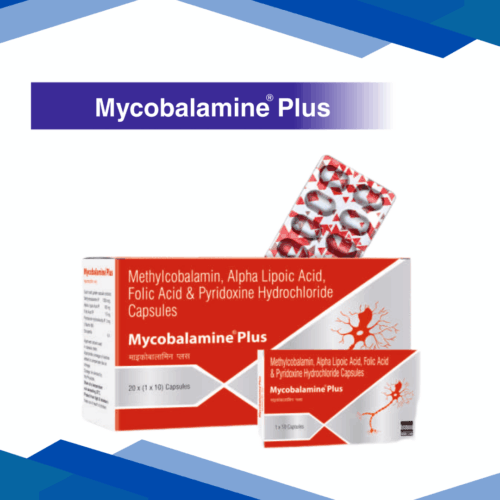
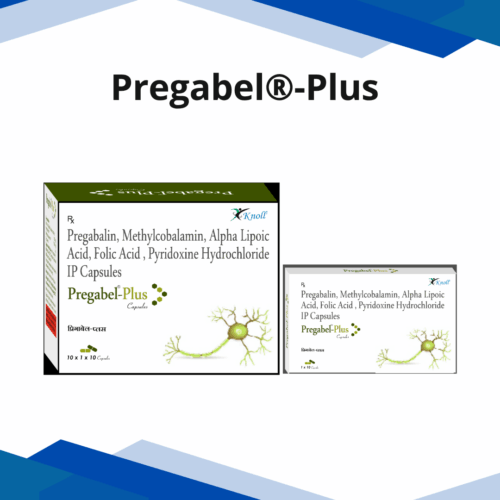
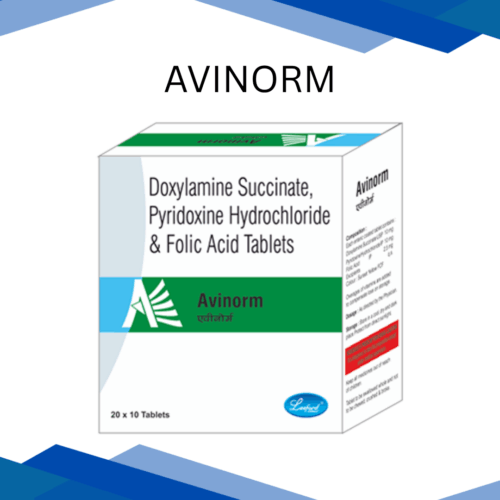
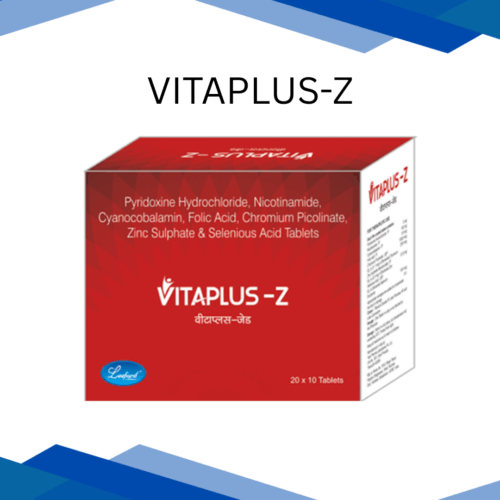
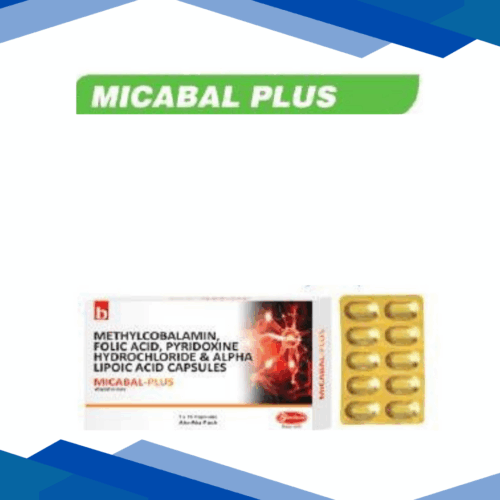

Pyridoxine Hydrochloride (Vitamin B6) Tablets
Pyridoxine Hydrochloride is the hydrochloride salt form of Pyridoxine, a vital water-soluble Vitamin B-complex nutrient. It plays a key role in over 100 metabolic enzyme reactions, especially in protein metabolism. It is essential for neurotransmitter production (like serotonin), red blood cell formation, and maintaining a healthy nervous and immune system.
Indications
Vitamin B6 Deficiency: Treatment and prevention of nutritional deficiencies
Drug-Induced Neuropathy: Used with Isoniazid to prevent nerve damage
Vomiting in Pregnancy: Helps manage morning sickness (often with Doxylamine)
Sideroblastic Anemia: Supports hemoglobin synthesis
Metabolic Support: Helps manage homocysteine levels for heart health
Key Highlights
Neuro-Protective: Maintains myelin sheath integrity
Metabolic Regulator: Aids in energy production from nutrients
Mood & Sleep Support: Supports serotonin and melatonin synthesis
Dosage & Administration
Adult Dose: Typically 10–50 mg daily (higher for specific conditions)
Administration: Swallow whole with water; take after meals
What If I Miss a Dose?
Take it when remembered; skip if close to next dose
Do not double dose
Possible Side Effects
Nausea or stomach pain
Headache or drowsiness
Mild tingling or numbness (paraesthesia)
Loss of appetite
Precautions & Warnings
Neurological Monitoring: High doses (>200 mg/day) may cause sensory neuropathy
Levodopa Interaction: May reduce effectiveness in Parkinson’s treatment
Allergy: Inform doctor if allergic to B-complex vitamins
Lactation: Passes into breast milk—use under supervision
Frequently Asked Questions (FAQs)
Q: Can I take Pyridoxine without a prescription?
Yes, for general supplementation (OTC); higher doses need prescription
Q: Why is it given with TB medication?
Prevents nerve-related side effects of Isoniazid
Q: Does it help with PMS?
May improve mood symptoms—consult a doctor
Q: Is it safe in pregnancy?
Commonly used for nausea, but only under medical supervision
Q: Can diet provide enough Vitamin B6?
Foods like chickpeas, poultry, fish, bananas, and fortified cereals are good sources
Expert Advice
Storage: Store in a cool, dry place (below 25°C) away from sunlight
Patient Tip: Take at the same time daily; avoid excess alcohol
Disclaimer
This information is for educational purposes only and should not replace professional medical advice