

Showing all 11 resultsSorted by popularity
Filter

Inlife Bonelife Plus | With Calcium, Zinc Magnesium, Vitamin D2+K2 with Folic Acid for Bone Health | Tablet


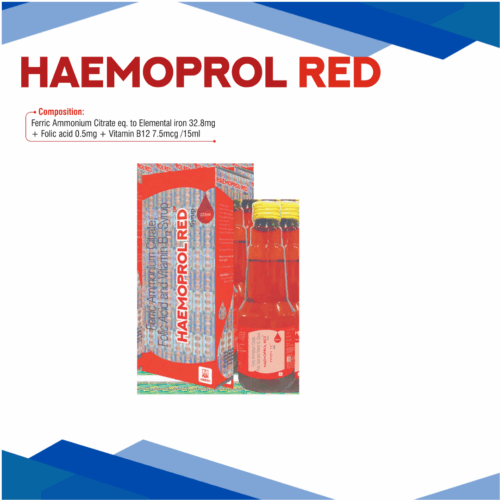
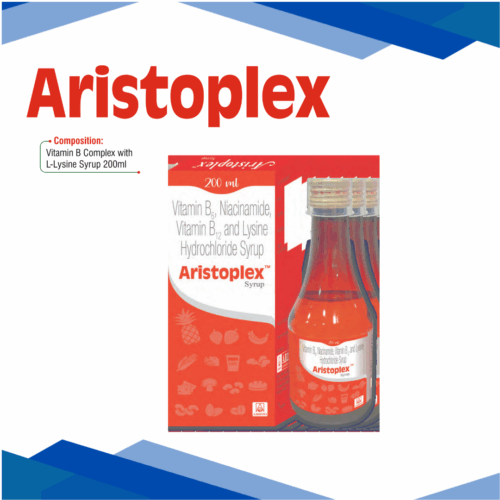
Vitamin B12 (Cobalamin): Essential to nerve fiber and energy
Vitamin B12, also known as cobalamin, is a water-soluble nutrient critical to the normal daily activity of the body. Unlike other vitamins, humans are unable to produce it on their own, so they can only supply the B12 via their dietary intake or high-quality supplements. It is thus the primary factor that keeps your metabolism running—and working well at that—and ensures the optimum health of your blood cells and neurological system.
Why Does Your Body Need Vitamin B12?
Red Blood Cell Formation: It is important in producing sound red blood cells. A deficiency can result in megaloblastic anemia, where the cells are too large to perform their function.
Neurological Support: Vitamin B12 plays a part in maintaining the protective sheath of the nerves called myelin, thus ensuring rapid transmission of information between the brain and the peripheral body.
DNA Synthesis: It directly contributes to making up the genetic material present in every single cell of the body.
Additionally, it helps to reduce fatigue and anaemia by converting carbohydrates into glucose.
Common Deficiency Symptoms
There are some features, particularly among plant-based diets or individuals older in age, which suggest a relatively lower level of B12.
Intense form of fatigue and muscle weakness can hold on.
Pins-and-needles tingling sensations prevalent in hands and feet.
Hazy memory or inability to concentrate.
Pale skin or a slight yellow tinge to the whites of the eyes.
The tongue can become red and sore (glossitis).
Administration and Dosage
Vitamin B12 supplements come in various types: the active form, called Methylcobalamin, and the other, called Cyanocobalamin.
Administration: Most oral drugs are consumed once daily and are best taken with or after a meal to enhance absorption.
Protection: Store in a cool, dry place that is not exposed to sunlight. The container should be sealed tightly.
Frequently Asked Questions
1. Who is at the greatest risk for a B12 deficiency?
Vegetarians and vegans often have an increased risk because B12 is naturally found mainly in animal sources such as dairy, meat, and eggs. Also, the ageing populace and those with some gut diseases, such as Celiac disease, may not be able to absorb enough vitamin B12 from food.
2. Can I take Vitamin B12 every day?
Yes, most adults can take a daily B12 supplement as any excess will be excreted from the body through urine. Always consult a healthcare provider to help determine the specific dose that you need based on your personal levels.
3. What is the difference between Methylcobalamin and Cyanocobalamin?
Methylcobalamin is the naturally occurring, “active” version of the vitamin that the body holds onto better. Cyanocobalamin is a synthetic form that must be converted through the body for it to be employed.
4. Are there any side effects?
Vitamin B12 is usually considered safe and non-toxic even at higher doses. Very high doses might cause some level of diarrhea or body itching and some sensation of swelling in the body. In case of allergic reaction, immediate medical attendance should be sought.
5. How long does it take to see results from B12 supplements?
In the case where it is a case of correcting deficiency, one can expect improvements in energy on day 1, although the neurological improvements take time and will be seen in weeks to months with consistent use.
Notice: The information given is only intended for educational purposes and is not to be replaced with personal medical advice, diagnosis, or treatment. Always consult your health care professional for any questions related to a medical issue.